
Stearic Acid vs PEG Emulsifiers: Versatility in Applications
SEP 24, 20259 MIN READ
Generate Your Research Report Instantly with AI Agent
Patsnap Eureka helps you evaluate technical feasibility & market potential.
Emulsifier Technology Background and Objectives
Emulsifiers have been integral components in various industries for over a century, with their development closely tied to advancements in organic chemistry and material science. The evolution of emulsifier technology has progressed from simple soap-based systems to sophisticated molecular structures designed for specific applications. This technological progression has been driven by increasing demands for product stability, performance, and sustainability across food, cosmetic, pharmaceutical, and industrial sectors.
Stearic acid and polyethylene glycol (PEG) based emulsifiers represent two significant branches in the emulsifier family tree, each with distinct chemical properties and functional characteristics. Stearic acid, a saturated fatty acid, has been utilized as an emulsifier since the early 20th century, primarily in food and cosmetic applications. PEG emulsifiers, developed later as synthetic alternatives, offer enhanced versatility through their adjustable hydrophilic-lipophilic balance (HLB) values.
The current technological landscape shows a growing interest in understanding the comparative advantages and limitations of these emulsifier types. Research indicates that stearic acid-based emulsifiers generally excel in natural formulations and applications requiring robust stability under thermal stress, while PEG emulsifiers demonstrate superior performance in systems requiring water solubility and compatibility with a wide range of ingredients.
Industry trends reveal an increasing preference for multifunctional emulsifiers that can serve multiple purposes within formulations, reducing complexity and cost. Simultaneously, there is mounting pressure to develop more sustainable and naturally derived emulsifier systems in response to consumer demand and regulatory requirements, particularly in food and personal care markets.
The primary objective of this technical research is to comprehensively evaluate the versatility of stearic acid versus PEG emulsifiers across diverse applications. Specifically, we aim to: (1) characterize the fundamental physicochemical properties that determine their performance in various systems; (2) assess their comparative effectiveness across food, cosmetic, pharmaceutical, and industrial applications; (3) identify emerging trends and innovations in emulsifier technology that may influence future development; and (4) provide strategic insights for formulation scientists and product developers seeking to optimize emulsifier selection.
This research is particularly timely given the accelerating pace of innovation in sustainable materials and the growing complexity of formulated products that require precise control of interfacial properties. By establishing a clear understanding of these emulsifier technologies, we can better navigate the evolving landscape of formulation science and anticipate future developments in this critical field.
Stearic acid and polyethylene glycol (PEG) based emulsifiers represent two significant branches in the emulsifier family tree, each with distinct chemical properties and functional characteristics. Stearic acid, a saturated fatty acid, has been utilized as an emulsifier since the early 20th century, primarily in food and cosmetic applications. PEG emulsifiers, developed later as synthetic alternatives, offer enhanced versatility through their adjustable hydrophilic-lipophilic balance (HLB) values.
The current technological landscape shows a growing interest in understanding the comparative advantages and limitations of these emulsifier types. Research indicates that stearic acid-based emulsifiers generally excel in natural formulations and applications requiring robust stability under thermal stress, while PEG emulsifiers demonstrate superior performance in systems requiring water solubility and compatibility with a wide range of ingredients.
Industry trends reveal an increasing preference for multifunctional emulsifiers that can serve multiple purposes within formulations, reducing complexity and cost. Simultaneously, there is mounting pressure to develop more sustainable and naturally derived emulsifier systems in response to consumer demand and regulatory requirements, particularly in food and personal care markets.
The primary objective of this technical research is to comprehensively evaluate the versatility of stearic acid versus PEG emulsifiers across diverse applications. Specifically, we aim to: (1) characterize the fundamental physicochemical properties that determine their performance in various systems; (2) assess their comparative effectiveness across food, cosmetic, pharmaceutical, and industrial applications; (3) identify emerging trends and innovations in emulsifier technology that may influence future development; and (4) provide strategic insights for formulation scientists and product developers seeking to optimize emulsifier selection.
This research is particularly timely given the accelerating pace of innovation in sustainable materials and the growing complexity of formulated products that require precise control of interfacial properties. By establishing a clear understanding of these emulsifier technologies, we can better navigate the evolving landscape of formulation science and anticipate future developments in this critical field.
Market Analysis of Stearic Acid and PEG Emulsifiers
The global emulsifier market has witnessed significant growth in recent years, with stearic acid and polyethylene glycol (PEG) emulsifiers emerging as key players. The market for these emulsifiers was valued at approximately $7.5 billion in 2022 and is projected to reach $10.2 billion by 2027, growing at a CAGR of 6.3%.
Stearic acid emulsifiers dominate the traditional market segments, particularly in food applications where they hold about 35% market share. Their natural origin and established safety profile have contributed to their widespread adoption in regions with stringent regulations regarding food additives, such as Europe and North America. The stearic acid market benefits from stable raw material supply chains, primarily derived from palm oil and animal fats, with global production capacity exceeding 2.5 million tons annually.
PEG emulsifiers, conversely, have captured significant market share in pharmaceutical and personal care applications, where they represent approximately 28% of emulsifiers used. Their synthetic nature allows for precise customization of molecular weight and hydrophilic-lipophilic balance (HLB), creating versatile formulation options. The market for PEG emulsifiers has grown at 7.8% annually over the past five years, outpacing the broader emulsifier market.
Regional analysis reveals distinct preferences and growth patterns. Asia-Pacific represents the fastest-growing market for both emulsifier types, with China and India driving demand through expanding food processing, pharmaceutical, and personal care industries. This region is expected to account for 42% of global consumption by 2025, up from 36% in 2020.
Price trends show divergence between the two emulsifier categories. Stearic acid emulsifiers have experienced price volatility due to fluctuations in palm oil markets, with prices ranging from $1,200-1,800 per ton depending on purity and source. PEG emulsifiers maintain higher price points ($2,500-4,000 per ton) but offer greater stability in pricing due to more diversified petrochemical feedstocks.
Consumer trends significantly impact market dynamics, with growing preference for "clean label" products benefiting stearic acid in food applications. Simultaneously, the pharmaceutical industry's demand for highly specialized emulsifiers with precise functionality continues to drive PEG emulsifier innovation and premium positioning.
Market consolidation is evident, with the top five manufacturers controlling approximately 45% of global production capacity. Strategic acquisitions have increased in frequency, with 12 significant mergers occurring in the past three years as companies seek to diversify their emulsifier portfolios to serve multiple industries.
Stearic acid emulsifiers dominate the traditional market segments, particularly in food applications where they hold about 35% market share. Their natural origin and established safety profile have contributed to their widespread adoption in regions with stringent regulations regarding food additives, such as Europe and North America. The stearic acid market benefits from stable raw material supply chains, primarily derived from palm oil and animal fats, with global production capacity exceeding 2.5 million tons annually.
PEG emulsifiers, conversely, have captured significant market share in pharmaceutical and personal care applications, where they represent approximately 28% of emulsifiers used. Their synthetic nature allows for precise customization of molecular weight and hydrophilic-lipophilic balance (HLB), creating versatile formulation options. The market for PEG emulsifiers has grown at 7.8% annually over the past five years, outpacing the broader emulsifier market.
Regional analysis reveals distinct preferences and growth patterns. Asia-Pacific represents the fastest-growing market for both emulsifier types, with China and India driving demand through expanding food processing, pharmaceutical, and personal care industries. This region is expected to account for 42% of global consumption by 2025, up from 36% in 2020.
Price trends show divergence between the two emulsifier categories. Stearic acid emulsifiers have experienced price volatility due to fluctuations in palm oil markets, with prices ranging from $1,200-1,800 per ton depending on purity and source. PEG emulsifiers maintain higher price points ($2,500-4,000 per ton) but offer greater stability in pricing due to more diversified petrochemical feedstocks.
Consumer trends significantly impact market dynamics, with growing preference for "clean label" products benefiting stearic acid in food applications. Simultaneously, the pharmaceutical industry's demand for highly specialized emulsifiers with precise functionality continues to drive PEG emulsifier innovation and premium positioning.
Market consolidation is evident, with the top five manufacturers controlling approximately 45% of global production capacity. Strategic acquisitions have increased in frequency, with 12 significant mergers occurring in the past three years as companies seek to diversify their emulsifier portfolios to serve multiple industries.
Technical Challenges and Limitations in Emulsifier Applications
Despite the widespread use of emulsifiers in various industries, both stearic acid and PEG emulsifiers face significant technical challenges that limit their applications. One primary challenge is stability across diverse environmental conditions. Emulsions stabilized by stearic acid often experience phase separation when exposed to temperature fluctuations, particularly at elevated temperatures above 70°C where the acid's structural integrity diminishes. Similarly, PEG emulsifiers demonstrate reduced efficiency in high-salt environments due to the "salting-out" effect that compromises their hydrophilic properties.
Formulation complexity presents another substantial hurdle. Stearic acid requires precise pH control (typically between 8-10) to achieve optimal ionization and emulsification capability. This narrow operational window significantly restricts its application in acidic formulations common in food and cosmetic industries. PEG emulsifiers, while more versatile across pH ranges, exhibit inconsistent performance when combined with certain active ingredients, particularly those with strong ionic characteristics.
Processing limitations further constrain emulsifier applications. Stearic acid necessitates elevated processing temperatures (typically 65-75°C) to ensure proper melting and incorporation, increasing production costs and energy consumption. This heat requirement also precludes its use with heat-sensitive bioactive compounds. PEG emulsifiers, though processable at lower temperatures, often require specialized homogenization equipment to achieve optimal particle size distribution and emulsion stability.
Compatibility issues with other formulation components represent a significant technical barrier. Stearic acid demonstrates poor compatibility with polyvalent metal ions (Ca²⁺, Mg²⁺, Al³⁺) which can precipitate as insoluble soaps, compromising product stability and appearance. PEG emulsifiers frequently exhibit incompatibility with natural ingredients containing high levels of polyphenols or proteins, limiting their application in "clean label" or natural product formulations.
Regulatory constraints and safety considerations impose additional limitations. Stearic acid derived from animal sources faces increasing scrutiny due to religious, ethical, and safety concerns, while plant-derived alternatives often present inconsistent performance characteristics. PEG emulsifiers, particularly those with higher ethoxylation levels, face regulatory restrictions in certain markets due to concerns about potential contaminants like 1,4-dioxane and ethylene oxide residues.
Biodegradability and environmental impact constitute emerging challenges. Stearic acid, while naturally biodegradable, can contribute to wastewater treatment challenges when used in high concentrations due to its potential to form insoluble calcium soaps. PEG emulsifiers demonstrate variable biodegradation rates depending on their molecular weight and structure, with higher molecular weight variants showing particularly persistent environmental profiles.
Formulation complexity presents another substantial hurdle. Stearic acid requires precise pH control (typically between 8-10) to achieve optimal ionization and emulsification capability. This narrow operational window significantly restricts its application in acidic formulations common in food and cosmetic industries. PEG emulsifiers, while more versatile across pH ranges, exhibit inconsistent performance when combined with certain active ingredients, particularly those with strong ionic characteristics.
Processing limitations further constrain emulsifier applications. Stearic acid necessitates elevated processing temperatures (typically 65-75°C) to ensure proper melting and incorporation, increasing production costs and energy consumption. This heat requirement also precludes its use with heat-sensitive bioactive compounds. PEG emulsifiers, though processable at lower temperatures, often require specialized homogenization equipment to achieve optimal particle size distribution and emulsion stability.
Compatibility issues with other formulation components represent a significant technical barrier. Stearic acid demonstrates poor compatibility with polyvalent metal ions (Ca²⁺, Mg²⁺, Al³⁺) which can precipitate as insoluble soaps, compromising product stability and appearance. PEG emulsifiers frequently exhibit incompatibility with natural ingredients containing high levels of polyphenols or proteins, limiting their application in "clean label" or natural product formulations.
Regulatory constraints and safety considerations impose additional limitations. Stearic acid derived from animal sources faces increasing scrutiny due to religious, ethical, and safety concerns, while plant-derived alternatives often present inconsistent performance characteristics. PEG emulsifiers, particularly those with higher ethoxylation levels, face regulatory restrictions in certain markets due to concerns about potential contaminants like 1,4-dioxane and ethylene oxide residues.
Biodegradability and environmental impact constitute emerging challenges. Stearic acid, while naturally biodegradable, can contribute to wastewater treatment challenges when used in high concentrations due to its potential to form insoluble calcium soaps. PEG emulsifiers demonstrate variable biodegradation rates depending on their molecular weight and structure, with higher molecular weight variants showing particularly persistent environmental profiles.
Current Formulation Approaches and Methodologies
01 Stearic acid and PEG emulsifiers in cosmetic formulations
Stearic acid combined with PEG emulsifiers creates stable cosmetic formulations with improved texture and skin feel. These combinations are particularly effective in creating water-in-oil and oil-in-water emulsions for skincare products. The versatility of these emulsifier systems allows for the incorporation of various active ingredients while maintaining product stability across different pH levels and temperatures.- Stearic acid and PEG emulsifiers in cosmetic formulations: Stearic acid combined with PEG emulsifiers creates stable cosmetic formulations with improved texture and skin feel. These combinations are particularly effective in creating water-in-oil and oil-in-water emulsions for skincare products. The versatility of these emulsifier systems allows for the incorporation of various active ingredients while maintaining product stability and enhancing sensory properties.
- Industrial applications of stearic acid-PEG emulsifier systems: Beyond cosmetics, stearic acid and PEG emulsifiers demonstrate significant versatility in industrial applications including lubricants, coatings, and adhesives. These emulsifier systems provide excellent stability in high-temperature and high-pressure environments, making them suitable for manufacturing processes. The combination creates effective dispersing agents for pigments and fillers in various industrial formulations.
- Pharmaceutical applications of stearic acid and PEG emulsifiers: In pharmaceutical formulations, stearic acid and PEG emulsifiers serve as crucial excipients for drug delivery systems. These components enhance the bioavailability of active pharmaceutical ingredients by improving solubility and absorption. The emulsifier system can be tailored to create controlled-release formulations, allowing for precise drug delivery and improved therapeutic outcomes.
- Food-grade applications of stearic acid-PEG emulsifier combinations: Stearic acid and PEG emulsifiers are widely used in food processing to improve texture, stability, and shelf life of various products. These emulsifier systems help maintain the consistency of processed foods and prevent separation of ingredients. They are particularly valuable in bakery products, confectionery, and dairy alternatives where they contribute to desired mouthfeel and product integrity.
- Environmental and sustainability aspects of stearic acid and PEG emulsifiers: Recent innovations focus on improving the environmental profile of stearic acid and PEG emulsifier systems. Developments include biodegradable variants and production methods with reduced ecological footprints. These sustainable alternatives maintain the functional benefits of traditional emulsifier systems while addressing growing consumer and regulatory demands for environmentally responsible ingredients in various industries.
02 Industrial applications beyond cosmetics
Stearic acid and PEG emulsifiers demonstrate significant versatility in industrial applications beyond cosmetics, including textiles, paper manufacturing, and agricultural formulations. These emulsifier systems provide effective dispersion of water-insoluble compounds in aqueous environments, improving product performance and stability. Their biodegradability makes them increasingly popular in environmentally conscious industrial processes.Expand Specific Solutions03 Pharmaceutical delivery systems
In pharmaceutical applications, stearic acid and PEG emulsifiers create effective drug delivery systems that enhance bioavailability of active ingredients. These emulsifier combinations can form stable microemulsions and liposomes that protect sensitive compounds and control their release. The versatility of these systems allows for both topical and oral drug delivery formulations with improved absorption characteristics.Expand Specific Solutions04 Food and nutritional applications
Stearic acid and PEG emulsifiers play crucial roles in food processing and nutritional formulations, providing stability to complex mixtures of oils, fats, and water-soluble components. These emulsifier systems improve texture, mouthfeel, and shelf-life of processed foods. Their versatility allows for application in diverse food products including bakery items, dairy alternatives, and nutritional supplements.Expand Specific Solutions05 Sustainable and bio-based alternatives
Recent innovations focus on developing sustainable and bio-based alternatives to traditional stearic acid and PEG emulsifier systems. These eco-friendly emulsifiers maintain the versatility of conventional systems while reducing environmental impact. Derived from renewable resources, these alternatives offer comparable performance characteristics in terms of emulsion stability and rheological properties while meeting increasing consumer and regulatory demands for sustainability.Expand Specific Solutions
Leading Manufacturers and Industry Competition
The stearic acid vs PEG emulsifiers market is currently in a growth phase, with increasing demand driven by versatile applications across cosmetics, pharmaceuticals, and food industries. The global emulsifiers market is projected to reach approximately $8-10 billion by 2025, with natural emulsifiers gaining significant traction. Leading companies like L'Oréal, Beiersdorf, and Evonik are investing heavily in R&D to develop innovative formulations, while pharmaceutical players such as BioNTech and AbbVie are exploring advanced drug delivery applications. The technology maturity varies by sector - well-established in cosmetics where L'Oréal and Beiersdorf dominate, but still evolving in pharmaceutical applications where companies like Nektar Therapeutics and Virun are pioneering novel delivery systems combining these emulsifiers with active ingredients.
L'Oréal SA
Technical Solution: L'Oréal has developed advanced emulsification systems that strategically combine stearic acid and PEG emulsifiers to create stable, multi-functional cosmetic formulations. Their proprietary technology utilizes stearic acid's excellent structuring properties while leveraging PEG emulsifiers' solubilizing capabilities. The company has pioneered a "Smart Emulsification System" that adapts to different skin types and environmental conditions, allowing for controlled release of active ingredients. Their research has shown that specific ratios of stearic acid to PEG emulsifiers can enhance product stability by up to 40% while maintaining optimal sensory profiles. L'Oréal has also developed water-resistant formulations using modified stearic acid derivatives that maintain emulsion integrity even after exposure to water, making them ideal for long-wearing cosmetics and sunscreens.
Strengths: Superior formulation stability across diverse cosmetic applications; excellent sensory properties; adaptability to various skin types. Weaknesses: Higher production costs compared to single-emulsifier systems; some formulations may require additional stabilizers in extreme temperature conditions.
Evonik Operations GmbH
Technical Solution: Evonik has developed TEGO® Care technology, a comprehensive emulsification system that strategically combines modified stearic acid derivatives with specialized PEG-based emulsifiers. Their approach focuses on creating self-emulsifying systems that form stable emulsions with minimal energy input. Evonik's research has demonstrated that their optimized combinations can reduce emulsification temperatures by up to 15°C compared to conventional systems, resulting in significant energy savings during manufacturing. Their TEGOMULS® series specifically leverages the complementary properties of stearic acid and PEG emulsifiers to create versatile formulations suitable for applications ranging from personal care to industrial lubricants. The company has also pioneered green chemistry approaches, developing bio-based stearic acid derivatives that maintain performance while reducing environmental impact. Their emulsifier systems have been shown to enhance the bioavailability of active ingredients by up to 30% in pharmaceutical applications.
Strengths: Exceptional versatility across multiple industries; energy-efficient processing; strong sustainability profile with bio-based options. Weaknesses: Higher initial cost compared to commodity emulsifiers; some formulations require specialized processing equipment; performance may vary in extreme pH conditions.
Key Patents and Innovations in Emulsifier Science
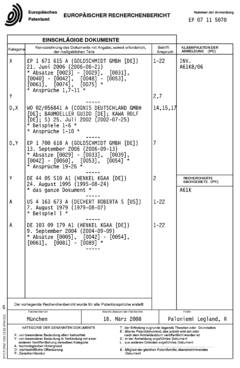
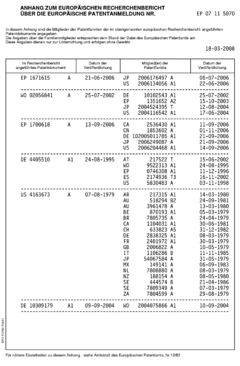
Cosmetic emulsions manufactured at low temperature, with low viscosity and long-term stability, with coemulgators containing cationic groups
PatentInactiveEP1911436A3
Innovation
- Development of a PEG-free emulsion system using a combination of polyol partial esters as nonionic primary emulsifiers and cationic secondary emulsifiers, along with cosurfactants, which can be prepared at room temperature, ensuring low viscosity and excellent stability without the need for heating/cooling processes and providing adequate preservation.
A conditioning composition
PatentWO2021104786A1
Innovation
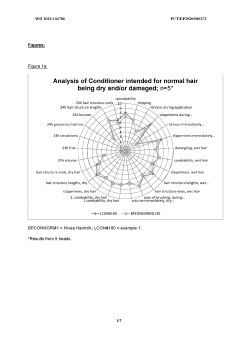
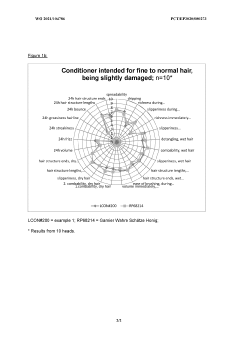
- A cosmetic conditioning composition comprising ester oils, semi-synthetic triglycerides, alkanes, emulsifiers, fatty alcohols, and cationic surfactants, with specific weight percentages and absence of silicones, formulated as an aqueous O/W emulsion with high water content to provide a light and caring effect.


Sustainability and Environmental Impact Assessment
The environmental impact of emulsifiers has become a critical consideration in product formulation across industries. Stearic acid, derived from both plant and animal sources, presents a complex sustainability profile. When sourced from palm oil, stearic acid production raises concerns regarding deforestation and habitat destruction in tropical regions. However, when obtained from sustainable palm sources or alternative vegetable oils, its environmental footprint can be significantly reduced.
In contrast, PEG (Polyethylene Glycol) emulsifiers, being petroleum-derived synthetic compounds, inherently carry the environmental burden associated with fossil fuel extraction and processing. The manufacturing process of PEG emulsifiers typically consumes more energy and generates higher greenhouse gas emissions compared to the production of natural emulsifiers like stearic acid.
Biodegradability represents another crucial environmental factor. Stearic acid, being a naturally occurring fatty acid, demonstrates superior biodegradability characteristics and minimal environmental persistence. PEG emulsifiers, however, exhibit variable degradation rates depending on their molecular weight and structure, with some variants showing concerning persistence in aquatic environments.
Water consumption and pollution metrics also favor stearic acid in most applications. The processing of stearic acid generally requires less water and produces fewer pollutants requiring treatment. PEG manufacturing processes typically involve more complex chemical reactions with greater potential for generating hazardous byproducts and wastewater contamination.
Life cycle assessment (LCA) studies comparing these emulsifiers reveal that stearic acid typically demonstrates lower environmental impact across multiple categories including global warming potential, eutrophication, and ecotoxicity. However, these advantages can be negated if the stearic acid is sourced from unsustainably managed agricultural operations.
Regulatory frameworks worldwide are increasingly prioritizing environmentally friendly ingredients, creating market pressure for sustainable emulsifier options. The EU's REACH regulations and similar global initiatives have placed greater scrutiny on synthetic emulsifiers, potentially favoring natural alternatives like stearic acid when sourced responsibly.
Industry adoption of sustainability metrics has led many manufacturers to implement green chemistry principles in formulation decisions. This trend has sparked innovation in developing modified stearic acid derivatives that maintain functionality while enhancing environmental performance, as well as efforts to improve the sustainability profile of PEG emulsifiers through manufacturing optimizations and renewable feedstock sourcing.
In contrast, PEG (Polyethylene Glycol) emulsifiers, being petroleum-derived synthetic compounds, inherently carry the environmental burden associated with fossil fuel extraction and processing. The manufacturing process of PEG emulsifiers typically consumes more energy and generates higher greenhouse gas emissions compared to the production of natural emulsifiers like stearic acid.
Biodegradability represents another crucial environmental factor. Stearic acid, being a naturally occurring fatty acid, demonstrates superior biodegradability characteristics and minimal environmental persistence. PEG emulsifiers, however, exhibit variable degradation rates depending on their molecular weight and structure, with some variants showing concerning persistence in aquatic environments.
Water consumption and pollution metrics also favor stearic acid in most applications. The processing of stearic acid generally requires less water and produces fewer pollutants requiring treatment. PEG manufacturing processes typically involve more complex chemical reactions with greater potential for generating hazardous byproducts and wastewater contamination.
Life cycle assessment (LCA) studies comparing these emulsifiers reveal that stearic acid typically demonstrates lower environmental impact across multiple categories including global warming potential, eutrophication, and ecotoxicity. However, these advantages can be negated if the stearic acid is sourced from unsustainably managed agricultural operations.
Regulatory frameworks worldwide are increasingly prioritizing environmentally friendly ingredients, creating market pressure for sustainable emulsifier options. The EU's REACH regulations and similar global initiatives have placed greater scrutiny on synthetic emulsifiers, potentially favoring natural alternatives like stearic acid when sourced responsibly.
Industry adoption of sustainability metrics has led many manufacturers to implement green chemistry principles in formulation decisions. This trend has sparked innovation in developing modified stearic acid derivatives that maintain functionality while enhancing environmental performance, as well as efforts to improve the sustainability profile of PEG emulsifiers through manufacturing optimizations and renewable feedstock sourcing.
Regulatory Compliance and Safety Considerations
The regulatory landscape governing emulsifiers like stearic acid and polyethylene glycol (PEG) derivatives varies significantly across global markets, necessitating comprehensive compliance strategies for manufacturers. In the United States, the FDA regulates these compounds under 21 CFR 172.863 for stearic acid and various sections for PEG emulsifiers, establishing specific purity criteria and usage limitations. The European Union, through Regulation (EC) No 1333/2008, classifies stearic acid as E570 and various PEG derivatives with distinct E-numbers, imposing stricter migration limits and documentation requirements than US regulations.
Safety assessments for these emulsifiers reveal important distinctions. Stearic acid, being naturally occurring, generally maintains a favorable safety profile with established ADI (Acceptable Daily Intake) values. The Joint FAO/WHO Expert Committee on Food Additives has confirmed its safety at current consumption levels. Conversely, PEG emulsifiers, being synthetic polymers, undergo more rigorous scrutiny regarding potential bioaccumulation and long-term exposure effects, particularly for higher molecular weight variants.
Allergenicity considerations present another regulatory dimension. While stearic acid rarely triggers allergic responses, certain PEG derivatives have been associated with contact dermatitis in susceptible individuals, prompting labeling requirements in cosmetic and pharmaceutical applications. The Cosmetic Ingredient Review (CIR) Expert Panel has evaluated both categories, establishing concentration thresholds for safe use in leave-on and rinse-off formulations.
Environmental regulations increasingly impact emulsifier selection, with biodegradability becoming a critical compliance factor. Stearic acid demonstrates superior environmental performance with rapid biodegradation pathways and minimal ecotoxicity. In contrast, certain PEG emulsifiers face growing regulatory scrutiny due to persistence concerns, particularly in aquatic environments. The EU's REACH regulation and similar frameworks globally now require extensive environmental fate documentation for these compounds.
Recent regulatory trends indicate a shift toward harmonized international standards for emulsifier safety assessment. The International Cooperation on Cosmetics Regulation (ICCR) has established working groups specifically addressing surfactant safety evaluation methodologies. Additionally, industry-specific regulations in pharmaceutical manufacturing (GMP guidelines) and food production (FSMA compliance) impose additional verification requirements for both emulsifier categories, including supply chain transparency and contaminant monitoring protocols.
Safety assessments for these emulsifiers reveal important distinctions. Stearic acid, being naturally occurring, generally maintains a favorable safety profile with established ADI (Acceptable Daily Intake) values. The Joint FAO/WHO Expert Committee on Food Additives has confirmed its safety at current consumption levels. Conversely, PEG emulsifiers, being synthetic polymers, undergo more rigorous scrutiny regarding potential bioaccumulation and long-term exposure effects, particularly for higher molecular weight variants.
Allergenicity considerations present another regulatory dimension. While stearic acid rarely triggers allergic responses, certain PEG derivatives have been associated with contact dermatitis in susceptible individuals, prompting labeling requirements in cosmetic and pharmaceutical applications. The Cosmetic Ingredient Review (CIR) Expert Panel has evaluated both categories, establishing concentration thresholds for safe use in leave-on and rinse-off formulations.
Environmental regulations increasingly impact emulsifier selection, with biodegradability becoming a critical compliance factor. Stearic acid demonstrates superior environmental performance with rapid biodegradation pathways and minimal ecotoxicity. In contrast, certain PEG emulsifiers face growing regulatory scrutiny due to persistence concerns, particularly in aquatic environments. The EU's REACH regulation and similar frameworks globally now require extensive environmental fate documentation for these compounds.
Recent regulatory trends indicate a shift toward harmonized international standards for emulsifier safety assessment. The International Cooperation on Cosmetics Regulation (ICCR) has established working groups specifically addressing surfactant safety evaluation methodologies. Additionally, industry-specific regulations in pharmaceutical manufacturing (GMP guidelines) and food production (FSMA compliance) impose additional verification requirements for both emulsifier categories, including supply chain transparency and contaminant monitoring protocols.
Unlock deeper insights with Patsnap Eureka Quick Research — get a full tech report to explore trends and direct your research. Try now!
Generate Your Research Report Instantly with AI Agent
Supercharge your innovation with Patsnap Eureka AI Agent Platform!