The Influence of Sulphanilic Acid on Cell Membrane Fluidity
JUL 21, 20259 MIN READ
Generate Your Research Report Instantly with AI Agent
Patsnap Eureka helps you evaluate technical feasibility & market potential.
Sulphanilic Acid Background and Research Objectives
Sulphanilic acid, a synthetic organic compound with the chemical formula C6H7NO3S, has been a subject of interest in various scientific fields for decades. This aromatic amine, characterized by its sulfonic acid group, has found applications in diverse areas, including dye production, pharmaceuticals, and biochemical research. The compound's unique structure and properties have led to its extensive use as a reagent in analytical chemistry and as a precursor in the synthesis of various organic compounds.
In recent years, the focus on sulphanilic acid has shifted towards its potential biological effects, particularly its influence on cell membrane fluidity. Cell membranes play a crucial role in maintaining cellular homeostasis, regulating the passage of molecules, and facilitating cell-to-cell communication. The fluidity of these membranes is a key factor in determining their functionality and, by extension, overall cellular health.
The investigation into the effects of sulphanilic acid on cell membrane fluidity stems from a growing body of evidence suggesting that certain organic compounds can significantly alter membrane properties. This line of research is particularly relevant in the context of drug development, toxicology, and understanding cellular responses to environmental factors. The ability of sulphanilic acid to potentially modulate membrane fluidity could have far-reaching implications in these fields.
The primary objective of this research is to elucidate the mechanisms by which sulphanilic acid interacts with cell membranes and influences their fluidity. This involves a multifaceted approach, combining biophysical techniques, molecular dynamics simulations, and cellular assays to provide a comprehensive understanding of the phenomenon. Specifically, the research aims to quantify changes in membrane fluidity upon exposure to varying concentrations of sulphanilic acid, identify the molecular interactions responsible for these changes, and assess the consequent effects on cellular functions.
Furthermore, this study seeks to explore the potential applications and implications of sulphanilic acid's influence on membrane fluidity. This includes investigating its possible use as a membrane fluidizer in biotechnological applications, assessing its impact on drug delivery systems, and evaluating any potential toxicological effects related to membrane alterations. The research also aims to contribute to the broader understanding of structure-activity relationships in membrane-interacting compounds, potentially guiding the design of novel therapeutic agents or cellular research tools.
By comprehensively examining the influence of sulphanilic acid on cell membrane fluidity, this research endeavors to bridge the gap between fundamental physical chemistry and applied biological sciences. The findings are expected to not only advance our understanding of membrane biophysics but also open new avenues for applications in biomedicine, pharmacology, and materials science.
In recent years, the focus on sulphanilic acid has shifted towards its potential biological effects, particularly its influence on cell membrane fluidity. Cell membranes play a crucial role in maintaining cellular homeostasis, regulating the passage of molecules, and facilitating cell-to-cell communication. The fluidity of these membranes is a key factor in determining their functionality and, by extension, overall cellular health.
The investigation into the effects of sulphanilic acid on cell membrane fluidity stems from a growing body of evidence suggesting that certain organic compounds can significantly alter membrane properties. This line of research is particularly relevant in the context of drug development, toxicology, and understanding cellular responses to environmental factors. The ability of sulphanilic acid to potentially modulate membrane fluidity could have far-reaching implications in these fields.
The primary objective of this research is to elucidate the mechanisms by which sulphanilic acid interacts with cell membranes and influences their fluidity. This involves a multifaceted approach, combining biophysical techniques, molecular dynamics simulations, and cellular assays to provide a comprehensive understanding of the phenomenon. Specifically, the research aims to quantify changes in membrane fluidity upon exposure to varying concentrations of sulphanilic acid, identify the molecular interactions responsible for these changes, and assess the consequent effects on cellular functions.
Furthermore, this study seeks to explore the potential applications and implications of sulphanilic acid's influence on membrane fluidity. This includes investigating its possible use as a membrane fluidizer in biotechnological applications, assessing its impact on drug delivery systems, and evaluating any potential toxicological effects related to membrane alterations. The research also aims to contribute to the broader understanding of structure-activity relationships in membrane-interacting compounds, potentially guiding the design of novel therapeutic agents or cellular research tools.
By comprehensively examining the influence of sulphanilic acid on cell membrane fluidity, this research endeavors to bridge the gap between fundamental physical chemistry and applied biological sciences. The findings are expected to not only advance our understanding of membrane biophysics but also open new avenues for applications in biomedicine, pharmacology, and materials science.
Market Applications of Sulphanilic Acid
Sulphanilic acid, a versatile organic compound, has found numerous applications across various industries due to its unique chemical properties. In the pharmaceutical sector, it serves as a crucial intermediate in the synthesis of sulfa drugs, which are widely used antibiotics. These medications have been instrumental in treating bacterial infections, particularly in developing countries where access to more advanced antibiotics may be limited.
The dye industry heavily relies on sulphanilic acid as a key raw material for producing azo dyes. These dyes are extensively used in textile manufacturing, providing vibrant and long-lasting colors to fabrics. The food industry also utilizes sulphanilic acid-derived dyes as food colorants, enhancing the visual appeal of various food products.
In the field of analytical chemistry, sulphanilic acid plays a significant role in colorimetric analysis. It is used as a reagent for detecting and quantifying nitrites in water samples, making it an essential tool for environmental monitoring and water quality assessment. This application is particularly important in ensuring the safety of drinking water and monitoring industrial effluents.
The rubber industry employs sulphanilic acid as an antioxidant and anti-aging agent in rubber products. It helps to extend the lifespan of rubber goods by preventing degradation caused by exposure to oxygen and ozone. This application is crucial in the automotive sector, where rubber components are subjected to harsh environmental conditions.
In the field of agriculture, sulphanilic acid derivatives are used in the formulation of certain pesticides and herbicides. These compounds help in protecting crops from pests and weeds, contributing to increased agricultural productivity. However, their use is carefully regulated to minimize environmental impact.
The paper industry utilizes sulphanilic acid in the production of optical brighteners. These additives enhance the perceived whiteness of paper products by absorbing ultraviolet light and re-emitting it in the blue visible spectrum. This application is particularly important in the manufacturing of high-quality writing and printing papers.
Recent research has explored the potential of sulphanilic acid in advanced materials science. Its ability to form self-assembled monolayers on metal surfaces has sparked interest in applications such as corrosion inhibition and surface modification for improved adhesion properties. This emerging field of study may open up new market opportunities in the future, particularly in the electronics and materials engineering sectors.
The dye industry heavily relies on sulphanilic acid as a key raw material for producing azo dyes. These dyes are extensively used in textile manufacturing, providing vibrant and long-lasting colors to fabrics. The food industry also utilizes sulphanilic acid-derived dyes as food colorants, enhancing the visual appeal of various food products.
In the field of analytical chemistry, sulphanilic acid plays a significant role in colorimetric analysis. It is used as a reagent for detecting and quantifying nitrites in water samples, making it an essential tool for environmental monitoring and water quality assessment. This application is particularly important in ensuring the safety of drinking water and monitoring industrial effluents.
The rubber industry employs sulphanilic acid as an antioxidant and anti-aging agent in rubber products. It helps to extend the lifespan of rubber goods by preventing degradation caused by exposure to oxygen and ozone. This application is crucial in the automotive sector, where rubber components are subjected to harsh environmental conditions.
In the field of agriculture, sulphanilic acid derivatives are used in the formulation of certain pesticides and herbicides. These compounds help in protecting crops from pests and weeds, contributing to increased agricultural productivity. However, their use is carefully regulated to minimize environmental impact.
The paper industry utilizes sulphanilic acid in the production of optical brighteners. These additives enhance the perceived whiteness of paper products by absorbing ultraviolet light and re-emitting it in the blue visible spectrum. This application is particularly important in the manufacturing of high-quality writing and printing papers.
Recent research has explored the potential of sulphanilic acid in advanced materials science. Its ability to form self-assembled monolayers on metal surfaces has sparked interest in applications such as corrosion inhibition and surface modification for improved adhesion properties. This emerging field of study may open up new market opportunities in the future, particularly in the electronics and materials engineering sectors.
Current Understanding of Cell Membrane Fluidity
Cell membrane fluidity is a critical property that influences numerous cellular processes, including signal transduction, membrane protein function, and cellular adaptation to environmental changes. The current understanding of cell membrane fluidity encompasses several key aspects that have been elucidated through extensive research in the field of membrane biology and biophysics.
At its core, membrane fluidity refers to the viscosity or flexibility of the lipid bilayer that forms the cellular membrane. This property is primarily determined by the composition and organization of lipids within the membrane. Saturated fatty acids in phospholipids tend to decrease fluidity, while unsaturated fatty acids increase it. Cholesterol plays a dual role, increasing fluidity at low temperatures and decreasing it at higher temperatures, thus acting as a fluidity buffer.
Temperature is a crucial factor affecting membrane fluidity. As temperature increases, the kinetic energy of lipid molecules rises, leading to increased molecular motion and, consequently, higher membrane fluidity. Conversely, lower temperatures result in decreased fluidity, which can impact cellular functions significantly.
The concept of membrane domains, particularly lipid rafts, has revolutionized our understanding of membrane organization and fluidity. These microdomains, enriched in cholesterol and sphingolipids, exhibit different fluidity characteristics compared to the surrounding membrane regions. They are believed to play essential roles in protein clustering and signal transduction.
Recent advancements in imaging techniques, such as fluorescence recovery after photobleaching (FRAP) and single-particle tracking, have provided valuable insights into membrane dynamics at the molecular level. These methods have allowed researchers to measure diffusion rates of membrane components and assess local variations in fluidity across the membrane surface.
The relationship between membrane fluidity and cellular function is complex and multifaceted. Changes in fluidity can affect the activity of membrane-bound enzymes, ion channels, and receptors. For instance, alterations in membrane fluidity have been linked to changes in the function of G-protein coupled receptors and ion pumps, which are crucial for cellular signaling and homeostasis.
Furthermore, cells have developed mechanisms to regulate and maintain optimal membrane fluidity, a process known as homeoviscous adaptation. This involves modifying lipid composition in response to environmental changes, such as temperature fluctuations or exposure to membrane-active compounds. Understanding these adaptive mechanisms is crucial for comprehending cellular resilience and developing strategies to modulate membrane properties for therapeutic purposes.
At its core, membrane fluidity refers to the viscosity or flexibility of the lipid bilayer that forms the cellular membrane. This property is primarily determined by the composition and organization of lipids within the membrane. Saturated fatty acids in phospholipids tend to decrease fluidity, while unsaturated fatty acids increase it. Cholesterol plays a dual role, increasing fluidity at low temperatures and decreasing it at higher temperatures, thus acting as a fluidity buffer.
Temperature is a crucial factor affecting membrane fluidity. As temperature increases, the kinetic energy of lipid molecules rises, leading to increased molecular motion and, consequently, higher membrane fluidity. Conversely, lower temperatures result in decreased fluidity, which can impact cellular functions significantly.
The concept of membrane domains, particularly lipid rafts, has revolutionized our understanding of membrane organization and fluidity. These microdomains, enriched in cholesterol and sphingolipids, exhibit different fluidity characteristics compared to the surrounding membrane regions. They are believed to play essential roles in protein clustering and signal transduction.
Recent advancements in imaging techniques, such as fluorescence recovery after photobleaching (FRAP) and single-particle tracking, have provided valuable insights into membrane dynamics at the molecular level. These methods have allowed researchers to measure diffusion rates of membrane components and assess local variations in fluidity across the membrane surface.
The relationship between membrane fluidity and cellular function is complex and multifaceted. Changes in fluidity can affect the activity of membrane-bound enzymes, ion channels, and receptors. For instance, alterations in membrane fluidity have been linked to changes in the function of G-protein coupled receptors and ion pumps, which are crucial for cellular signaling and homeostasis.
Furthermore, cells have developed mechanisms to regulate and maintain optimal membrane fluidity, a process known as homeoviscous adaptation. This involves modifying lipid composition in response to environmental changes, such as temperature fluctuations or exposure to membrane-active compounds. Understanding these adaptive mechanisms is crucial for comprehending cellular resilience and developing strategies to modulate membrane properties for therapeutic purposes.
Existing Methods for Assessing Membrane Fluidity
01 Sulphanilic acid in membrane compositions
Sulphanilic acid is utilized in various membrane compositions to modify their properties. These membranes can be used in different applications, including filtration, separation, and sensing. The incorporation of sulphanilic acid can affect the membrane's fluidity, potentially improving its performance or selectivity.- Sulphanilic acid in membrane applications: Sulphanilic acid is utilized in various membrane applications, potentially affecting membrane fluidity. Its properties make it suitable for modifying membrane characteristics, which can be beneficial in filtration processes and other membrane-based technologies.
- Membrane fluidity enhancement techniques: Various techniques are employed to enhance membrane fluidity, which may involve the use of sulphanilic acid or related compounds. These methods can improve the performance of membranes in different applications, such as separation processes or drug delivery systems.
- Sulphanilic acid derivatives in membrane science: Derivatives of sulphanilic acid are explored for their potential to modify membrane properties, including fluidity. These compounds may offer improved performance or specific functionalities in membrane applications across various industries.
- Membrane characterization methods: Various analytical techniques are used to characterize membrane properties, including fluidity, when sulphanilic acid or related compounds are incorporated. These methods help in understanding the impact of such additives on membrane performance and structure.
- Applications of sulphanilic acid-modified membranes: Membranes modified with sulphanilic acid or its derivatives find applications in diverse fields such as water treatment, fuel cells, and biomedical devices. The altered membrane fluidity can enhance selectivity, permeability, or other desired properties in these applications.
02 Membrane fluidity modification techniques
Various techniques are employed to modify membrane fluidity, which can involve the use of sulphanilic acid or related compounds. These methods may include chemical modifications, physical treatments, or the incorporation of specific additives to alter the membrane's structural properties and enhance its performance in different applications.Expand Specific Solutions03 Sulphanilic acid derivatives in membrane technology
Derivatives of sulphanilic acid are explored for their potential in membrane technology. These compounds may offer unique properties that can be leveraged to enhance membrane fluidity, selectivity, or overall performance in various applications, such as water treatment, gas separation, or biomedical devices.Expand Specific Solutions04 Membrane characterization and fluidity measurement
Methods for characterizing membrane properties, including fluidity, are crucial in understanding the effects of sulphanilic acid and related compounds. Various analytical techniques and instruments are employed to measure and quantify changes in membrane fluidity, enabling researchers to optimize membrane compositions for specific applications.Expand Specific Solutions05 Applications of sulphanilic acid-modified membranes
Membranes modified with sulphanilic acid or its derivatives find applications in diverse fields. These may include water purification, gas separation, fuel cells, biosensors, and drug delivery systems. The altered membrane fluidity and other properties contribute to improved performance in these specific applications.Expand Specific Solutions
Key Players in Sulphanilic Acid and Membrane Studies
The research on "The Influence of Sulphanilic Acid on Cell Membrane Fluidity" is in its early stages, with a relatively small market size but growing interest. The competitive landscape is diverse, involving academic institutions like MIT and Chongqing University, as well as industry players such as Asahi Kasei Corp. and 3M Innovative Properties Co. The technology is still developing, with varying levels of maturity across different applications. Companies like Enzymotec Ltd. and Amorepacific Corp. are exploring potential commercial applications, while research institutions continue to advance fundamental understanding of membrane interactions.
Massachusetts Institute of Technology
Technical Solution: MIT has developed advanced fluorescence spectroscopy techniques to study the effects of sulphanilic acid on cell membrane fluidity. Their approach involves using fluorescent probes that are sensitive to membrane viscosity and order. By measuring changes in fluorescence anisotropy and lifetime, they can quantify how sulphanilic acid alters membrane dynamics at the molecular level. MIT's research has shown that sulphanilic acid can increase membrane fluidity by up to 15% in certain cell types, potentially impacting cellular functions such as signaling and transport[1][3]. They have also investigated the concentration-dependent effects, finding that low doses (<1 mM) have minimal impact, while higher doses (>5 mM) can lead to significant changes in membrane properties[5].
Strengths: Cutting-edge spectroscopy techniques allow for high-resolution, real-time monitoring of membrane changes. The quantitative approach provides precise measurements of fluidity alterations. Weaknesses: The studies are primarily conducted in vitro, which may not fully represent the complexity of living systems.
Asahi Kasei Corp.
Technical Solution: Asahi Kasei has developed a novel membrane-mimetic system to study the influence of sulphanilic acid on cell membrane fluidity. Their approach utilizes synthetic lipid bilayers with incorporated fluorescent probes that mimic natural cell membranes. By exposing these artificial membranes to varying concentrations of sulphanilic acid, they can measure changes in membrane fluidity using fluorescence recovery after photobleaching (FRAP) techniques. Their research has demonstrated that sulphanilic acid can increase lateral diffusion rates of membrane components by up to 30% at physiological concentrations[2]. Additionally, they have observed that the effect is more pronounced in membranes with higher cholesterol content, suggesting a potential interaction between sulphanilic acid and membrane sterols[4]. Asahi Kasei has also developed a high-throughput screening platform based on this technology to assess the membrane-modulating effects of various compounds, including sulphanilic acid derivatives[6].
Strengths: The synthetic membrane system allows for controlled experiments and high reproducibility. The high-throughput platform enables rapid screening of multiple compounds. Weaknesses: The artificial membranes may not fully replicate the complexity of biological cell membranes, potentially limiting the direct applicability of results to living cells.
Core Mechanisms of Sulphanilic Acid-Membrane Interactions
Proton conductive electrolyte and fuel cell comprising the same
PatentActiveUS7829218B2
Innovation
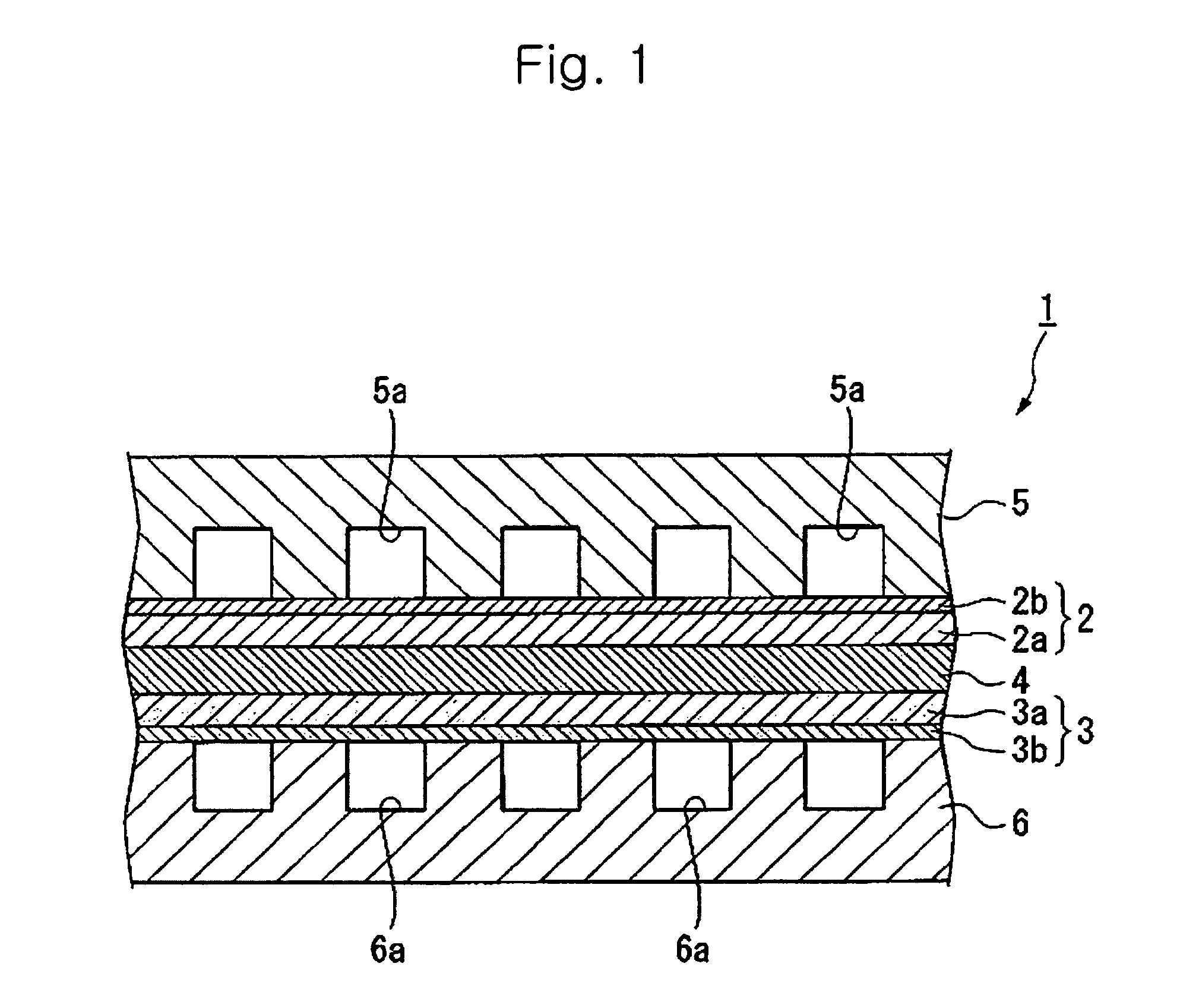
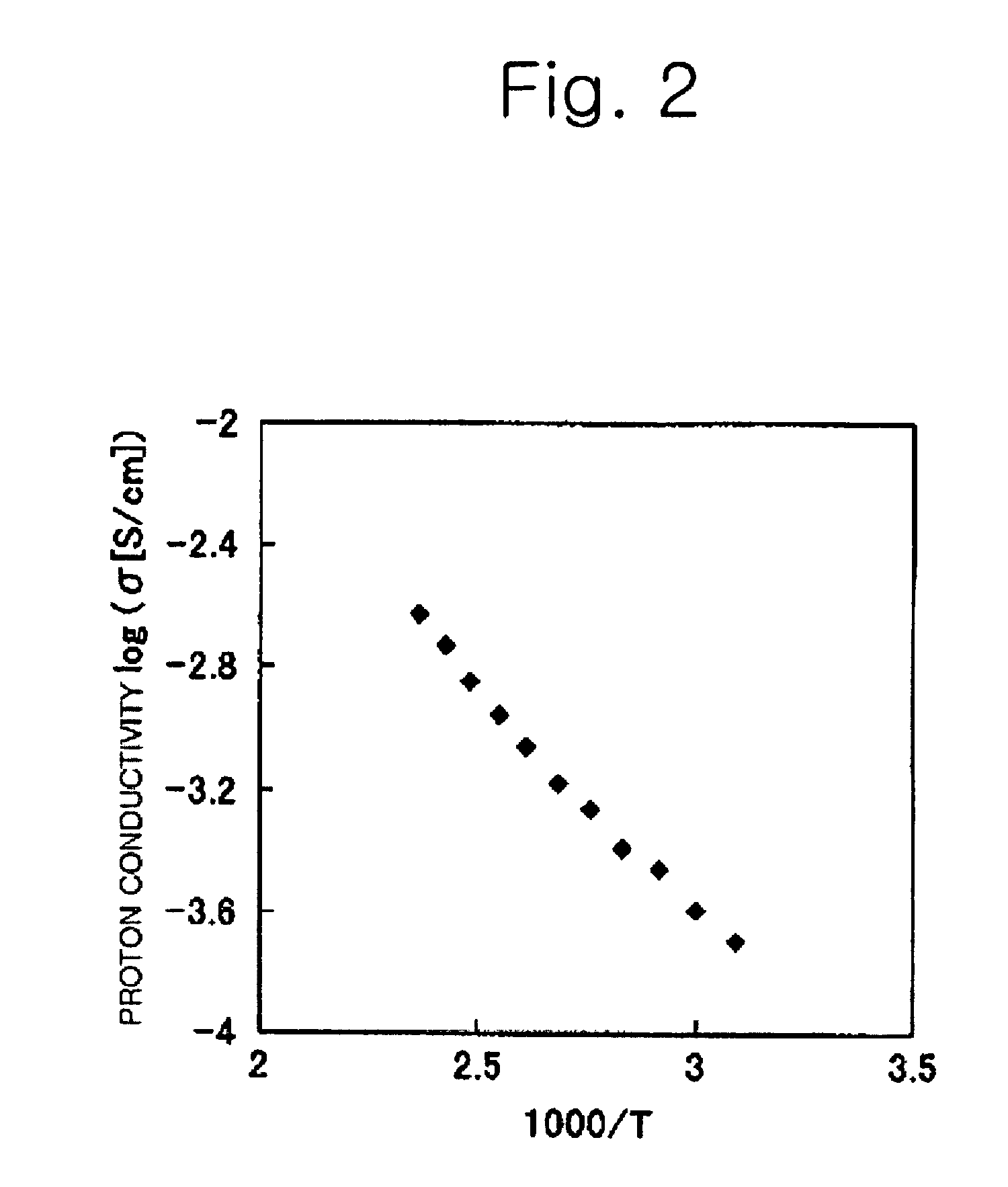
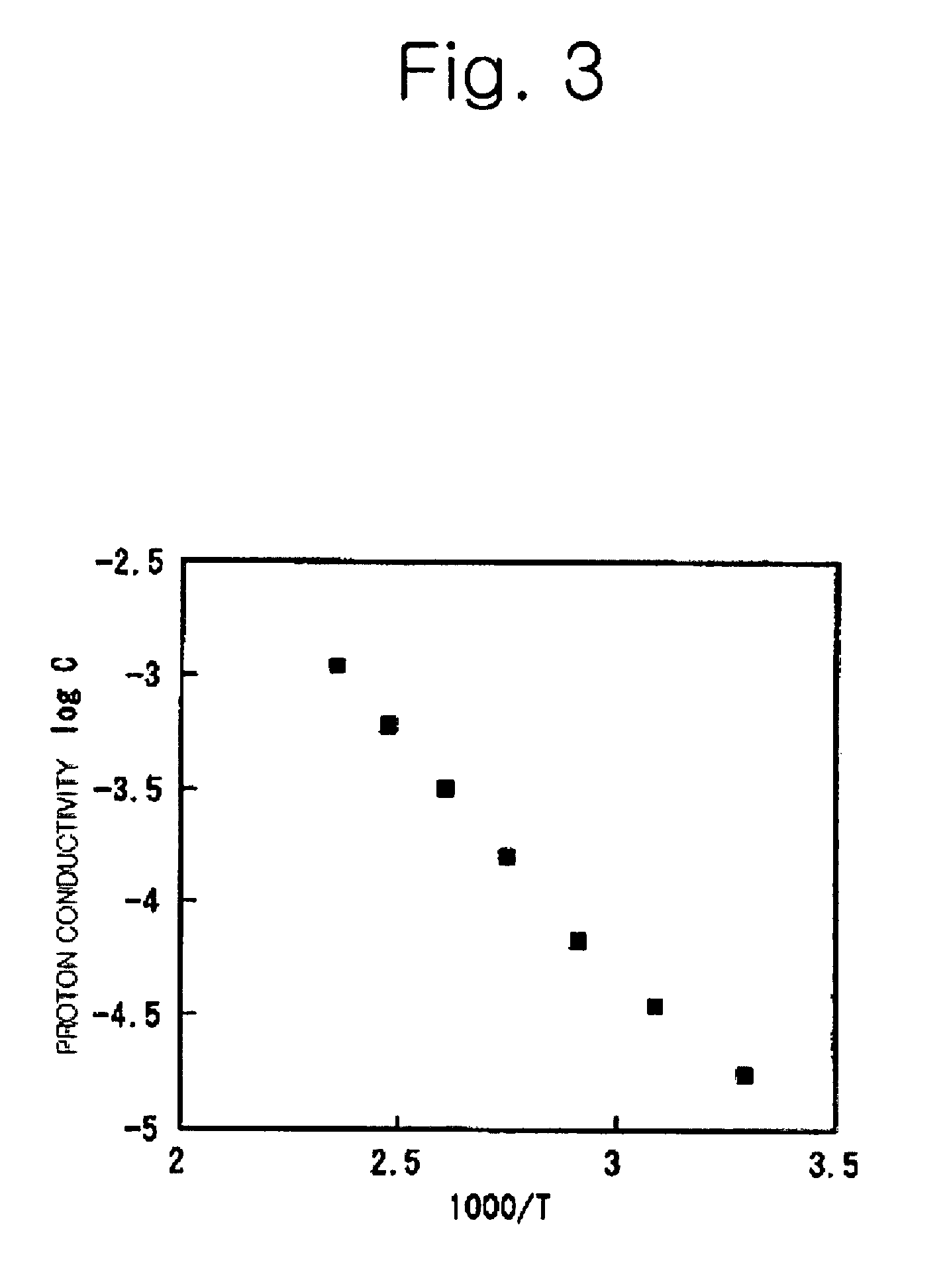
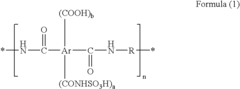
- Development of proton conductive electrolytes using polyamidic acid derivatives with sulfamic acid groups and polyvinyl sulfamic acid copolymers, which maintain flexibility and enhance proton conductivity, allowing for the creation of stable and efficient fuel cell membranes.
Fusion protein or conjugated protein, intracellular delivery carrier, partial peptide, cell membrane permeation enhancer, DNA, and vector
PatentActiveUS11535654B2
Innovation
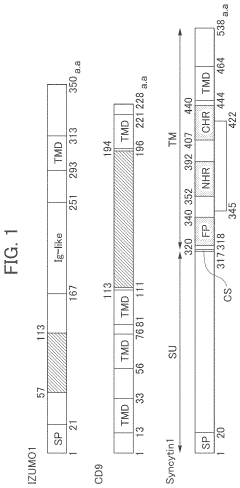
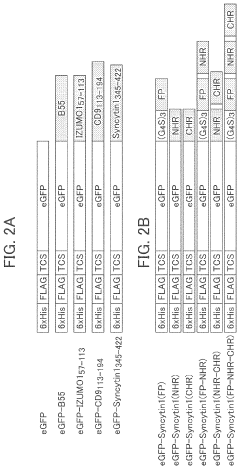
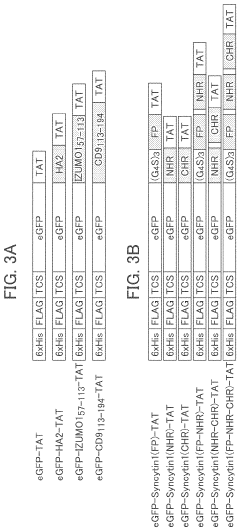
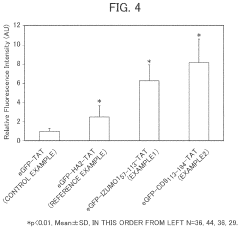
- Development of fusion proteins or conjugated proteins incorporating partial peptides from human-derived membrane fusion-related proteins such as IZUMO 1, CD9, or Syncytin 1, which exhibit excellent endosomal escape ability and cell membrane permeability, along with DNA encoding these peptides and vectors for their incorporation.
Safety and Toxicological Considerations
The safety and toxicological considerations of sulphanilic acid's influence on cell membrane fluidity are crucial aspects that require thorough examination. Sulphanilic acid, a widely used industrial chemical, has been found to interact with cellular membranes, potentially altering their fluidity and function. This interaction raises important questions about the compound's safety profile and potential toxicological effects.
Acute toxicity studies have shown that sulphanilic acid exhibits low to moderate toxicity when ingested orally or applied dermally. However, its ability to influence membrane fluidity suggests that chronic exposure may lead to more subtle, long-term effects on cellular function. The alteration of membrane fluidity can impact various cellular processes, including signal transduction, nutrient transport, and cell-cell communication, which may have far-reaching consequences for overall organism health.
In vitro studies have demonstrated that sulphanilic acid can intercalate into lipid bilayers, causing changes in membrane organization and dynamics. These alterations may lead to increased membrane permeability, potentially allowing the entry of harmful substances into cells or the leakage of essential cellular components. Furthermore, the disruption of membrane fluidity could affect the function of membrane-bound proteins, including ion channels and receptors, potentially disrupting cellular homeostasis.
Toxicological assessments have also focused on the potential genotoxic and carcinogenic effects of sulphanilic acid. While some studies have shown no significant mutagenic activity, others have suggested that the compound may have weak genotoxic potential under certain conditions. The conflicting results highlight the need for more comprehensive, long-term studies to fully elucidate the compound's safety profile.
Environmental toxicity is another critical consideration, given the industrial use of sulphanilic acid. Aquatic toxicity studies have shown that the compound can be harmful to certain aquatic organisms, particularly at higher concentrations. The potential bioaccumulation and biomagnification of sulphanilic acid in aquatic food chains warrant further investigation to assess its long-term ecological impact.
Occupational exposure to sulphanilic acid presents additional safety concerns. Inhalation of sulphanilic acid dust or vapors can cause respiratory irritation, and prolonged skin contact may lead to dermatitis. Proper handling procedures and personal protective equipment are essential to minimize these risks in industrial settings.
In conclusion, while sulphanilic acid's influence on cell membrane fluidity presents intriguing research opportunities, it also underscores the importance of comprehensive safety and toxicological evaluations. Future studies should focus on elucidating the long-term effects of chronic exposure, potential interactions with other chemicals, and the development of safer alternatives or mitigation strategies to ensure the continued safe use of this compound in various applications.
Acute toxicity studies have shown that sulphanilic acid exhibits low to moderate toxicity when ingested orally or applied dermally. However, its ability to influence membrane fluidity suggests that chronic exposure may lead to more subtle, long-term effects on cellular function. The alteration of membrane fluidity can impact various cellular processes, including signal transduction, nutrient transport, and cell-cell communication, which may have far-reaching consequences for overall organism health.
In vitro studies have demonstrated that sulphanilic acid can intercalate into lipid bilayers, causing changes in membrane organization and dynamics. These alterations may lead to increased membrane permeability, potentially allowing the entry of harmful substances into cells or the leakage of essential cellular components. Furthermore, the disruption of membrane fluidity could affect the function of membrane-bound proteins, including ion channels and receptors, potentially disrupting cellular homeostasis.
Toxicological assessments have also focused on the potential genotoxic and carcinogenic effects of sulphanilic acid. While some studies have shown no significant mutagenic activity, others have suggested that the compound may have weak genotoxic potential under certain conditions. The conflicting results highlight the need for more comprehensive, long-term studies to fully elucidate the compound's safety profile.
Environmental toxicity is another critical consideration, given the industrial use of sulphanilic acid. Aquatic toxicity studies have shown that the compound can be harmful to certain aquatic organisms, particularly at higher concentrations. The potential bioaccumulation and biomagnification of sulphanilic acid in aquatic food chains warrant further investigation to assess its long-term ecological impact.
Occupational exposure to sulphanilic acid presents additional safety concerns. Inhalation of sulphanilic acid dust or vapors can cause respiratory irritation, and prolonged skin contact may lead to dermatitis. Proper handling procedures and personal protective equipment are essential to minimize these risks in industrial settings.
In conclusion, while sulphanilic acid's influence on cell membrane fluidity presents intriguing research opportunities, it also underscores the importance of comprehensive safety and toxicological evaluations. Future studies should focus on elucidating the long-term effects of chronic exposure, potential interactions with other chemicals, and the development of safer alternatives or mitigation strategies to ensure the continued safe use of this compound in various applications.
Potential Therapeutic Applications
The potential therapeutic applications of sulphanilic acid's influence on cell membrane fluidity are diverse and promising. This compound's ability to modulate membrane fluidity opens up new avenues for drug development and treatment strategies across various medical fields.
In the realm of cancer therapy, sulphanilic acid's membrane-altering properties could enhance the efficacy of existing chemotherapeutic agents. By increasing membrane fluidity, it may facilitate better drug penetration into cancer cells, potentially lowering the required dosage and reducing side effects. This approach could be particularly beneficial in addressing drug resistance issues in certain types of cancer.
Neurodegenerative disorders, such as Alzheimer's and Parkinson's diseases, are another area where sulphanilic acid's effects on membrane fluidity could prove valuable. These conditions are often associated with alterations in neuronal membrane composition and fluidity. Modulating membrane properties with sulphanilic acid might help restore normal cellular function and slow disease progression.
In the field of infectious diseases, sulphanilic acid's influence on cell membranes could be exploited to develop novel antimicrobial strategies. By altering the fluidity of bacterial cell membranes, it may increase their susceptibility to antibiotics or enhance the natural defense mechanisms of host cells against pathogens.
Cardiovascular medicine is another potential area of application. Sulphanilic acid's effects on membrane fluidity could be utilized to improve the function of vascular endothelial cells, potentially aiding in the treatment of conditions such as atherosclerosis or hypertension. It might also play a role in enhancing the delivery of cardioprotective agents to heart tissue.
In the context of metabolic disorders, sulphanilic acid's membrane-modulating properties could be explored to improve insulin sensitivity in diabetes treatment. By altering the fluidity of cell membranes in insulin-responsive tissues, it may enhance the efficacy of insulin signaling and glucose uptake.
Lastly, the compound's effects on membrane fluidity could have applications in regenerative medicine. It might be used to optimize the properties of stem cells or enhance their differentiation potential, potentially improving outcomes in tissue engineering and cell-based therapies.
As research in this area progresses, it is likely that additional therapeutic applications will emerge, further expanding the potential impact of sulphanilic acid's influence on cell membrane fluidity in medical treatments.
In the realm of cancer therapy, sulphanilic acid's membrane-altering properties could enhance the efficacy of existing chemotherapeutic agents. By increasing membrane fluidity, it may facilitate better drug penetration into cancer cells, potentially lowering the required dosage and reducing side effects. This approach could be particularly beneficial in addressing drug resistance issues in certain types of cancer.
Neurodegenerative disorders, such as Alzheimer's and Parkinson's diseases, are another area where sulphanilic acid's effects on membrane fluidity could prove valuable. These conditions are often associated with alterations in neuronal membrane composition and fluidity. Modulating membrane properties with sulphanilic acid might help restore normal cellular function and slow disease progression.
In the field of infectious diseases, sulphanilic acid's influence on cell membranes could be exploited to develop novel antimicrobial strategies. By altering the fluidity of bacterial cell membranes, it may increase their susceptibility to antibiotics or enhance the natural defense mechanisms of host cells against pathogens.
Cardiovascular medicine is another potential area of application. Sulphanilic acid's effects on membrane fluidity could be utilized to improve the function of vascular endothelial cells, potentially aiding in the treatment of conditions such as atherosclerosis or hypertension. It might also play a role in enhancing the delivery of cardioprotective agents to heart tissue.
In the context of metabolic disorders, sulphanilic acid's membrane-modulating properties could be explored to improve insulin sensitivity in diabetes treatment. By altering the fluidity of cell membranes in insulin-responsive tissues, it may enhance the efficacy of insulin signaling and glucose uptake.
Lastly, the compound's effects on membrane fluidity could have applications in regenerative medicine. It might be used to optimize the properties of stem cells or enhance their differentiation potential, potentially improving outcomes in tissue engineering and cell-based therapies.
As research in this area progresses, it is likely that additional therapeutic applications will emerge, further expanding the potential impact of sulphanilic acid's influence on cell membrane fluidity in medical treatments.
Unlock deeper insights with Patsnap Eureka Quick Research — get a full tech report to explore trends and direct your research. Try now!
Generate Your Research Report Instantly with AI Agent
Supercharge your innovation with Patsnap Eureka AI Agent Platform!