Trends in Utilization of Carboxylic Acid for Greener Products
JUL 31, 20259 MIN READ
Generate Your Research Report Instantly with AI Agent
Patsnap Eureka helps you evaluate technical feasibility & market potential.
Carboxylic Acid Green Chemistry Background
Carboxylic acids have emerged as key players in the field of green chemistry, offering a sustainable alternative to traditional chemical processes. The utilization of these organic compounds in the production of environmentally friendly products has gained significant traction in recent years, driven by the growing demand for sustainable solutions across various industries.
The concept of green chemistry, introduced in the 1990s, emphasizes the design of chemical products and processes that reduce or eliminate the use and generation of hazardous substances. Carboxylic acids, with their versatile chemical properties and biodegradability, align perfectly with these principles. These compounds are naturally occurring in many plants and animals, making them readily available and renewable resources.
The shift towards carboxylic acid-based green chemistry is rooted in several factors. Firstly, the increasing environmental concerns and stricter regulations have pushed industries to seek more sustainable alternatives. Carboxylic acids offer a promising solution, as they can be derived from renewable feedstocks and possess lower toxicity compared to many conventional chemicals.
Furthermore, advancements in biotechnology and bioengineering have facilitated the efficient production of carboxylic acids through fermentation processes. This has opened up new avenues for large-scale, eco-friendly manufacturing of these compounds, reducing reliance on petrochemical-based production methods.
The application of carboxylic acids in green chemistry spans a wide range of industries. In the polymer industry, they serve as building blocks for biodegradable plastics, offering a sustainable alternative to traditional petroleum-based polymers. The pharmaceutical sector has also embraced carboxylic acids for the synthesis of drugs and active pharmaceutical ingredients, leveraging their lower environmental impact and improved safety profiles.
In the field of agriculture, carboxylic acids are being utilized in the development of eco-friendly pesticides and herbicides. These compounds provide effective pest control while minimizing harm to beneficial organisms and reducing environmental persistence.
The trend towards carboxylic acid utilization in green chemistry is further supported by ongoing research and development efforts. Scientists are continually exploring new applications and improving production methods to enhance the efficiency and sustainability of carboxylic acid-based processes.
As industries strive to reduce their carbon footprint and embrace circular economy principles, the role of carboxylic acids in green chemistry is expected to expand further. This shift not only addresses environmental concerns but also offers economic benefits through improved resource efficiency and reduced waste generation.
The concept of green chemistry, introduced in the 1990s, emphasizes the design of chemical products and processes that reduce or eliminate the use and generation of hazardous substances. Carboxylic acids, with their versatile chemical properties and biodegradability, align perfectly with these principles. These compounds are naturally occurring in many plants and animals, making them readily available and renewable resources.
The shift towards carboxylic acid-based green chemistry is rooted in several factors. Firstly, the increasing environmental concerns and stricter regulations have pushed industries to seek more sustainable alternatives. Carboxylic acids offer a promising solution, as they can be derived from renewable feedstocks and possess lower toxicity compared to many conventional chemicals.
Furthermore, advancements in biotechnology and bioengineering have facilitated the efficient production of carboxylic acids through fermentation processes. This has opened up new avenues for large-scale, eco-friendly manufacturing of these compounds, reducing reliance on petrochemical-based production methods.
The application of carboxylic acids in green chemistry spans a wide range of industries. In the polymer industry, they serve as building blocks for biodegradable plastics, offering a sustainable alternative to traditional petroleum-based polymers. The pharmaceutical sector has also embraced carboxylic acids for the synthesis of drugs and active pharmaceutical ingredients, leveraging their lower environmental impact and improved safety profiles.
In the field of agriculture, carboxylic acids are being utilized in the development of eco-friendly pesticides and herbicides. These compounds provide effective pest control while minimizing harm to beneficial organisms and reducing environmental persistence.
The trend towards carboxylic acid utilization in green chemistry is further supported by ongoing research and development efforts. Scientists are continually exploring new applications and improving production methods to enhance the efficiency and sustainability of carboxylic acid-based processes.
As industries strive to reduce their carbon footprint and embrace circular economy principles, the role of carboxylic acids in green chemistry is expected to expand further. This shift not only addresses environmental concerns but also offers economic benefits through improved resource efficiency and reduced waste generation.
Market Demand for Eco-friendly Products
The market demand for eco-friendly products has been steadily increasing in recent years, driven by growing environmental awareness and stricter regulations. This trend has significantly impacted the utilization of carboxylic acids in various industries, as these compounds play a crucial role in the development of greener alternatives to traditional products.
Consumer preferences have shifted towards sustainable and environmentally friendly options, leading to a surge in demand for bio-based and biodegradable products. This shift has created new opportunities for carboxylic acids, particularly those derived from renewable sources. Industries such as packaging, textiles, and personal care have seen a notable increase in the adoption of carboxylic acid-based solutions to meet consumer expectations for greener products.
In the packaging sector, there is a growing demand for biodegradable plastics and coatings made from carboxylic acids. These materials offer improved environmental performance compared to conventional petroleum-based plastics, addressing concerns about plastic pollution and waste management. The textile industry has also embraced carboxylic acid-based finishes and treatments that provide eco-friendly alternatives to traditional chemical processes, reducing the environmental impact of textile production.
The personal care and cosmetics industry has witnessed a significant shift towards natural and sustainable ingredients. Carboxylic acids derived from plant sources are increasingly being used in formulations for skincare, haircare, and other personal care products. This trend aligns with consumer preferences for clean beauty and environmentally responsible products.
Furthermore, the automotive and construction industries are exploring carboxylic acid-based materials for developing lightweight, durable, and recyclable components. These applications contribute to improved fuel efficiency and reduced carbon footprint in transportation and building sectors.
The agricultural sector has also seen an uptick in demand for carboxylic acid-based products, particularly in the development of eco-friendly pesticides and fertilizers. These solutions offer more sustainable alternatives to conventional agrochemicals, addressing concerns about soil health and environmental contamination.
Market research indicates that the global green chemicals market, which includes carboxylic acid-based products, is projected to experience substantial growth in the coming years. This growth is driven by increasing environmental regulations, corporate sustainability initiatives, and consumer demand for eco-friendly alternatives across various product categories.
As industries continue to prioritize sustainability and circular economy principles, the demand for carboxylic acid-based green products is expected to further accelerate. This trend presents significant opportunities for innovation and market expansion in the development of novel, environmentally friendly solutions across multiple sectors.
Consumer preferences have shifted towards sustainable and environmentally friendly options, leading to a surge in demand for bio-based and biodegradable products. This shift has created new opportunities for carboxylic acids, particularly those derived from renewable sources. Industries such as packaging, textiles, and personal care have seen a notable increase in the adoption of carboxylic acid-based solutions to meet consumer expectations for greener products.
In the packaging sector, there is a growing demand for biodegradable plastics and coatings made from carboxylic acids. These materials offer improved environmental performance compared to conventional petroleum-based plastics, addressing concerns about plastic pollution and waste management. The textile industry has also embraced carboxylic acid-based finishes and treatments that provide eco-friendly alternatives to traditional chemical processes, reducing the environmental impact of textile production.
The personal care and cosmetics industry has witnessed a significant shift towards natural and sustainable ingredients. Carboxylic acids derived from plant sources are increasingly being used in formulations for skincare, haircare, and other personal care products. This trend aligns with consumer preferences for clean beauty and environmentally responsible products.
Furthermore, the automotive and construction industries are exploring carboxylic acid-based materials for developing lightweight, durable, and recyclable components. These applications contribute to improved fuel efficiency and reduced carbon footprint in transportation and building sectors.
The agricultural sector has also seen an uptick in demand for carboxylic acid-based products, particularly in the development of eco-friendly pesticides and fertilizers. These solutions offer more sustainable alternatives to conventional agrochemicals, addressing concerns about soil health and environmental contamination.
Market research indicates that the global green chemicals market, which includes carboxylic acid-based products, is projected to experience substantial growth in the coming years. This growth is driven by increasing environmental regulations, corporate sustainability initiatives, and consumer demand for eco-friendly alternatives across various product categories.
As industries continue to prioritize sustainability and circular economy principles, the demand for carboxylic acid-based green products is expected to further accelerate. This trend presents significant opportunities for innovation and market expansion in the development of novel, environmentally friendly solutions across multiple sectors.
Current State of Carboxylic Acid Utilization
Carboxylic acids have emerged as versatile building blocks in the development of greener products across various industries. The current state of carboxylic acid utilization reflects a growing trend towards sustainable and environmentally friendly solutions. In recent years, there has been a significant increase in research and development efforts focused on harnessing the potential of carboxylic acids for eco-friendly applications.
One of the primary areas of utilization is in the production of biodegradable polymers. Carboxylic acids, particularly those derived from renewable resources, are being increasingly used as monomers in the synthesis of polyesters and other biodegradable materials. These polymers offer a sustainable alternative to traditional petroleum-based plastics, addressing the global concern of plastic pollution.
The pharmaceutical industry has also witnessed a surge in the use of carboxylic acids for the development of green drug delivery systems. Carboxylic acid-based prodrugs and conjugates have shown promise in improving drug solubility, stability, and targeted delivery, while minimizing environmental impact. This approach aligns with the growing demand for more sustainable healthcare solutions.
In the field of agriculture, carboxylic acids are being explored as eco-friendly pesticides and plant growth regulators. These compounds offer a safer alternative to conventional agrochemicals, reducing the environmental footprint of agricultural practices. The use of naturally occurring carboxylic acids in crop protection has gained traction due to their biodegradability and lower toxicity profiles.
The cosmetics and personal care industry has embraced carboxylic acids in the formulation of green beauty products. From alpha-hydroxy acids (AHAs) in skincare to natural preservatives in haircare, carboxylic acids are playing a crucial role in meeting consumer demand for clean and sustainable beauty solutions.
In the realm of green solvents, carboxylic acids and their derivatives are being investigated as alternatives to traditional organic solvents. These bio-based solvents offer improved environmental profiles and are finding applications in various industrial processes, including extraction, cleaning, and synthesis.
The current state of carboxylic acid utilization also extends to the development of sustainable lubricants and surfactants. Carboxylic acid-based formulations are being explored for their biodegradability and renewable sourcing, addressing the need for greener alternatives in industrial and consumer products.
While significant progress has been made, challenges remain in scaling up production, optimizing performance, and reducing costs associated with carboxylic acid-based green products. Ongoing research efforts are focused on overcoming these hurdles to further expand the utilization of carboxylic acids across diverse sectors.
One of the primary areas of utilization is in the production of biodegradable polymers. Carboxylic acids, particularly those derived from renewable resources, are being increasingly used as monomers in the synthesis of polyesters and other biodegradable materials. These polymers offer a sustainable alternative to traditional petroleum-based plastics, addressing the global concern of plastic pollution.
The pharmaceutical industry has also witnessed a surge in the use of carboxylic acids for the development of green drug delivery systems. Carboxylic acid-based prodrugs and conjugates have shown promise in improving drug solubility, stability, and targeted delivery, while minimizing environmental impact. This approach aligns with the growing demand for more sustainable healthcare solutions.
In the field of agriculture, carboxylic acids are being explored as eco-friendly pesticides and plant growth regulators. These compounds offer a safer alternative to conventional agrochemicals, reducing the environmental footprint of agricultural practices. The use of naturally occurring carboxylic acids in crop protection has gained traction due to their biodegradability and lower toxicity profiles.
The cosmetics and personal care industry has embraced carboxylic acids in the formulation of green beauty products. From alpha-hydroxy acids (AHAs) in skincare to natural preservatives in haircare, carboxylic acids are playing a crucial role in meeting consumer demand for clean and sustainable beauty solutions.
In the realm of green solvents, carboxylic acids and their derivatives are being investigated as alternatives to traditional organic solvents. These bio-based solvents offer improved environmental profiles and are finding applications in various industrial processes, including extraction, cleaning, and synthesis.
The current state of carboxylic acid utilization also extends to the development of sustainable lubricants and surfactants. Carboxylic acid-based formulations are being explored for their biodegradability and renewable sourcing, addressing the need for greener alternatives in industrial and consumer products.
While significant progress has been made, challenges remain in scaling up production, optimizing performance, and reducing costs associated with carboxylic acid-based green products. Ongoing research efforts are focused on overcoming these hurdles to further expand the utilization of carboxylic acids across diverse sectors.
Existing Green Applications of Carboxylic Acid
01 Synthesis of carboxylic acids
Various methods for synthesizing carboxylic acids are described, including oxidation of primary alcohols or aldehydes, hydrolysis of nitriles, and carbonylation reactions. These processes often involve catalysts and specific reaction conditions to achieve high yields and selectivity.- Synthesis of carboxylic acids: Various methods for synthesizing carboxylic acids are described, including oxidation of primary alcohols or aldehydes, hydrolysis of nitriles, and carbonylation reactions. These processes often involve catalysts and specific reaction conditions to achieve high yields and selectivity.
- Derivatives and functionalization of carboxylic acids: Carboxylic acids can be converted into various derivatives such as esters, amides, and anhydrides. Additionally, functionalization of carboxylic acids through reactions like halogenation, reduction, or addition of substituents is discussed, expanding their utility in organic synthesis and industrial applications.
- Industrial applications of carboxylic acids: Carboxylic acids find widespread use in various industries, including pharmaceuticals, polymers, and food additives. They serve as key intermediates in the production of plastics, resins, and other materials. Specific applications in drug synthesis, flavor compounds, and biodegradable polymers are highlighted.
- Purification and separation techniques: Methods for purifying and separating carboxylic acids from reaction mixtures or natural sources are described. These include crystallization, distillation, extraction, and chromatographic techniques. Emphasis is placed on achieving high purity levels for industrial and research applications.
- Environmental and green chemistry aspects: Environmentally friendly approaches to carboxylic acid production and utilization are discussed. This includes the use of renewable feedstocks, catalytic processes with reduced waste, and the development of biodegradable carboxylic acid-based materials. The focus is on sustainable practices in line with green chemistry principles.
02 Derivatives and applications of carboxylic acids
Carboxylic acids serve as precursors for various derivatives such as esters, amides, and anhydrides. These compounds find applications in pharmaceuticals, polymers, and industrial chemicals. The synthesis and properties of these derivatives are explored in several patents.Expand Specific Solutions03 Purification and separation techniques
Methods for purifying and separating carboxylic acids from reaction mixtures or natural sources are described. These techniques include crystallization, distillation, extraction, and chromatography, aimed at obtaining high-purity carboxylic acids for various applications.Expand Specific Solutions04 Carboxylic acids in polymer chemistry
Carboxylic acids play a crucial role in polymer chemistry, serving as monomers or modifiers for various polymeric materials. Patents describe the use of carboxylic acids in the synthesis of polyesters, polyamides, and other functional polymers with specific properties.Expand Specific Solutions05 Environmental and green chemistry applications
Recent patents focus on the use of carboxylic acids in environmental and green chemistry applications. This includes biodegradable materials, sustainable synthesis methods, and the use of renewable resources for carboxylic acid production.Expand Specific Solutions
Key Players in Green Chemical Industry
The utilization of carboxylic acid for greener products is gaining momentum in various industries, reflecting a growing trend towards sustainable and eco-friendly solutions. The market is in a transitional phase, with increasing demand driven by environmental concerns and regulatory pressures. Key players like Ecolab USA, DSM IP Assets BV, and Archer-Daniels-Midland Co. are investing heavily in research and development to enhance the application of carboxylic acid in green products. The technology is maturing rapidly, with companies such as LANXESS Deutschland GmbH and DuPont de Nemours, Inc. leading innovations in this field. However, the market is still fragmented, with numerous smaller players like Shenzhen Uv-Chemtech Co. Ltd. and Shandong Taihe Technologies Co., Ltd. contributing to the competitive landscape.
Ecolab USA, Inc.
Technical Solution: Ecolab has developed innovative solutions utilizing carboxylic acids for greener products in industrial and institutional cleaning. Their approach focuses on bio-based carboxylic acids derived from renewable resources, such as citric acid and lactic acid, to replace traditional petroleum-based chemicals[1]. They have formulated high-performance cleaning products that incorporate these green carboxylic acids, achieving effective soil removal while reducing environmental impact. Ecolab's technology also includes optimized blends of different carboxylic acids to enhance cleaning efficacy and broaden the pH range of application[2]. Additionally, they have developed encapsulation techniques to improve the stability and controlled release of carboxylic acids in cleaning formulations, extending product shelf life and effectiveness[3].
Strengths: Extensive experience in industrial cleaning, strong R&D capabilities, and a wide customer base. Weaknesses: Higher costs associated with bio-based raw materials and potential limitations in certain heavy-duty cleaning applications.
DSM IP Assets BV
Technical Solution: DSM has pioneered the development of bio-based succinic acid through fermentation processes, offering a sustainable alternative to petroleum-derived succinic acid[4]. Their technology utilizes renewable feedstocks and proprietary microorganisms to produce high-purity succinic acid with a significantly reduced carbon footprint. DSM's bio-succinic acid serves as a versatile building block for various green products, including biodegradable plastics, polyurethanes, and personal care ingredients[5]. The company has also developed downstream applications, such as bio-based 1,4-butanediol (BDO) derived from succinic acid, further expanding the potential for greener product formulations[6]. DSM's continuous improvement in fermentation efficiency and product recovery has led to cost-competitive production of bio-based succinic acid at commercial scale.
Strengths: Strong biotechnology expertise, established production capabilities, and a broad portfolio of applications. Weaknesses: Dependency on agricultural feedstocks and potential competition from other bio-based platforms.
Innovative Carboxylic Acid Synthesis Methods
Recombinant polypeptide having carboxylic acid reducing activity
PatentInactiveEP4317437A1
Innovation
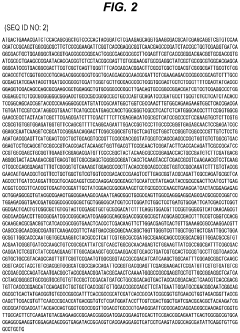
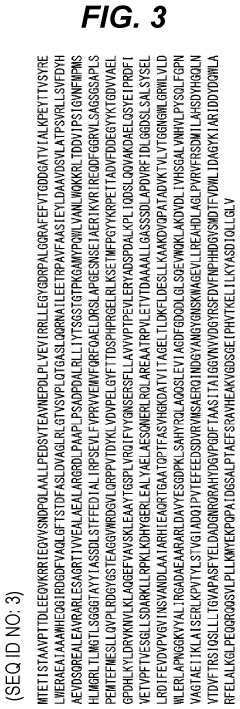
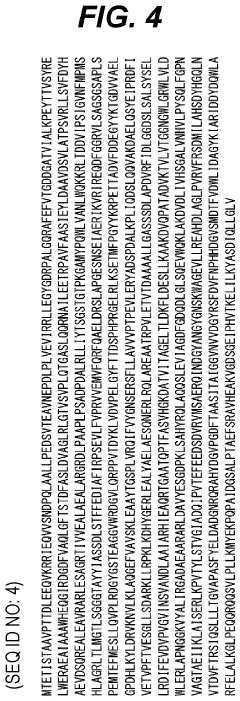
- A recombinant polypeptide with improved carboxylic acid reducing activity is developed by introducing specific mutations at substrate-binding sites, specifically at positions 283, 284, 298, 303, 306, 335, and 512, allowing for enhanced enzyme activity and thermal stability, derived from a polypeptide sequence with 60% or higher sequence identity to a wild-type carboxylic acid reductase from Mycobacterium abscessus.

Systems and methods for generating a carboxylic acid from a co2 gas stream
PatentWO2022101287A1
Innovation
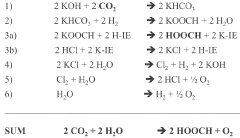
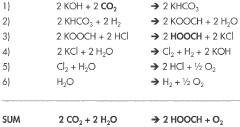
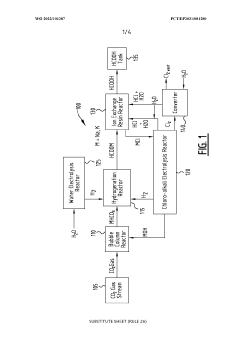
- A system and method that convert CO2 into formic acid (HCOOH) and its precursors by reacting CO2 with a base to form bicarbonate, followed by hydrogenation in the presence of a catalyst, and electrolyzing a metal halide solution to produce the necessary reactants, allowing for the scalable production of formic acid with minimized waste.

Environmental Impact Assessment
The utilization of carboxylic acids in the production of greener products has significant environmental implications that warrant careful assessment. These organic compounds, characterized by their -COOH functional group, are increasingly being employed as alternatives to more harmful chemicals in various industrial processes and consumer goods.
One of the primary environmental benefits of carboxylic acid-based products is their reduced toxicity compared to traditional petrochemical-derived substances. Many carboxylic acids are naturally occurring and biodegradable, leading to lower environmental persistence and reduced bioaccumulation in ecosystems. This characteristic is particularly important in the context of water pollution, as carboxylic acids tend to break down more readily in aquatic environments, minimizing long-term ecological impacts.
The production of carboxylic acids often involves more sustainable methods compared to conventional chemical synthesis. For instance, fermentation processes using renewable biomass feedstocks can yield various carboxylic acids, reducing reliance on fossil fuel-based raw materials. This shift towards bio-based production not only decreases the carbon footprint associated with manufacturing but also promotes the circular economy by utilizing agricultural and industrial waste streams as feedstocks.
In terms of air quality, the use of carboxylic acids in place of volatile organic compounds (VOCs) in products such as paints, coatings, and cleaning agents can lead to significant reductions in harmful emissions. Many carboxylic acids have lower vapor pressures, resulting in decreased atmospheric release during application and use. This transition contributes to improved indoor air quality and helps mitigate the formation of ground-level ozone and smog in urban areas.
However, the environmental impact assessment must also consider potential drawbacks. The increased production of carboxylic acids may lead to higher energy consumption and water usage in manufacturing processes. Additionally, while generally less toxic, some carboxylic acids can still pose risks to aquatic life if released in high concentrations. Proper waste management and treatment protocols are essential to mitigate these concerns.
Life cycle assessments (LCAs) of carboxylic acid-based products have shown promising results in terms of reduced global warming potential and ecotoxicity compared to their conventional counterparts. However, these benefits can vary significantly depending on the specific application and production method. Comprehensive cradle-to-grave analyses are necessary to fully understand the environmental trade-offs and ensure that the shift towards carboxylic acid-based solutions genuinely results in net positive environmental outcomes.
As the trend towards greener products continues, ongoing research and development efforts are focused on optimizing the environmental performance of carboxylic acid applications. This includes exploring novel synthesis routes, improving production efficiencies, and developing more effective end-of-life management strategies. By addressing these aspects, the utilization of carboxylic acids has the potential to play a crucial role in the transition towards more sustainable and environmentally friendly industrial practices and consumer products.
One of the primary environmental benefits of carboxylic acid-based products is their reduced toxicity compared to traditional petrochemical-derived substances. Many carboxylic acids are naturally occurring and biodegradable, leading to lower environmental persistence and reduced bioaccumulation in ecosystems. This characteristic is particularly important in the context of water pollution, as carboxylic acids tend to break down more readily in aquatic environments, minimizing long-term ecological impacts.
The production of carboxylic acids often involves more sustainable methods compared to conventional chemical synthesis. For instance, fermentation processes using renewable biomass feedstocks can yield various carboxylic acids, reducing reliance on fossil fuel-based raw materials. This shift towards bio-based production not only decreases the carbon footprint associated with manufacturing but also promotes the circular economy by utilizing agricultural and industrial waste streams as feedstocks.
In terms of air quality, the use of carboxylic acids in place of volatile organic compounds (VOCs) in products such as paints, coatings, and cleaning agents can lead to significant reductions in harmful emissions. Many carboxylic acids have lower vapor pressures, resulting in decreased atmospheric release during application and use. This transition contributes to improved indoor air quality and helps mitigate the formation of ground-level ozone and smog in urban areas.
However, the environmental impact assessment must also consider potential drawbacks. The increased production of carboxylic acids may lead to higher energy consumption and water usage in manufacturing processes. Additionally, while generally less toxic, some carboxylic acids can still pose risks to aquatic life if released in high concentrations. Proper waste management and treatment protocols are essential to mitigate these concerns.
Life cycle assessments (LCAs) of carboxylic acid-based products have shown promising results in terms of reduced global warming potential and ecotoxicity compared to their conventional counterparts. However, these benefits can vary significantly depending on the specific application and production method. Comprehensive cradle-to-grave analyses are necessary to fully understand the environmental trade-offs and ensure that the shift towards carboxylic acid-based solutions genuinely results in net positive environmental outcomes.
As the trend towards greener products continues, ongoing research and development efforts are focused on optimizing the environmental performance of carboxylic acid applications. This includes exploring novel synthesis routes, improving production efficiencies, and developing more effective end-of-life management strategies. By addressing these aspects, the utilization of carboxylic acids has the potential to play a crucial role in the transition towards more sustainable and environmentally friendly industrial practices and consumer products.
Regulatory Framework for Green Chemicals
The regulatory framework for green chemicals plays a crucial role in shaping the trends and utilization of carboxylic acids for greener products. Governments and international organizations have implemented various policies and regulations to promote the development and use of environmentally friendly chemicals, including carboxylic acids.
In the United States, the Environmental Protection Agency (EPA) has established the Green Chemistry Program, which encourages the design of chemical products and processes that reduce or eliminate the use and generation of hazardous substances. This program has significantly influenced the research and development of carboxylic acid-based green products, as these compounds are often considered more environmentally benign compared to their petrochemical counterparts.
The European Union has implemented the REACH (Registration, Evaluation, Authorization, and Restriction of Chemicals) regulation, which aims to improve the protection of human health and the environment from the risks posed by chemicals. This regulation has led to increased scrutiny of chemical substances, including carboxylic acids, and has encouraged the development of safer alternatives.
Many countries have also introduced eco-labeling schemes and certification programs to promote green products. These initiatives often include criteria related to the use of renewable resources and biodegradable materials, which has further driven the demand for carboxylic acid-based products derived from natural sources.
The Paris Agreement on climate change has indirectly influenced the regulatory landscape for green chemicals. As countries strive to reduce their carbon footprint, there is a growing emphasis on bio-based and renewable chemicals, including carboxylic acids derived from sustainable sources.
In addition to governmental regulations, industry-led initiatives have also contributed to the regulatory framework for green chemicals. For instance, the American Chemical Society's Green Chemistry Institute has developed the 12 Principles of Green Chemistry, which serve as guidelines for the design and development of more sustainable chemical products and processes.
The regulatory landscape continues to evolve, with an increasing focus on circular economy principles and life cycle assessments. This shift is likely to further promote the use of carboxylic acids in greener products, as these compounds often align well with circular economy goals due to their potential for biodegradability and renewability.
As the regulatory framework for green chemicals becomes more comprehensive and stringent, it is expected to drive further innovation in the field of carboxylic acid utilization for greener products. This will likely lead to the development of new technologies, processes, and applications that leverage the environmental benefits of these compounds while meeting regulatory requirements.
In the United States, the Environmental Protection Agency (EPA) has established the Green Chemistry Program, which encourages the design of chemical products and processes that reduce or eliminate the use and generation of hazardous substances. This program has significantly influenced the research and development of carboxylic acid-based green products, as these compounds are often considered more environmentally benign compared to their petrochemical counterparts.
The European Union has implemented the REACH (Registration, Evaluation, Authorization, and Restriction of Chemicals) regulation, which aims to improve the protection of human health and the environment from the risks posed by chemicals. This regulation has led to increased scrutiny of chemical substances, including carboxylic acids, and has encouraged the development of safer alternatives.
Many countries have also introduced eco-labeling schemes and certification programs to promote green products. These initiatives often include criteria related to the use of renewable resources and biodegradable materials, which has further driven the demand for carboxylic acid-based products derived from natural sources.
The Paris Agreement on climate change has indirectly influenced the regulatory landscape for green chemicals. As countries strive to reduce their carbon footprint, there is a growing emphasis on bio-based and renewable chemicals, including carboxylic acids derived from sustainable sources.
In addition to governmental regulations, industry-led initiatives have also contributed to the regulatory framework for green chemicals. For instance, the American Chemical Society's Green Chemistry Institute has developed the 12 Principles of Green Chemistry, which serve as guidelines for the design and development of more sustainable chemical products and processes.
The regulatory landscape continues to evolve, with an increasing focus on circular economy principles and life cycle assessments. This shift is likely to further promote the use of carboxylic acids in greener products, as these compounds often align well with circular economy goals due to their potential for biodegradability and renewability.
As the regulatory framework for green chemicals becomes more comprehensive and stringent, it is expected to drive further innovation in the field of carboxylic acid utilization for greener products. This will likely lead to the development of new technologies, processes, and applications that leverage the environmental benefits of these compounds while meeting regulatory requirements.
Unlock deeper insights with Patsnap Eureka Quick Research — get a full tech report to explore trends and direct your research. Try now!
Generate Your Research Report Instantly with AI Agent
Supercharge your innovation with Patsnap Eureka AI Agent Platform!