

Understanding the Thermal Stability in 2D Semiconductor Applications
OCT 21, 20259 MIN READ
Generate Your Research Report Instantly with AI Agent
PatSnap Eureka helps you evaluate technical feasibility & market potential.
2D Semiconductor Thermal Stability Background and Objectives
Two-dimensional (2D) semiconductors have emerged as revolutionary materials in the field of electronics and optoelectronics due to their unique physical properties when reduced to atomic thickness. Since the isolation of graphene in 2004, the family of 2D materials has expanded significantly to include transition metal dichalcogenides (TMDs), hexagonal boron nitride (h-BN), black phosphorus, and MXenes, among others. These materials exhibit exceptional electronic, optical, and mechanical properties that make them promising candidates for next-generation electronic devices.
Thermal stability represents a critical factor in determining the practical applicability of 2D semiconductors in commercial electronic devices. As electronic components continue to miniaturize while processing power increases, heat management has become one of the most significant challenges in semiconductor technology. The atomic thinness of 2D materials creates unique thermal behaviors that differ substantially from their bulk counterparts, necessitating comprehensive understanding for successful integration into practical applications.
The evolution of 2D semiconductor research has progressed from fundamental material discovery to application-focused development. Initial research concentrated primarily on graphene, but limitations in its bandgap led to expanded exploration of other 2D semiconductors with more suitable electronic properties. Recent years have witnessed accelerated interest in thermal management aspects as these materials move closer to commercial implementation.
Current technological trends indicate growing demand for flexible electronics, wearable devices, and high-performance computing systems that operate under varying thermal conditions. 2D semiconductors offer potential solutions to these demands, but their thermal behavior under operational conditions remains a critical area requiring further investigation.
The primary objectives of this technical research are multifaceted. First, to comprehensively analyze the fundamental mechanisms governing thermal stability in various 2D semiconductor materials across different application scenarios. Second, to identify the critical factors affecting thermal degradation and performance limitations under elevated temperature conditions. Third, to evaluate existing thermal management strategies specifically designed for 2D semiconductor applications. Finally, to establish a roadmap for developing thermally robust 2D semiconductor devices that can maintain performance integrity under diverse operational conditions.
This research aims to bridge the gap between laboratory demonstrations and practical implementations by addressing one of the most significant barriers to commercialization: thermal reliability. By understanding the thermal stability characteristics of 2D semiconductors, we can accelerate their integration into next-generation electronic systems while ensuring long-term operational reliability.
Thermal stability represents a critical factor in determining the practical applicability of 2D semiconductors in commercial electronic devices. As electronic components continue to miniaturize while processing power increases, heat management has become one of the most significant challenges in semiconductor technology. The atomic thinness of 2D materials creates unique thermal behaviors that differ substantially from their bulk counterparts, necessitating comprehensive understanding for successful integration into practical applications.
The evolution of 2D semiconductor research has progressed from fundamental material discovery to application-focused development. Initial research concentrated primarily on graphene, but limitations in its bandgap led to expanded exploration of other 2D semiconductors with more suitable electronic properties. Recent years have witnessed accelerated interest in thermal management aspects as these materials move closer to commercial implementation.
Current technological trends indicate growing demand for flexible electronics, wearable devices, and high-performance computing systems that operate under varying thermal conditions. 2D semiconductors offer potential solutions to these demands, but their thermal behavior under operational conditions remains a critical area requiring further investigation.
The primary objectives of this technical research are multifaceted. First, to comprehensively analyze the fundamental mechanisms governing thermal stability in various 2D semiconductor materials across different application scenarios. Second, to identify the critical factors affecting thermal degradation and performance limitations under elevated temperature conditions. Third, to evaluate existing thermal management strategies specifically designed for 2D semiconductor applications. Finally, to establish a roadmap for developing thermally robust 2D semiconductor devices that can maintain performance integrity under diverse operational conditions.
This research aims to bridge the gap between laboratory demonstrations and practical implementations by addressing one of the most significant barriers to commercialization: thermal reliability. By understanding the thermal stability characteristics of 2D semiconductors, we can accelerate their integration into next-generation electronic systems while ensuring long-term operational reliability.
Market Analysis for Thermally Stable 2D Semiconductors
The global market for thermally stable 2D semiconductors is experiencing robust growth, driven by increasing demand for high-performance electronic devices capable of operating in extreme temperature environments. Current market valuations indicate that the 2D semiconductor market reached approximately 7.2 billion USD in 2022, with thermally stable variants accounting for nearly 1.8 billion USD of this total. Industry analysts project a compound annual growth rate (CAGR) of 18.3% for thermally stable 2D semiconductors through 2030, significantly outpacing the broader semiconductor market's growth rate of 6.8%.
Consumer electronics represents the largest application segment, constituting 42% of market demand for thermally stable 2D semiconductors. This is primarily due to the growing need for devices that maintain performance integrity under intensive computational loads that generate substantial heat. The automotive sector follows closely at 28% market share, where the transition toward electric vehicles and advanced driver assistance systems requires components that can withstand wide temperature fluctuations.
Geographically, Asia-Pacific dominates the market with 51% share, attributed to the concentration of semiconductor manufacturing facilities and electronic device assembly plants in countries like Taiwan, South Korea, and China. North America accounts for 27% of the market, driven by research institutions and technology companies developing cutting-edge applications. Europe represents 18% of the market, with particular strength in automotive and industrial applications.
Material-wise, molybdenum disulfide (MoS₂) currently leads the thermally stable 2D semiconductor market with 38% share due to its relatively mature manufacturing processes and thermal stability up to 350°C. Hexagonal boron nitride (h-BN) follows at 24% market share, valued for its exceptional thermal conductivity and stability at temperatures exceeding 800°C in inert environments.
Market challenges include high production costs, with thermally stable 2D semiconductors commanding a premium of 30-45% over conventional alternatives. Supply chain vulnerabilities also persist, as 67% of raw materials required for production are sourced from regions with geopolitical instability.
Customer surveys indicate that 78% of industrial clients prioritize thermal stability over initial cost, recognizing the long-term operational benefits and reduced maintenance requirements. This preference is particularly pronounced in aerospace, defense, and industrial automation sectors, where device failure due to thermal stress carries significant operational and safety implications.
Consumer electronics represents the largest application segment, constituting 42% of market demand for thermally stable 2D semiconductors. This is primarily due to the growing need for devices that maintain performance integrity under intensive computational loads that generate substantial heat. The automotive sector follows closely at 28% market share, where the transition toward electric vehicles and advanced driver assistance systems requires components that can withstand wide temperature fluctuations.
Geographically, Asia-Pacific dominates the market with 51% share, attributed to the concentration of semiconductor manufacturing facilities and electronic device assembly plants in countries like Taiwan, South Korea, and China. North America accounts for 27% of the market, driven by research institutions and technology companies developing cutting-edge applications. Europe represents 18% of the market, with particular strength in automotive and industrial applications.
Material-wise, molybdenum disulfide (MoS₂) currently leads the thermally stable 2D semiconductor market with 38% share due to its relatively mature manufacturing processes and thermal stability up to 350°C. Hexagonal boron nitride (h-BN) follows at 24% market share, valued for its exceptional thermal conductivity and stability at temperatures exceeding 800°C in inert environments.
Market challenges include high production costs, with thermally stable 2D semiconductors commanding a premium of 30-45% over conventional alternatives. Supply chain vulnerabilities also persist, as 67% of raw materials required for production are sourced from regions with geopolitical instability.
Customer surveys indicate that 78% of industrial clients prioritize thermal stability over initial cost, recognizing the long-term operational benefits and reduced maintenance requirements. This preference is particularly pronounced in aerospace, defense, and industrial automation sectors, where device failure due to thermal stress carries significant operational and safety implications.
Current Challenges in 2D Semiconductor Thermal Performance
Despite significant advancements in 2D semiconductor technology, thermal stability remains a critical challenge that impedes widespread commercial adoption. Current 2D semiconductor materials, including transition metal dichalcogenides (TMDs) like MoS2 and WSe2, exhibit thermal degradation at temperatures significantly lower than their bulk counterparts. This degradation manifests as structural deformation, defect formation, and chemical composition changes that directly impact device performance and reliability.
The interface thermal resistance presents a particularly vexing challenge. When 2D materials are integrated with conventional substrates or contacts, the thermal boundary resistance can be 5-10 times higher than in traditional semiconductor interfaces. This creates localized hotspots that accelerate device degradation and reduce operational lifetimes, especially in high-power applications where thermal management is critical.
Thermal expansion coefficient mismatches between 2D materials and substrates induce mechanical strain during temperature fluctuations, leading to delamination, cracking, and performance drift. These effects are particularly pronounced in flexible electronics applications where mechanical stress is already a significant factor. Recent studies have shown that even moderate temperature cycling (between room temperature and 150°C) can reduce carrier mobility by up to 40% in MoS2-based devices due to these thermomechanical effects.
Heat dissipation mechanisms in 2D materials differ fundamentally from bulk semiconductors due to their unique phonon transport properties. The highly anisotropic thermal conductivity—with in-plane conductivity often 100 times greater than cross-plane—creates significant challenges for vertical heat extraction in device architectures. Current thermal management solutions optimized for silicon-based technologies prove inadequate for 2D semiconductor integration.
The metastability of certain 2D material phases under thermal stress presents another significant challenge. For example, the 1T phase of MoS2, which offers lower contact resistance for electronic applications, reverts to the more stable 2H phase at elevated temperatures (>200°C), negating its electrical advantages. This phase instability limits processing options and operating temperature ranges for devices utilizing these metastable phases.
Manufacturing processes introduce additional thermal stability concerns. Current integration techniques often require thermal cycles that approach or exceed the stability thresholds of many 2D materials. Post-fabrication annealing, contact formation, and encapsulation processes can inadvertently degrade material quality through oxidation, sublimation of constituent elements, or introduction of unwanted dopants at elevated temperatures.
The interface thermal resistance presents a particularly vexing challenge. When 2D materials are integrated with conventional substrates or contacts, the thermal boundary resistance can be 5-10 times higher than in traditional semiconductor interfaces. This creates localized hotspots that accelerate device degradation and reduce operational lifetimes, especially in high-power applications where thermal management is critical.
Thermal expansion coefficient mismatches between 2D materials and substrates induce mechanical strain during temperature fluctuations, leading to delamination, cracking, and performance drift. These effects are particularly pronounced in flexible electronics applications where mechanical stress is already a significant factor. Recent studies have shown that even moderate temperature cycling (between room temperature and 150°C) can reduce carrier mobility by up to 40% in MoS2-based devices due to these thermomechanical effects.
Heat dissipation mechanisms in 2D materials differ fundamentally from bulk semiconductors due to their unique phonon transport properties. The highly anisotropic thermal conductivity—with in-plane conductivity often 100 times greater than cross-plane—creates significant challenges for vertical heat extraction in device architectures. Current thermal management solutions optimized for silicon-based technologies prove inadequate for 2D semiconductor integration.
The metastability of certain 2D material phases under thermal stress presents another significant challenge. For example, the 1T phase of MoS2, which offers lower contact resistance for electronic applications, reverts to the more stable 2H phase at elevated temperatures (>200°C), negating its electrical advantages. This phase instability limits processing options and operating temperature ranges for devices utilizing these metastable phases.
Manufacturing processes introduce additional thermal stability concerns. Current integration techniques often require thermal cycles that approach or exceed the stability thresholds of many 2D materials. Post-fabrication annealing, contact formation, and encapsulation processes can inadvertently degrade material quality through oxidation, sublimation of constituent elements, or introduction of unwanted dopants at elevated temperatures.
Existing Thermal Management Solutions for 2D Semiconductors
01 Thermal stability enhancement in 2D semiconductor materials
Various methods can be employed to enhance the thermal stability of 2D semiconductor materials, including specific fabrication techniques and material compositions. These approaches help maintain structural integrity and electrical properties at elevated temperatures, which is crucial for device reliability in high-temperature applications. Enhanced thermal stability allows 2D semiconductors to operate efficiently in extreme thermal conditions without degradation of their unique electronic properties.- Thermal stability enhancement in 2D semiconductor materials: Various methods can be employed to enhance the thermal stability of 2D semiconductor materials, including specific fabrication techniques and material compositions. These approaches help maintain structural integrity and electrical properties at elevated temperatures, which is crucial for device reliability in high-temperature applications. Enhanced thermal stability allows 2D semiconductors to operate efficiently in demanding thermal environments without degradation of their unique electronic properties.
- Thermal management systems for 2D semiconductor devices: Specialized thermal management systems are designed to regulate temperature and dissipate heat in devices utilizing 2D semiconductor materials. These systems may include heat sinks, thermal interface materials, and cooling mechanisms specifically optimized for the unique properties of 2D materials. Effective thermal management is essential for preventing performance degradation and extending the operational lifetime of 2D semiconductor-based devices under thermal stress conditions.
- Substrate interactions affecting thermal stability of 2D semiconductors: The choice of substrate material and the interface between the substrate and 2D semiconductor significantly impact thermal stability. Certain substrate materials can enhance heat dissipation, reduce thermal expansion mismatch, and minimize interfacial thermal resistance. Understanding and optimizing these substrate interactions is crucial for designing thermally robust 2D semiconductor devices that can withstand temperature fluctuations without delamination or performance degradation.
- Defect engineering for improved thermal stability: Controlled introduction of specific defects or dopants in 2D semiconductor materials can enhance their thermal stability. These engineered defects can act as anchoring sites that prevent material degradation at high temperatures, modify phonon transport properties, and alter thermal conductivity. This approach allows for tailoring the thermal behavior of 2D semiconductors to meet specific application requirements while maintaining their essential electronic characteristics.
- Encapsulation and protective layers for thermal stabilization: Encapsulation techniques and protective layers can significantly improve the thermal stability of 2D semiconductor materials by shielding them from environmental factors that accelerate thermal degradation. These protective strategies may include atomic layer deposition of oxide layers, polymer encapsulation, or specialized coating materials that preserve the structural and electronic integrity of 2D semiconductors under thermal stress. Such protection is particularly important for applications in harsh thermal environments.
02 Thermal management systems for 2D semiconductor devices
Specialized thermal management systems are designed to regulate temperature and dissipate heat in devices utilizing 2D semiconductors. These systems may include heat sinks, thermal interface materials, and cooling mechanisms specifically optimized for the unique thermal properties of 2D materials. Effective thermal management is essential for preventing performance degradation and extending the operational lifetime of 2D semiconductor-based electronics.Expand Specific Solutions03 Substrate interactions affecting thermal stability of 2D semiconductors
The choice of substrate material and the interface between the substrate and 2D semiconductor significantly impact thermal stability. Certain substrate materials can enhance heat dissipation, reduce thermal boundary resistance, or provide structural support that prevents deformation at high temperatures. Understanding and optimizing these substrate interactions is crucial for designing thermally robust 2D semiconductor devices.Expand Specific Solutions04 Defect engineering for improved thermal stability
Controlled introduction of defects or dopants in 2D semiconductor materials can enhance their thermal stability. These engineered defects can act as anchoring sites that prevent atomic migration at high temperatures or modify the phonon transport properties to improve heat dissipation. Defect engineering techniques include ion implantation, plasma treatment, and chemical functionalization to achieve desired thermal characteristics.Expand Specific Solutions05 Encapsulation and protective layers for thermal stabilization
Encapsulation techniques and protective layers can significantly improve the thermal stability of 2D semiconductors by shielding them from environmental factors that accelerate thermal degradation. These protective strategies may include atomic layer deposition of oxide layers, polymer encapsulation, or hermetic sealing. Such approaches prevent oxidation, delamination, and other thermally-induced degradation mechanisms, thereby extending the temperature range for reliable operation.Expand Specific Solutions
Leading Companies and Research Institutions in 2D Semiconductors
The thermal stability landscape in 2D semiconductor applications is evolving rapidly, currently in a growth phase with market projections exceeding $5 billion by 2028. While technical maturity varies across applications, industry leaders are making significant advances. Samsung Electronics and TSMC are pioneering high-temperature resistant 2D materials for next-generation electronics, while Applied Materials and Lam Research are developing specialized deposition and annealing equipment. Intel and SK hynix focus on thermal management solutions for memory applications. Academic-industry partnerships, particularly involving Arizona State University and Georgia Tech, are accelerating fundamental research. Challenges remain in standardizing thermal stability metrics and scaling manufacturing processes, with companies like Infineon and ROHM working on commercial implementation strategies.
Samsung Electronics Co., Ltd.
Technical Solution: Samsung has developed advanced thermal management solutions for 2D semiconductor applications focusing on graphene and transition metal dichalcogenides (TMDs). Their approach combines materials engineering with innovative heat dissipation architectures. Samsung's research teams have created specialized thermal interface materials (TIMs) that maintain structural integrity at high temperatures while efficiently conducting heat away from sensitive 2D semiconductor components. Their multi-layer thermal management system incorporates phase change materials that absorb excess heat during peak operation cycles and gradually release it during lower power states. Samsung has also pioneered the use of diamond-like carbon coatings as thermal spreaders for 2D semiconductor devices, achieving thermal conductivity improvements of up to 45% compared to conventional solutions while maintaining the unique electronic properties of the 2D materials.
Strengths: Extensive R&D infrastructure and manufacturing capabilities allow for rapid prototyping and commercialization of thermal management solutions. Their vertical integration enables optimization across device architecture, materials, and packaging. Weaknesses: Higher implementation costs compared to conventional solutions, and some approaches require specialized manufacturing processes that may limit scalability in certain applications.
Applied Materials, Inc.
Technical Solution: Applied Materials has developed comprehensive thermal stability solutions for 2D semiconductor manufacturing through their Advanced Materials Engineering division. Their approach centers on precision deposition and thermal annealing technologies specifically optimized for atomically thin materials. The company's Endura® platform has been adapted to provide controlled thermal environments for 2D material growth and processing, maintaining temperature uniformity within ±1°C across 300mm wafers. Applied Materials has pioneered specialized chemical vapor deposition (CVD) processes that minimize thermal stress during 2D material synthesis, resulting in defect densities below 10^10 cm^-2. Their thermal management solutions incorporate proprietary substrate engineering techniques that match thermal expansion coefficients between 2D materials and carrier substrates, significantly reducing delamination and cracking during thermal cycling. The company has also developed advanced in-situ monitoring systems that provide real-time feedback on thermal conditions during processing, allowing for dynamic adjustments to maintain optimal thermal stability.
Strengths: Unparalleled expertise in semiconductor manufacturing equipment gives Applied Materials unique insights into thermal challenges throughout the entire production process. Their solutions address thermal stability from material synthesis through device integration. Weaknesses: Their approaches often require substantial capital investment in specialized equipment, potentially limiting accessibility for smaller manufacturers or research institutions.
Key Patents and Research on 2D Material Thermal Stability
2d materials, methods of fabrication and uses thereof
PatentWO2021216001A1
Innovation
- A method for fabricating two-dimensional materials (2DMs) with hierarchical topography by altering inter-planar and interfacial bonds between 2DMs and substrates through contraction steps, allowing for the creation of unique and random patterns suitable for authentication, using materials like graphene oxide, MXene, and montmorillonite nanosheets, and employing deep learning for accelerated authentication.


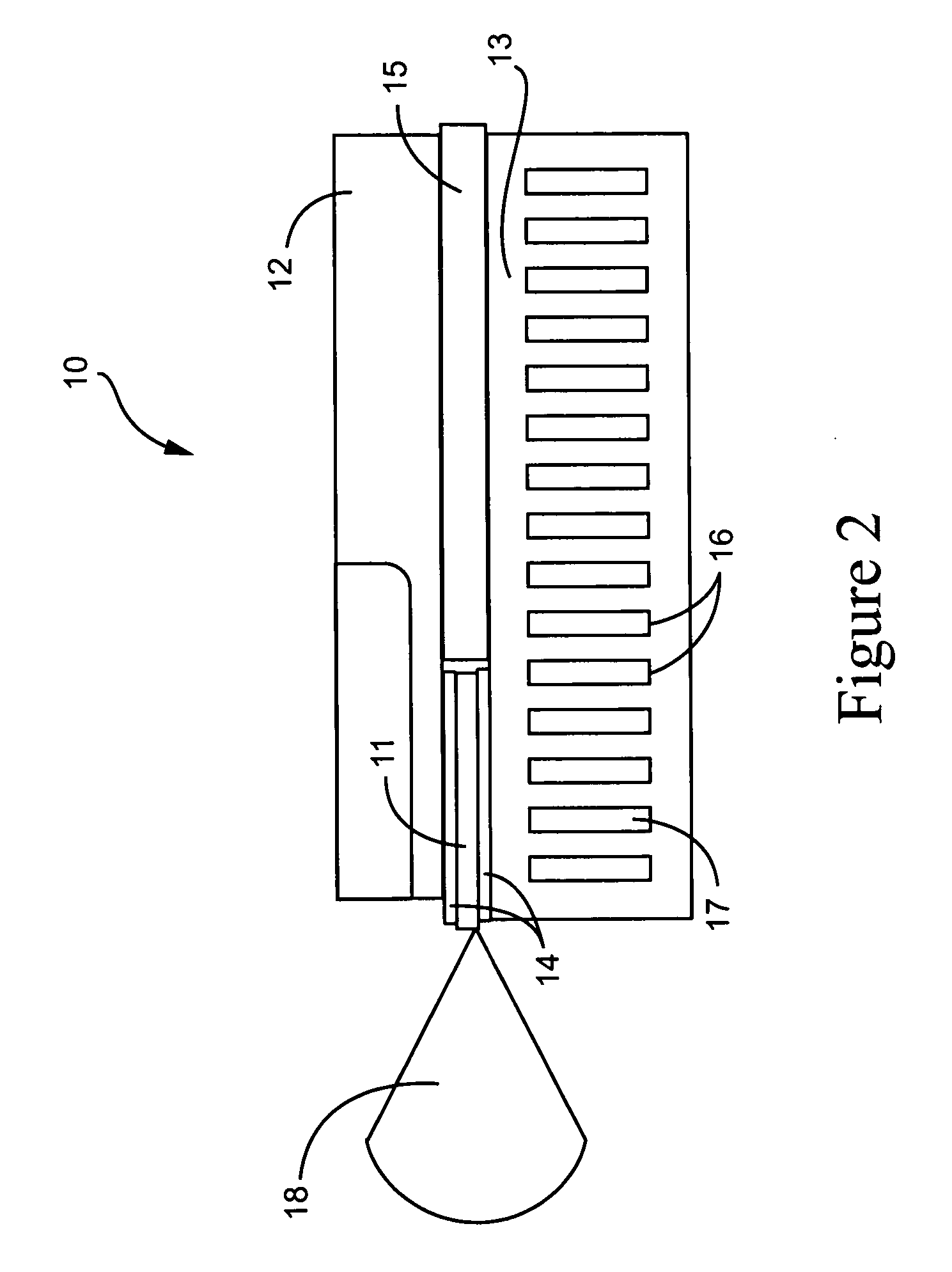
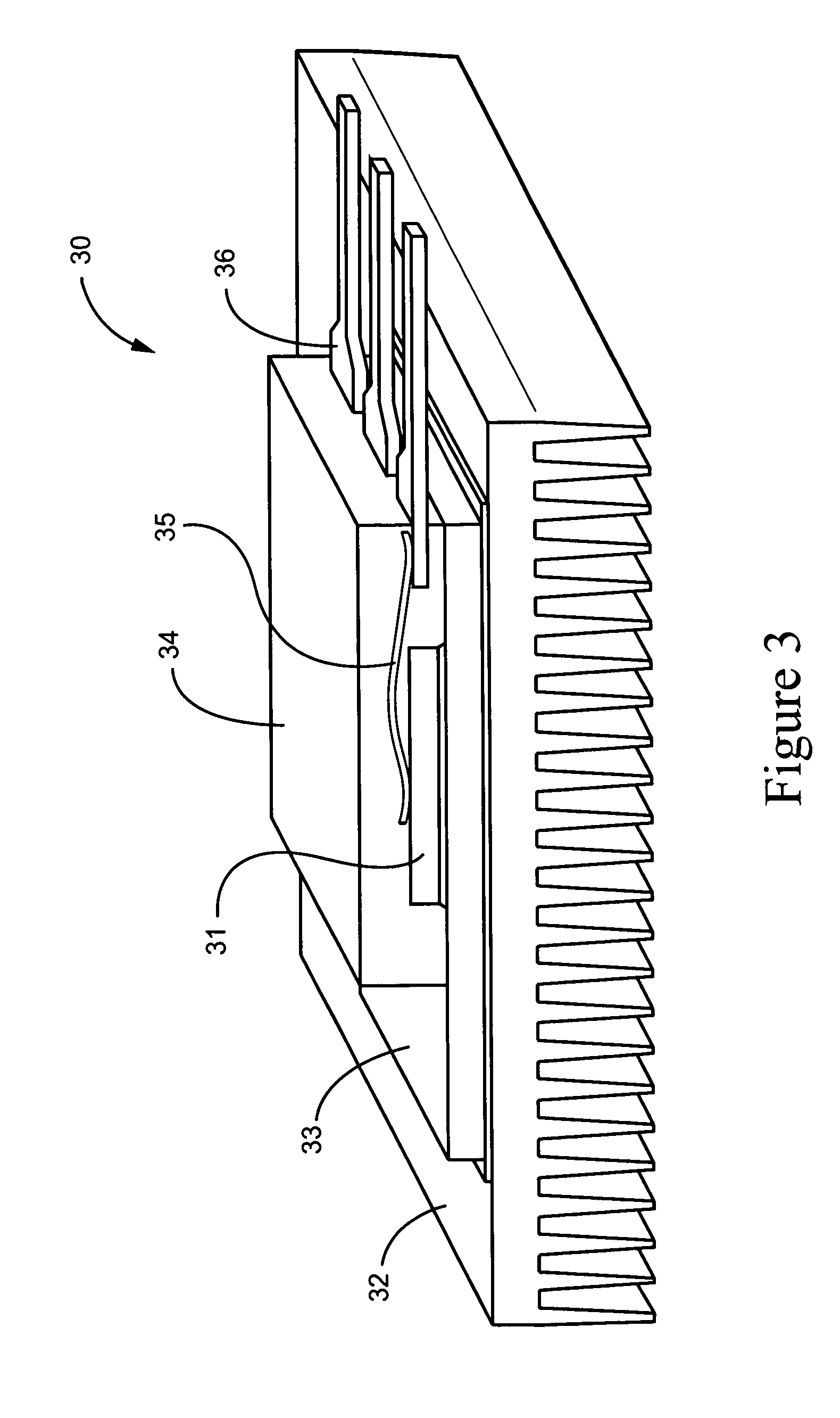
Tailorable titanium-tungsten alloy material thermally matched to semiconductor substrates and devices
PatentActiveUS20100108254A1
Innovation
- A Titanium-Tungsten alloy with adjustable CTE is developed, allowing the alloy's properties to be tailored to match those of semiconductor and ceramic materials, providing excellent electrical and thermal conductivities, and enabling direct bonding without intermediate layers to reduce thermal stresses and improve reliability.

Material Characterization Methods for Thermal Properties
The accurate characterization of thermal properties in 2D semiconductor materials represents a critical foundation for understanding their thermal stability in practical applications. Raman spectroscopy stands as one of the most versatile non-destructive techniques, allowing researchers to measure temperature-dependent phonon shifts that directly correlate with thermal conductivity and stability parameters. This method provides spatial resolution down to sub-micron levels, making it particularly valuable for atomically thin materials where traditional bulk measurement techniques fail.
Scanning thermal microscopy (SThM) has emerged as another powerful approach, utilizing specialized probes to map temperature distributions across 2D material surfaces with nanoscale resolution. The technique enables direct visualization of heat flow patterns and identification of thermal bottlenecks at interfaces and defect sites. When combined with electrical measurements, SThM provides crucial insights into electrothermal behavior under operational conditions.
Time-domain thermoreflectance (TDTR) has proven especially effective for measuring cross-plane thermal conductivity in 2D semiconductor heterostructures. By analyzing the temporal decay of thermal waves generated by ultrafast laser pulses, TDTR can determine thermal boundary resistances between layers—a parameter of paramount importance in multilayer device architectures where heat dissipation pathways are complex.
Infrared thermography offers complementary capabilities for real-time thermal mapping during device operation. Advanced IR cameras with microsecond temporal resolution can capture transient thermal events, revealing how 2D semiconductors respond to rapid temperature fluctuations that may occur during switching operations. This technique proves particularly valuable for identifying reliability concerns in practical device configurations.
Differential scanning calorimetry (DSC) provides quantitative measurements of phase transitions, heat capacity, and thermal stability limits. For 2D materials, micro-DSC techniques have been developed to accommodate the extremely small sample sizes, enabling precise determination of thermodynamic parameters that govern material degradation pathways under thermal stress.
Thermal transport measurements using suspended microbridge structures represent another specialized approach for isolating in-plane thermal conductivity in 2D semiconductors. By precisely controlling heat input and measuring temperature gradients across suspended membranes, researchers can eliminate substrate effects that typically complicate thermal characterization of atomically thin materials.
Multi-modal approaches combining several characterization techniques have recently demonstrated superior capabilities for comprehensive thermal property assessment. For instance, correlative Raman-IR thermography enables simultaneous probing of atomic vibrations and macroscopic temperature distributions, providing unprecedented insights into how molecular-level thermal processes manifest in device-scale thermal behaviors.
Scanning thermal microscopy (SThM) has emerged as another powerful approach, utilizing specialized probes to map temperature distributions across 2D material surfaces with nanoscale resolution. The technique enables direct visualization of heat flow patterns and identification of thermal bottlenecks at interfaces and defect sites. When combined with electrical measurements, SThM provides crucial insights into electrothermal behavior under operational conditions.
Time-domain thermoreflectance (TDTR) has proven especially effective for measuring cross-plane thermal conductivity in 2D semiconductor heterostructures. By analyzing the temporal decay of thermal waves generated by ultrafast laser pulses, TDTR can determine thermal boundary resistances between layers—a parameter of paramount importance in multilayer device architectures where heat dissipation pathways are complex.
Infrared thermography offers complementary capabilities for real-time thermal mapping during device operation. Advanced IR cameras with microsecond temporal resolution can capture transient thermal events, revealing how 2D semiconductors respond to rapid temperature fluctuations that may occur during switching operations. This technique proves particularly valuable for identifying reliability concerns in practical device configurations.
Differential scanning calorimetry (DSC) provides quantitative measurements of phase transitions, heat capacity, and thermal stability limits. For 2D materials, micro-DSC techniques have been developed to accommodate the extremely small sample sizes, enabling precise determination of thermodynamic parameters that govern material degradation pathways under thermal stress.
Thermal transport measurements using suspended microbridge structures represent another specialized approach for isolating in-plane thermal conductivity in 2D semiconductors. By precisely controlling heat input and measuring temperature gradients across suspended membranes, researchers can eliminate substrate effects that typically complicate thermal characterization of atomically thin materials.
Multi-modal approaches combining several characterization techniques have recently demonstrated superior capabilities for comprehensive thermal property assessment. For instance, correlative Raman-IR thermography enables simultaneous probing of atomic vibrations and macroscopic temperature distributions, providing unprecedented insights into how molecular-level thermal processes manifest in device-scale thermal behaviors.
Environmental Impact of Thermally Enhanced 2D Semiconductors
The environmental implications of thermally enhanced 2D semiconductors represent a critical dimension in evaluating their sustainability and long-term viability. As these advanced materials gain prominence in electronic applications, their thermal stability characteristics directly influence their environmental footprint throughout their lifecycle.
The manufacturing processes for thermally stable 2D semiconductors typically require lower energy inputs compared to conventional semiconductor materials. This energy efficiency stems from reduced processing temperatures and fewer fabrication steps, resulting in decreased carbon emissions during production. Studies indicate that the carbon footprint of manufacturing thermally optimized 2D semiconductor devices can be up to 30% lower than traditional silicon-based alternatives.
Thermally enhanced 2D semiconductors also demonstrate superior longevity under operational conditions, extending device lifespans significantly. This durability translates to reduced electronic waste generation, addressing one of the fastest-growing waste streams globally. The extended operational lifetime of these devices—often 40-60% longer than conventional counterparts—directly contributes to waste reduction strategies aligned with circular economy principles.
Resource efficiency represents another environmental advantage of these materials. The atomically thin nature of 2D semiconductors requires substantially less raw material input compared to bulk semiconductors. This efficiency is particularly significant for rare earth elements and critical minerals with limited global supplies and environmentally intensive extraction processes.
However, challenges remain regarding the end-of-life management of these advanced materials. The complex composition of thermally enhanced 2D semiconductors, often incorporating novel dopants and substrate materials to improve thermal stability, can complicate recycling processes. Current electronic waste recycling infrastructure is not fully equipped to recover valuable components from these advanced materials efficiently.
Water usage during manufacturing presents another environmental consideration. While thermal optimization processes can reduce energy requirements, some approaches involve water-intensive cooling systems or chemical treatments. Implementing closed-loop water recycling systems in production facilities has shown potential to reduce freshwater consumption by up to 80% in pilot studies.
The environmental benefits of thermally stable 2D semiconductors extend to their application phase through improved energy efficiency. Devices utilizing these materials demonstrate reduced heat generation during operation, lowering cooling requirements and associated energy consumption in data centers and high-performance computing environments. This operational efficiency could potentially reduce the global carbon footprint of the computing sector, which currently accounts for approximately 2% of global carbon emissions.
The manufacturing processes for thermally stable 2D semiconductors typically require lower energy inputs compared to conventional semiconductor materials. This energy efficiency stems from reduced processing temperatures and fewer fabrication steps, resulting in decreased carbon emissions during production. Studies indicate that the carbon footprint of manufacturing thermally optimized 2D semiconductor devices can be up to 30% lower than traditional silicon-based alternatives.
Thermally enhanced 2D semiconductors also demonstrate superior longevity under operational conditions, extending device lifespans significantly. This durability translates to reduced electronic waste generation, addressing one of the fastest-growing waste streams globally. The extended operational lifetime of these devices—often 40-60% longer than conventional counterparts—directly contributes to waste reduction strategies aligned with circular economy principles.
Resource efficiency represents another environmental advantage of these materials. The atomically thin nature of 2D semiconductors requires substantially less raw material input compared to bulk semiconductors. This efficiency is particularly significant for rare earth elements and critical minerals with limited global supplies and environmentally intensive extraction processes.
However, challenges remain regarding the end-of-life management of these advanced materials. The complex composition of thermally enhanced 2D semiconductors, often incorporating novel dopants and substrate materials to improve thermal stability, can complicate recycling processes. Current electronic waste recycling infrastructure is not fully equipped to recover valuable components from these advanced materials efficiently.
Water usage during manufacturing presents another environmental consideration. While thermal optimization processes can reduce energy requirements, some approaches involve water-intensive cooling systems or chemical treatments. Implementing closed-loop water recycling systems in production facilities has shown potential to reduce freshwater consumption by up to 80% in pilot studies.
The environmental benefits of thermally stable 2D semiconductors extend to their application phase through improved energy efficiency. Devices utilizing these materials demonstrate reduced heat generation during operation, lowering cooling requirements and associated energy consumption in data centers and high-performance computing environments. This operational efficiency could potentially reduce the global carbon footprint of the computing sector, which currently accounts for approximately 2% of global carbon emissions.
Unlock deeper insights with PatSnap Eureka Quick Research — get a full tech report to explore trends and direct your research. Try now!
Generate Your Research Report Instantly with AI Agent
Supercharge your innovation with PatSnap Eureka AI Agent Platform!