
Application of protein and proteome in preparation of liver cirrhosis diagnostic reagent
A protein and protein-binding technology, applied in biological testing, material inspection products, etc.
- Summary
- Abstract
- Description
- Claims
- Application Information
AI Technical Summary
Problems solved by technology
Method used
Image

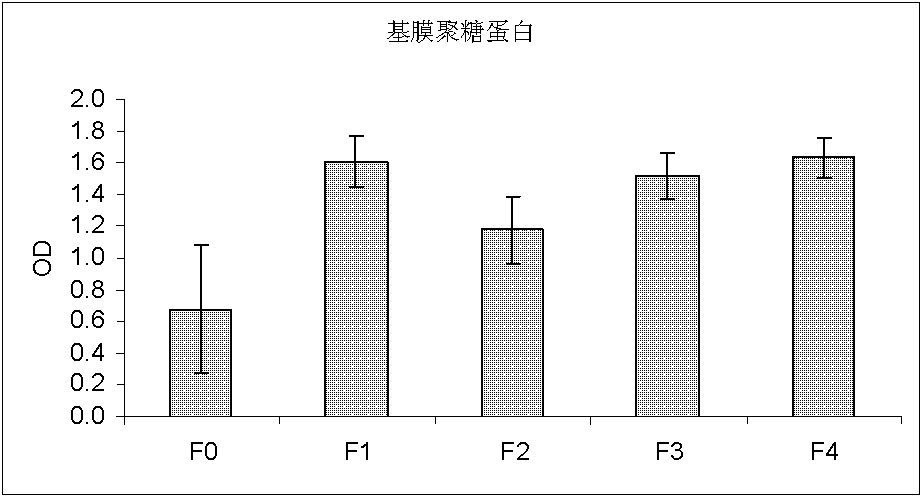
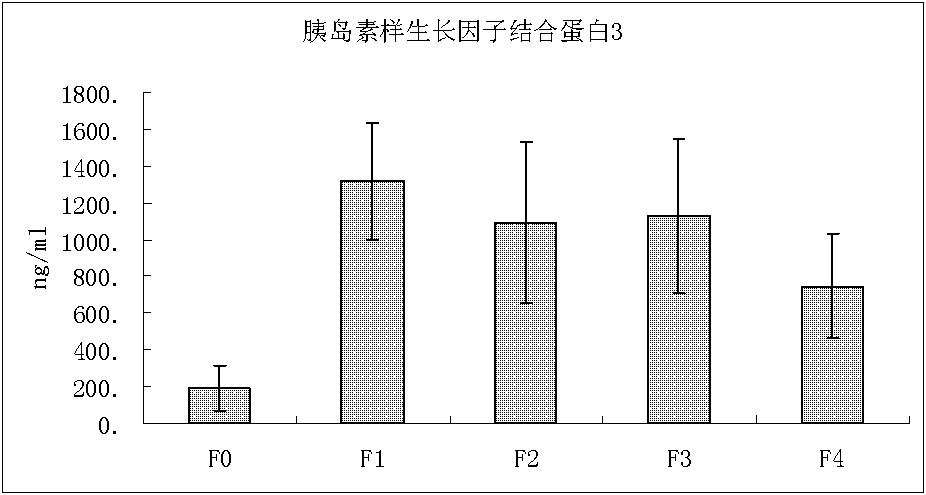
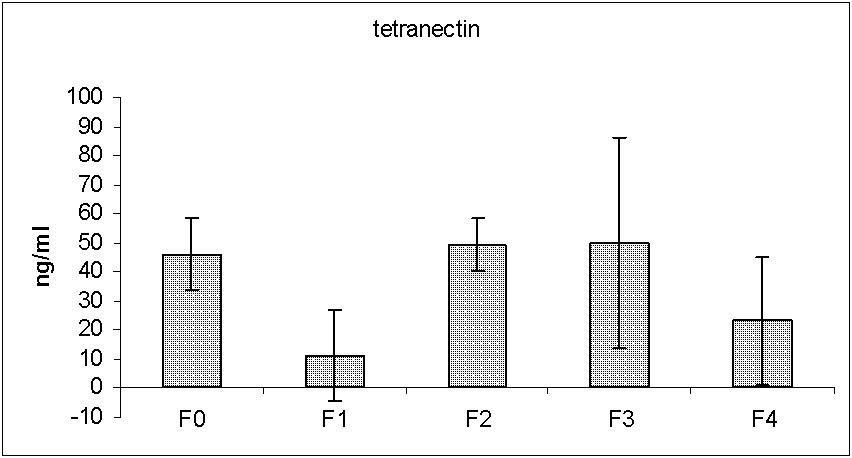
Examples
Embodiment Construction
[0022] Below in conjunction with the examples, the present invention is further described, the following examples are illustrative, not limiting, and the protection scope of the present invention cannot be limited by the following examples.
[0023]Technical scheme of the present invention is as follows:
[0024] 1. Normal F0, hepatic fibrosis F1, F2, F3, F4, 6 cases in each group, were identified and graded by the Bartz and Ludwig method;
[0025] 2. Serum protein was removed by IgY12 Beckman system to remove 12 high-abundance proteins;
[0026] A) CyDye-marked protein----DIGE analysis---Decyder----statistical analysis---primary marker 1;
[0027] B) iTRAQ 8-labeled protein--iTRAQ analysis--statistical analysis--primary marker 2;
[0028] 3. Primary markers 1 and 2 are statistically analyzed---candidate markers;
[0029] 4. Establish ELISA for candidate markers and identify markers.
[0030] Specific steps are as follows:
[0031] Sample Analysis: Collection of samples (...
PUM
| Property | Measurement | Unit |
|---|---|---|
| Sensitivity | aaaaa | aaaaa |
| Sensitivity | aaaaa | aaaaa |
Abstract
Description
Claims
Application Information
 Login to View More