
Desalination method of waste water
A desalination and wastewater technology, applied in general water supply conservation, chemical instruments and methods, water/sewage treatment, etc., can solve the problems of difficulty in implementation, troublesome operation and maintenance, high energy consumption, reduce energy consumption and improve freezing effect. Effect
Patent Information
- Authority / Receiving Office
- CN · China
- Patent Type
- Applications(China)
- Current Assignee / Owner
- Publication Date
- 2010-11-24
- Estimated Expiration
- Not applicable · inactive patent
Smart Images
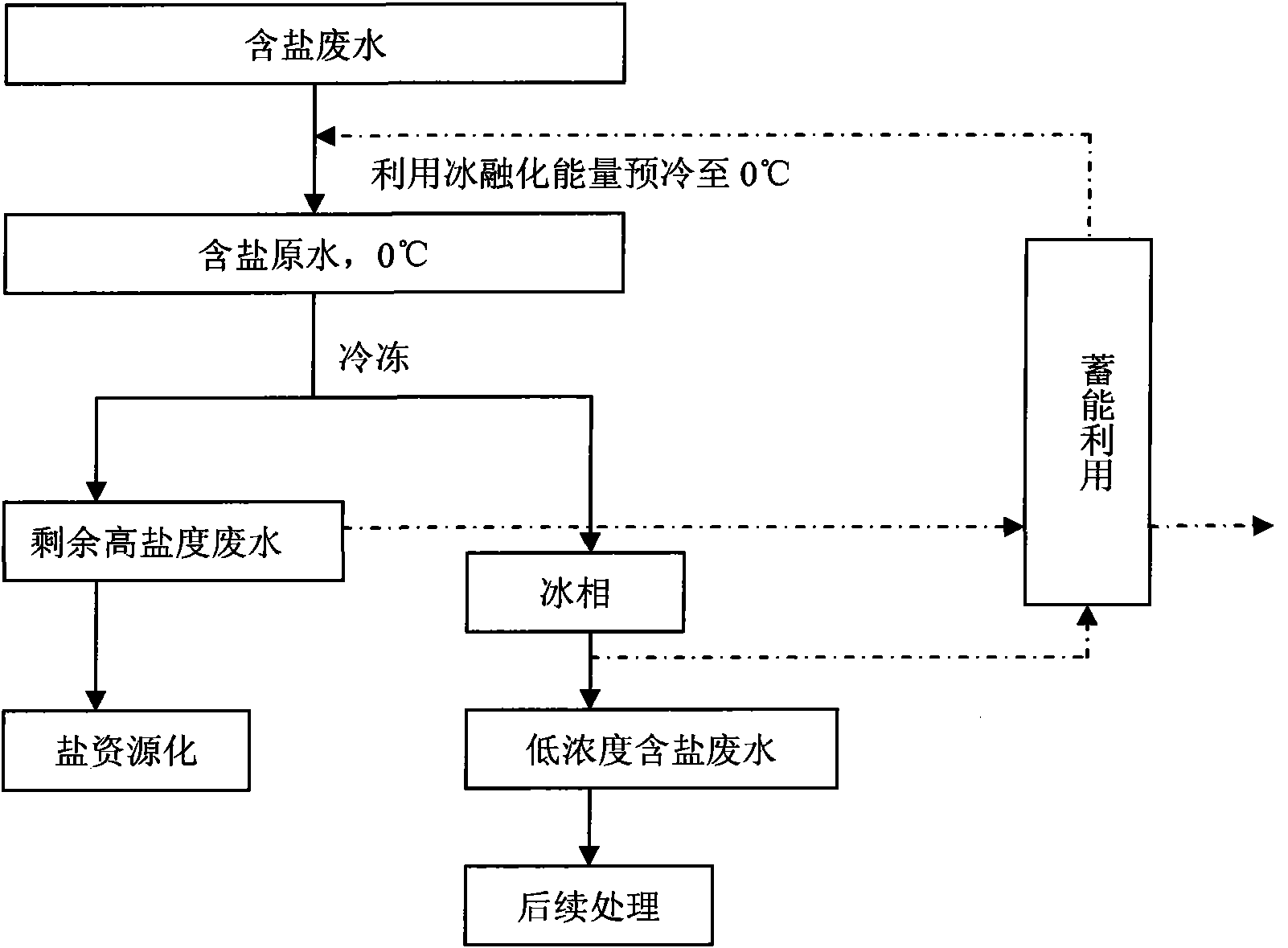
Figure 1 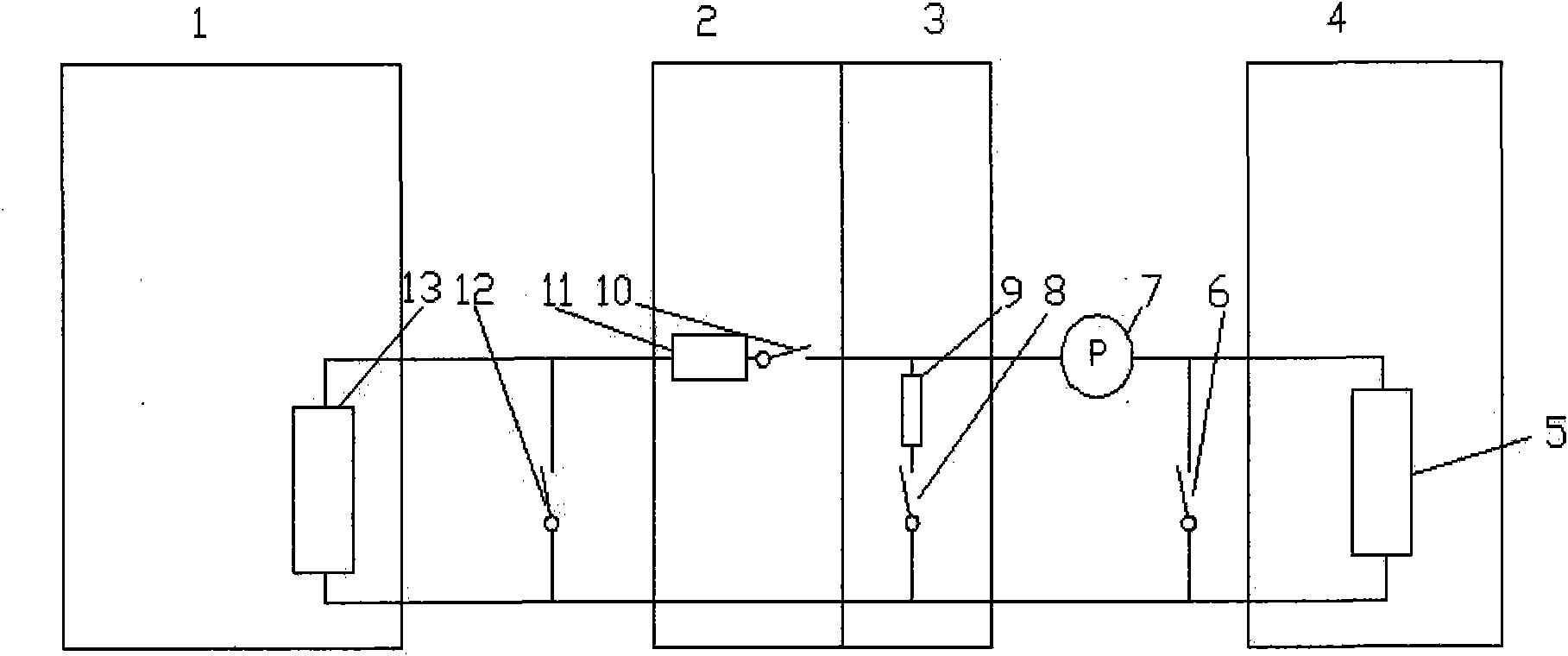
Figure 2 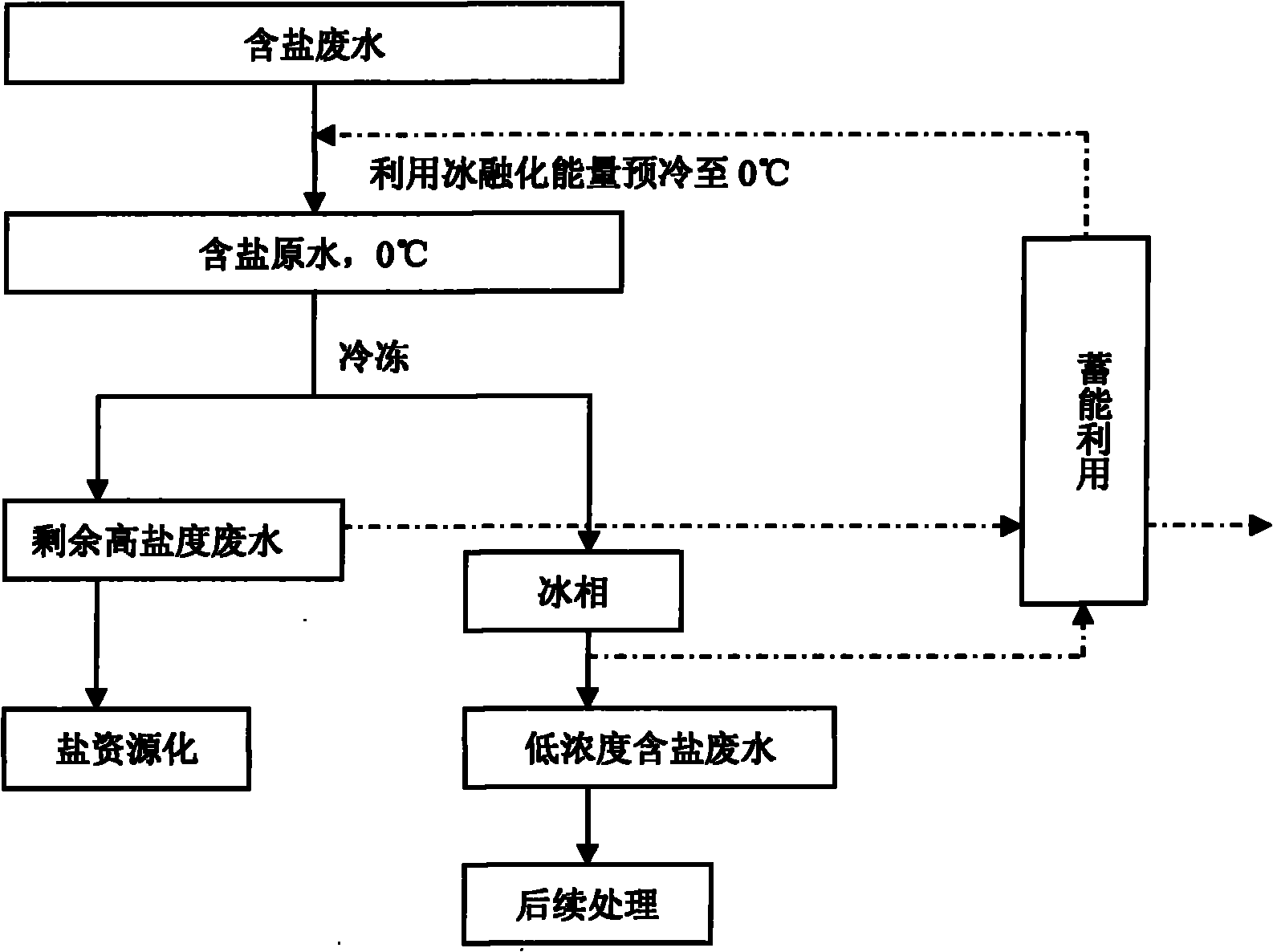
Figure 3
Abstract
Description
technical field
[0001] The invention belongs to the technical field of environmental protection, and in particular relates to a method for desalination from waste water. Background technique
[0002] Oil and natural gas drilling and production and some chemical, pharmaceutical, food and other industries will produce wastewater with high salt content, and direct discharge will cause environmental pollution. Desalination by evaporation, membrane separation, ion exchange, electrodialysis and other methods is sometimes difficult to implement due to high energy consumption, large equipment investment, and troublesome operation and maintenance. The freezing method is based on the fact that the distribution of the solute in the liquid-solid two phases is very different after the brine solution is partially frozen and frozen, the concentration in the liquid phase increases, and the concentration in the solid phase decreases, so that the The purpose of concentration and separation. ...
Examples
Embodiment 1
[0021] 10 L of waste brine containing 2% sodium chloride was pumped into raw water tank 1. From 8:00 to 10:00, switches 6 and 10 are turned on, switches 8 and 12 are turned off, heat pumps 11 and 13 work, and the raw water is pre-cooled to 0°C. The ice phase in the fresh water tank 2 melts.
[0022] The waste water pre-cooled to 0°C in the raw water tank 1 is pumped into the ice making / fresh water tank 2 through a pump. From 21:00 to 5:00 the next day, switches 6, 10, and 12 are closed, switch 8 is opened, and heat pump 11 works. 10 L of 2% sodium chloride containing waste brine at 0°C was frozen for 8 hours at a freezing temperature of -16°C. Freezing yields two phases of residual brine and ice. The volume of the remaining brine was 4.6 L and the sodium chloride content was 3.97%.
[0023] The remaining brine with a sodium chloride content of 3.97% in the ice-making / freshwater tank 2 was pumped into the high-concentration brine tank 3 through a pump. During the period fr...
Embodiment 2
[0027] 10 L of waste brine containing 4% sodium chloride was pumped into raw water tank 1. From 8:00 to 10:00, switches 6 and 10 are turned on, switches 8 and 12 are turned off, heat pumps 11 and 13 work, and the raw water is pre-cooled to 0°C. The ice phase in the fresh water tank 2 melts.
[0028] The waste water pre-cooled to 0°C in the raw water tank 1 is pumped into the ice making / fresh water tank 2 through a pump. From 21:00 to 7:00 the next day, switches 6, 10, and 12 are closed, switch 8 is opened, and heat pump 11 works. 10 L of 4% sodium chloride containing waste brine at 0°C was frozen for 10 hours at a freezing temperature of -18°C. Freezing yields two phases of residual brine and ice. The volume of the remaining brine was 4.1 L and the sodium chloride content was 8.60%.
[0029] The remaining brine with a sodium chloride content of 8.60% in the ice-making / freshwater tank 2 is pumped into the high-concentration brine tank 3 through a pump. During the period fr...
Embodiment 3
[0033] 10 L of waste brine containing 5% sodium chloride was pumped into raw water tank 1. From 8:00 to 10:00, switches 6 and 10 are turned on, switches 8 and 12 are turned off, heat pumps 11 and 13 work, and the raw water is pre-cooled to 0°C. The ice phase in the fresh water tank 2 melts.
[0034] The waste water pre-cooled to 0°C in the raw water tank 1 is pumped into the ice making / fresh water tank 2 through a pump. From 21:00 to 4:00 the next day, switches 6, 10, and 12 are closed, switch 8 is opened, and heat pump 11 works. 10 L of 5% sodium chloride containing waste brine at 0°C was frozen for 7 hours at a freezing temperature of -15°C. Freezing yields two phases of residual brine and ice. The volume of the remaining brine was 5.1 L and the sodium chloride content was 8.60%.
[0035] The remaining brine with a sodium chloride content of 8.60% in the ice-making / freshwater tank 2 is pumped into the high-concentration brine tank 3 through a pump. During the period fro...