
Solar ceramic coating and manufacturing method thereof
A technology of solar energy and coating, applied in the field of solar coating, which can solve the problems of coating shedding, lower heat absorption efficiency, and lower heat absorption performance, and achieve the effects of easy replacement, increased absorption surface, and improved efficiency
Patent Information
- Authority / Receiving Office
- CN · China
- Patent Type
- Patents(China)
- Current Assignee / Owner
- Publication Date
- 2015-07-22
Smart Images
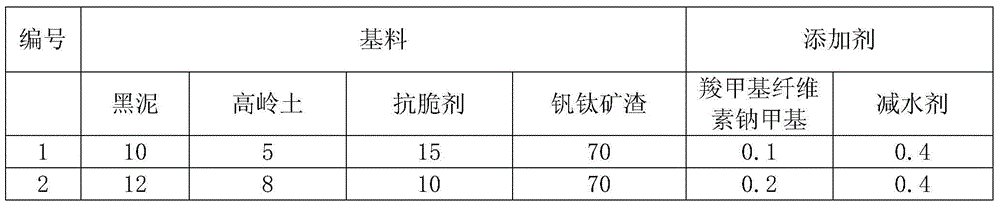
Figure 1 
Figure 2
Abstract
Description
technical field
[0001] The invention relates to solar coating technology, in particular to a ceramic solar coating and a manufacturing method thereof. Background technique
[0002] The heat-absorbing coating used in the current metal flat-plate solar collectors is sprayed on the surface of the heat collector after using water-based acrylic resin as a binder to mix the heat-absorbing paint, but the infrared emissivity of the sprayed paint is high, resulting in heat collection. At the same time, the binder may dissolve at high temperature, resulting in poor weather resistance and poor adhesion of the heat-absorbing coating, which is prone to peeling and reduces heat-absorbing performance.
[0003] The anodic oxidation coating type coating will cause the copper pipe structure to be easily damaged during the production process, thereby reducing the heat absorption efficiency.
[0004] Due to the unsatisfactory weather resistance of the magnetron sputtering coating, the performa...
Examples
Embodiment 1-2
[0025] Table 1: Recipe Table
[0026]
[0027] In the above Table 1, the content of each component in the base material is the percentage by mass, and the content of the additive is the percentage by mass of the base material.
[0028] In Example 1, the preparation steps are as follows: Step 1) Weighing; According to the ratio of various raw materials in the No. 1 formula in Table 1: formula table, the raw materials are weighed;
[0029] Step 2) Mixing and crushing; add the raw materials after step 1) in proportion to 50% of the mass of the base material, and then put them into a ball mill for wet crushing and ball milling to obtain mud;
[0030] Step 3) sieve and spray dry; pass the slurry prepared in step 2) through 12 mesh, 60 mesh and 120 mesh sieves in sequence, then spray dry and granulate to obtain powder;
[0031] Step 4) Pressing, firing, and crushing: Press the powder after step 3) into a green body and dry it into a roller kiln for firing to obtain a black porce...