
Preparation method and application of a material for highly efficient removal of sediment interstitial water phosphate
A water phosphate and sediment technology, applied in chemical instruments and methods, water pollutants, water/sewage treatment, etc., can solve problems such as high ecological risk and high risk of phosphorus release
Patent Information
- Authority / Receiving Office
- CN · China
- Patent Type
- Patents(China)
- Current Assignee / Owner
- Publication Date
- 2018-11-02
Smart Images
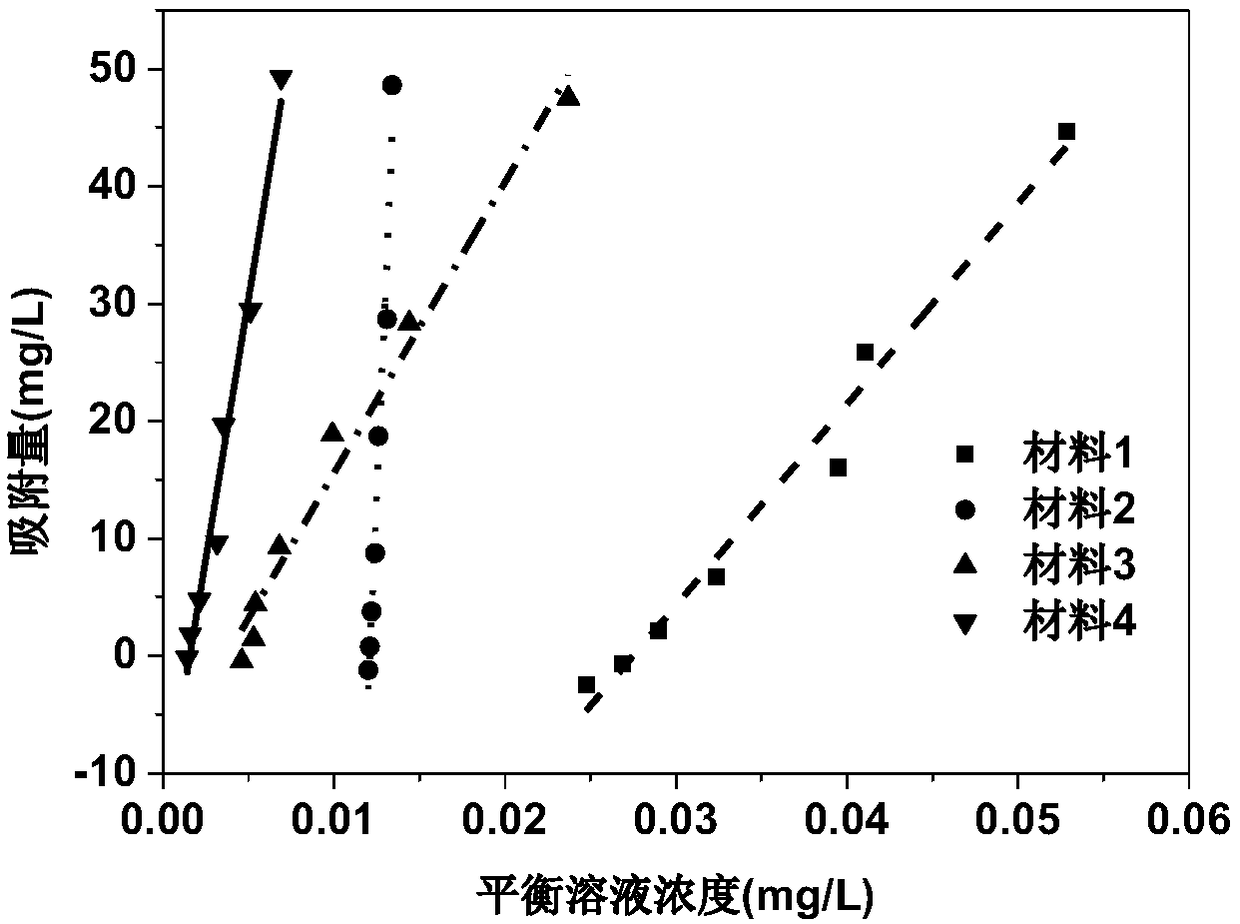
Figure 1 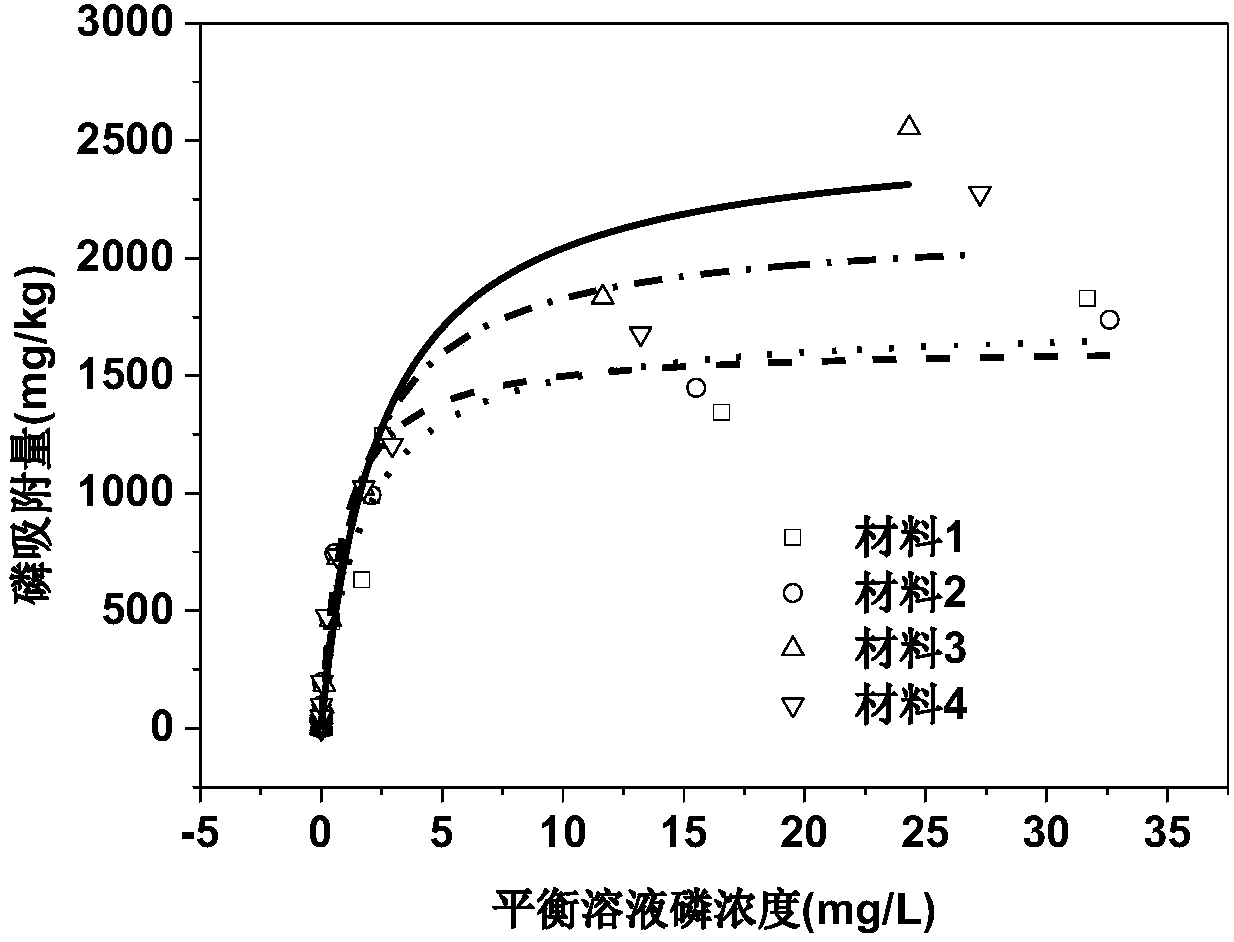
Figure 2 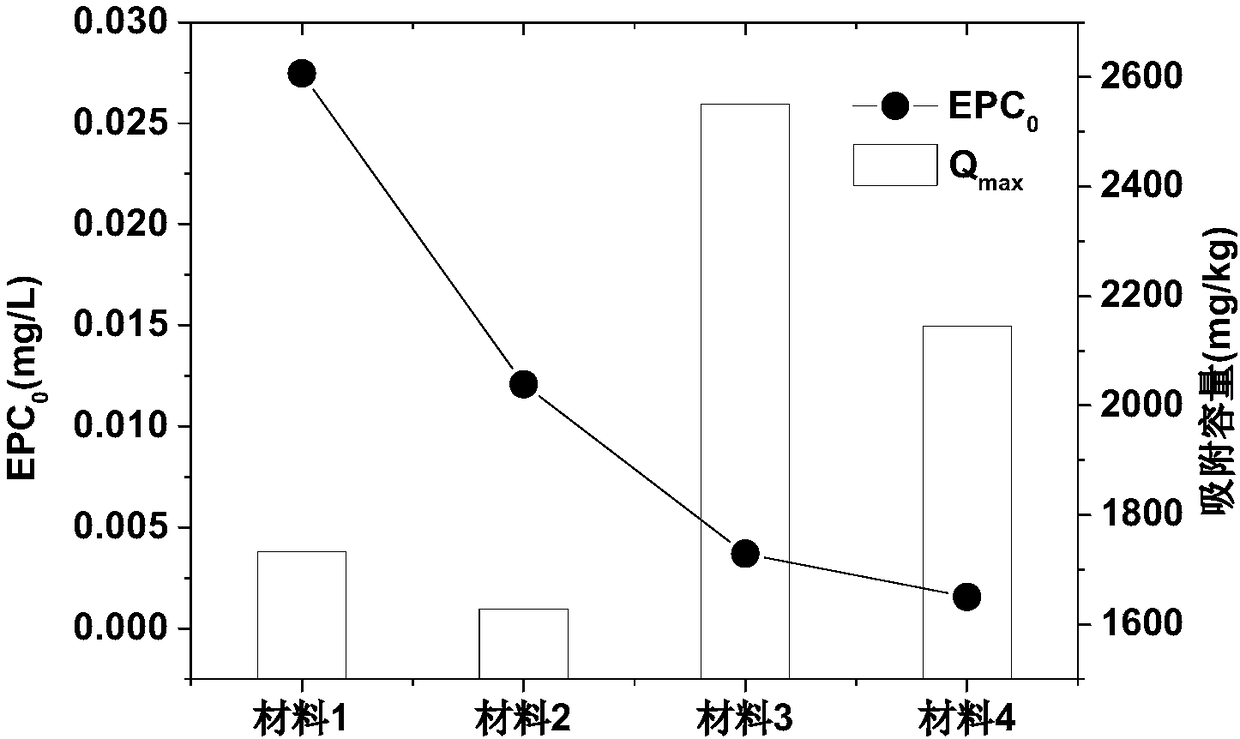
Figure 3
Abstract
Description
Technical field
[0001] The invention relates to a preparation method and application of a material for efficiently removing phosphates in sediment interstitial water, and belongs to the field of water environmental pollution control. Background technique
[0002] In the past 30 years, due to social and economic development and human activities, a large number of exogenous pollutants have entered lakes and are enriched in sediments, causing serious pollution of the bottom of most lakes in my country. The survey results show that the bottom quality of many lakes, especially urban lakes, is astonishing. For example, the total phosphorus content in the sediments of Taihu Lake, Dianchi Lake and Chaohu Lake is as high as 3000-4000mg / kg. Sediment is not only an important destination and storage reservoir for pollutants in surface waters, but also an important internal source of overlying water pollution. This is because there is a dynamic equilibrium process of sedimentation, adsorption...
Examples
Embodiment 1
[0037] The material for high-efficiency removal of water phosphate in the sediment gap described in this embodiment is prepared by the following method:
[0038] (1) Collecting lake sediments as raw materials, freeze-drying, grinding and sieving to obtain sediment powder with a particle size of not less than 100 meshes, and roasting the sediment powder in a muffle furnace at 450°C for 2 hours. After cooling to room temperature, use a 0.2mol / L sodium hydroxide aqueous solution for water washing, and then place it in a blast drying box to evaporate to dryness to obtain activated deposits for use;
[0039] (2) Take kaolin, dry, grind, and sieve to obtain kaolin powder with a particle size of not less than 100 meshes. The activated sediment and kaolin powder are fully mixed in proportion to form a mixed powder. The amount of kaolin is the mixed powder. 75wt% of total body mass, spare;
[0040] (3) Use 0.2mol / L FeSO 4 The aqueous solution modifies the mixed powder, and the FeSO 4 The mas...
Embodiment 2
[0043] The material for high-efficiency removal of water phosphate in the sediment gap described in this embodiment is prepared by the following method:
[0044] (1) Collecting lake sediments as raw materials, freeze-drying, grinding and sieving to obtain sediment powder with a particle size of not less than 100 meshes, and roasting the sediment powder in a muffle furnace at 550°C for 1 hour. After cooling to room temperature, use 0.05mol / L sodium hydroxide aqueous solution for water washing treatment, and then place it in a blast drying box to evaporate to dryness to obtain activated sediment for use;
[0045] (2) Take kaolin, dry, grind, and sieve to obtain kaolin powder with a particle size of not less than 100 meshes. The activated sediment and kaolin powder are fully mixed in proportion to form a mixed powder. The amount of kaolin is the mixed powder. 60wt% of the total mass of the body, spare;
[0046] (3) Use 0.2mol / L FeSO 4 The aqueous solution modifies the mixed powder, and...
Embodiment 3
[0049] The material for high-efficiency removal of water phosphate in the sediment gap described in this embodiment is prepared by the following method:
[0050] (1) Collecting lake sediments as raw materials, freeze-drying, grinding and sieving to obtain sediment powder with a particle size of not less than 100 meshes, and roasting the sediment powder in a muffle furnace at 600°C for 2 hours. After cooling to room temperature, use a 0.1mol / L sodium hydroxide aqueous solution for washing treatment, and then place it in a blast drying box to evaporate to dryness to obtain activated deposits for use;
[0051] (2) Take kaolin, dry, grind, and sieve to obtain kaolin powder with a particle size of not less than 100 meshes. The activated sediment and kaolin powder are fully mixed in proportion to form a mixed powder. The amount of kaolin is the mixed powder. 50wt% of total body mass, spare;
[0052] (3) Use 0.2mol / L FeSO 4 The aqueous solution modifies the mixed powder, and the FeSO 4 The...