
Metal complexes of bicalix[4]arene derivatives and their synthesis methods and applications
A technology of aromatic hydrocarbon derivatives and metal complexes, applied in the field of medical biological detection, can solve the problems of unsuitability for labeling biomolecules and low sensitivity
Patent Information
- Authority / Receiving Office
- CN · China
- Patent Type
- Patents(China)
- Current Assignee / Owner
- Publication Date
- 2019-09-10
Smart Images
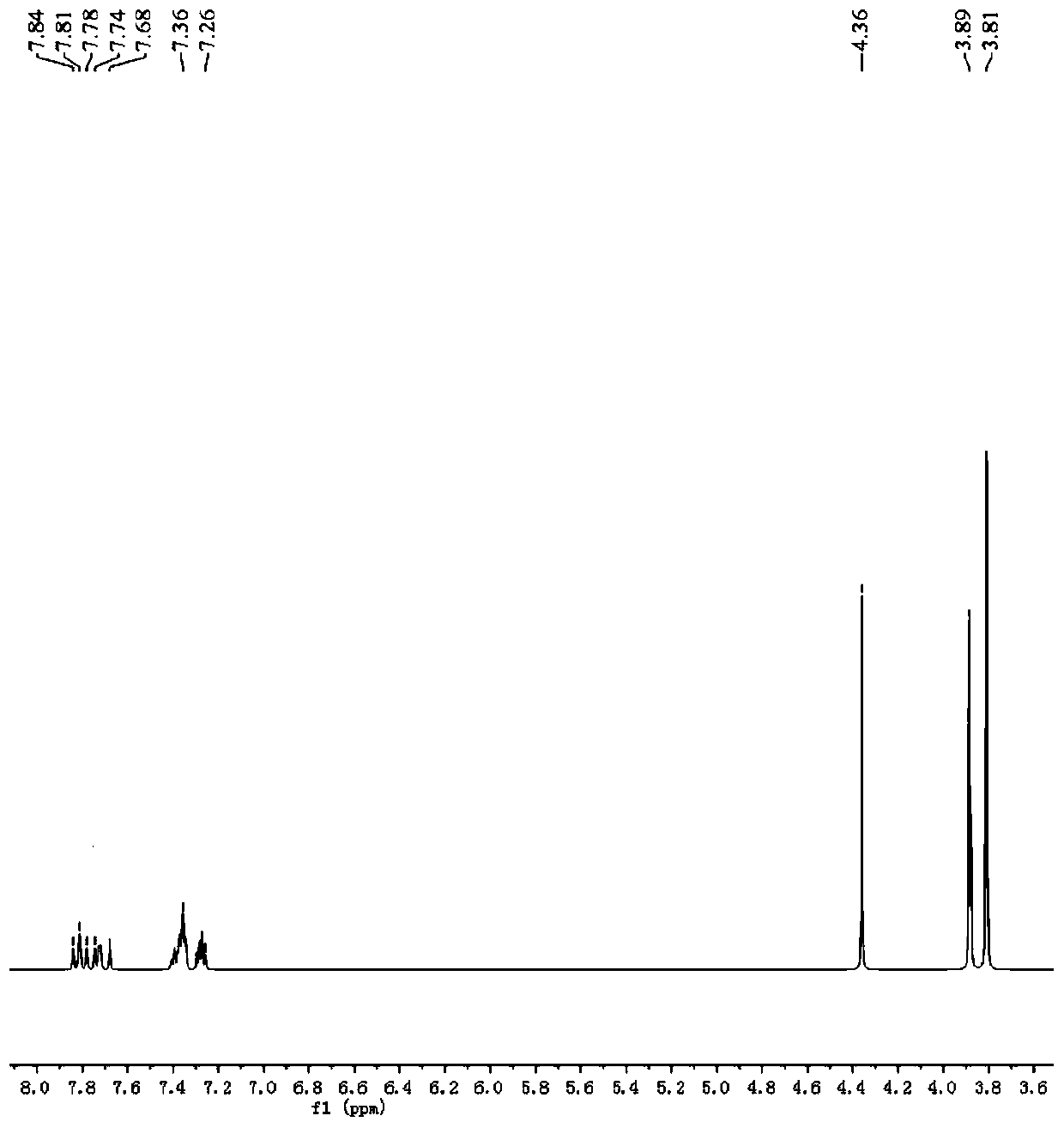
Figure 1 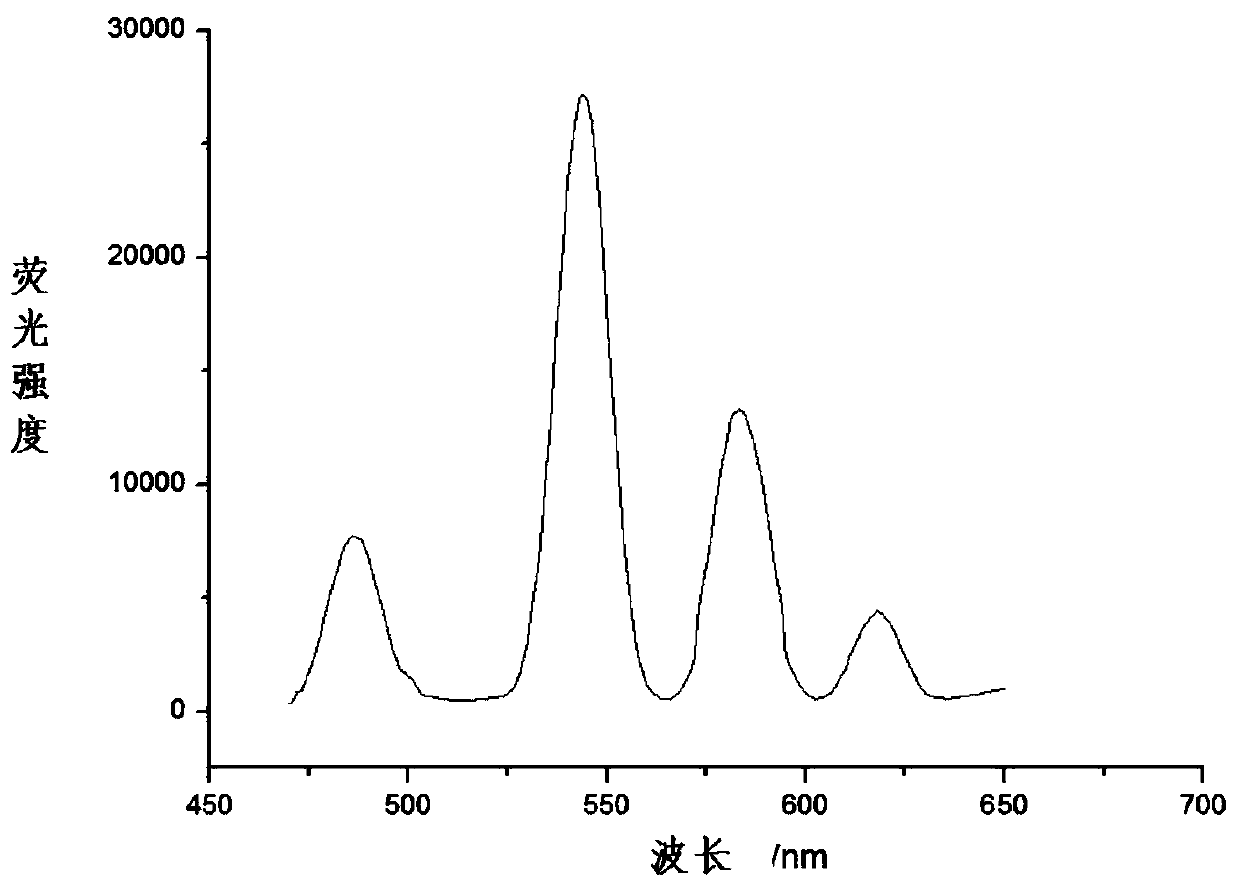
Figure 2 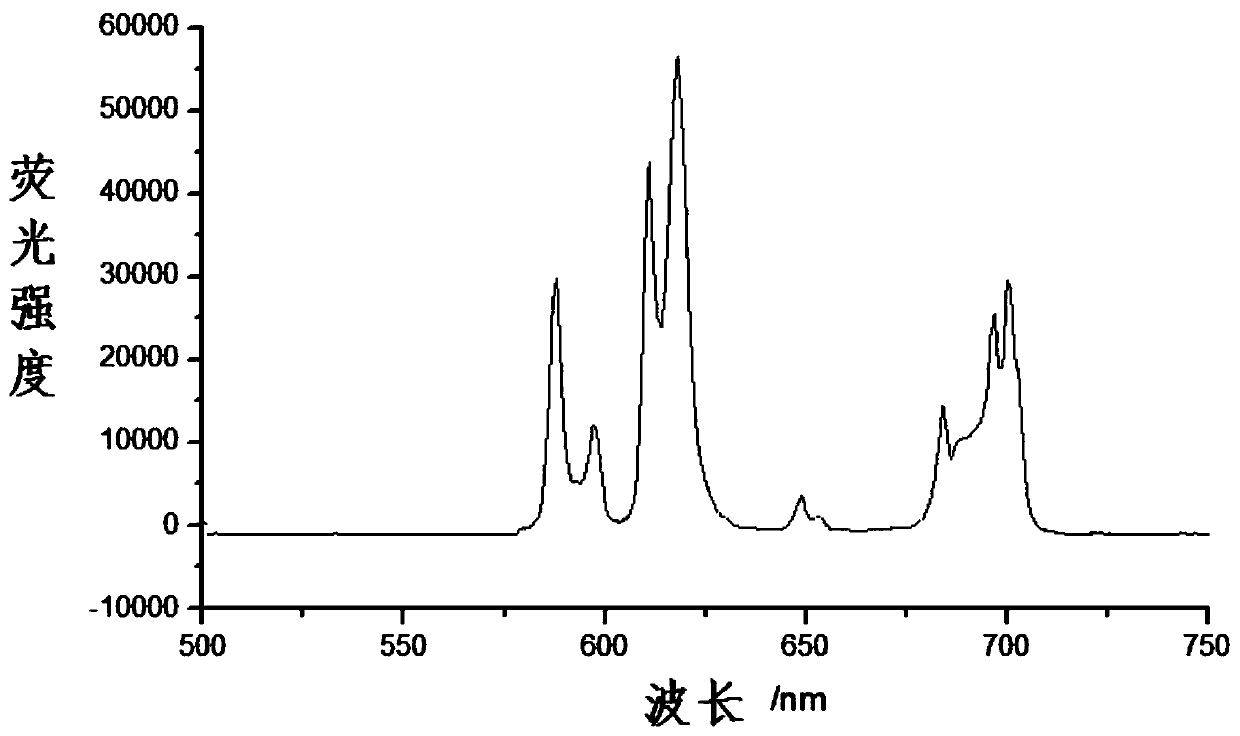
Figure 3
Abstract
Description
technical field
[0001] The invention belongs to the technical field of medical biological detection, and specifically relates to a biscalix[4]arene derivative and a metal complex thereof, a synthesis method and an application thereof. Background technique
[0002] Molecular recognition is the process in which the subject (receptor) selectively binds to the guest (substrate) and produces a specific function. The recognition process may cause changes in the magnetic, electrical, optical properties and conformation of the system, resulting in the storage, transmission and processing of chemical information. Therefore, molecular recognition plays an important role in information processing and transmission, and in the fabrication of molecular and supramolecular devices.
[0003] Molecular recognition using the change of magnetic or fluorescent properties caused by the combination of host and guest molecules is the main research direction at present, and has a wide range of appl...
Examples
Embodiment 1
[0068] This embodiment provides a metal complex of a biscalix[4]arene derivative and a preparation method thereof. The biscalix[4]arene derivative has a molecular structure as shown in Formula I-1; the biscalix[4]arene derivative and rare earth metal ions Tb 3+ Coordinate to obtain complex, its molecular structure is as shown in formula II-1:
[0069]
[0070] Intermediate I'-1 was synthesized from intermediate E-1 and intermediate F-1, and intermediate I'-1 was oxidized to obtain biscalix[4]arene derivative I-1, biscalix[4]arene derivative I -1 complex rare earth metal ion Tb 3+ , to obtain biscalix [4] arene derivatives I-1 and Tb 3+ The complex II-1, the synthetic route is:
[0071]
[0072] (1) Preparation of Intermediate E-1
[0073] Step 1: Taking calix[4]arene as reaction raw material, get calix[4]arene (30.0g / 70.7mmol), anhydrous potassium carbonate (10.7g / 77.4mmol) and methyl p-toluenesulfonate (26.3g / 141.4mmol), dissolved in 500mL of CH 3 CN was refluxed...
Embodiment 2
[0099] This example provides a method for synthesizing the metal complex II-1 of biscalix[4]arene derivatives:
[0100] With Intermediate E-1, Intermediate E'-1 (equal to Intermediate E-1) and TsO-CH 2 -CH 2 -OsT synthesizes intermediate I'-1, intermediate I'-1 is oxidized to obtain biscalix[4]arene derivative I-1, biscalix[4]arene derivative I-1 is complexed with rare earth metal ion Tb 3+ , to obtain biscalix [4] arene derivatives I-1 and Tb 3+ The complex II-1, the synthetic route is:
[0101]
[0102] (1) Preparation of Intermediate E-1
[0103] Synthetic process is with the synthesis of the intermediate E-1 of embodiment 1, and intermediate E'-1 and intermediate E-1 are identical compound.
[0104] (2) Preparation of intermediate I'-1
[0105] Intermediate E-1 (0.8mmol), Intermediate E'-1 (1mmol) and K 2 CO 3 (7mmol) was dissolved in toluene, then added TsO-CH 2 -CH 2 -OsT (1.1mmol), under the protection of nitrogen, reflux at 105°C for 3h, then add a certain ...
Embodiment 3
[0112] This embodiment provides a metal complex of a biscalix[4]arene derivative and a preparation method thereof. The biscalix[4]arene derivative has a molecular structure as shown in Formula I-2; the biscalix[4]arene derivative and rare earth metal ions Eu 3+ Cooperate to obtain complex, its molecular structure is as shown in formula II-2:
[0113]
[0114] Synthesize intermediate I'-2 with intermediate E-2 and intermediate F-2 (the intermediate shown in formula F-2 is equivalent to the intermediate shown in formula F-1), after intermediate I'-2 is oxidized Two calix[4] arene derivatives I-2 are obtained, and two calix[4] arene derivatives I-2 are complexed with rare earth metal ions Eu 3+ , to obtain biscalix[4]arene derivative I-2 and Eu 3+ The complex II-2, the synthetic route is:
[0115]
[0116] (1) Preparation of Intermediate E-2
[0117] Step 1: Taking calix[4]arene as the reaction raw material, take calix[4]arene (30.0g / 70.7mmol), anhydrous potassium carbo...