
A spaced non-slip vascular stent capable of chronic drug delivery
A vascular stent and a chronic technology, applied in the field of vascular stents, can solve problems such as poor anti-slip effect, poor thrombolytic treatment effect, and easy slippage, and achieve the effects of enhancing anti-slip effect, prolonging drug action time, and improving anti-slip performance.
Patent Information
- Authority / Receiving Office
- CN · China
- Patent Type
- Patents(China)
- Current Assignee / Owner
- Publication Date
- 2019-12-06
- Estimated Expiration
- Not applicable · inactive patent
Smart Images
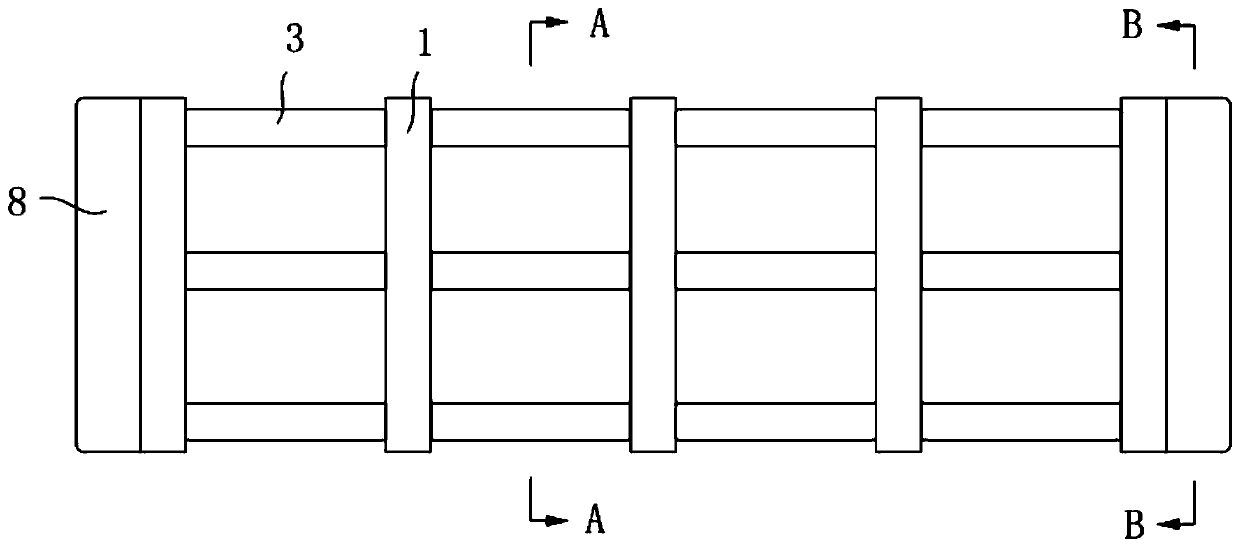
Figure 1 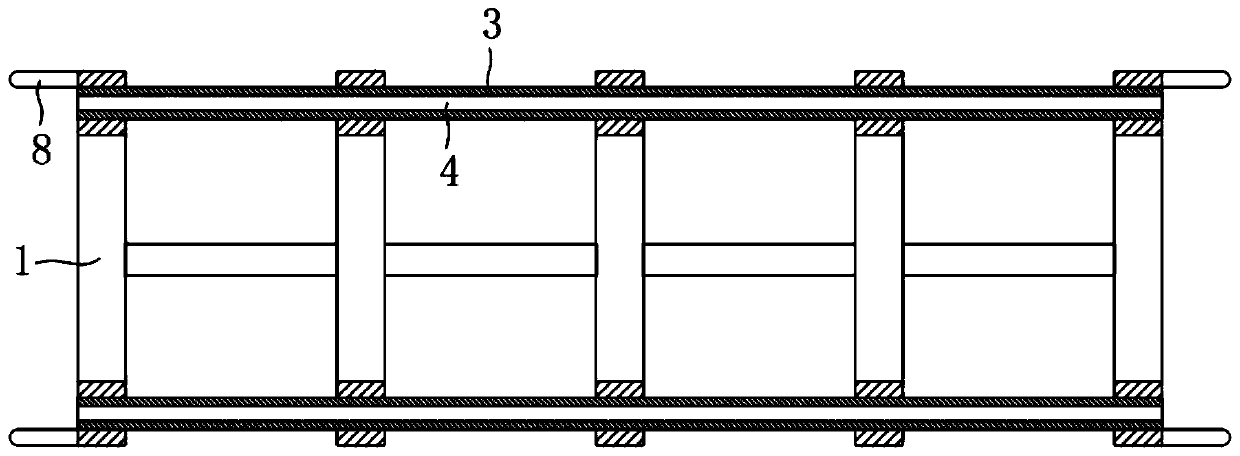
Figure 2 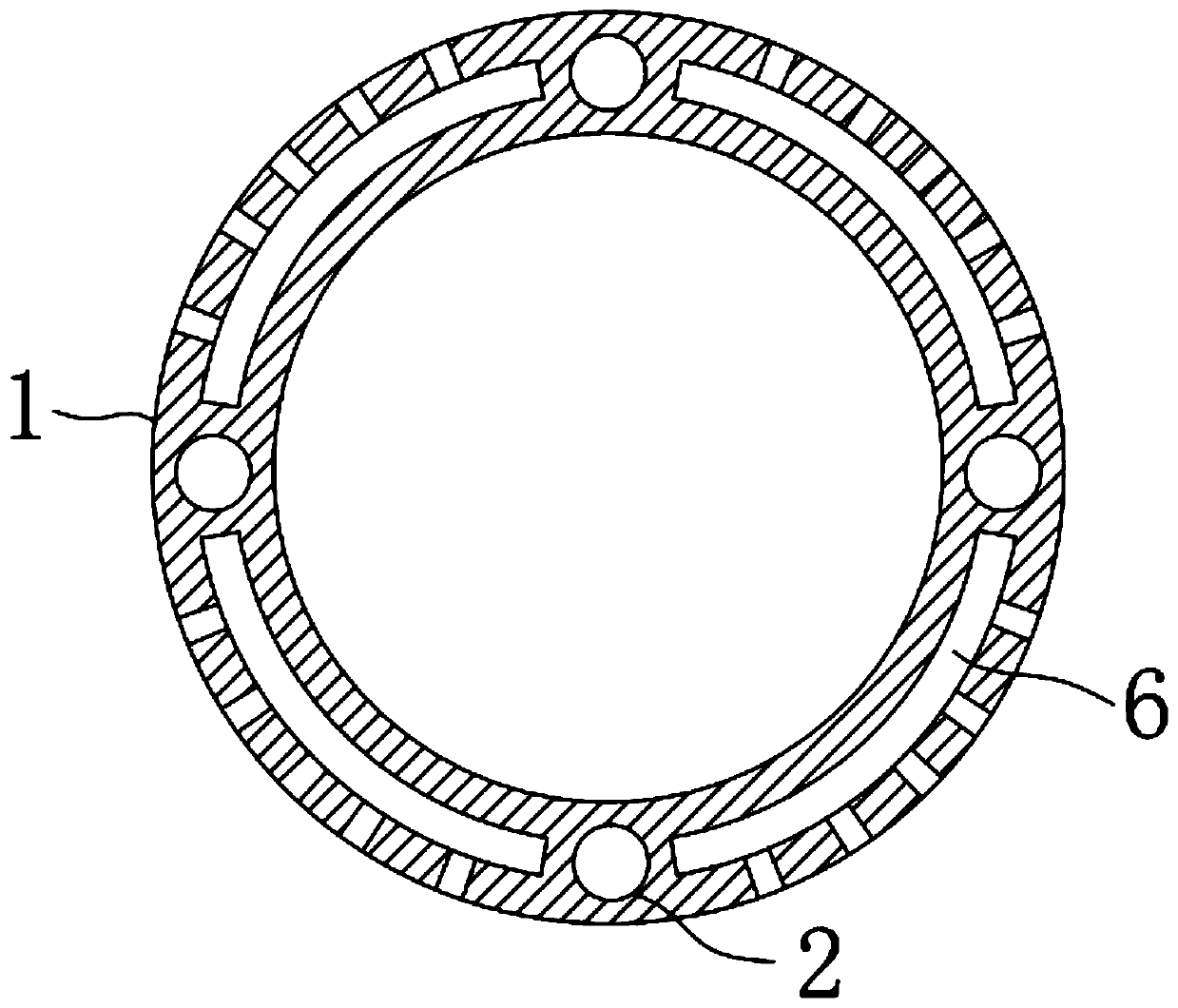
Figure 3
Abstract
Description
technical field
[0001] The invention relates to the technical field of vascular stents, in particular to a spaced non-slip vascular stent capable of chronic drug delivery. Background technique
[0002] Percutaneous puncture angioplasty, referred to as PTA, is under the guidance of medical imaging equipment, using a puncture needle, a guide wire and a guide sheath to insert a balloon catheter with a tightened stent into a human blood vessel and deliver it to the blood vessel At the stenosis, with the expansion of the balloon, the stent is also stretched. After the balloon is retracted and retracted, the plastically deformed metal stent remains in place and is embedded in the blood vessel, playing the role of dilating the blood vessel. This method is currently widely used in the treatment of cardiovascular diseases.
[0003] There are many forms of vascular stents in the prior art. The most common one is that the stent matrix is braided with shape memory alloy wire or cut a...
Examples
Embodiment
[0040] Embodiment: Using the vascular stent of the present invention, the drug cavity of the stent is filled with 5 g of the same thrombolytic drug as in the comparative example, and then put into the blood vessel, and the remaining amount of the drug is measured and correspondingly timed.
[0041] The experimental data of the drug action time experiment are shown in Table 1 below:
[0042] Table 1
[0043]
[0044] According to the data in Table 1 above, it can be concluded that after the vascular stent in the embodiment of the present invention is placed inside the blood vessel, the drug action time is significantly improved compared with the drug action time in the comparative example.