
High-performance lithium ion battery aluminum-based negative electrode material and preparation method thereof
A technology of aluminum trichloride and aluminum acetylacetonate, applied in battery electrodes, secondary batteries, nanotechnology for materials and surface science, etc. Stability deterioration and other issues, to achieve excellent cycle stability, improve conductivity, and good mechanical properties
Patent Information
- Authority / Receiving Office
- CN · China
- Patent Type
- Applications(China)
- Current Assignee / Owner
- Publication Date
- 2018-09-18
Smart Images
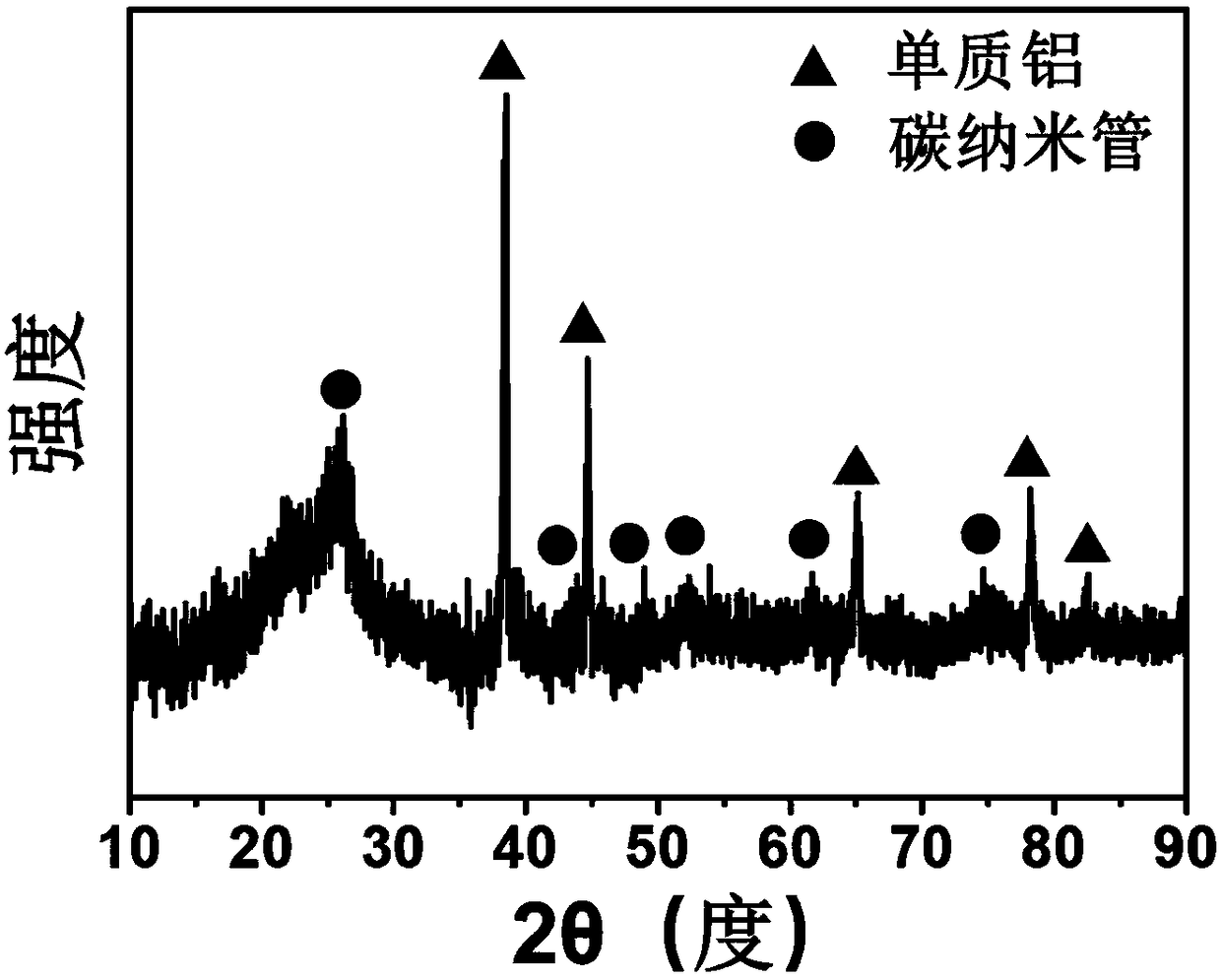
Figure 1 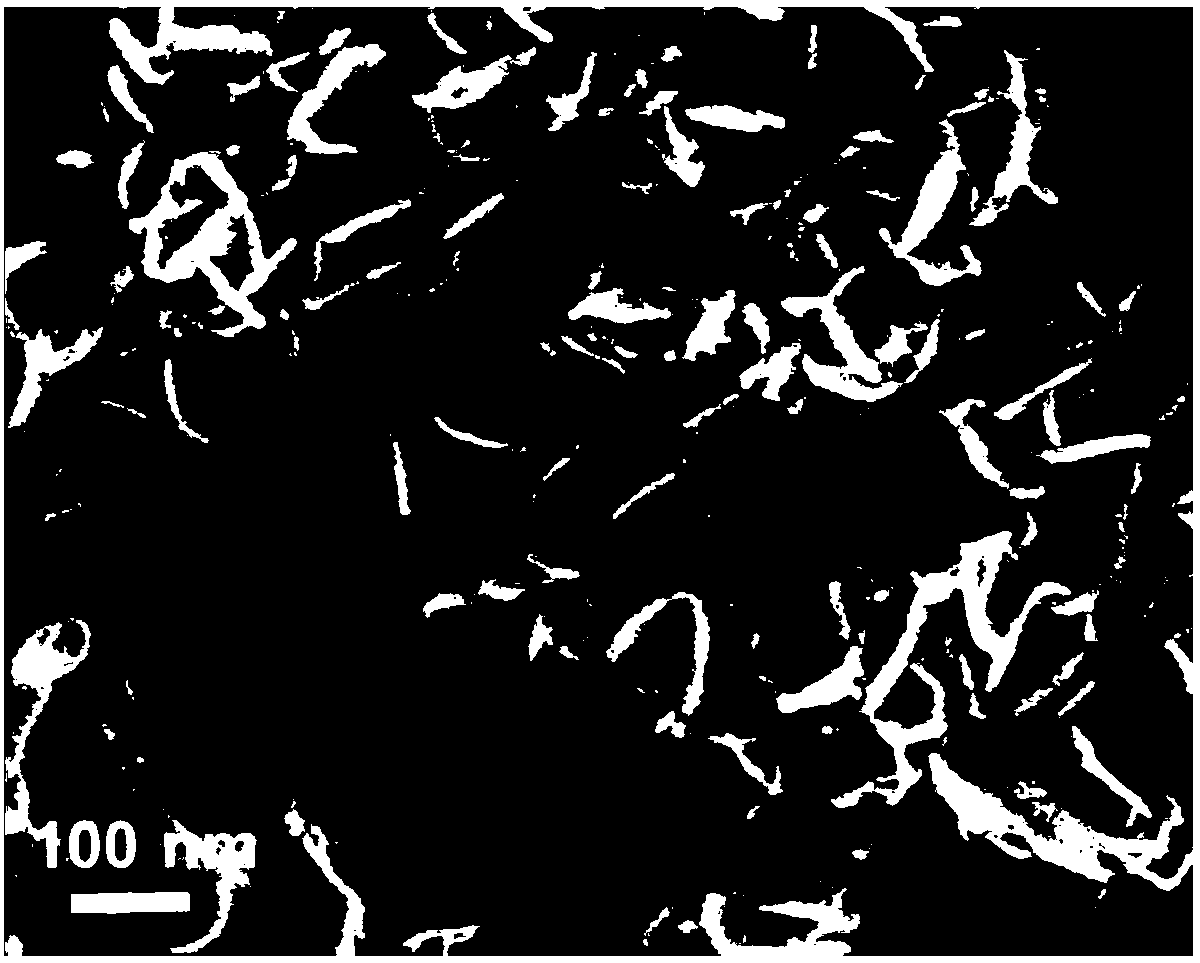
Figure 2 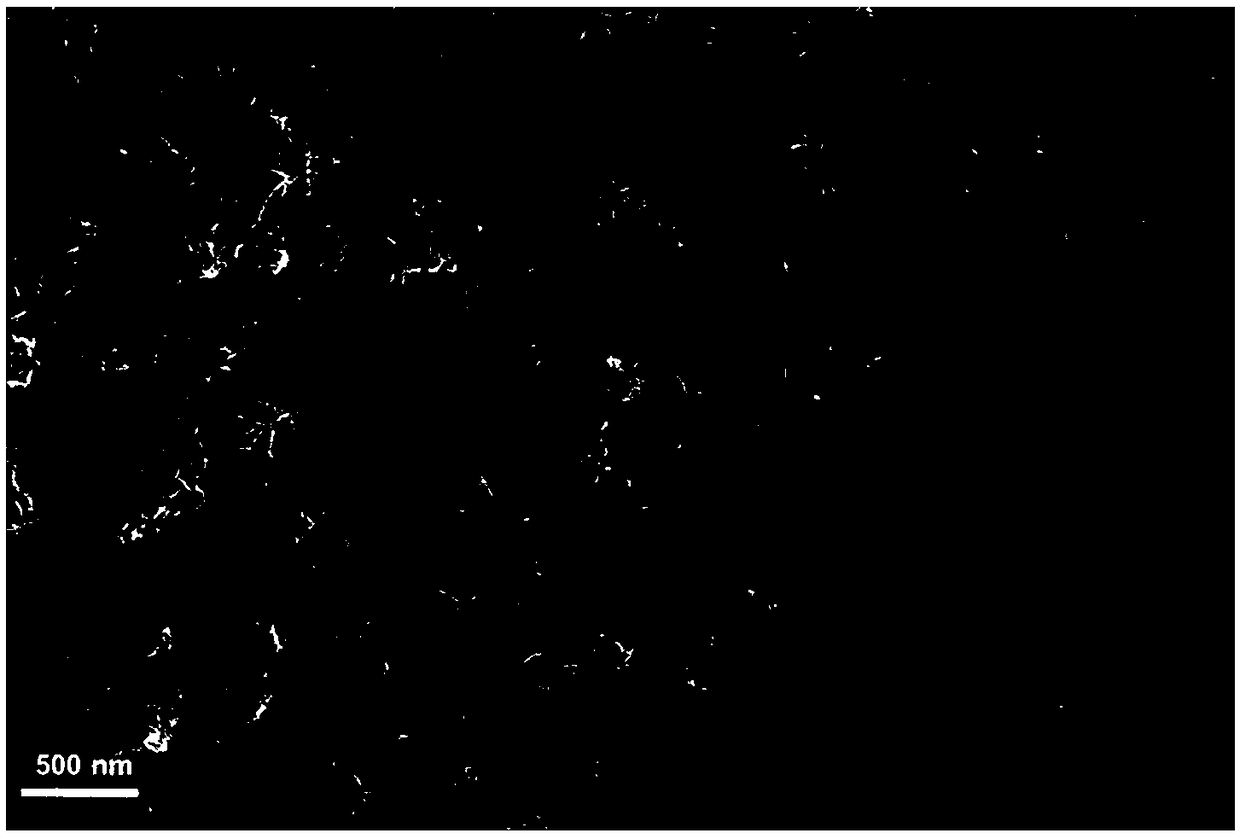
Figure 3
Abstract
Description
technical field
[0001] The invention belongs to the technical field of inorganic advanced materials, and in particular relates to a high-performance lithium-ion battery aluminum-based negative electrode material and a preparation method thereof. Background technique
[0002] As the most potential energy storage device of the new generation, lithium-ion batteries have the advantages of long cycle life, high energy density and power density, and have been widely used in electric vehicles, consumer electronics and renewable energy storage and other fields. For commercial lithium-ion batteries, cheap graphite carbon is generally used as the negative electrode material, but the theoretical capacity of graphite is low, only 372mAh g -1 , unable to meet the requirements of high-capacity lithium-ion batteries. Therefore, the development of high-capacity anode materials is crucial to meet the new generation of lithium-ion batteries.
[0003] In recent years, some highly chemically ...
Examples
Embodiment 1
[0053] Firstly, under the condition of stirring at 60° C., 0.05 g of carbon nanotubes were added into 40 ml of anhydrous trimethylbenzene to make them uniformly dispersed. Then add 0.052g of aluminum trichloride, 0.032g of aluminum acetylacetonate and 0.0575g of lithium aluminum hydride to the system in sequence, then raise the temperature to 140°C, and react under normal pressure for 4 hours to obtain carbon nanotubes and Al nanosheets The initial product of the compound. After the reaction was complete, the reaction vessel was taken out and cooled to room temperature. Then put the initial product into a centrifuge tube and centrifuge at a speed of 8000rpm for 5 minutes to obtain a gray-black solid substance. Then add 20ml of anhydrous acetone, ultrasonically wash to remove by-products such as lithium chloride, continue to centrifuge at 8000rpm for 5 minutes, repeat this washing process 3 times, and obtain a gray-black product, which is placed in a vacuum oven to dry at room...
Embodiment 2
[0056] First, under the condition of stirring at 60°C, 0.025g of carbon nanotubes was added into 40ml of anhydrous trimethylbenzene to make them uniformly dispersed. Then add 0.052g of aluminum trichloride, 0.032g of aluminum acetylacetonate and 0.0575g of lithium aluminum hydride to the system in sequence, then raise the temperature to 140°C, and react under normal pressure for 4 hours to obtain carbon nanotubes and Al nanosheets The initial product of the compound. After the reaction was complete, the reaction vessel was taken out and cooled to room temperature. Then put the initial product into a centrifuge tube and centrifuge at a speed of 8000rpm for 5 minutes to obtain a gray-black solid substance. Then add 20ml of anhydrous acetone, ultrasonically wash to remove by-products such as lithium chloride, continue to centrifuge at 8000rpm for 5 minutes, repeat this washing process 3 times, and obtain a gray-black product, which is placed in a vacuum oven to dry at room tempe...
Embodiment 3
[0059] Firstly, under the condition of stirring at 60° C., 0.1 g of carbon nanotubes were added into 40 ml of anhydrous trimethylbenzene to make them uniformly dispersed. Then add 0.052g of aluminum trichloride, 0.032g of aluminum acetylacetonate and 0.0575g of lithium aluminum hydride to the system in sequence, then raise the temperature to 140°C, and react under normal pressure for 4 hours to obtain carbon nanotubes and Al nanosheets The initial product of the compound. After the reaction was complete, the reaction vessel was taken out and cooled to room temperature. Then put the initial product into a centrifuge tube and centrifuge at a speed of 8000rpm for 5 minutes to obtain a gray-black solid substance. Then add 20ml of anhydrous acetone, ultrasonically wash to remove by-products such as lithium chloride, continue to centrifuge at 8000rpm for 5 minutes, repeat this washing process 3 times, and obtain a gray-black product, which is placed in a vacuum oven to dry at room ...