
An Intelligent Engine Fuel-Saving and Torque-Increasing Control Device
A control device and engine technology, applied in engine control, machine/engine, mechanical equipment, etc., can solve problems such as poor economy, high fuel consumption, and dependence
Patent Information
- Authority / Receiving Office
- CN · China
- Patent Type
- Patents(China)
- Current Assignee / Owner
- Publication Date
- 2020-10-27
Smart Images
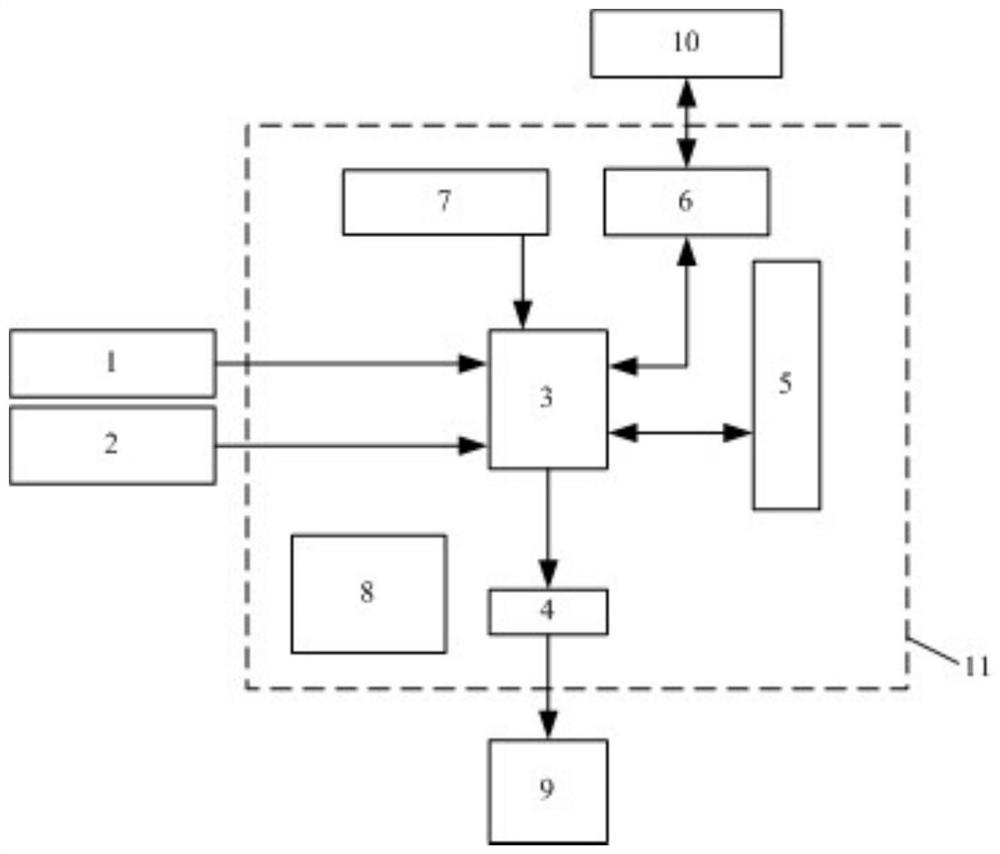
Figure 1 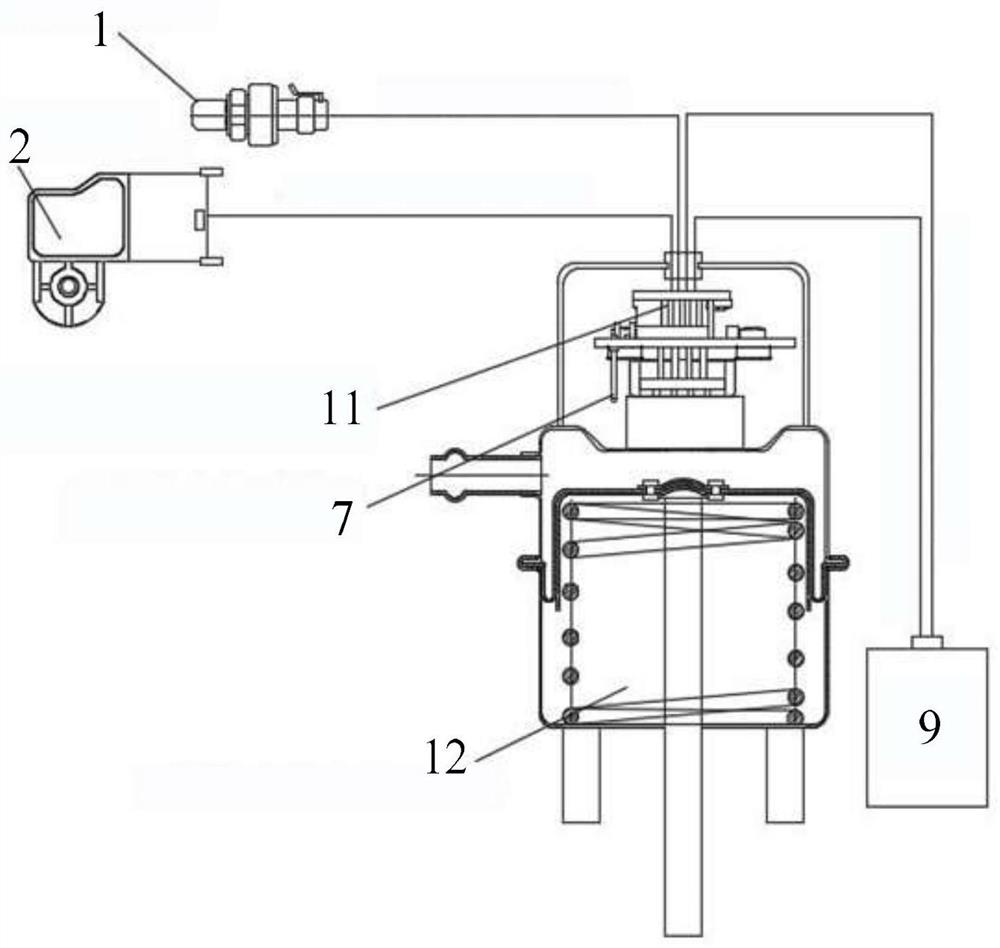
Figure 2 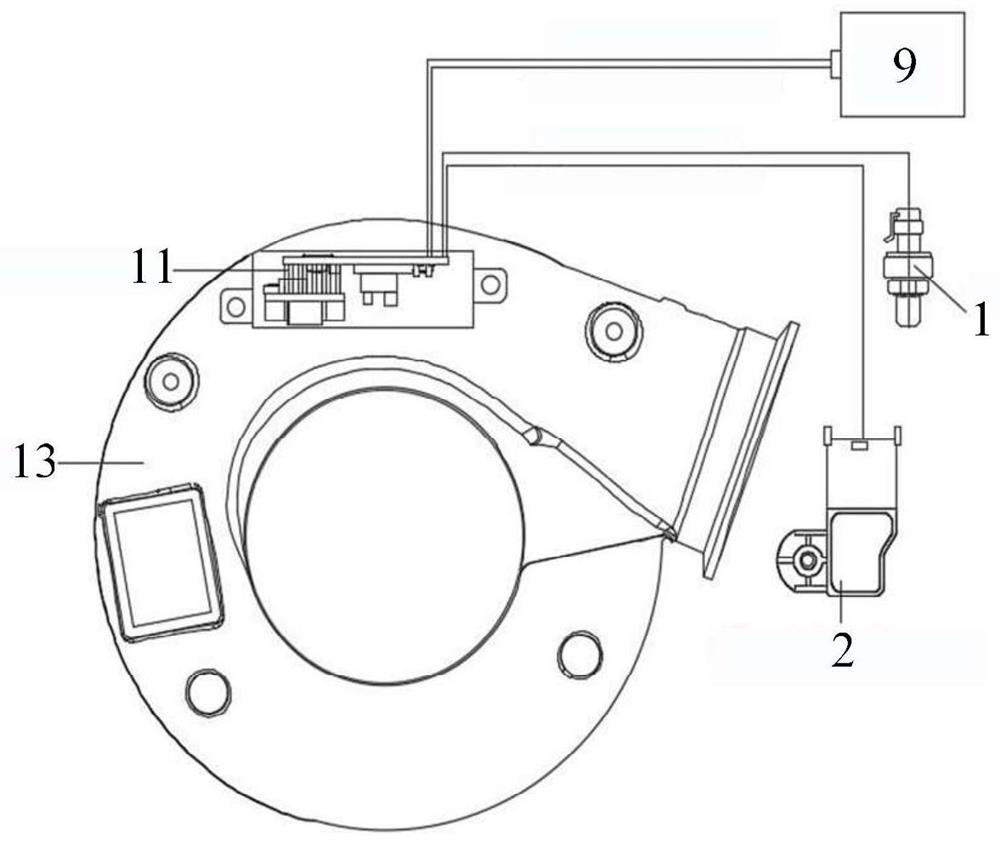
Figure 3
Abstract
Description
technical field
[0001] The invention relates to vehicle data optimization technology, which adjusts the control strategy of the vehicle, belongs to the field of automobile peripheral equipment and auto parts, and in particular relates to an intelligent engine fuel-saving and torque-increasing control device. Background technique
[0002] Existing automotive air intake pressure sensors and rail pressure sensors convert the detected pressure into electrical signals and transmit them to the engine ECU, and the engine ECU corrects the engine speed according to the received voltage signals to adjust the output torque of the engine. It relies heavily on the signals sent by the sensors, cannot adopt different control strategies for different vehicle conditions, and cannot exert the maximum potential of the engine.
[0003] The performance index of the engine set by the vehicle manufacturer is a comprehensive consideration of power, economy and environmental protection. Most of them...
Examples
Embodiment
[0022] Combine below Figure 1-Figure 3 This program will be further described with specific examples.
[0023] Such as Figure 1-Figure 3 As shown, this embodiment relates to an intelligent engine fuel-saving and torque-increasing control device, including a processor 3, a field bus 4, a signal scaler 5, a communication module 6, a temperature sensor 7, and a power management module 8, and the rail pressure sensor 1 The signal output terminal and the signal output terminal of the intake pressure sensor 2 are all connected to the signal input terminal of the processor 3, and the processor 3 sends a signal to the engine ECU 9 through the field bus 4;
[0024] The signal scaler 5 is connected to the processor 3 through a bidirectional signal channel, so that the signal of the processor 3 is transmitted to the signal scaler 5 and then processed by the signal scaler 5 and then returned to the processor 3. The communication module 6 It is connected with the processor 3 through a ...