
Method for degrading tobacco straw lignin
A tobacco stalk and lignin technology, applied in the field of bioengineering, can solve the problems of lignin loss and limit the popularization and application of biological treatment methods
Patent Information
- Authority / Receiving Office
- CN · China
- Current Assignee / Owner
- Publication Date
- 2019-06-14
Smart Images
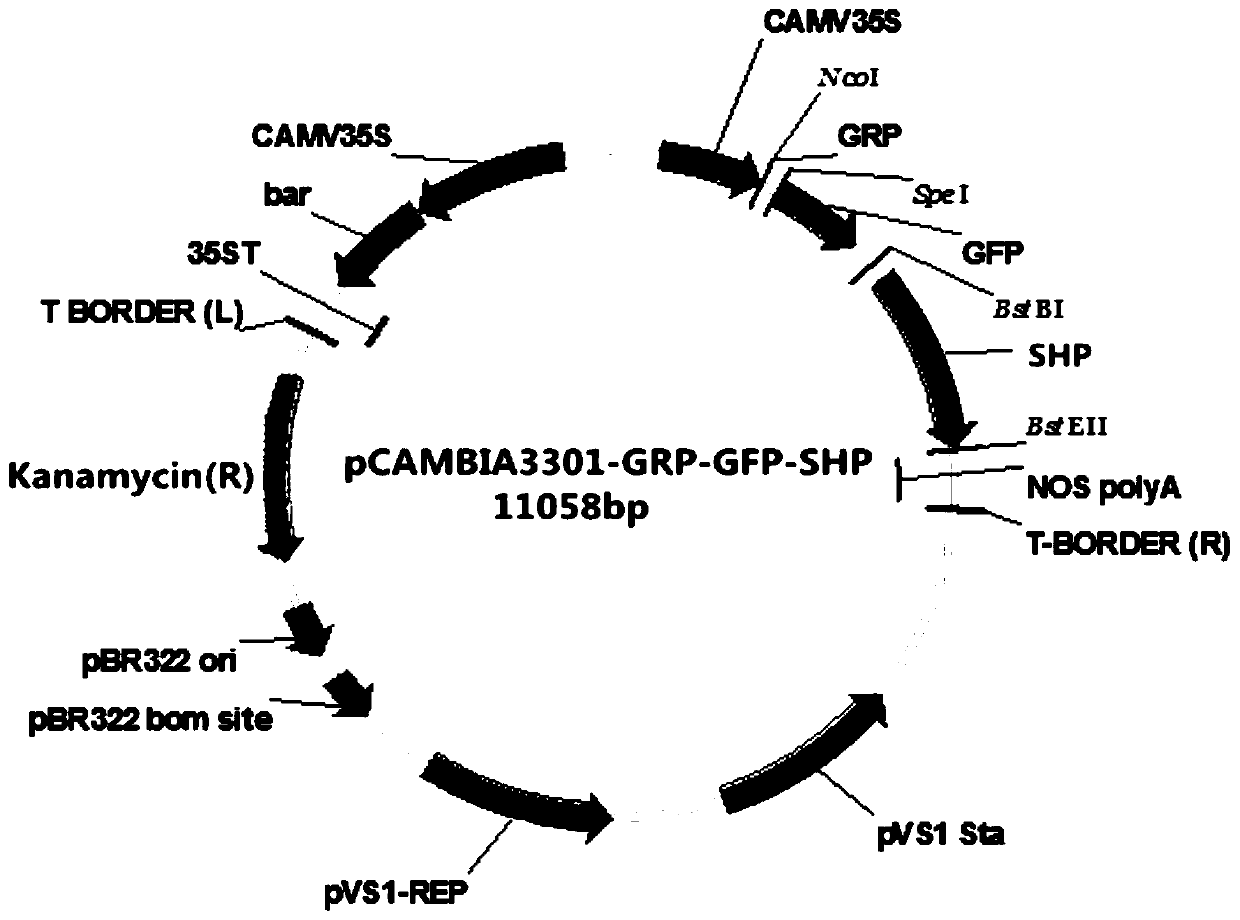
Figure 1 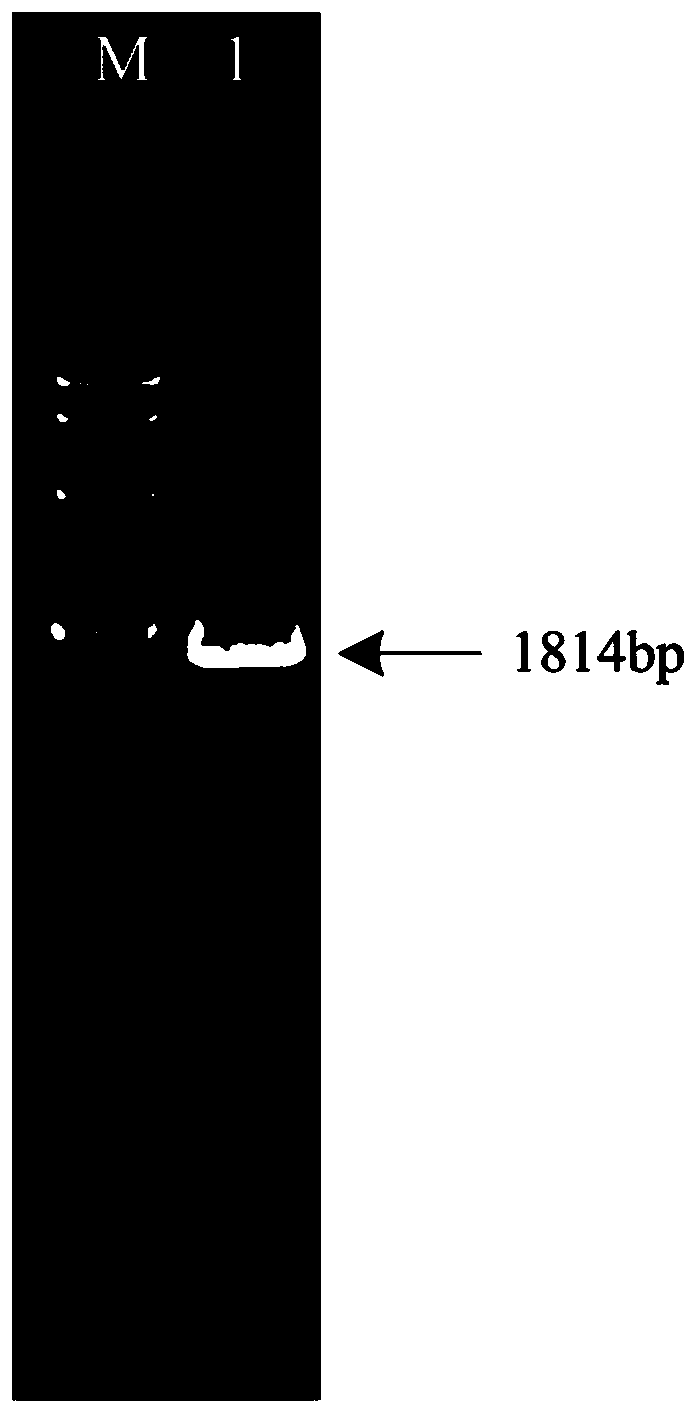
Figure 2 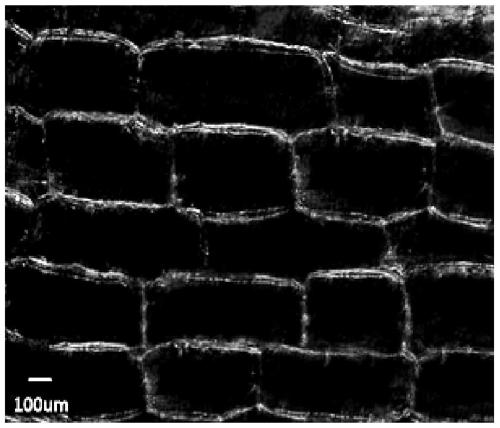
Figure 3
Abstract
Description
technical field
[0001] The invention belongs to the technical field of bioengineering, and in particular relates to a method for degrading tobacco stalk lignin. Background technique
[0002] Lignocellulosic resources are abundant renewable energy substances in nature. As the main carrier of biomass energy, its research and application have been widely concerned at home and abroad. Lignin is one of the three main components of the plant cell wall. It surrounds or binds in the cellulose framework, which can enhance the mechanical strength of the plant body, and at the same time facilitate the water transport of the tissue and resist the adverse invasion of the external environment. The complexity of its structure and the stable form in the body make it difficult to be degraded, industrially separated or transformed, and it has become the primary barrier for the resource utilization of lignocellulose.
[0003] One of the key technologies to improve the quality of corn and othe...
Examples
Embodiment Construction
[0048] The specific embodiments of the invention will be described in detail below, but it should be understood that the protection scope of the present invention is not limited by the specific embodiments. The test methods for which specific conditions are not indicated in the following examples are usually in accordance with conventional conditions, or in accordance with the conditions suggested by each manufacturer. In addition, various enzymes used in the present invention and the following examples are commercially available.
[0049] The present invention uses genetic engineering technology, based on the commonly used tobacco plant expression vector, uses a GRP signal peptide sequence in the rice genome, and converts a coding sequence of soybean hull peroxidase (Soybean hull peroxidase, SHP) gene derived from soybean It is fused with the coding sequence of the green fluorescent protein GFP gene to construct a directional fusion expression vector to promote soybean hull p...