
Method for treating high-solid-content organic wastewater by anaerobic-aerobic deep coupling
A high solid content, organic wastewater technology, applied in aerobic and anaerobic process treatment, water treatment parameter control, chemical instruments and methods, etc., can solve the problems of lack, cell lethal damage, anaerobic reaction failure, etc. The effect of improving shock load resistance, light inhibition, and biogas output improvement
Patent Information
- Authority / Receiving Office
- CN · China
- Current Assignee / Owner
- Publication Date
- 2020-02-14
Smart Images
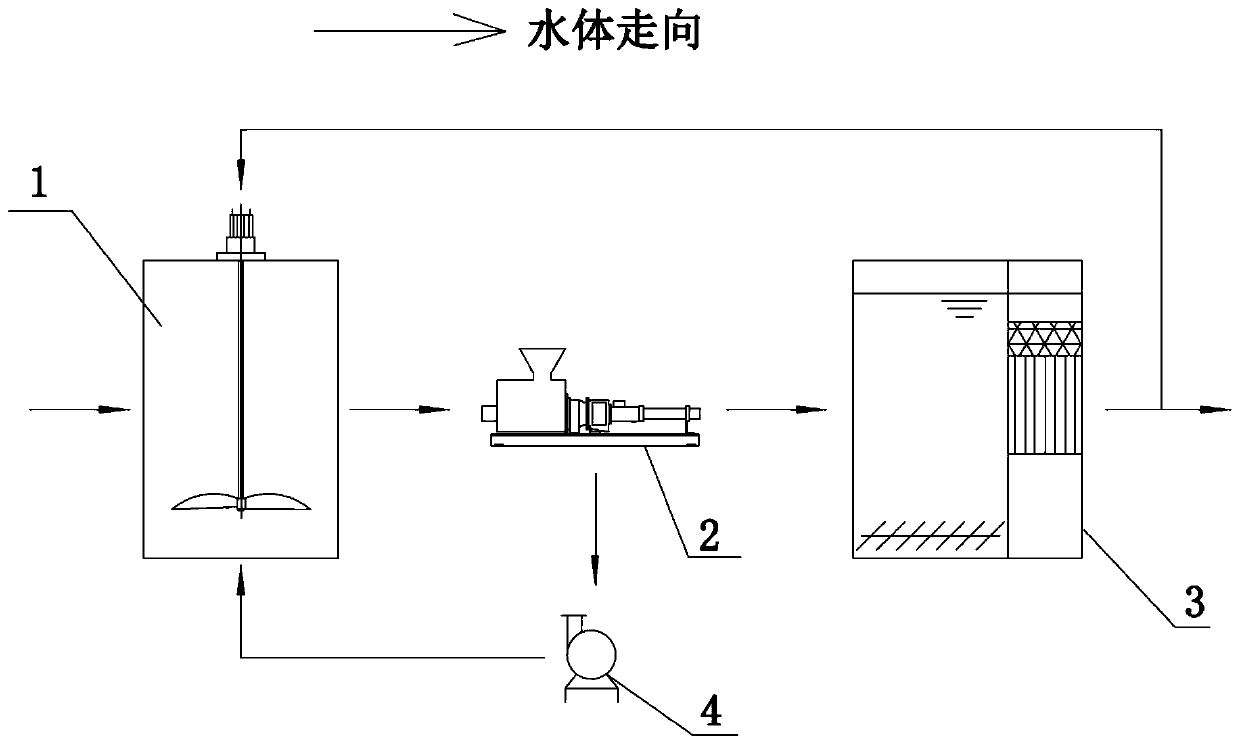
Figure 1 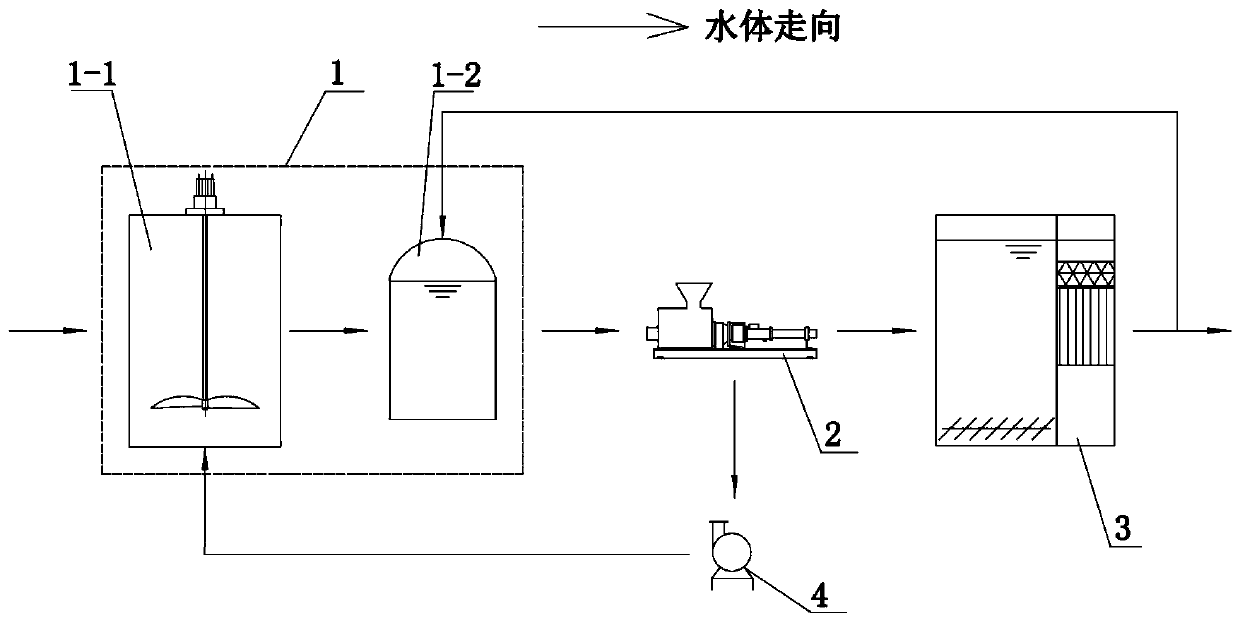
Figure 2 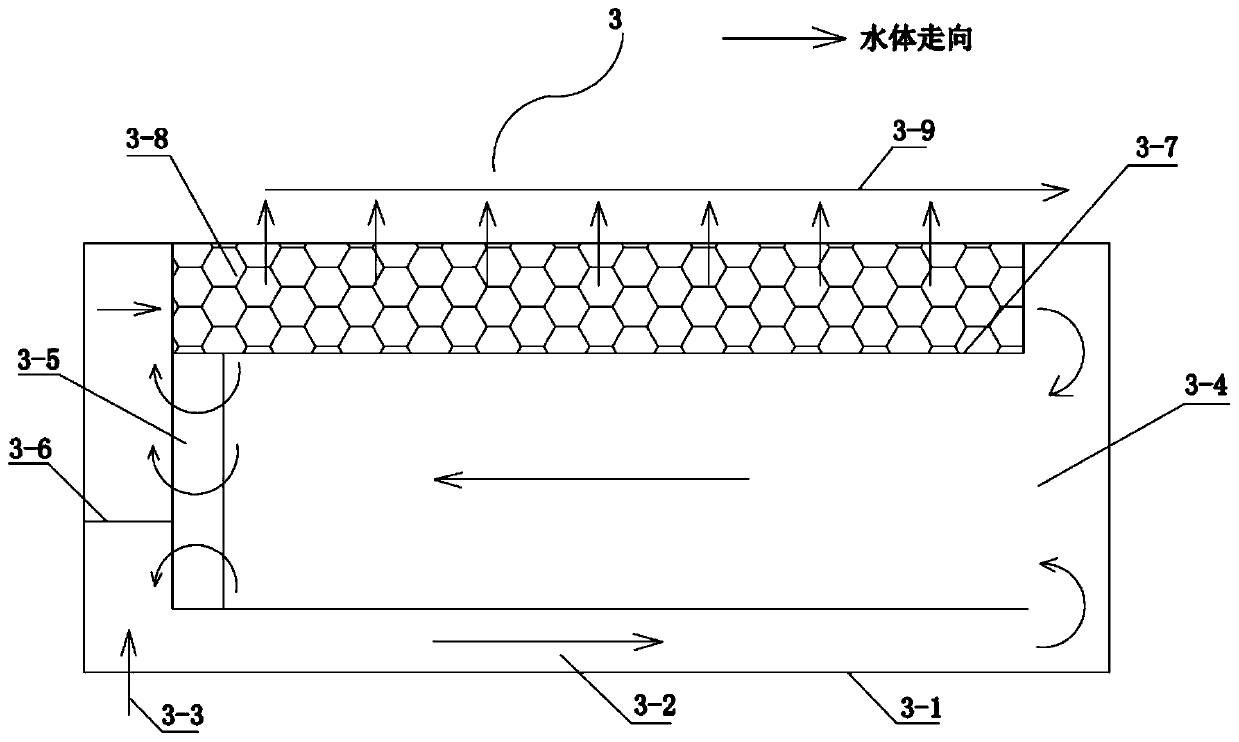
Figure 3
Abstract
Description
technical field
[0001] The invention relates to a method for anaerobic-aerobic deep coupling treatment of organic wastewater with high solid content, and belongs to the technical field of sewage treatment. Background technique
[0002] Anaerobic reactors are generally preferred for waste water treatment and resource utilization. However, since the reactants often contain a large amount of nitrogen-containing substances, during the anaerobic fermentation process, a large amount of protein will be transformed and decomposed, and a large amount of free ammonia nitrogen will be released, resulting in ammonia nitrogen. Accumulated, the ammonia nitrogen concentration often reaches above 2000mg / L. According to research, an important nutritional factor affecting the growth of methanogens is ammonia nitrogen. When the concentration of ammonia nitrogen is 50-200 mg / L, it is conducive to the anaerobic reaction; but when the concentration of ammonia nitrogen reaches 2000 mg / L or more, i...
Examples
application example 1
[0048] A pig farm has 13,500 sows and 150,000 fattening pigs. The manure cleaning method is water-soaked manure mode. The manure and sewage discharge Q=2000m³ / d. Raw water indicators: COD≤18000mg / L, TKN≤1300mg / L, TS<4% , require effluent COD<150mg / L, ammonia nitrogen<100mg / L, and have energy utilization requirements. According to the project requirements, the following process flow is designed: solid-liquid separation unit, anaerobic reaction unit and aerobic reaction unit. The solid-liquid separation unit includes grille, slag separation tank and solid-liquid separator. The anaerobic treatment unit adopts IC reactor, and the aerobic treatment unit adopts synchronous nitrification and denitrification process.
[0049] S1: Feces and sewage pass through the grille, slag separation tank, and solid-liquid separator in sequence, and the floating matter, small particles, and suspended matter in the sewage are intercepted and separated, and after collection, they are composted to obt...