
Method for outputting size-fixed sequence DPP (determinant point process) video summary based on dynamic planning
A dynamic programming and fixed sequence technology, applied in the field of video summarization, which can solve the problems of large gaps, unsatisfactory user satisfaction, and inability to fix the number of key frames.
Patent Information
- Authority / Receiving Office
- CN · China
- Patent Type
- Applications(China)
- Current Assignee / Owner
- Publication Date
- 2020-04-17
Smart Images
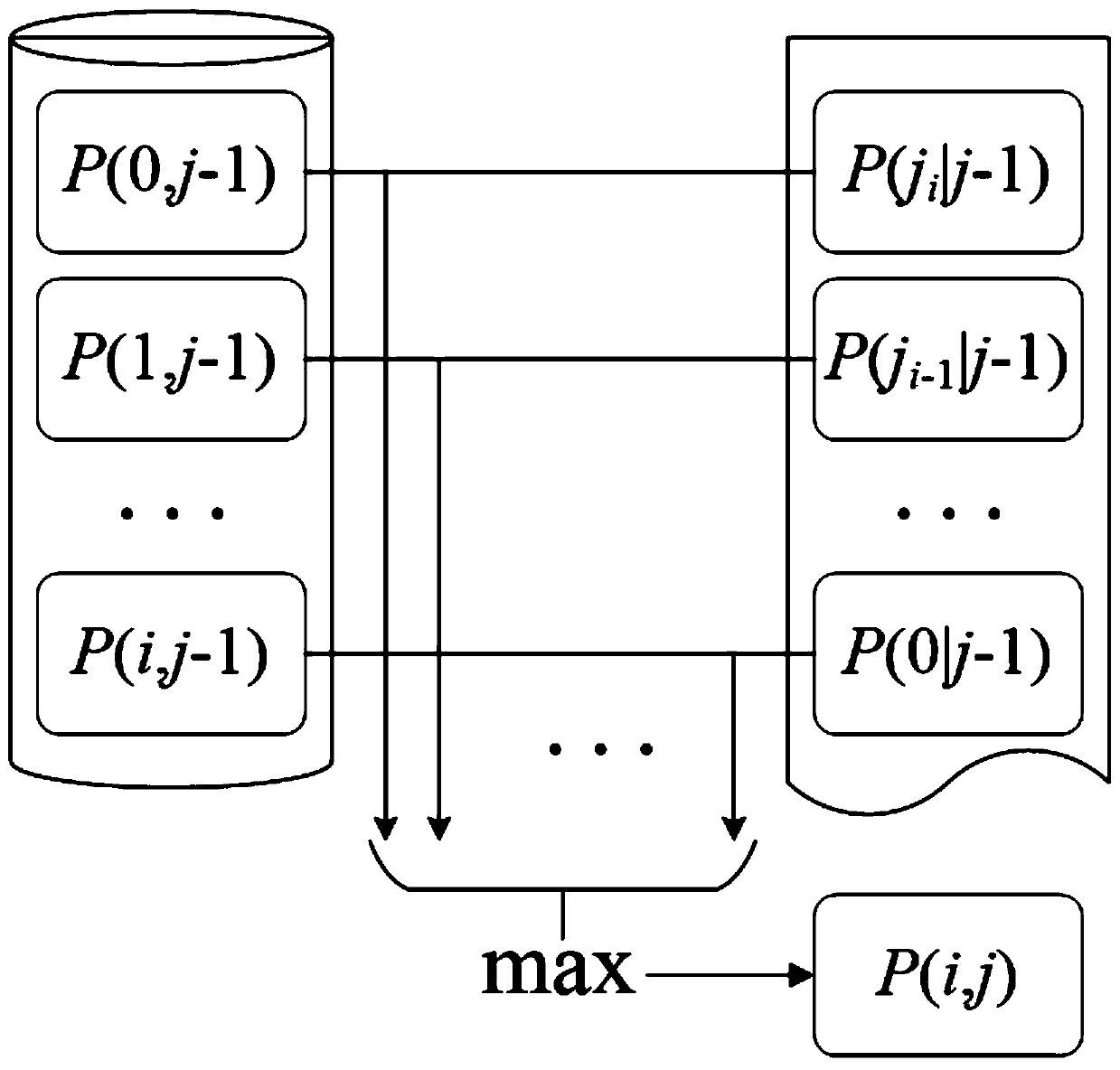
Figure 1 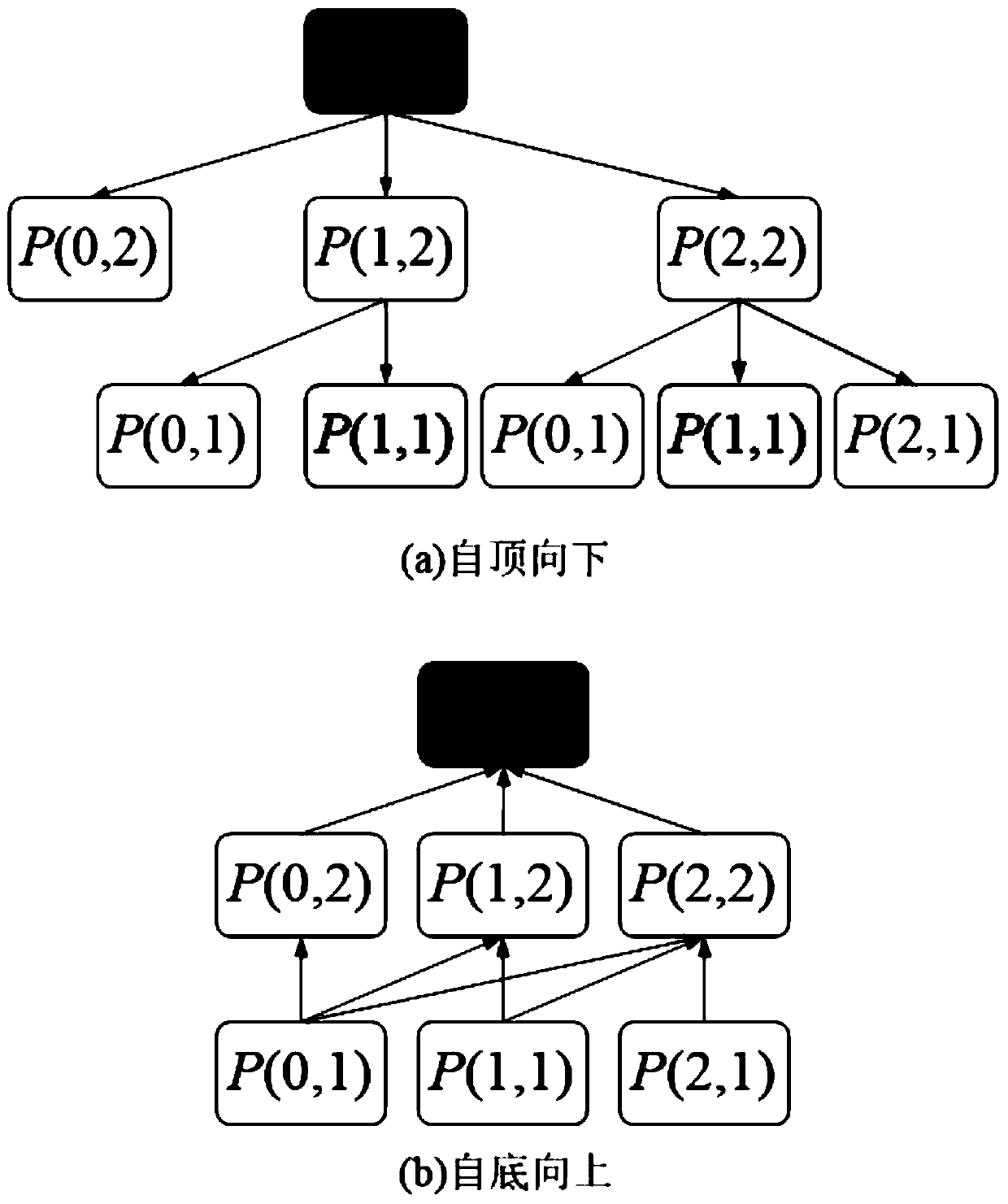
Figure 2 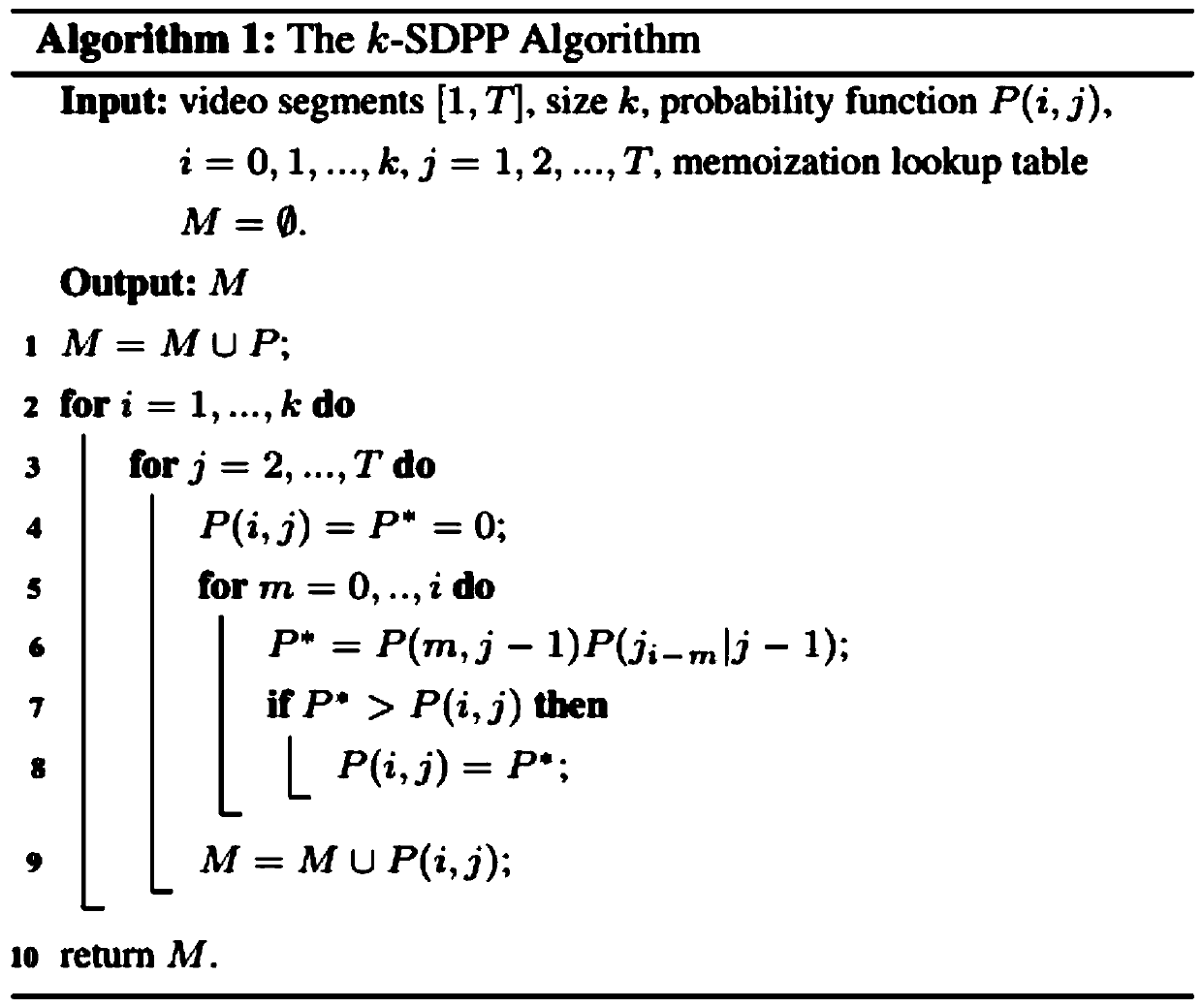
Figure 3
Abstract
Description
technical field
[0001] The invention belongs to the technical field of computers, and in particular relates to a video summarization method. Background technique
[0002] With the rapid development of science and technology, especially the rise of smart phones, almost every mobile phone has a camera function. In other words, in today's era, each of us is a potential photographer, and video data has entered An era of explosive growth. According to statistics, 144,000 hours of video data are uploaded to YouTube every day. In addition, in China, live broadcast platforms such as Douyu, Huya, and Douyin are also "prolific producers" of video data. We are accumulating a large amount of video data every day. Video data has grown explosively, especially the rise of Internet products such as Weibo and live broadcast, which has driven the rapid growth of video data. According to statistics, in 2018, video data accounted for 60% of mobile phone data every month, with a total of 28EB....
Examples
Embodiment Construction
[0048] The present invention will be further explained below in conjunction with the accompanying drawings.
[0049] A kind of output size fixed sequence determinant point process video summary method based on dynamic programming of the present invention, comprises the following steps:
[0050] Step 1, converting the input video into a set of video frames at a set frequency, for example, setting the frequency to 30 frames per second;
[0051] Step 2, considering that the video frames in the same second have very little difference in appearance, therefore, it is enough to reserve one video frame per second, and evenly sample the video frames in the video frame set obtained in step 1 by 1 frame per second to obtain a new A collection of video frames;
[0052] Step 3, image processing is performed on each video frame in the video frame set obtained in step 2, and the feature vector of each video frame is extracted, so that the video frame can be converted into data for processin...