
Method for detecting plant root endophyte containing autotrophic arsenic oxidation function microorganisms
A technology of functional microorganisms and endophytes, which can be used in the determination/inspection of microorganisms, biochemical equipment and methods, etc., and can solve problems such as unclear mechanism of heavy metal tolerance
Patent Information
- Authority / Receiving Office
- CN · China
- Patent Type
- Applications(China)
- Current Assignee / Owner
- Publication Date
- 2022-01-14
Smart Images
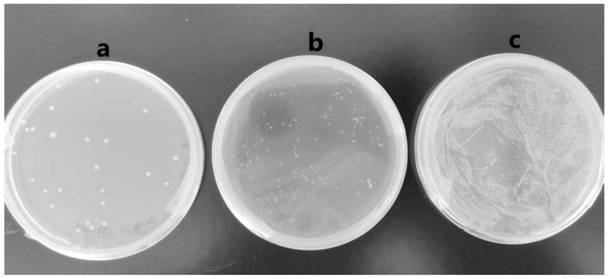
Figure 1 
Figure 2 
Figure 3
Abstract
Description
technical field
[0001] The invention belongs to the field of microbial ecology, and in particular relates to a method for detecting microorganisms containing autotrophic arsenic oxidation function in plant root endophytes. Background technique
[0002] Plant endophytes mainly live in plants and can exert various biological effects on host plants. Studies have shown that plant endophytes can enhance the resistance of host plants to abiotic stresses such as temperature, water, and metal pollution, as well as biotic stresses such as insects, pathogenic bacteria, and nematodes, and at the same time provide plants with the nutrients they need, such as nitrogen sources. Promote plant growth and regulate plant physiological processes.
[0003] In recent years, plant endophytes have received widespread attention at home and abroad due to their unique ecology. A large number of studies have shown that endophytes participate in the physiological functions and various metabolisms of p...
Examples
Embodiment
[0048] A method for detecting whether plant root endophytes contain autotrophic arsenic oxidation functional microorganisms, comprising the following steps:
[0049] 1. Isolation of endophytic bacteria from plant roots
[0050] 1. Pretreatment of plant roots:
[0051] (1) Gently shake off the soil attached to the root of a centipede grass that has been polluted by arsenic in a mining area in Hechi, Guangxi for a long time, and then transfer the root system to a place containing 10mL MgSO 4 (10mM) solution in a centrifuge tube, vortexed for 5min, repeatedly removed the turbid liquid, and then transferred to 10mM MgSO containing Tween 20 (0.01%, V / V) 4 Vortex in the solution for 5 minutes, ultrasonic treatment for 15 minutes; while retaining the last buffer coating, it can be observed that there are more microorganisms growing ( figure 1 a);
[0052] (2) According to the above operation, add 10mL MgSO again 4 (10mM) solution was vortexed for 5min, transferred to 1% NaClO sol...