
Adiponectin fragments and conjugates
Patent Information
- Authority / Receiving Office
- US · United States
- Current Assignee / Owner
- Publication Date
- 2003-09-18
- Estimated Expiration
- Not applicable · inactive patent
Smart Images
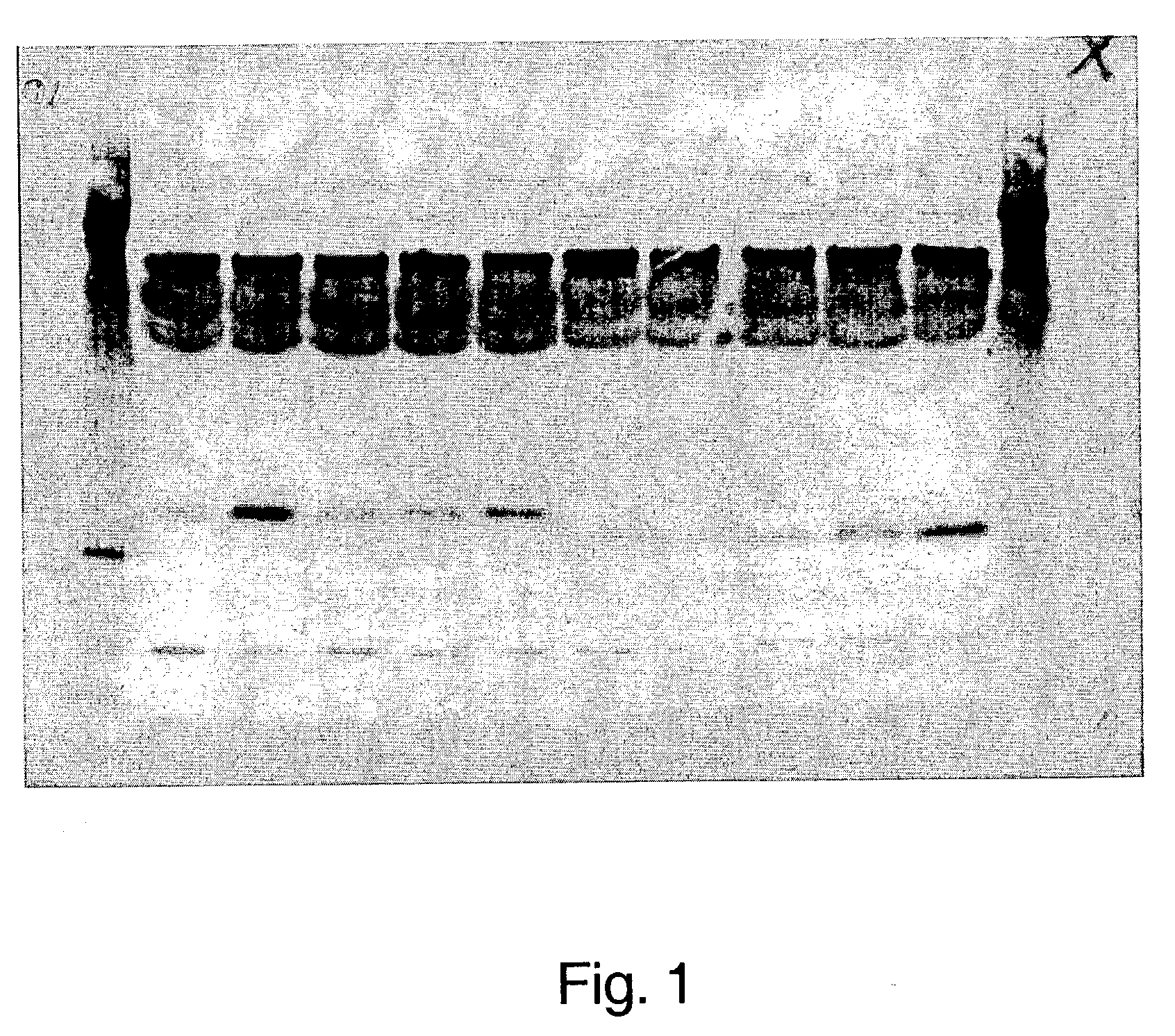
Figure 1 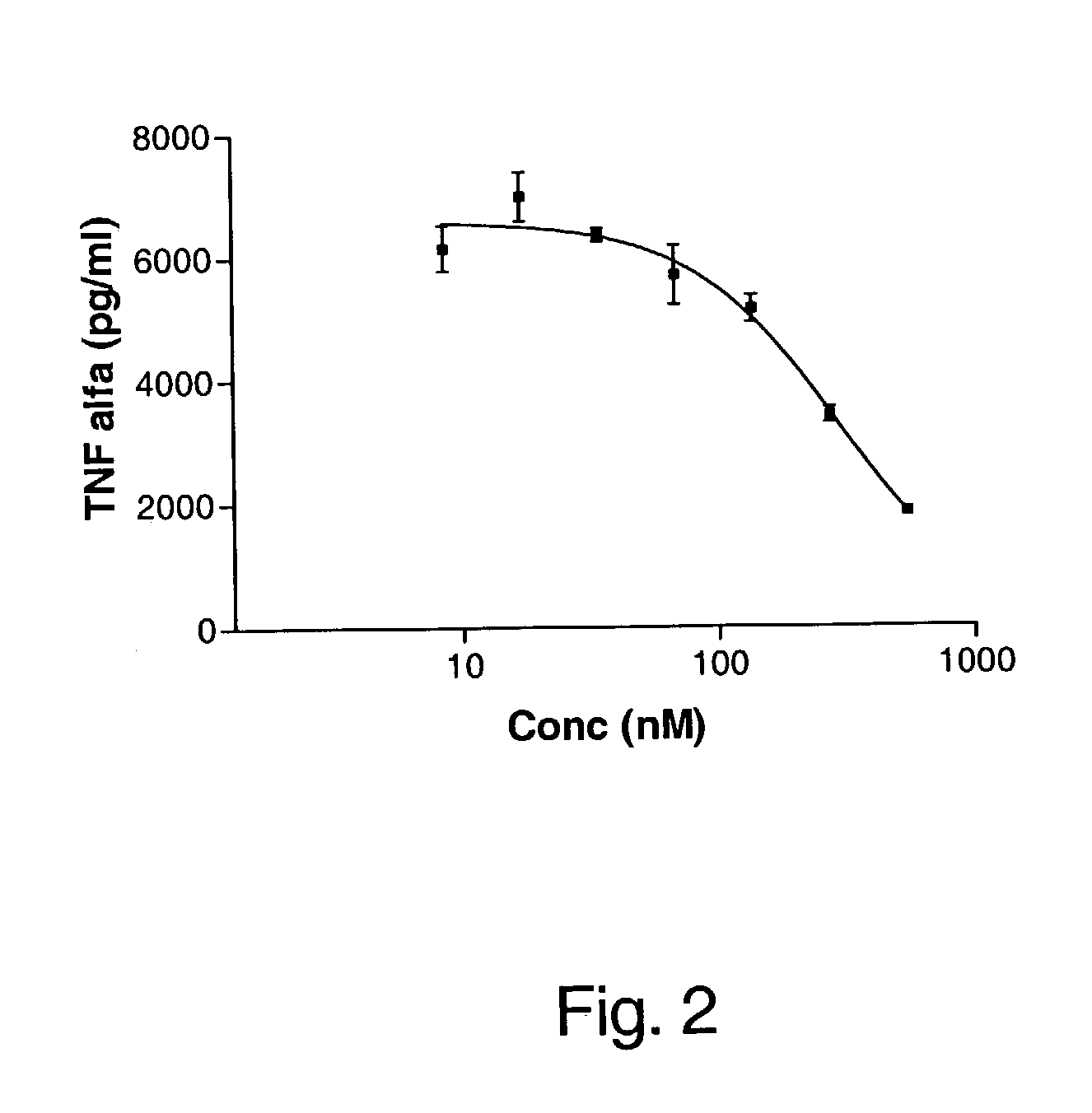
Figure 2 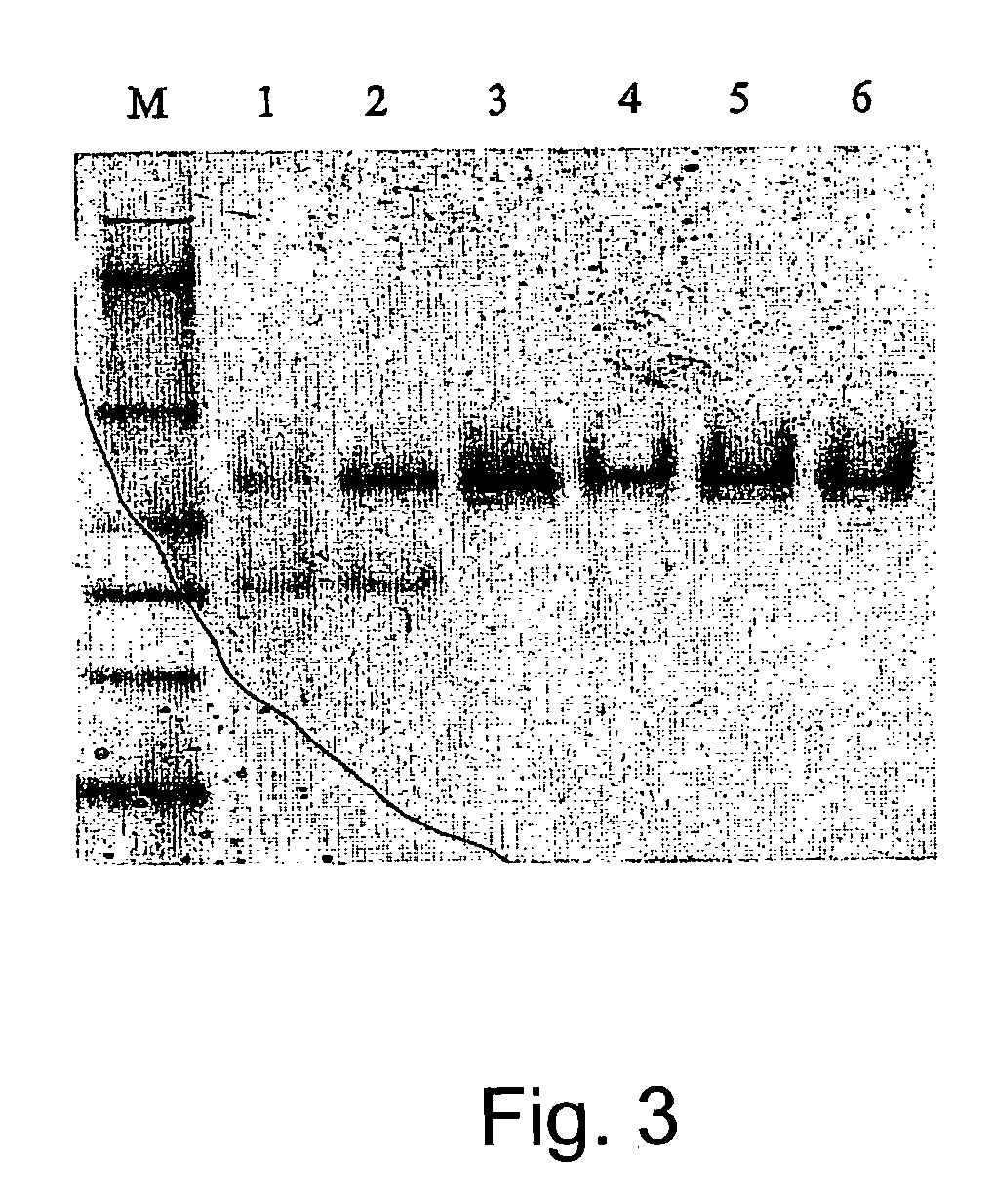
Figure 3
Abstract
Description
[0001] This application claims priority from and benefit of U.S. Application Serial No. 60 / 412,169 filed Sep. 20, 2002; U.S. S No. 60 / 394,117 filed Jul. 3, 2002; U.S. S No. 60 / 375,492 filed Apr. 25, 2002; and U.S. S No. 60 / 343,482 filed Dec. 21, 2001, the disclosure of each of which is incorporated herein in its entirety for all purposes.
[0002] The present invention relates to a novel conjugate comprising an adiponectin polypeptide, to a novel adiponectin polypeptide fragment, to a method of preparing such fragments or conjugates, to a nucleotide sequence encoding the adiponectin polypeptide fragment or part of the conjugate, to an expression vector comprising the nucleotide sequence, to a host cell comprising the nucleotide sequence, to a pharmaceutical composition comprising the conjugate, to a pharmaceutical composition comprising the fragment, to use of the conjugate for the manufacture of a medicament for treatment of type 1 diabetes; impaired glucose tolerance; type 2 diabetes...
Examples
example 1
[0810] Expression / Secretion of apM1(100-244) in CHOK1 Cells
[0811] In order to get the globular domain of human adiponectin (apMl), preceded by the last 8 amino acids of the collagenous region, secreted from CHOK1 cells the following cDNA is constructed: In brief, by using a 5' primer (PBR 196; 5'-CGCGGATCCACCATGCTGTTGCTGGGAGCTGTTCTAC TGCTATTAGCTCTGCCCGGTCATGACGGCAGGAAAGGAGAACCTGGAGAA-3'), encoding the signal peptide of apM1 (M1-D17) and 8 amino acids of the collagenous region (G99-E106), together with a 3' primer (PBR 189; 5'-ATATATCCCAAGCTTTCAGTTGGTGTCATGGTAGA-3') in a PCR reaction containing QUICK-Clone cDNA (Human fat cell derived; #7128-1, Clontech, USA) as template, a cDNA fragment encoding the signal peptide of apMl (M1-D17), the nine last amino acids of the collagenous region (G99-G107) followed by the entire globular domain (A108-N244) is isolated. The SignalP World Wide Web server (http: / / www.cbs.dtu.dk / services / SignalP / ) predicts the presence and location of signal peptide...
example 2
[0814] Expression / Secretion of apM1(82-244) in CHOK1 Cells
[0815] In order to get the globular domain of human adiponectin (apM1), preceded by the last 26 amino acids of the collagenous region, secreted from CHOKI cells the following cDNA is constructed: In brief, by using a 5' primer (PBR 195; 5'-CGCGGATCCACCATGCTGTTGCTGGGAGCTGTTCTAC TGCTATTAGCTCTGCCCGGTCATGACGGTGAAACCGGAGTACCCGGGGCT-3'), encoding the signal peptide of apMl (M1-D17) and 8 amino acids of the collagenous region (G81-A88), together with a 3' primer (PBR 189; 5'-ATATATCCCAAGCTTTCAGTTGGTGTCATGGTAGA-3') in a PCR reaction containing QUICK-Clone cDNA (Human fat cell derived; # 7128-1, Clontech, USA) as template, a cDNA fragment encoding the signal peptide of apM1 (M1-D17), the 27 last amino acids of the collagenous region (G81-G107) followed by the entire globular domain (A108-N244) is isolated. The SignalP World Wide Web server (http: / / www.cbs.dtu.dklservices / SignalP / ) predicts the presence and location of signal peptide c...
example 3
[0818] Expression / Secretion of apM1(58-244) in CHOK1 Cells
[0819] In order to get the globular domain of human adiponectin (apM1), preceded by the last 50 amino acids of the collagenous region, secreted from CHOKI cells the following cDNA is constructed: In brief, by using a 5' primer (PBR 203; 5'-CGCGGATCCACCATGCTGTTGCTGGGAGCTGTTCTACTGCTATTAGCTCT-GC CCGGTCATGACGGCAGAGATGGCACCCCTGGTGAG-3'), encoding the signal peptide of apM1 (M1-D17) and 8 amino acids of the collagenous region (G57-E64), together with a 3' primer (PBR 189; 5'-ATATATCCCAAGCTTTCAGTTGGTGTCATGGTAG-A-3') in a PCR reaction containing QUICK-Clone cDNA (Human fat cell derived; # 7128-1, Clontech, USA) as template, a cDNA fragment encoding the signal peptide of apM1(M1-D17), the 51 last amino acids of the collagenous region (G57-G107) followed by the entire globular domain (A108-N244) is isolated. The SignalP World Wide Web server (http: / / www.cbs.dtu.dk / services / SignalP / ) predicts the presence and location of signal peptide ...