
Representation and verification of data for safe computing environments and systems
a technology of safe computing environment and data, applied in the direction of digital transmission, unauthorized memory use protection, instruments, etc., can solve the problems of more complex computing system that can store content, and achieve the effect of less time, and effective use of data integrity
Patent Information
- Authority / Receiving Office
- US · United States
- Patent Type
- Applications(United States)
- Current Assignee / Owner
- Publication Date
- 2010-04-29
- Estimated Expiration
- Not applicable · inactive patent
Smart Images
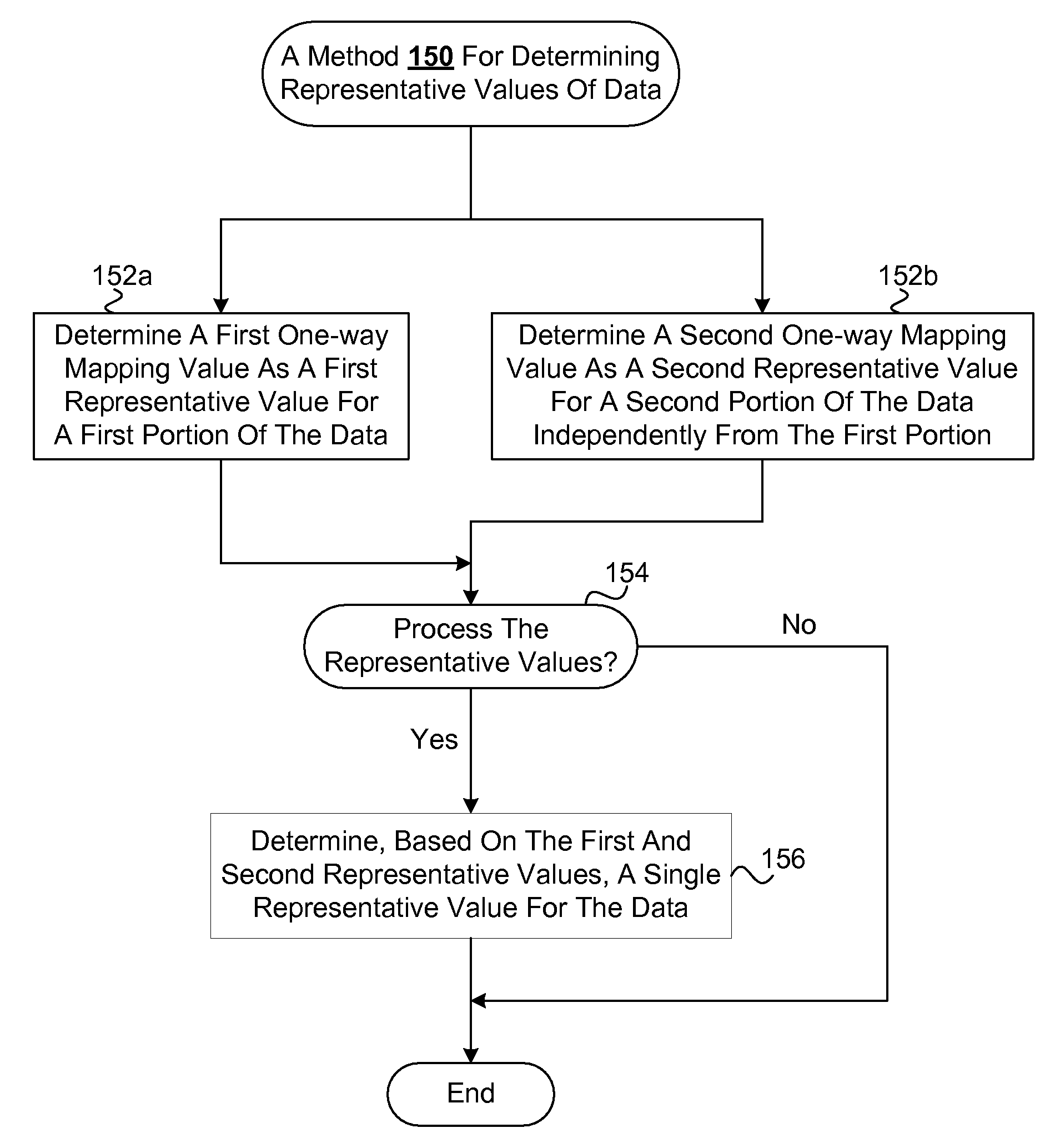
Figure 1 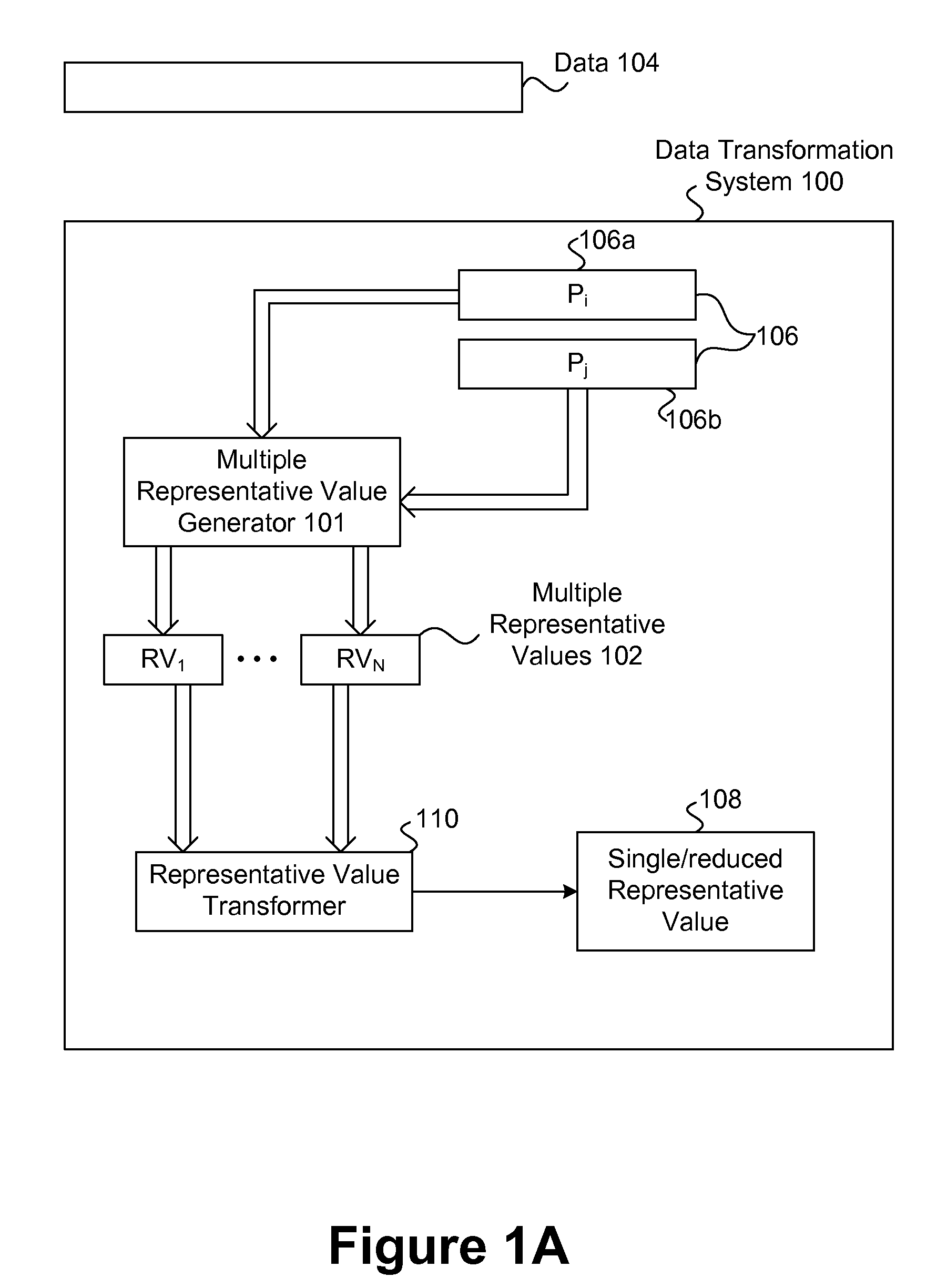
Figure 2 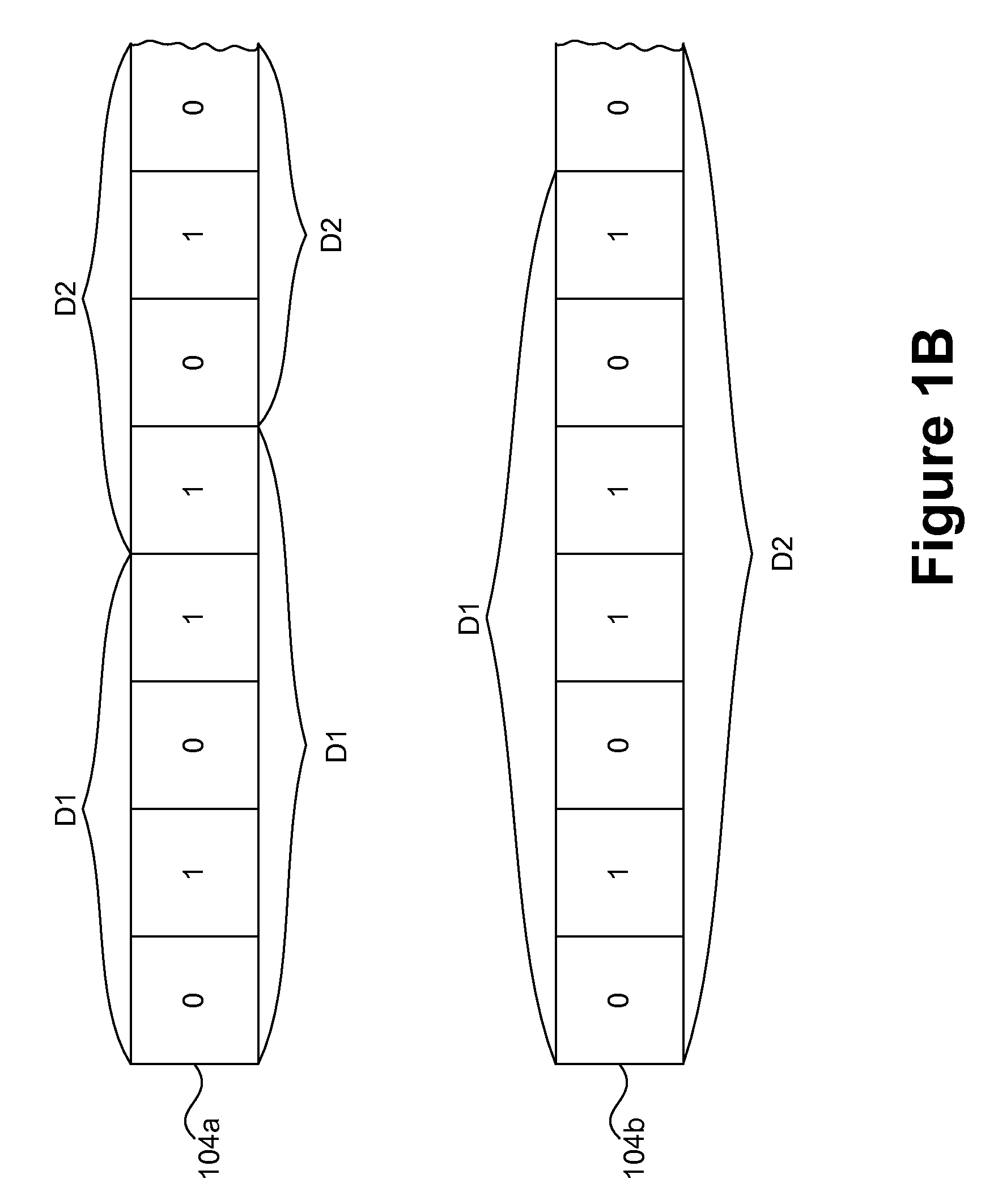
Figure 3
Abstract
Description
BACKGROUND OF THE INVENTION
[0001] Conceptually, a computing system (e.g., a computing device, a personal computer, a laptop, a Smartphone, a mobile phone) can accept information (content or data) and manipulate it to obtain or determine a result based on a sequence of instructions (or a computer program) that effectively describes how to process the information. Typically, the information is stored in a computer readable medium in a binary form. More complex computing systems can store content including the computer program itself. A computer program may be invariable and / or built into, for example a computer (or computing) device as logic circuitry provided on microprocessors or computer chips. Today, general purpose computers can have both kinds of programming. A computing system can also have a support system which, among other things, manages various resources (e.g., memory, peripheral devices) and services (e.g., basic functions such as opening files) and allows the resources to...
Examples
Embodiment Construction
[0034]As noted in the background section, mobile devices are becoming increasingly more popular. Today, wireless networks and mobile communication devices (e.g., Smartphones, cell phones, Personal Digital Assistants) are especially popular. Unfortunately, however, partly because of this popularity, more and more malicious attacks are being directed to wireless networks and mobile communication devices. In addition, recent developments, including relatively new services (e.g., email, file transfer and messaging), and use of common software platforms (e.g., Symbian, Embedded Linux, and Windows CE operating systems) has made mobile communication devices relatively more exposed to malicious attacks. The exposure to malicious attacks could worsen as the wireless networks and mobile communication devices continue to evolve rapidly. Today, wireless and / or portable communication devices (e.g., cell phones, Smartphones) can offer similar functionality as that more traditionally offered by Pe...