
Method of analyzing microparticle composition and microparticle composition analyzing device
Patent Information
- Authority / Receiving Office
- US · United States
- Current Assignee / Owner
- Publication Date
- 2013-01-10
Smart Images
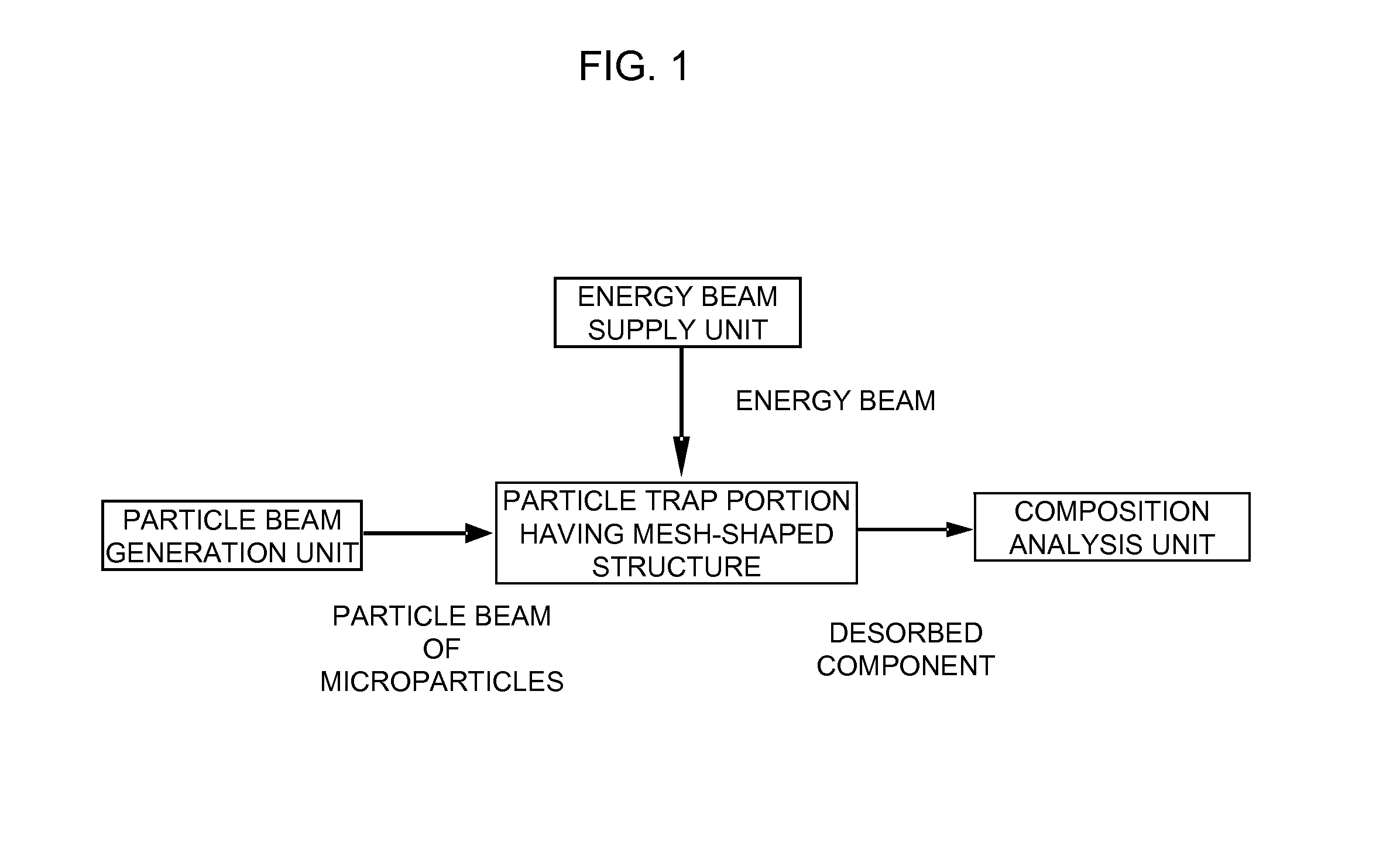
Figure 1 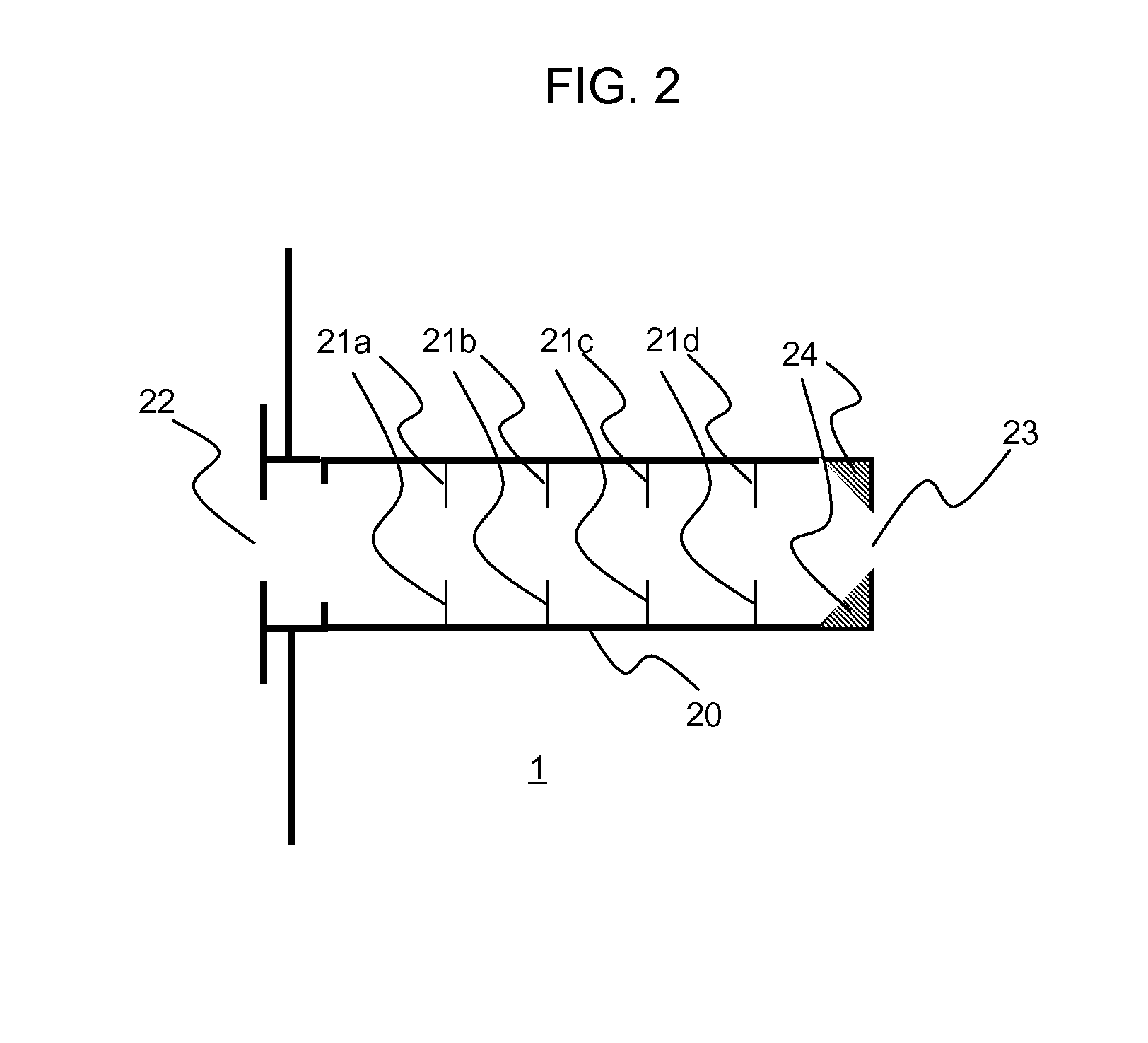
Figure 2 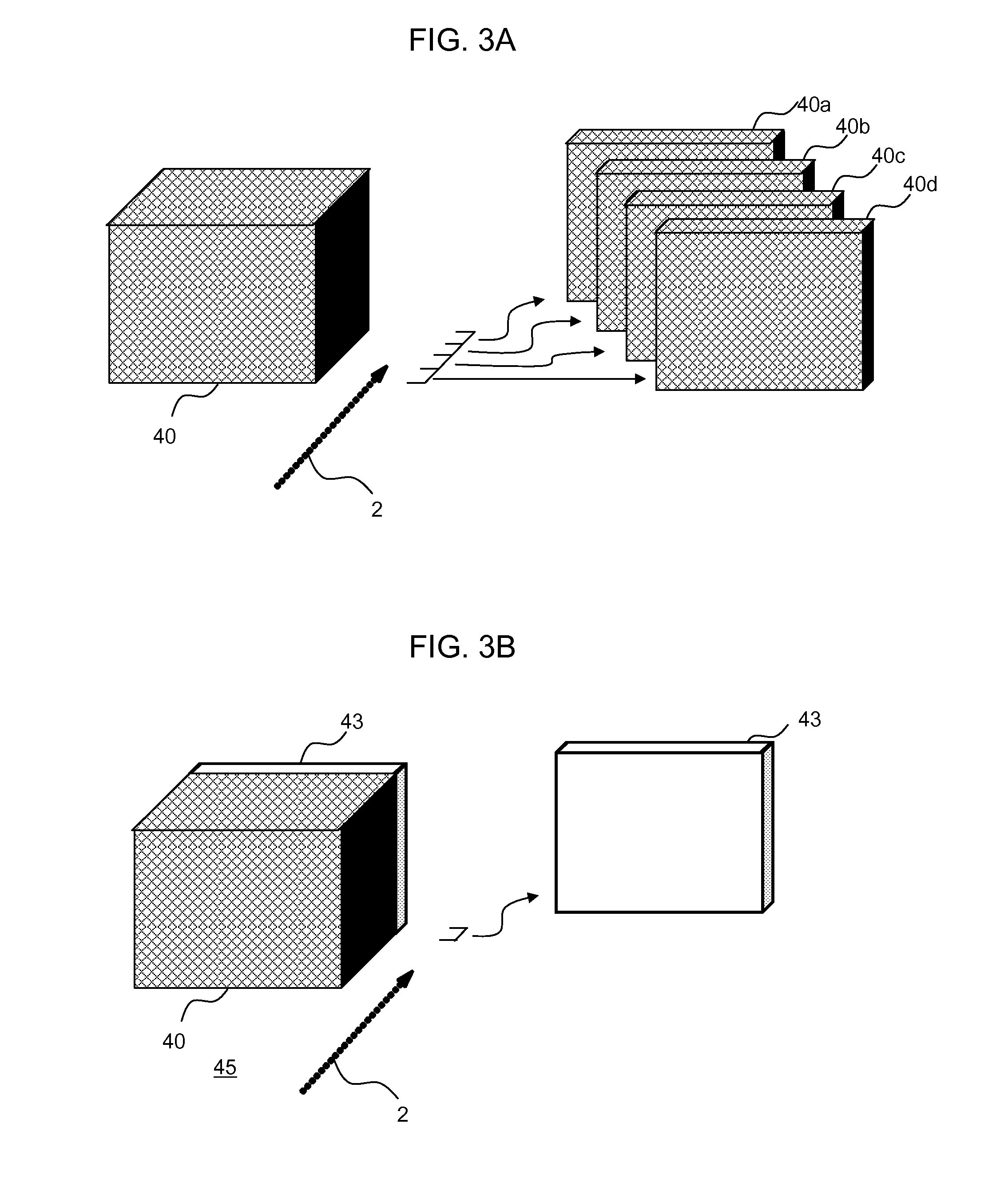
Figure 3
Abstract
Description
TECHNICAL FIELD
[0001] The present invention relates to a method of analyzing a microparticle composition and an apparatus for analyzing a microparticle composition, which are suitable for quantifying, for example, a mass concentration of each chemical composition of microparticles floating in air (aerosol).BACKGROUND ART
[0002] In recent years, there is a growing concern about an influence of an atmospheric environment on health, and for example, a new environmental standard for an atmospheric microparticle concentration has been established. For example, diesel microparticles are deposited in the back of the airway such as the alveoli to harm health. A particle size of microparticles is an important factor for a health risk. As the particle size is smaller, there is a higher risk that the particles reach the alveoli through the mouth, nose, trachea, and bronchi that are organs of respiration of a human to harm health. Thus, a standard based on an atmospheric concentration of particles...
Examples
Example
Test Example 1
Measurement of Sulfate Aerosol
[0112]An apparatus for analyzing a microparticle composition having a configuration of an apparatus for analyzing a microparticle composition 50 illustrated in FIG. 9 was produced, and the mass concentration of ammonium sulfate particles in a gas was quantified. An aerosol containing monodisperse ammonium sulfate particles was generated by spraying and drying an ammonium sulfate aqueous solution to generate polydisperse particles, and then the polydisperse particles were allowed to pass through a classification device of a differential mobility analyzer (DMA).
[0113]The apparatus for analyzing a microparticle composition was adjusted so that the pressures in the chambers of the vacuum chambers 11a, 11b, and 11c were set to be 10−3 to 10−2 [Torr], 10−5 to 10−4 [Torr], and 10−7 to 10−6 [Torr], respectively, and the flow rate of a gas to be introduced into the aerodynamic lens 1 was 80 to 90 [cc / min]. After air as a carrier gas was preliminary...
Example
Test Example 2
Linearity and Quantitativity of Measurement
[0115]A test similar to Test Example 1 was conducted by changing the mass concentration of ammonium sulfate particles in an aerosol to be introduced into the apparatus from 36, 37, 52, 61, 93, 137, to 199 μg / m3. FIG. 14 shows a relationship between an accumulated mass of a microparticles introduced into the apparatus and a time integration amount of ion signals (sum of m / z 48 and m / z 64).
[0116]As a result, the accumulated mass of microparticles and the time integration amount of ion signals had a positive correlation, and satisfactory linearity was exhibited in the correlation therebetween in the range of the mass of microparticles subjected to the test. Thus, it was clarified that microparticles was able to be analyzed quantitatively.
Example
Test Example 3
Measurement of Nitrate Aerosol and Analysis of Capture Efficiency of Microparticles
[0117]The particle capture efficiency of a particle trap was analyzed. An aerosol containing potassium nitrate particles was measured in the same way as in Test Example 1.
[0118]It should be noted that, in order to measure the capture efficiency, it is necessary to grasp the state in which 100% of microparticles introduced into the apparatus and applied to the particle trap were measured. Then, potassium nitrate particles coated with oil (oleic acid) were generated and measured, and the result of the measurement was grasped. More specifically, it is known from the conventional study that, when dry solid particles such as potassium nitrate and ammonium sulfate collide with a surface at a high speed, a considerable part thereof bounces off the surface, but liquid particles such as oil or solid particles which are coated with a liquid to some degree hardly bounce off the surface. In other wo...