
Composition and Method for Reducing Post-Prandial Blood Glucose
a post-prandial blood glucose and composition technology, applied in the direction of biocide, peptide/protein ingredients, plant/algae/fungi/lichens ingredients, etc., can solve the problems of limited usefulness and safety of many anti-obesity products, and achieve the effect of reducing post-prandial glycogen levels, reducing not only the initial rise in blood glucose, and maintaining healthy blood glucose levels
Patent Information
- Authority / Receiving Office
- US · United States
- Patent Type
- Applications(United States)
- Current Assignee / Owner
- Publication Date
- 2013-05-23
- Estimated Expiration
- Not applicable · inactive patent
Smart Images
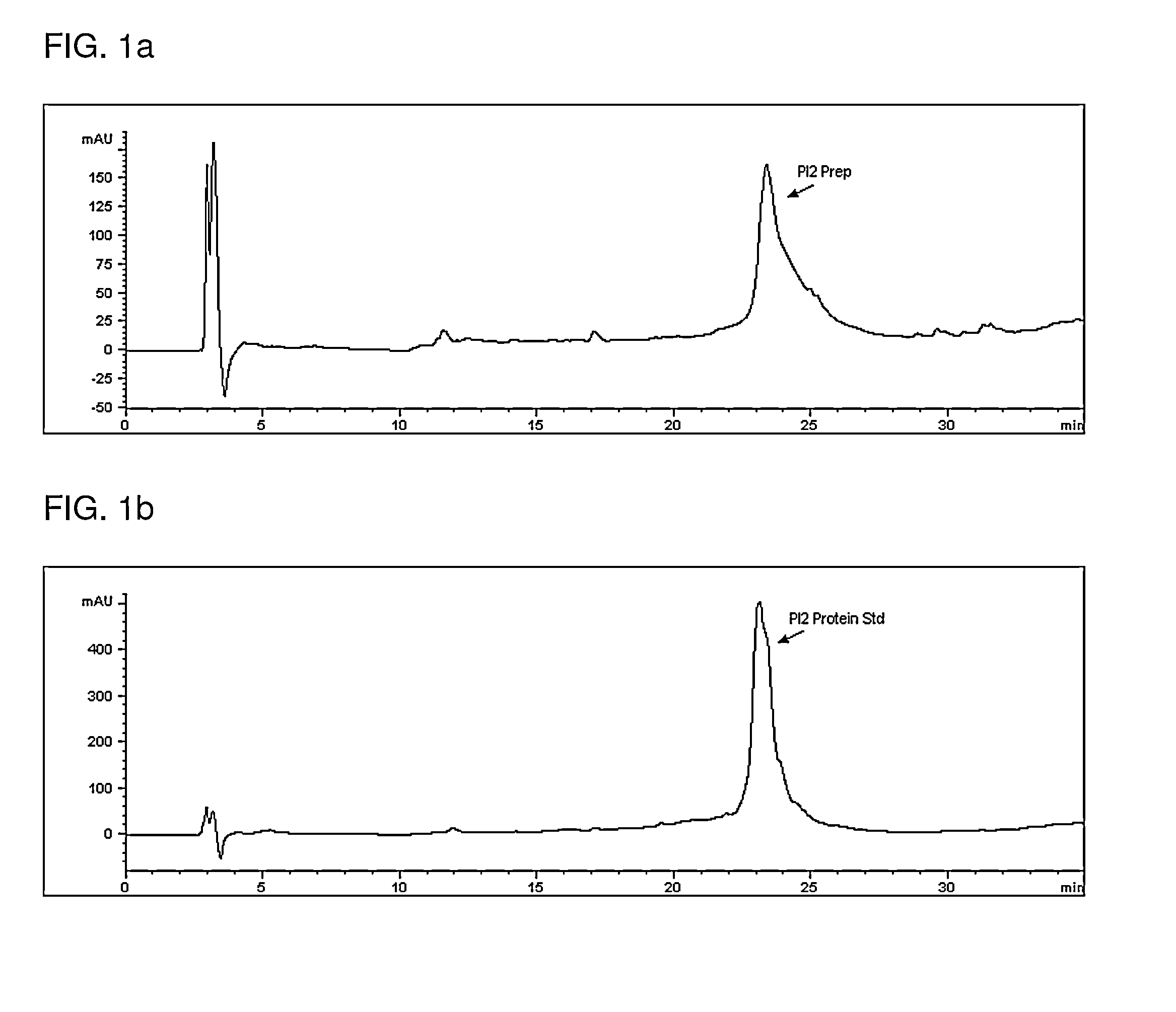
Figure 1 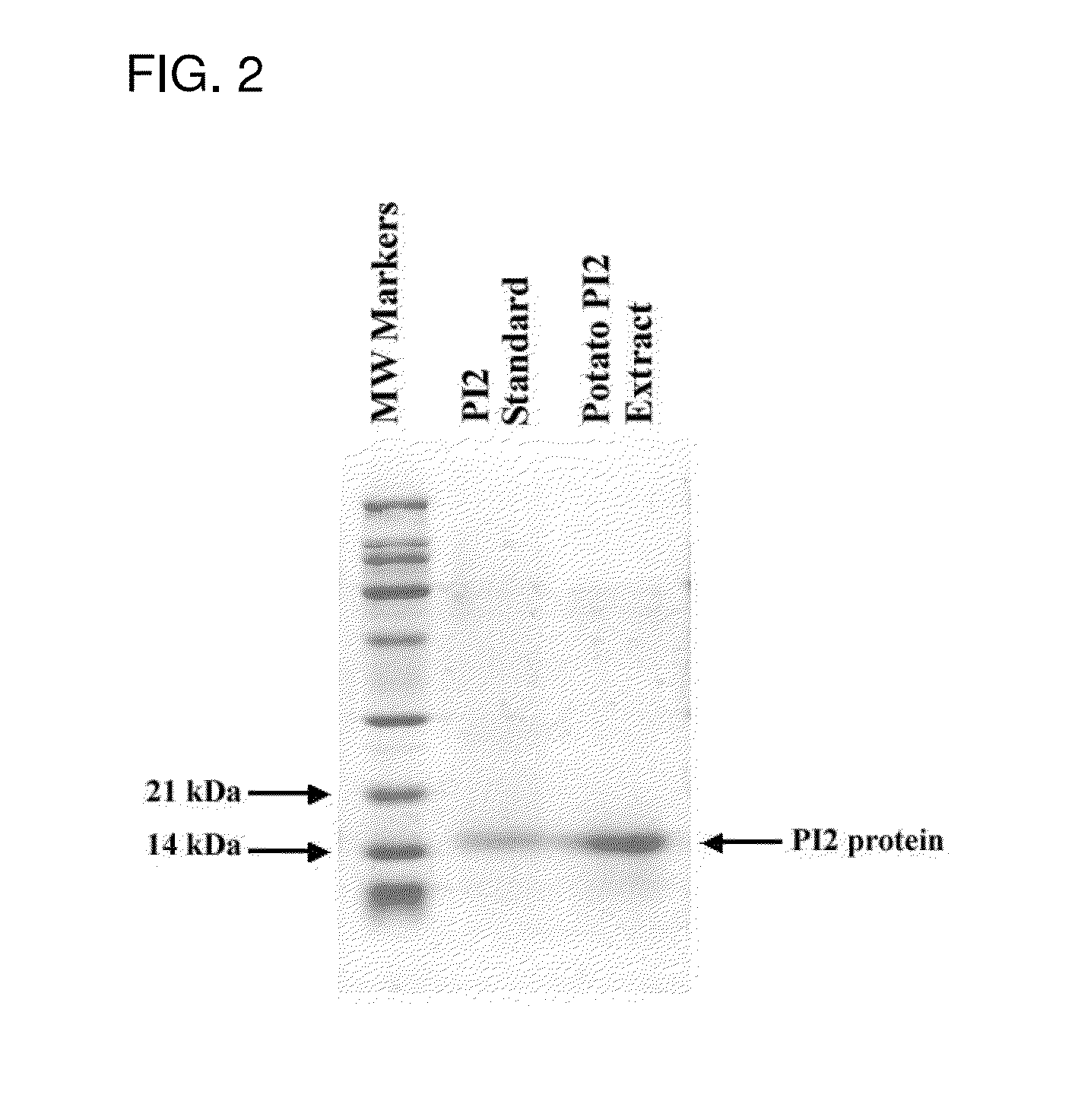
Figure 2 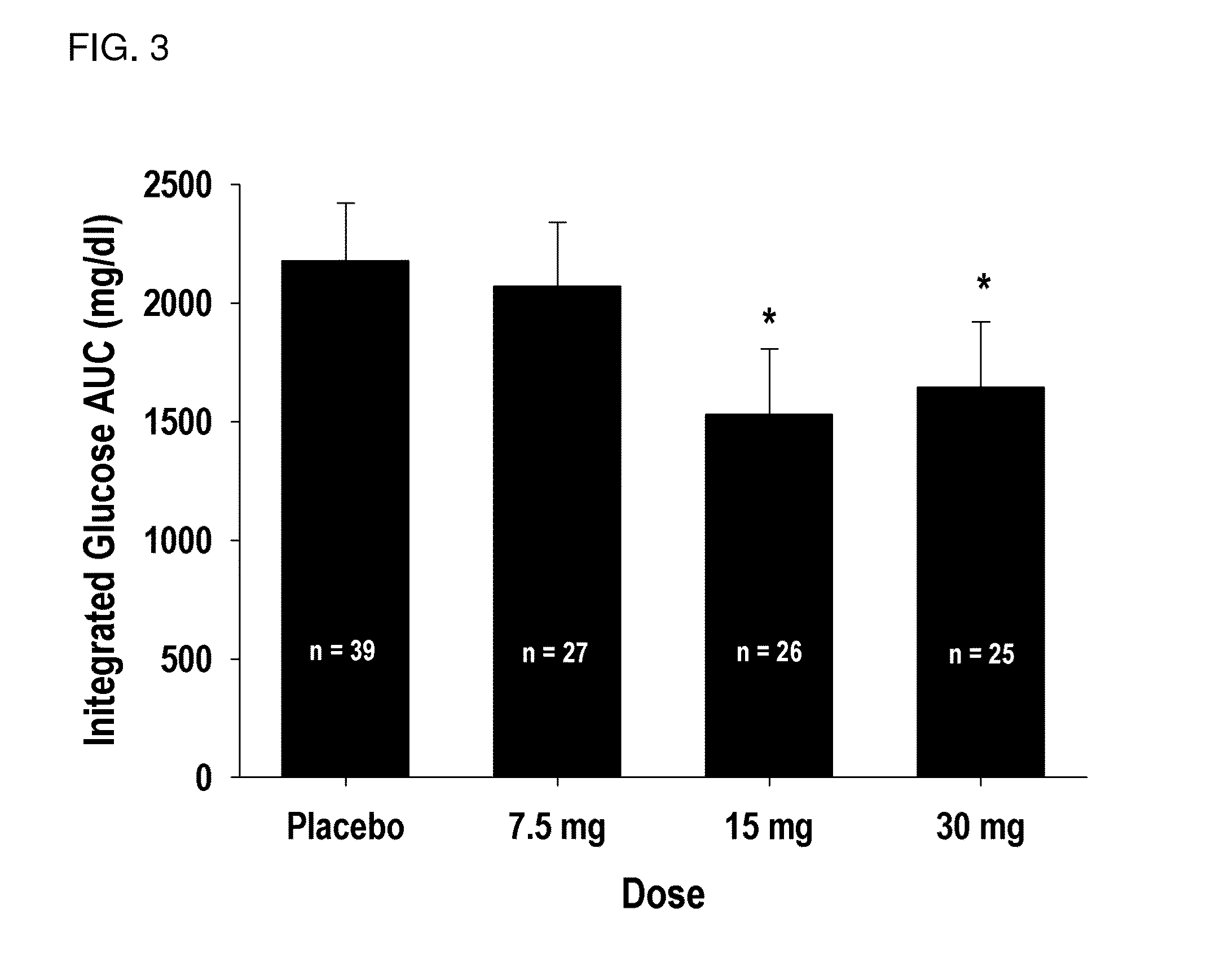
Figure 3
Abstract
Description
[0001] This application is a divisional application of U.S. patent application Ser. No. 10 / 426,678, filed on Apr. 30, 2003, which claims priority to U.S. patent application Ser. No. 09 / 900,555, filed on Jul. 6, 2001, which issued as U.S. Pat. No. 6,767,566 on Jul. 27, 2004.BACKGROUND OF THE INVENTION
[0002] The invention relates to compositions for reducing post-prandial blood glucose in humans and, more specifically, to a proteinase inhibitor that delays gastric emptying and reduces post-prandial glycemia which may be beneficial in combating obesity and Type II diabetes.
[0003] Regulation of body weight depends on genetic as well as physiologic and lifestyle factors that are known to influence energy balance, such as diet, appetite control, metabolism, and physical activity (Aronne, L. J. (2001) J Clin Psychiatry 62, 13-22; Fernandez-Lopez, J. A., Remesar, X., Foz, M. & Alemany, M. (2002) Drugs 62, 915-44). Despite measures to combat obesity and an increased awareness of the associated ...
Examples
example 1
Methods
Subjects
[0024]Twenty-six men and 13 women, mean age 35 years (range 23-61 years) with a mean body mass index of 27 (range 23-32) participated in the study. Sample size was based on the study by Schwartz et al. who showed significant decreases in mean post-prandial glucose in six type II diabetic subjects following ingestion of a glucose / protein shake in the presence and absence of a high dose of PI2 (1.5 g). All subjects gave informed consent before the study began, and could withdraw at any time.
Study Design
[0025]Subjects were randomly allocated to receive placebo and two of the three following doses: 7.5, 15, or 30 mg PI2 extract. On each study day subjects arrived at 8.00 AM after a 10 hour fast. They were given breakfast and 500 ml of water to drink throughout the morning, but ate nothing further until the test meal. Height and weight of all subjects were recorded during their first visit. Three and a half hours after breakfast the first blood glucose measurement was made...
example 2
[0044]To better understand if the trypsin / chymotrypsin inhibiting activity of the PI2 protein was related to the glucose response to the potato proteinase inhibitor extract, a preparation that purified the PI2 fraction from the potato proteinase inhibitor extract (abbreviated pPI2) was tested along side a preparation of Bowman-Birk inhibitor after meal challenge. The Bowman-Birk inhibitor used was obtained from Sigma-Aldritch and had a stated purity of greater than 80%. Bowman-Birk inhibitor has similar enzyme inhibiting properties as pPI2. The meal challenge was conducted at a breakfast meal instead of a lunch meal, as in the prior study, and consisted of 390 kcal with 100 kcal from fat and 53 g carbohydrate and was provided to individuals who had been fasting for at least 10 hours. Each participant made two visits to the research center and underwent two meal challenges—one for the placebo and one for an active (15 mg pPI2 or 0.8 mg Bowman-Birk inhibitor) and these treatments were...