
Recombinant Chorionic Gonadotropin, Procedure for Preparation, Pharmaceutical Compositions and Uses of the Same
a chorionic gonadotropin and chorionic gonadotropin technology, which is applied in the field of recombinant chorionic gonadotropin, procedure for preparation, pharmaceutical compositions and uses of the same, can solve the problems of preventing a recombinant elh/cg with sufficient plasma half-life, reducing the half-life of the recombinant hormone produced, and maximizing the purity of the final formulation
Patent Information
- Authority / Receiving Office
- US · United States
- Current Assignee / Owner
- Publication Date
- 2022-09-15
Smart Images
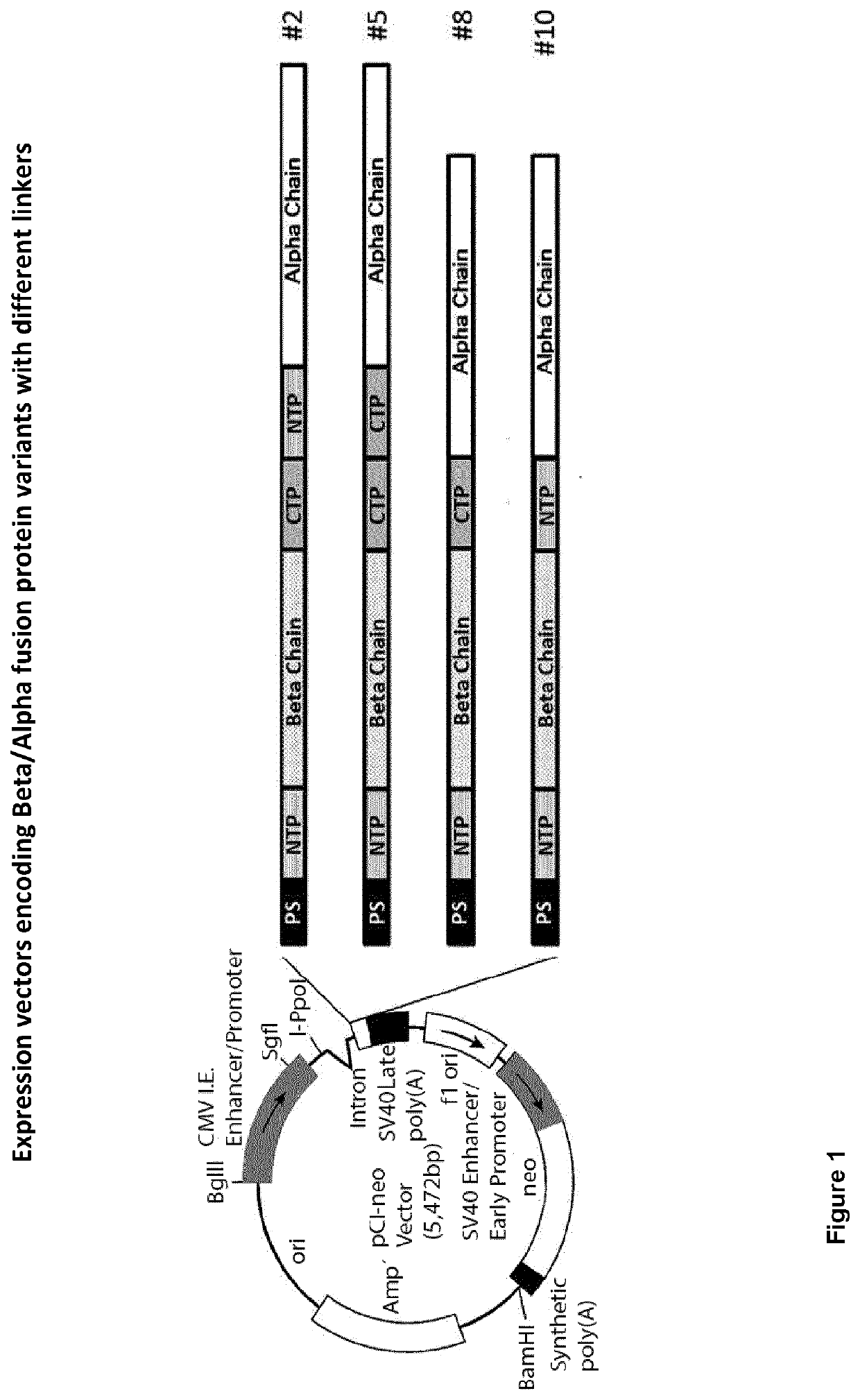
Figure 1 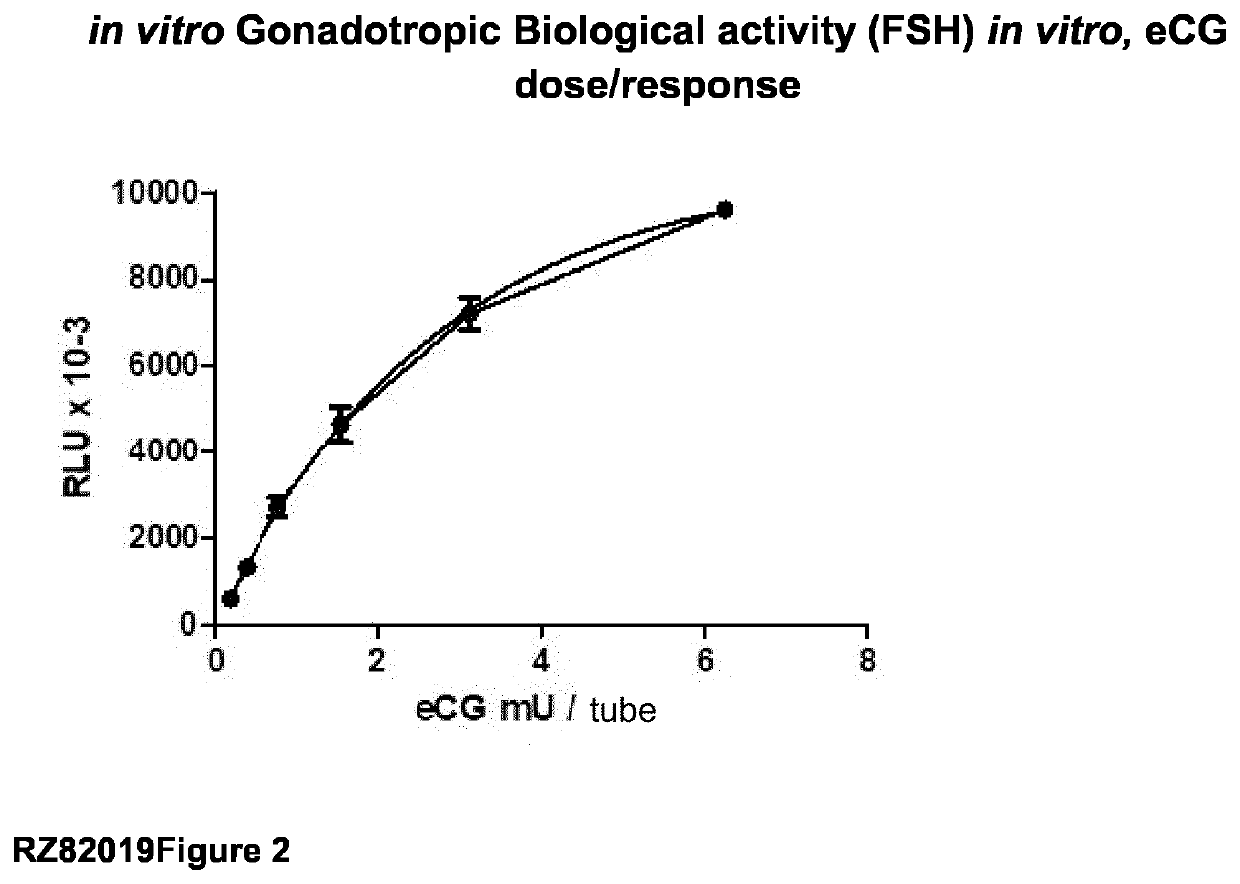
Figure 2 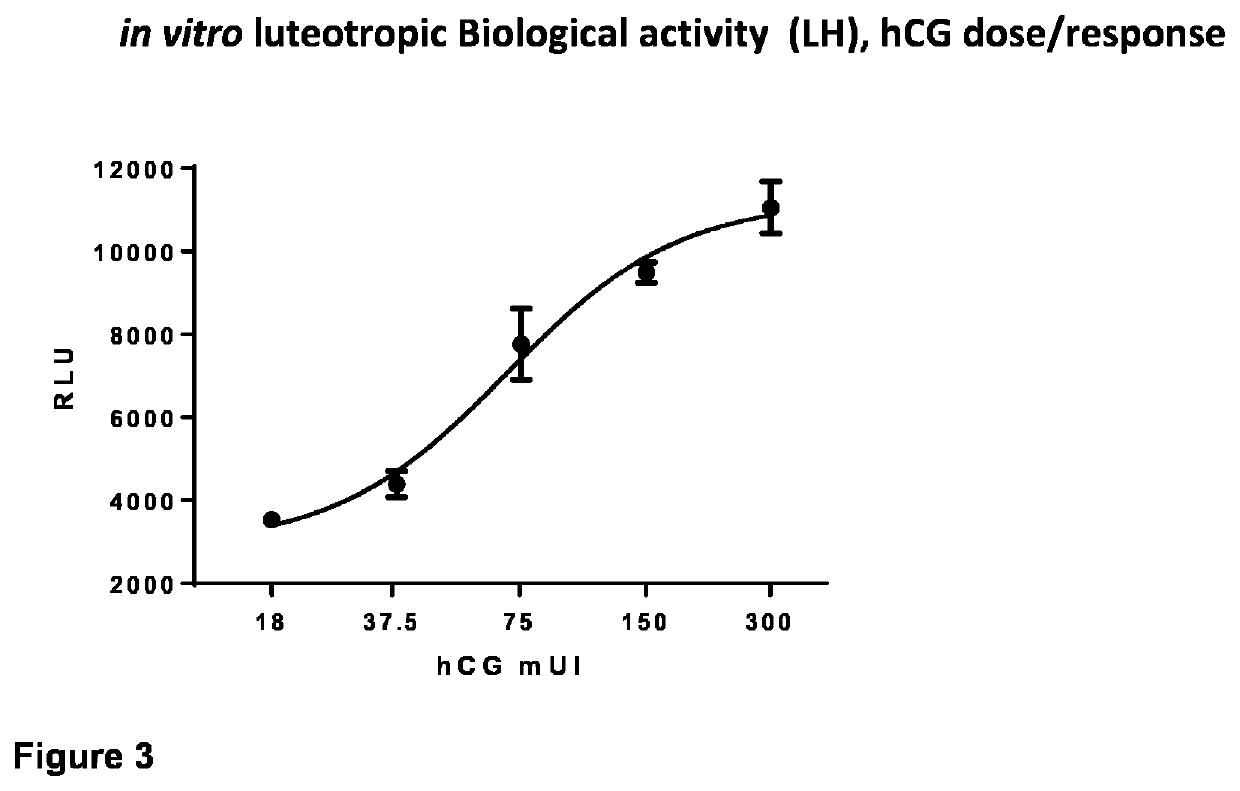
Figure 3
Abstract
Description
BACKGROUND ART
[0001] Equine chorionic gonadotropin (eCG) is a hormone produced by the endometrial cups of the pregnant mare (Christakos and Bahl, 1979). Formerly known as Pregnant Mare Serum Gonadotropin (PMSG), the hormone is commonly used to induce ovulation before artificial insemination in livestock activity. It is a highly glycosylated glycoprotein composed of two α- and β-heterodimeric chains. The Alpha subunit is common to all glycoprotein hormones (LH, FSH, TSH, CG), while the Beta subunits are specific to each hormone and are responsible for the specificity of receptor binding, although in the case of GC it binds to the same receiver as the LH. In equidae (horses, donkeys, zebras), placental CG and pituitary LH are expressed from the same gene and, therefore, have the same protein sequence, which differ only by their carbohydrate side chains, particularly located in the beta subunit, so the consensus also calls them eLH / CG (Sherman et al., 1992).
[0002] The eLH and eCG are enc...
Examples
Embodiment Construction
Obtaining Recombinant Variants of the eCG Alpha-Beta Fusion Protein
[0031]Herein we describe the production of a single recombinant Alpha / Beta chain of eCG (reCG) with the addition of glycosylation sites to increase its plasma half-life. The construction of a single chain allows the introduction of a sequence of multiple glycosylation sites as a linker and avoids the problem of association / dissociation of subunits.
[0032]To do this we modified the gene sequence by adding two sequences with multiple O-glycosylation or N-glycosylation sites. The O-glycosylation sequence is characteristic of the Beta chain and is characterized by being in the Carboxy Terminal Peptide (CTP), the N-glycosylation sequence is designed from the consensus sequence of N-glycosylation in mammals and we call it NTP as opposed to CTP because it is used at the Amino (N) terminal peptide.
[0033]In order to evaluate the functionality of different linkers, expression vectors comprising various constructs were prepared,...