
Dual seating quick connect valve
a quick connection, valve technology, applied in the direction of functional valve types, couplings, transportation and packaging, etc., can solve the problems of only passing fluid, inability to stop fluid flow, and limit the ability of sealing an orifice, so as to improve the sealing of an orifice in a simple and efficient manner
Patent Information
- Authority / Receiving Office
- US · United States
- Patent Type
- Patents(United States)
- Current Assignee / Owner
- Publication Date
- 2011-12-27
- Estimated Expiration
- Not applicable · inactive patent
Smart Images
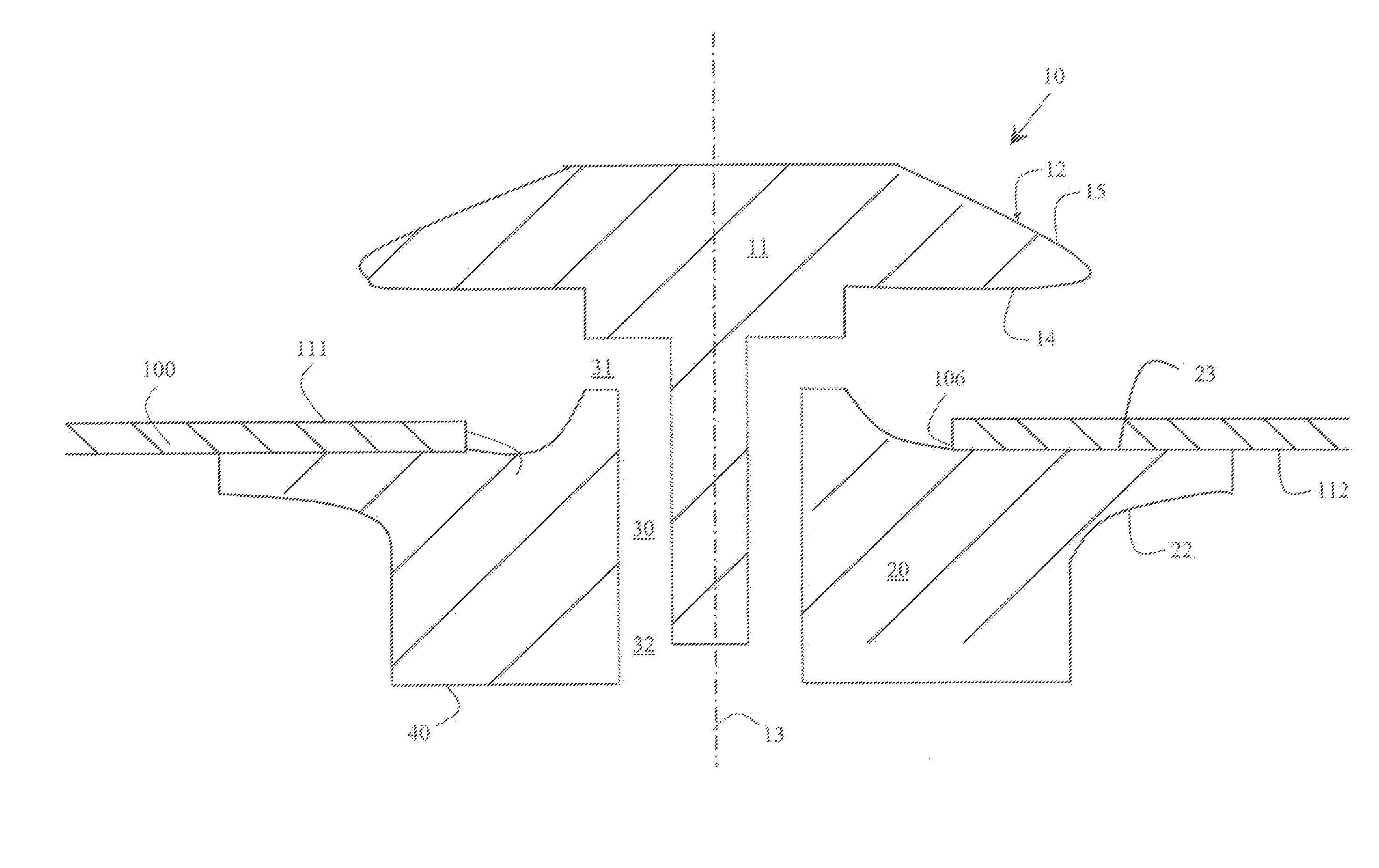
Figure 1 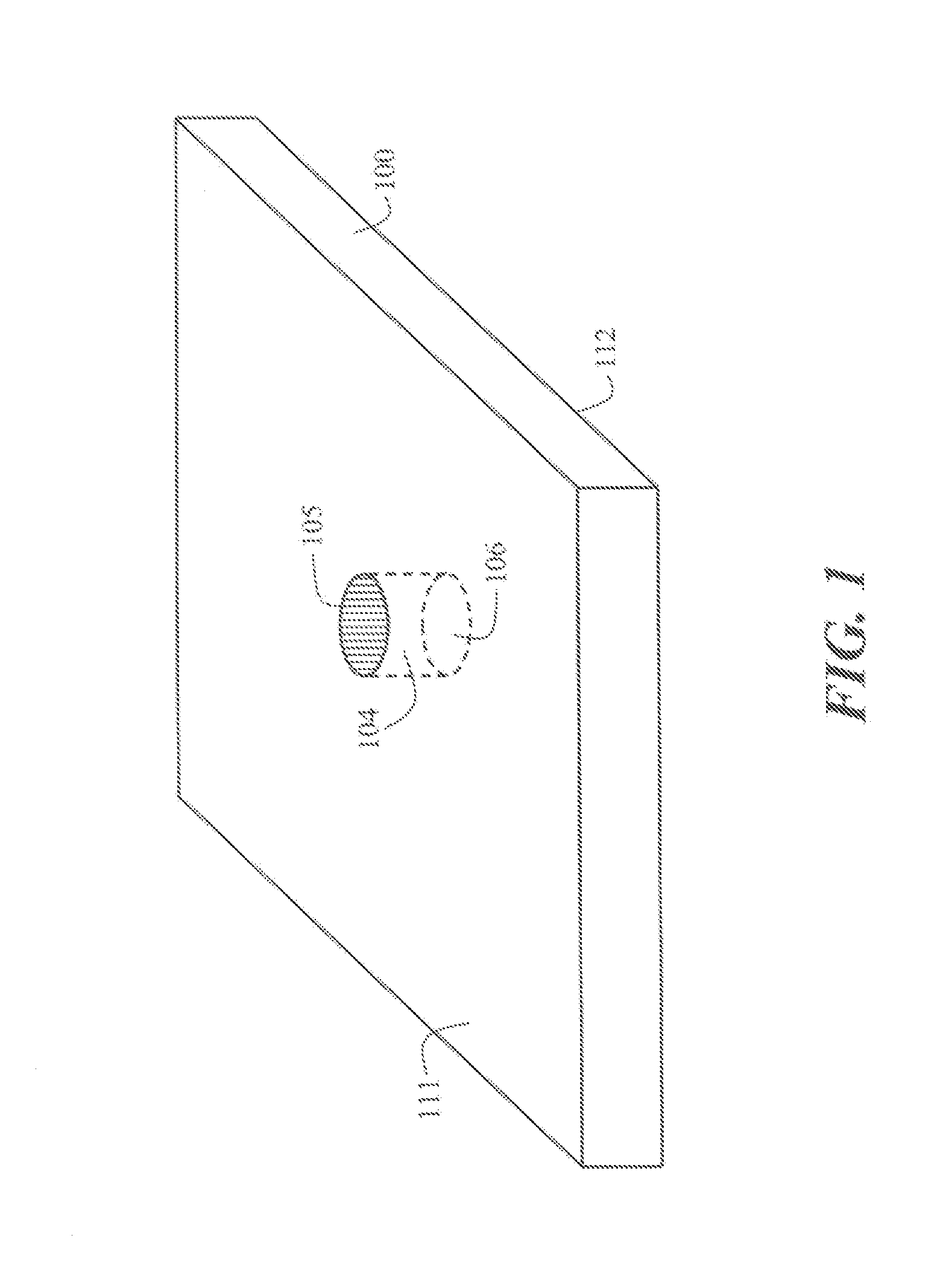
Figure 2 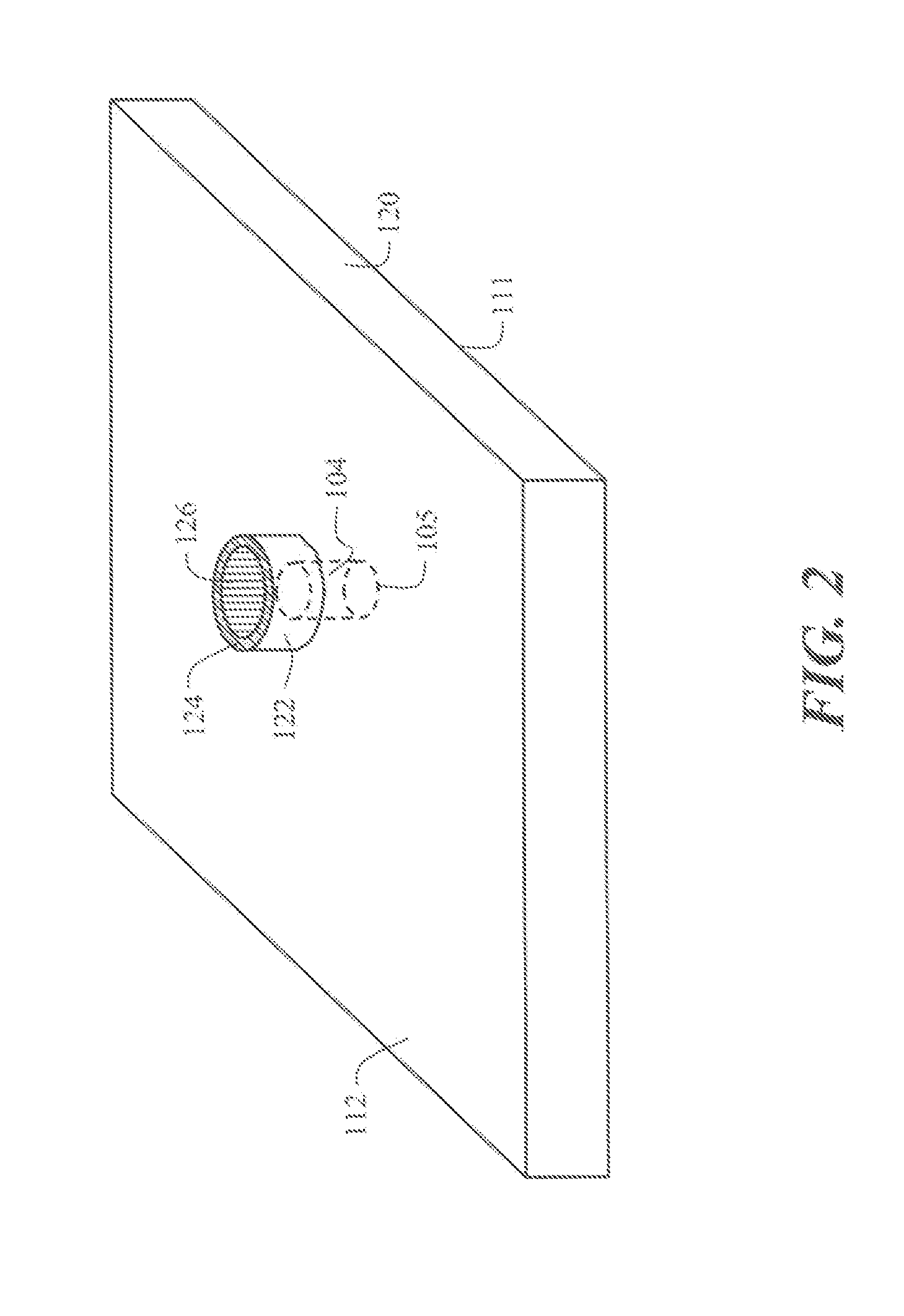
Figure 3
Abstract
Description
FIELD OF THE INVENTION
[0001] The invention relates generally to the field of fluid flow, and in particular to elastomeric valves.BACKGROUND OF THE INVENTION
[0002] Numerous applications exist where the regulation of fluid flow through an orifice is required. Such applications can be relatively basic such as containing a fluid in an enclosure until it is intended for some use while others can be complicated such as in an apparatus or process used in a medical, industrial or automotive application, just to name a few. The typical name for a component which regulates fluid flow is a valve and nearly all valves have two principal functions. The first function is stop fluid flow through an orifice without causing any leakage past the valve and the second function is to allow the liquid to flow freely through the orifice upon actuation of the valve.
[0003] Traditionally, the regulation of fluid flow has been accomplished using various valve designs. A number of known valve designs include, bal...
Examples
Embodiment Construction
[0019]Valves of the present invention are made from elastomeric materials and in particular thermoplastic elastomeric polymers. Elastomeric polymers useful in the present invention include those selected from the non-exhaustive list consisting of, polyisoprene, polybutadiene, polychloroprene, polyisobutylene, poly(styrene-butadiene-styrene), polyurethanes, silicones, poly(bis(fluoroalkoxy)phosphazene) (PNF, Eypel-F), poly(carborane-siloxanes) (Dexsil), poly(acrylonitrile-butadiene) (nitrile rubber), poly(1-butene), poly(chlorotrifluoroethylene-vinylidene fluoride) copolymers (Kel-F), poly(ethyl vinyl ether), poly(vinylidene fluoride), poly(vinylidene fluoride-hexafluoropropylene)copolymer (Viton), elastomeric compositions of polyvinylchloride (PVC), polysulfone, polycarbonate, polymethylmethacrylate (PMMA), and polytertrafluoroethylene (Teflon), or combinations thereof. It is possible to crosslink the elastomeric polymers using known crosslinking chemistries. The valve can also incl...