

Petroleum upgrading and desulfurizing process
a technology of petroleum feedstock and desulfurization process, which is applied in the direction of hydrocarbon oil treatment products, physical/chemical process catalysts, hydrocarbon distillation control/regulation, etc., can solve the problems of increasing the cost of petroleum feedstock upgrading, process unit downtime, and various limitations and drawbacks of conventional methods for petroleum upgrading
Patent Information
- Authority / Receiving Office
- US · United States
- Patent Type
- Patents(United States)
- Current Assignee / Owner
- Publication Date
- 2013-09-17
Smart Images
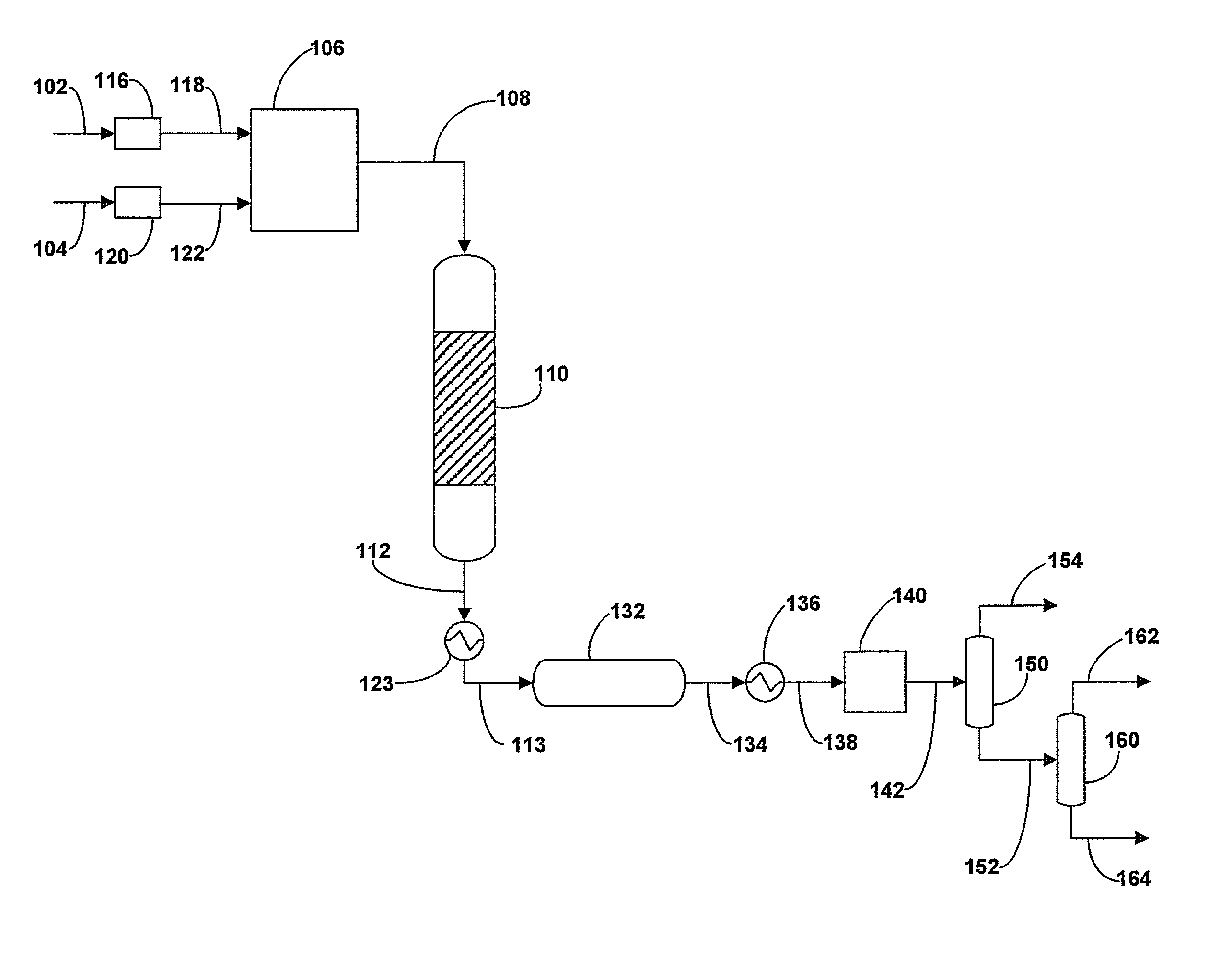
Figure 1 
Figure 2 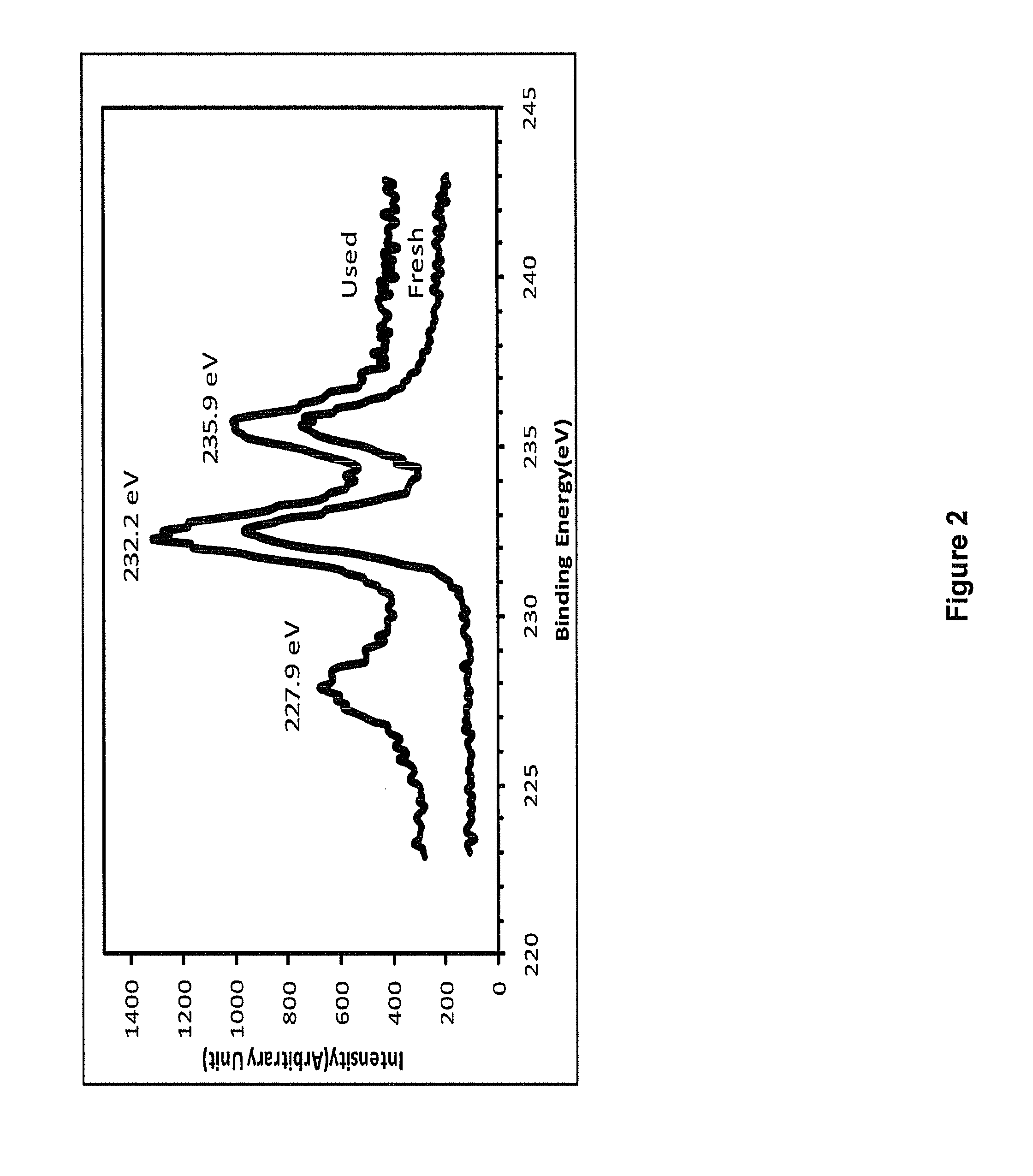
Figure 3
Abstract
Description
FIELD OF THE INVENTION
[0001] This invention relates to a method and apparatus for upgrading a petroleum feedstock. More specifically, the present invention relates to a method and apparatus for upgrading a hydrocarbon feedstock with supercritical water.BACKGROUND OF THE INVENTION
[0002] Petroleum is an indispensable source for energy and chemicals. At the same time, petroleum and petroleum based products are also a major source for air and water pollution. To address growing concerns with pollution caused by petroleum and petroleum based products, many countries have implemented strict regulations on petroleum products, particularly on petroleum refining operations and the allowable concentrations of specific pollutants in fuels, such as, sulfur content in gasoline fuels. For example, motor gasoline fuel is regulated in the United States to have a maximum total sulfur content of less than 15 ppm sulfur.
[0003] Due to its importance in our everyday lives, demand for petroleum is constantl...
Examples
example 1
[0069]Whole range Arabian Heavy crude oil and deionized water were pressurized to a pressure of about 25 MPa utilizing separate pump. The volumetric flow rates of crude oil and water, standard conditions, were about 0.29 and 0.62 mL / minute, respectively. The crude oil and water feeds were pre-heated using separate heating elements to temperatures of about 150° C. and about 450° C., respectively, and supplied to a mixing device that includes simple tee fitting. The combined crude oil and water feed stream was maintained in a hydrothermal reactor consisting of a tubing having an inner diameter of 10 mm and a length of 4 m at about 450° C. for a residence time of about 2.2 minutes. The hydrothermal reactor product stream was cooled with a chiller to produce a cooled product stream, having a temperature of approximately 60° C. The cooled product stream was depressurized by a back pressure regulator to atmospheric pressure. The cooled product stream was separated into gas, oil and water ...
example 2
[0070]Whole range Arabian Heavy crude oil and deionized water were pressurized with pumps to a pressure of about 25 MPa. The volumetric flow rates of the crude oil and water at standard condition were about 0.29 and 0.6 ml / minute, respectively. The petroleum and water streams were preheated using separate heaters, such that the crude oil had a temperature of about 150° C. and the water had a temperature of about 450° C., and were supplied to a combining device, which was a simple tee fitting, to produce a combined petroleum and water feed stream having a pre-reactor temperature of about 360° C. The combined petroleum and water feed stream was supplied to a hydrothermal reactor having an inner diameter of 10 mm and a length of 7.5 m where it is maintained at a temperature of about 450° C. for a residence time of about 4.1 minutes. A first product stream was removed from the hydrothermal reactor and cooled with a chiller to produce cooled first product stream, having a temperature of ...
example 3
[0071]Whole range Arabian Heavy crude oil and deionized water was pressurized to a pressure of about 25 MPa utilizing separate pump. The volumetric flow rates of crude oil and water, standard conditions, were about 0.29 and 0.62 mL / minute, respectively. The crude oil and water feeds were pre-heated using separate heating elements to temperatures of about 150° C. and about 450° C., respectively, and were supplied to a mixing device that includes simple tee fitting. The combined crude oil and water feed stream was maintained, in a hydrothermal reactor consisting of a tubing having an inner diameter of 10 mm and a length of 4 m at about 450° C. for a residence time of about 2.2 minutes. The hydrothermal reactor product stream was cooled with a chiller to produce a cooled product stream, having a temperature of approximately 60° C. The cooled product stream was depressurized by a back pressure regulator to atmospheric pressure. The cooled product stream was separated into gas, oil and w...