

Cryogenic Electronics: Exploring the Limits of Thermal Stability
SEP 29, 20259 MIN READ
Generate Your Research Report Instantly with AI Agent
PatSnap Eureka helps you evaluate technical feasibility & market potential.
Cryogenic Electronics Background and Objectives
Cryogenic electronics represents a frontier domain in semiconductor technology that explores the behavior and application of electronic devices at extremely low temperatures, typically below 120K (-153°C). The field emerged in the mid-20th century with the discovery that certain materials exhibit superconductivity at cryogenic temperatures, eliminating electrical resistance and enabling unprecedented energy efficiency. Over the decades, this technology has evolved from theoretical physics to practical applications in quantum computing, space exploration, and advanced scientific instrumentation.
The evolution of cryogenic electronics has been marked by significant milestones, including the development of Josephson junctions in the 1960s, the discovery of high-temperature superconductors in the 1980s, and recent breakthroughs in superconducting quantum interference devices (SQUIDs). Current research focuses on extending operational temperature ranges, improving thermal stability, and enhancing integration with conventional electronics.
The primary objective of cryogenic electronics research is to harness the unique properties of materials at ultra-low temperatures to create devices with superior performance characteristics. These include near-zero power dissipation, reduced noise levels, and quantum coherence maintenance—properties that are unattainable in conventional room-temperature electronics. Additionally, researchers aim to overcome the practical challenges of thermal management, material compatibility, and system integration that currently limit widespread adoption.
Another critical goal is developing cryogenic electronic systems that can operate reliably at the interface between quantum and classical computing domains. This bridging technology is essential for realizing the full potential of quantum information processing, which requires both quantum elements operating at millikelvin temperatures and classical control electronics that can function efficiently in cryogenic environments.
The thermal stability aspect represents a particularly challenging frontier, as electronic components must maintain consistent performance despite temperature gradients and thermal cycling. Researchers are exploring novel materials, circuit designs, and packaging techniques to ensure stable operation across temperature boundaries, from deep cryogenic to intermediate temperature ranges.
Looking forward, the field aims to transition from specialized laboratory applications to more mainstream implementation. This includes developing more energy-efficient cooling systems, creating standardized design methodologies for cryogenic circuits, and establishing reliable manufacturing processes that can support commercial-scale production of cryogenic electronic components.
The evolution of cryogenic electronics has been marked by significant milestones, including the development of Josephson junctions in the 1960s, the discovery of high-temperature superconductors in the 1980s, and recent breakthroughs in superconducting quantum interference devices (SQUIDs). Current research focuses on extending operational temperature ranges, improving thermal stability, and enhancing integration with conventional electronics.
The primary objective of cryogenic electronics research is to harness the unique properties of materials at ultra-low temperatures to create devices with superior performance characteristics. These include near-zero power dissipation, reduced noise levels, and quantum coherence maintenance—properties that are unattainable in conventional room-temperature electronics. Additionally, researchers aim to overcome the practical challenges of thermal management, material compatibility, and system integration that currently limit widespread adoption.
Another critical goal is developing cryogenic electronic systems that can operate reliably at the interface between quantum and classical computing domains. This bridging technology is essential for realizing the full potential of quantum information processing, which requires both quantum elements operating at millikelvin temperatures and classical control electronics that can function efficiently in cryogenic environments.
The thermal stability aspect represents a particularly challenging frontier, as electronic components must maintain consistent performance despite temperature gradients and thermal cycling. Researchers are exploring novel materials, circuit designs, and packaging techniques to ensure stable operation across temperature boundaries, from deep cryogenic to intermediate temperature ranges.
Looking forward, the field aims to transition from specialized laboratory applications to more mainstream implementation. This includes developing more energy-efficient cooling systems, creating standardized design methodologies for cryogenic circuits, and establishing reliable manufacturing processes that can support commercial-scale production of cryogenic electronic components.
Market Analysis for Low-Temperature Electronic Applications
The cryogenic electronics market is experiencing significant growth driven by advancements in quantum computing, space exploration, and scientific research applications. Current market valuations indicate the global cryogenic electronics sector reached approximately 3.2 billion USD in 2022, with projections suggesting a compound annual growth rate of 7.8% through 2030. This growth trajectory is primarily fueled by increasing investments in quantum technology infrastructure and the expanding requirements for ultra-sensitive detection systems in various scientific fields.
Demand segmentation reveals quantum computing as the dominant application sector, accounting for roughly 42% of the total market share. This is followed by medical imaging technologies (particularly MRI systems) at 28%, space and defense applications at 17%, and scientific research instrumentation at 13%. The geographical distribution of market demand shows North America leading with 38% market share, followed by Europe (29%), Asia-Pacific (24%), and other regions (9%).
Key market drivers include the accelerating race for quantum supremacy among technology giants and nation-states, with companies like IBM, Google, and Intel investing heavily in cryogenic control electronics. The medical sector's demand for more efficient superconducting magnets and associated electronics represents another significant growth vector, particularly as healthcare systems seek higher-resolution imaging capabilities.
Supply chain analysis reveals critical dependencies on specialized materials and components, including superconducting materials, specialized semiconductor fabrication, and cryogenic packaging solutions. These supply constraints represent both a market challenge and opportunity for new entrants with innovative solutions.
Customer requirements are evolving rapidly, with increasing emphasis on system integration, reduced power consumption, and improved reliability at extreme low temperatures. The market shows particular interest in electronics capable of operating in the 4K to 77K temperature range, which represents a sweet spot between performance requirements and cooling system complexity.
Pricing trends indicate premium valuations for components with demonstrated reliability at cryogenic temperatures, with customers willing to pay 3-5 times more for qualified cryogenic components compared to their room-temperature counterparts. This premium pricing environment supports continued R&D investment despite relatively low production volumes in certain application segments.
Market barriers include high entry costs for new participants, stringent qualification requirements, and the specialized nature of cryogenic testing infrastructure. However, these barriers also protect established players from rapid competitive erosion of market share and profit margins.
Demand segmentation reveals quantum computing as the dominant application sector, accounting for roughly 42% of the total market share. This is followed by medical imaging technologies (particularly MRI systems) at 28%, space and defense applications at 17%, and scientific research instrumentation at 13%. The geographical distribution of market demand shows North America leading with 38% market share, followed by Europe (29%), Asia-Pacific (24%), and other regions (9%).
Key market drivers include the accelerating race for quantum supremacy among technology giants and nation-states, with companies like IBM, Google, and Intel investing heavily in cryogenic control electronics. The medical sector's demand for more efficient superconducting magnets and associated electronics represents another significant growth vector, particularly as healthcare systems seek higher-resolution imaging capabilities.
Supply chain analysis reveals critical dependencies on specialized materials and components, including superconducting materials, specialized semiconductor fabrication, and cryogenic packaging solutions. These supply constraints represent both a market challenge and opportunity for new entrants with innovative solutions.
Customer requirements are evolving rapidly, with increasing emphasis on system integration, reduced power consumption, and improved reliability at extreme low temperatures. The market shows particular interest in electronics capable of operating in the 4K to 77K temperature range, which represents a sweet spot between performance requirements and cooling system complexity.
Pricing trends indicate premium valuations for components with demonstrated reliability at cryogenic temperatures, with customers willing to pay 3-5 times more for qualified cryogenic components compared to their room-temperature counterparts. This premium pricing environment supports continued R&D investment despite relatively low production volumes in certain application segments.
Market barriers include high entry costs for new participants, stringent qualification requirements, and the specialized nature of cryogenic testing infrastructure. However, these barriers also protect established players from rapid competitive erosion of market share and profit margins.
Current Challenges in Cryogenic Electronics Development
Despite significant advancements in cryogenic electronics over the past decade, several formidable challenges continue to impede progress in this field. The most pressing issue remains material compatibility at ultra-low temperatures. Conventional semiconductor materials exhibit drastically altered electrical properties when cooled to cryogenic levels, with carrier freeze-out and mobility changes creating unpredictable performance characteristics. Silicon-based technologies, while well-understood at room temperature, face severe limitations below 77K, necessitating alternative material systems.
Thermal management presents another critical challenge, as the interface between room temperature control systems and cryogenic components creates steep thermal gradients. These gradients induce mechanical stress and can lead to premature device failure through thermal cycling fatigue. The development of reliable thermal isolation techniques while maintaining electrical connectivity remains an engineering bottleneck.
Power consumption emerges as a significant constraint, as cooling systems require substantial energy to maintain cryogenic temperatures. Current cryocoolers operate at efficiencies of only 1-2% of Carnot efficiency, meaning that for every watt dissipated by cryogenic electronics, approximately 50-100 watts of power is consumed by the cooling system. This inefficiency severely limits practical applications outside laboratory environments.
Interconnect technologies face unique challenges at cryogenic temperatures. Traditional solder materials become brittle, and coefficient of thermal expansion mismatches between different materials can cause connection failures. Superconducting interconnects offer theoretical advantages but introduce complexity in transitions between superconducting and normal conducting regions.
Reliability testing methodologies for cryogenic electronics remain underdeveloped. Accelerated life testing, a standard approach for room-temperature electronics, becomes problematic at cryogenic temperatures due to different failure mechanisms. The lack of standardized qualification procedures hampers industry adoption and commercialization efforts.
Integration with room-temperature systems presents significant interface challenges. Signal integrity across temperature boundaries, impedance matching, and timing synchronization between cryogenic and ambient components require sophisticated solutions that add complexity and cost to system designs.
Manufacturing scalability constitutes perhaps the most significant barrier to widespread adoption. Current fabrication processes for cryogenic electronics remain largely customized and laboratory-focused, with limited throughput and high unit costs. The absence of standardized manufacturing processes comparable to CMOS technology has restricted cryogenic electronics to niche applications despite their theoretical performance advantages.
Thermal management presents another critical challenge, as the interface between room temperature control systems and cryogenic components creates steep thermal gradients. These gradients induce mechanical stress and can lead to premature device failure through thermal cycling fatigue. The development of reliable thermal isolation techniques while maintaining electrical connectivity remains an engineering bottleneck.
Power consumption emerges as a significant constraint, as cooling systems require substantial energy to maintain cryogenic temperatures. Current cryocoolers operate at efficiencies of only 1-2% of Carnot efficiency, meaning that for every watt dissipated by cryogenic electronics, approximately 50-100 watts of power is consumed by the cooling system. This inefficiency severely limits practical applications outside laboratory environments.
Interconnect technologies face unique challenges at cryogenic temperatures. Traditional solder materials become brittle, and coefficient of thermal expansion mismatches between different materials can cause connection failures. Superconducting interconnects offer theoretical advantages but introduce complexity in transitions between superconducting and normal conducting regions.
Reliability testing methodologies for cryogenic electronics remain underdeveloped. Accelerated life testing, a standard approach for room-temperature electronics, becomes problematic at cryogenic temperatures due to different failure mechanisms. The lack of standardized qualification procedures hampers industry adoption and commercialization efforts.
Integration with room-temperature systems presents significant interface challenges. Signal integrity across temperature boundaries, impedance matching, and timing synchronization between cryogenic and ambient components require sophisticated solutions that add complexity and cost to system designs.
Manufacturing scalability constitutes perhaps the most significant barrier to widespread adoption. Current fabrication processes for cryogenic electronics remain largely customized and laboratory-focused, with limited throughput and high unit costs. The absence of standardized manufacturing processes comparable to CMOS technology has restricted cryogenic electronics to niche applications despite their theoretical performance advantages.
State-of-the-Art Cryogenic Circuit Solutions
01 Thermal management systems for cryogenic electronics
Specialized thermal management systems are designed to maintain stable operating temperatures for cryogenic electronic components. These systems include advanced heat sinks, thermal interfaces, and cooling mechanisms that efficiently dissipate heat while preserving the low-temperature environment required for superconducting or quantum electronic operations. The thermal management approach ensures consistent performance by preventing temperature fluctuations that could compromise the functionality of cryogenic circuits.- Thermal management systems for cryogenic electronics: Specialized thermal management systems are essential for maintaining stable operating temperatures in cryogenic electronic devices. These systems employ various cooling mechanisms including cryocoolers, heat exchangers, and thermal isolation techniques to prevent temperature fluctuations that could compromise electronic performance. Advanced thermal control systems monitor and regulate temperature with high precision, ensuring that sensitive components remain within their optimal operating range even under varying load conditions.
- Materials and packaging for thermal stability at cryogenic temperatures: Specialized materials and packaging solutions are critical for ensuring thermal stability in cryogenic electronic applications. These include low thermal expansion materials, thermally conductive substrates, and specialized packaging that can withstand extreme temperature gradients. Advanced composite materials and novel packaging techniques help minimize thermal stress and prevent mechanical failures during thermal cycling. These materials maintain their structural integrity and electrical properties at extremely low temperatures, contributing to overall system reliability.
- Superconducting circuit design for cryogenic stability: Superconducting circuits designed specifically for cryogenic environments incorporate features that enhance thermal stability. These designs include specialized circuit layouts that minimize heat generation, thermal isolation structures, and integrated temperature sensing elements. Circuit architectures may employ redundant pathways and fault-tolerant designs to maintain functionality despite thermal fluctuations. Advanced superconducting materials and junction technologies are selected for their consistent performance characteristics across the operating temperature range.
- Thermal interface materials and heat dissipation techniques: Specialized thermal interface materials and heat dissipation techniques are crucial for maintaining thermal stability in cryogenic electronic systems. These include custom-formulated interface compounds that remain effective at extremely low temperatures, advanced heat sinking designs, and thermal strapping techniques. Novel approaches to heat extraction and dissipation help manage localized heating in sensitive components. These materials and techniques ensure efficient thermal transfer while accommodating the unique challenges of cryogenic operating environments.
- Sensing and control systems for thermal stability monitoring: Advanced sensing and control systems are implemented to monitor and maintain thermal stability in cryogenic electronic applications. These systems employ high-precision temperature sensors, real-time monitoring capabilities, and adaptive control algorithms to detect and respond to thermal variations. Feedback control mechanisms adjust cooling parameters to compensate for changing thermal loads or environmental conditions. These monitoring systems may include predictive capabilities to anticipate thermal events before they impact electronic performance.
02 Materials with enhanced thermal stability at cryogenic temperatures
Specialized materials are developed with properties optimized for cryogenic electronic applications, exhibiting minimal thermal expansion and contraction during temperature cycling. These materials maintain structural integrity and electrical performance at extremely low temperatures, preventing thermal stress-induced failures. Advanced composites, ceramics, and metal alloys are engineered to provide consistent thermal conductivity and mechanical stability across wide temperature ranges, ensuring reliable operation of electronic components in cryogenic environments.Expand Specific Solutions03 Superconducting circuit design for thermal stability
Innovative circuit designs specifically engineered for superconducting electronics incorporate features that enhance thermal stability at cryogenic temperatures. These designs include specialized layout techniques, thermal isolation structures, and heat-dissipation pathways that minimize thermal gradients across the circuit. By carefully managing current densities and implementing redundant pathways, these circuits maintain stable operation despite potential temperature fluctuations, ensuring consistent performance of quantum computing elements and superconducting sensors.Expand Specific Solutions04 Cryogenic cooling systems with temperature stabilization
Advanced cooling systems designed specifically for cryogenic electronics incorporate precise temperature control mechanisms to maintain thermal stability. These systems utilize multi-stage cooling approaches, specialized refrigerants, and active feedback control to achieve and maintain target temperatures with minimal fluctuation. The integration of temperature sensors, microcontrollers, and adaptive cooling algorithms enables dynamic response to changing thermal loads, ensuring electronic components remain within their optimal operating temperature range despite varying computational workloads.Expand Specific Solutions05 Thermal isolation techniques for cryogenic electronic components
Specialized thermal isolation strategies are implemented to shield sensitive cryogenic electronic components from external heat sources and temperature fluctuations. These techniques include vacuum-insulated enclosures, radiation shields, and strategically placed thermal breaks that minimize heat transfer pathways. Advanced multi-layer insulation materials and suspension systems reduce conductive and radiative heat loads, while carefully designed electrical interfaces maintain signal integrity without compromising thermal isolation, ensuring stable operating temperatures for quantum computing elements and superconducting devices.Expand Specific Solutions
Leading Organizations in Cryogenic Electronics Research
Cryogenic Electronics is currently in a transitional phase from research to early commercialization, with an estimated market size of $2-3 billion and projected growth as quantum computing advances. The technology maturity varies significantly across players: IBM, Intel, and Northrop Grumman lead with established superconducting technologies; European research organizations like CERN and TU Delft contribute fundamental breakthroughs; while specialized firms such as Montana Instruments, kiutra GmbH, and SuperNode focus on niche applications. Recent entrants include Microsoft and Applied Materials, investing in scalable cryogenic solutions. Chinese institutions (China Academy of Space Technology, Soochow University) are rapidly advancing their capabilities, though still trailing Western counterparts in commercial deployment.
International Business Machines Corp.
Technical Solution: IBM has pioneered superconducting quantum computing systems that operate at cryogenic temperatures (near absolute zero at 15 millikelvin). Their approach involves developing specialized cryogenic electronics that can function reliably in extreme cold environments. IBM's technology includes custom-designed cryogenic control systems, specialized interconnects, and low-power control electronics that maintain signal integrity at ultra-low temperatures. Their Quantum System One architecture incorporates sophisticated thermal management solutions to maintain quantum bits in a stable superconducting state while allowing for precise control signals to be delivered from room temperature electronics to the quantum processor. IBM has also developed specialized cryogenic amplifiers and circulators that operate efficiently at these extreme temperatures, enabling high-fidelity readout of quantum states.
Strengths: Industry-leading expertise in quantum computing systems operating at cryogenic temperatures; extensive research infrastructure; proven track record in developing practical quantum systems. Weaknesses: High cost of implementation; significant power requirements for cooling systems; challenges in scaling up the number of qubits while maintaining thermal stability.
Northrop Grumman Systems Corp.
Technical Solution: Northrop Grumman has developed advanced cryogenic electronics focused on superconducting technologies for both defense and space applications. Their approach centers on Superconducting Electronics (SCE) that leverage Josephson junctions and Rapid Single Flux Quantum (RSFQ) logic, operating at temperatures between 4-10K. These systems achieve exceptional performance with clock speeds in the hundreds of gigahertz range while consuming minimal power (microwatts to milliwatts). Northrop Grumman has created specialized cryogenic packaging solutions that address thermal cycling challenges and maintain signal integrity across temperature boundaries. Their technology includes cryogenic memory systems, analog-to-digital converters, and signal processing components that maintain functionality in extreme environments. The company has also pioneered radiation-hardened cryogenic electronics for space applications, ensuring reliability in both cold temperatures and high-radiation environments.
Strengths: Extensive experience in defense-grade reliability; integration capabilities for complex systems; advanced manufacturing techniques for superconducting circuits. Weaknesses: Solutions often tailored to specialized military/space applications rather than commercial markets; high development costs; dependence on specialized materials with limited supply chains.
Critical Patents and Breakthroughs in Thermal Stability
Interfacing at low temperature using CMOS technology
PatentActiveUS7911265B2
Innovation
- The development of ultra-thin silicon-on-insulator (SOI) CMOS technology for fabricating controller and observer circuits, which utilize SOI-CMOSFETs to achieve high unity-gain frequency, rapid pulse edge transition times, high bandwidth, and low power operation, enabling effective control and measurement of quantum bits at low temperatures.
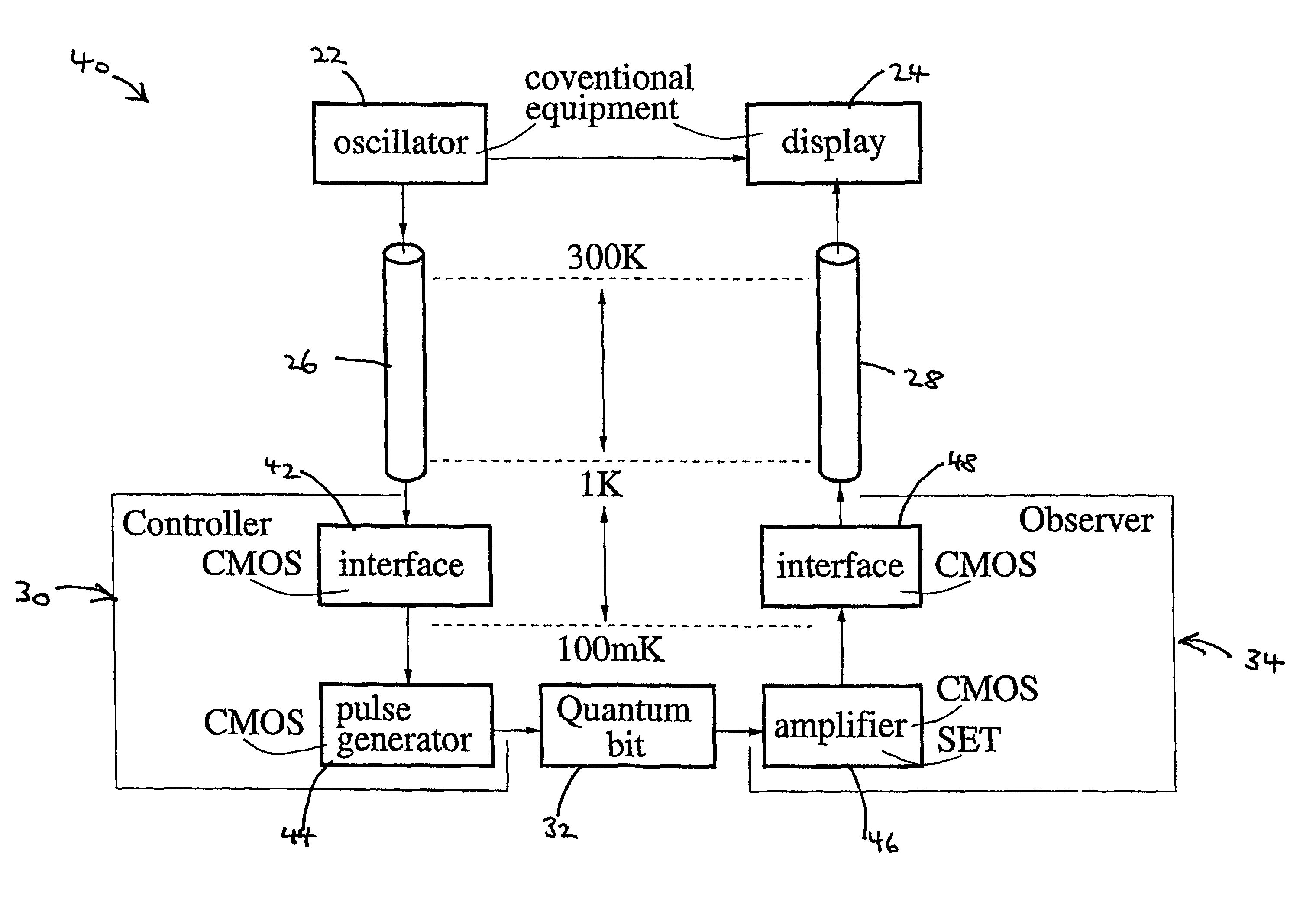
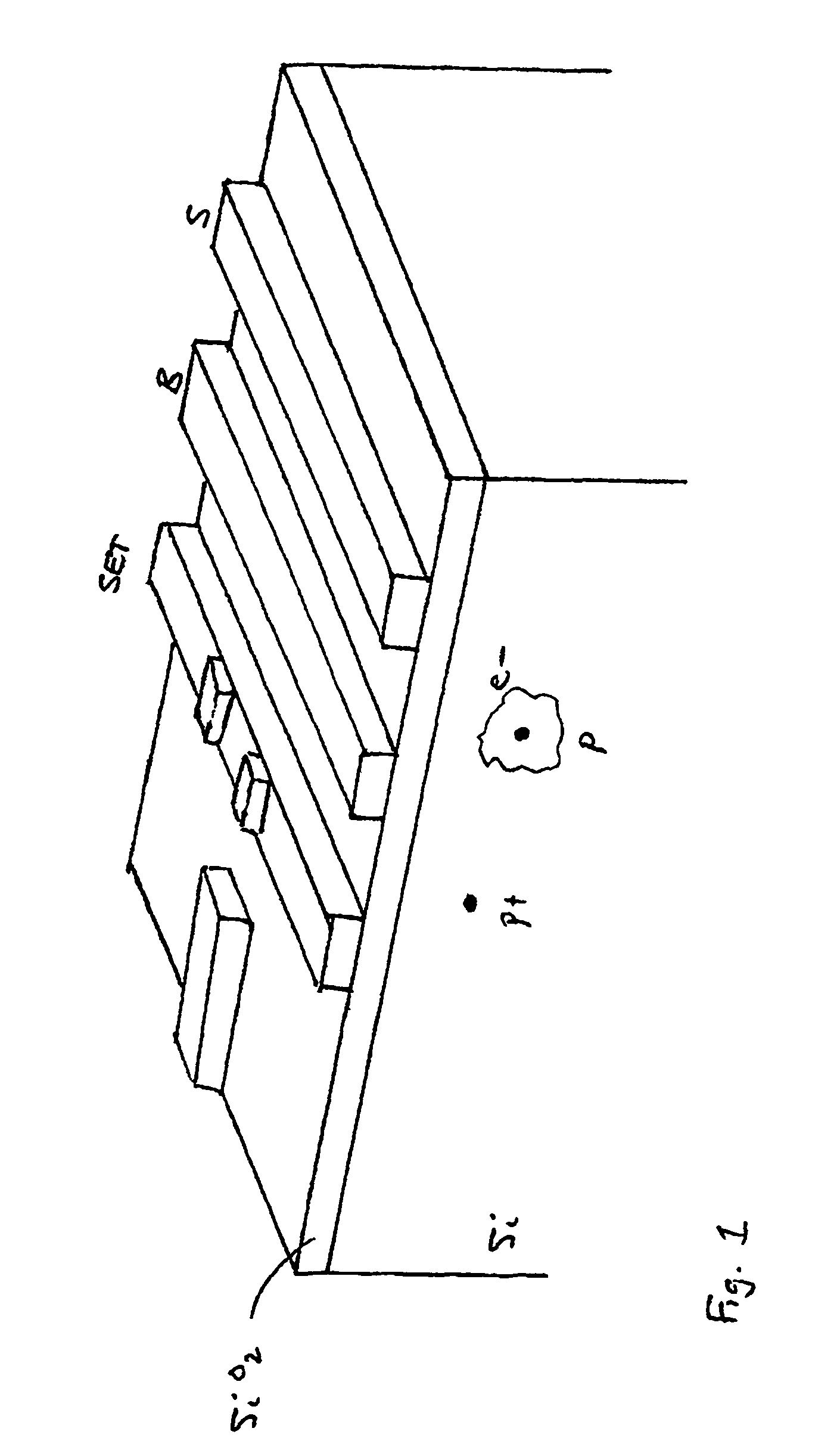
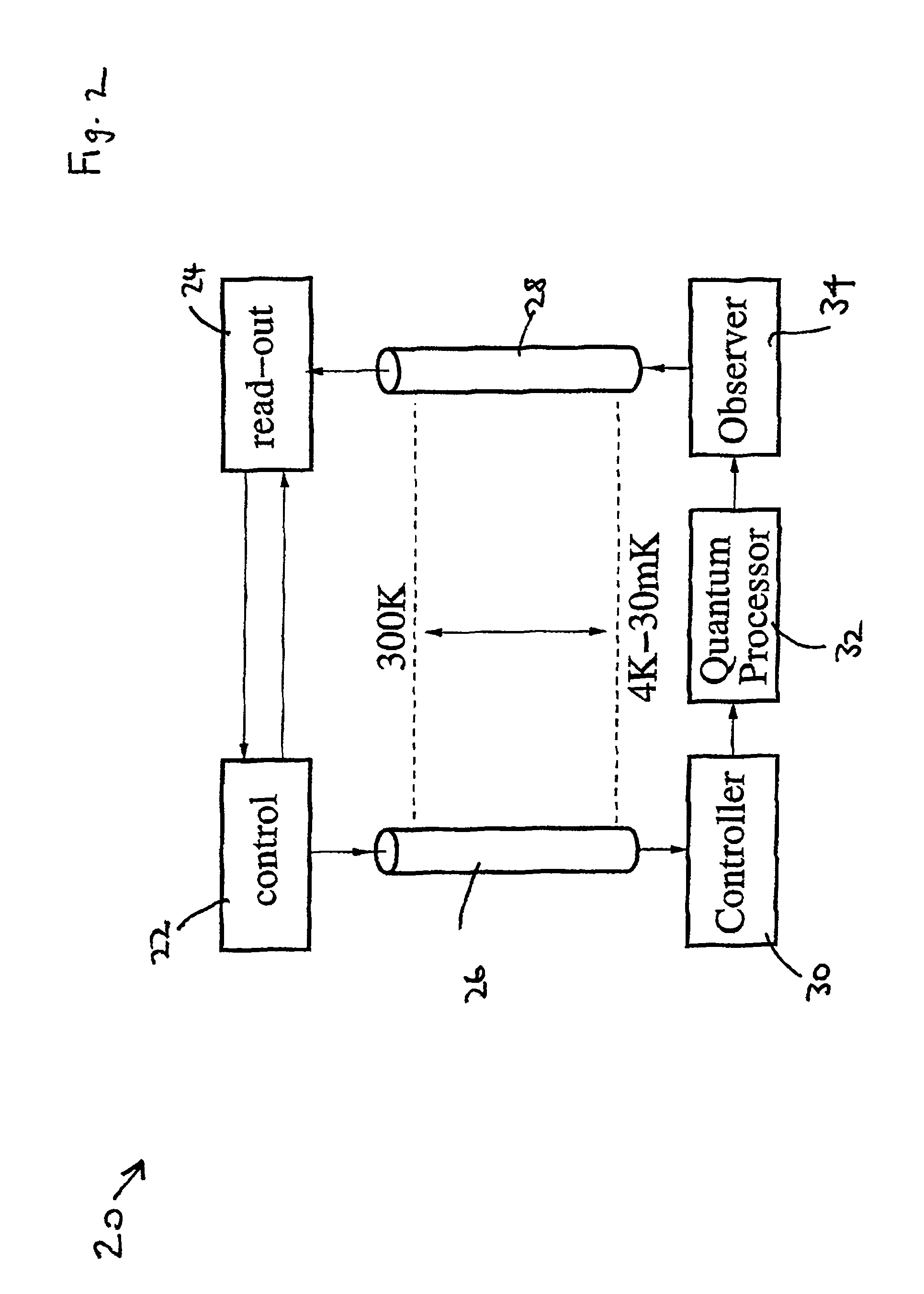
Cryogenic cooling device
PatentWO2024122811A1
Innovation
- A cryogenic cooling device featuring a refrigerant tank, a GM refrigerator with a cooling member, and a heat exchanger with a heat transfer member and heat exchange member that are spaced apart and connected via an elastic connecting member, allowing direct cooling of helium gas refrigerant to achieve temperatures below 120K, with a vacuum-treated gap for improved insulation and maintenance efficiency.


Materials Science Advancements for Cryogenic Applications
The evolution of cryogenic electronics has been significantly propelled by breakthroughs in materials science. Traditional electronic materials often fail to maintain their desired properties at extremely low temperatures, necessitating the development of specialized materials capable of withstanding cryogenic conditions while preserving functionality. Recent advancements in superconducting materials have been particularly noteworthy, with high-temperature superconductors (HTS) like YBCO (Yttrium Barium Copper Oxide) showing promising performance characteristics at liquid nitrogen temperatures.
Novel composite materials incorporating nanoscale structures have demonstrated enhanced thermal stability in cryogenic environments. These materials exhibit reduced thermal expansion coefficients and improved mechanical integrity under thermal cycling conditions. For instance, carbon nanotube-reinforced polymers maintain flexibility and structural integrity at temperatures approaching absolute zero, offering potential solutions for flexible cryogenic electronics applications.
Semiconductor materials specifically engineered for cryogenic operation represent another significant advancement. Silicon-germanium (SiGe) heterostructures have shown remarkable electrical performance at deep cryogenic temperatures, with reduced carrier freeze-out effects compared to conventional silicon. Additionally, III-V compound semiconductors like gallium arsenide (GaAs) and indium phosphide (InP) maintain favorable carrier mobility at extremely low temperatures, making them suitable candidates for high-speed cryogenic electronic applications.
Dielectric and insulating materials have also undergone substantial development for cryogenic applications. Advanced ceramic materials with tailored thermal expansion properties help mitigate stress-induced failures at material interfaces during thermal cycling. These materials provide crucial electrical isolation while maintaining mechanical stability across extreme temperature gradients, addressing one of the fundamental challenges in cryogenic electronics packaging.
Interface materials and thermal management solutions represent another critical area of advancement. Specialized thermal interface materials (TIMs) have been developed to maintain effective heat transfer paths at cryogenic temperatures. These materials preserve their compliance and thermal conductivity under extreme conditions, ensuring reliable thermal management for sensitive electronic components operating in cryogenic environments.
Packaging materials and interconnect technologies have similarly evolved to meet cryogenic requirements. Low-temperature co-fired ceramics (LTCC) and specialized metal alloys with matched thermal expansion coefficients help maintain signal integrity and mechanical reliability. Advanced bonding techniques using indium-based solders and specialized epoxies capable of withstanding thermal cycling have significantly improved the reliability of cryogenic electronic assemblies, extending operational lifetimes and reducing failure rates in critical applications.
Novel composite materials incorporating nanoscale structures have demonstrated enhanced thermal stability in cryogenic environments. These materials exhibit reduced thermal expansion coefficients and improved mechanical integrity under thermal cycling conditions. For instance, carbon nanotube-reinforced polymers maintain flexibility and structural integrity at temperatures approaching absolute zero, offering potential solutions for flexible cryogenic electronics applications.
Semiconductor materials specifically engineered for cryogenic operation represent another significant advancement. Silicon-germanium (SiGe) heterostructures have shown remarkable electrical performance at deep cryogenic temperatures, with reduced carrier freeze-out effects compared to conventional silicon. Additionally, III-V compound semiconductors like gallium arsenide (GaAs) and indium phosphide (InP) maintain favorable carrier mobility at extremely low temperatures, making them suitable candidates for high-speed cryogenic electronic applications.
Dielectric and insulating materials have also undergone substantial development for cryogenic applications. Advanced ceramic materials with tailored thermal expansion properties help mitigate stress-induced failures at material interfaces during thermal cycling. These materials provide crucial electrical isolation while maintaining mechanical stability across extreme temperature gradients, addressing one of the fundamental challenges in cryogenic electronics packaging.
Interface materials and thermal management solutions represent another critical area of advancement. Specialized thermal interface materials (TIMs) have been developed to maintain effective heat transfer paths at cryogenic temperatures. These materials preserve their compliance and thermal conductivity under extreme conditions, ensuring reliable thermal management for sensitive electronic components operating in cryogenic environments.
Packaging materials and interconnect technologies have similarly evolved to meet cryogenic requirements. Low-temperature co-fired ceramics (LTCC) and specialized metal alloys with matched thermal expansion coefficients help maintain signal integrity and mechanical reliability. Advanced bonding techniques using indium-based solders and specialized epoxies capable of withstanding thermal cycling have significantly improved the reliability of cryogenic electronic assemblies, extending operational lifetimes and reducing failure rates in critical applications.
Energy Efficiency Considerations in Cryogenic Cooling Systems
The energy efficiency of cryogenic cooling systems represents a critical factor in the practical implementation of cryogenic electronics. As these systems operate at extremely low temperatures, typically below 123K (-150°C), the energy required to achieve and maintain such conditions becomes a significant operational concern. Current cryogenic cooling technologies demonstrate efficiency levels ranging from 1-15% of Carnot efficiency, resulting in substantial power consumption that often exceeds the actual power requirements of the electronic components being cooled.
Traditional cooling methods such as Gifford-McMahon cryocoolers, pulse tube refrigerators, and Stirling coolers each present distinct efficiency profiles across different temperature ranges. For instance, pulse tube systems offer improved reliability through reduced moving parts but typically operate at lower efficiency levels compared to Stirling systems at temperatures above 40K. The coefficient of performance (COP) for these systems decreases dramatically as target temperatures approach absolute zero, creating exponentially increasing energy demands.
Recent advancements in cryogenic cooling technology have focused on improving energy efficiency through several approaches. Magnetic refrigeration utilizing the magnetocaloric effect has demonstrated promising results for specific temperature ranges, potentially offering 20-30% efficiency improvements over conventional gas-compression systems. Additionally, multi-stage cooling architectures that optimize working fluids and compression ratios for different temperature ranges have shown efficiency gains of 15-25% in laboratory settings.
Heat recuperation techniques represent another significant avenue for efficiency improvement. Advanced regenerative heat exchangers with enhanced surface geometries and novel materials have demonstrated the ability to recover up to 85% of the cooling power that would otherwise be lost. These developments, combined with superconducting components in the cooling system itself, create opportunities for substantial efficiency improvements in next-generation systems.
The economic implications of energy efficiency in cryogenic cooling systems extend beyond operational costs. Analysis indicates that cooling energy requirements can represent 60-80% of the total energy consumption in cryogenic electronic systems. This proportion creates a compelling case for efficiency improvements, as each percentage point gain in cooling efficiency translates to significant operational savings over system lifetimes. Furthermore, reduced power requirements enable broader deployment scenarios, including remote and mobile applications where power availability presents constraints.
Future research directions point toward hybrid cooling systems that combine different technologies optimized for specific temperature ranges, advanced insulation materials with thermal conductivities approaching theoretical limits, and intelligent control systems that dynamically adjust cooling parameters based on computational loads and environmental conditions. These developments suggest potential efficiency improvements of 30-50% within the next decade, fundamentally altering the feasibility equation for widespread cryogenic electronics deployment.
Traditional cooling methods such as Gifford-McMahon cryocoolers, pulse tube refrigerators, and Stirling coolers each present distinct efficiency profiles across different temperature ranges. For instance, pulse tube systems offer improved reliability through reduced moving parts but typically operate at lower efficiency levels compared to Stirling systems at temperatures above 40K. The coefficient of performance (COP) for these systems decreases dramatically as target temperatures approach absolute zero, creating exponentially increasing energy demands.
Recent advancements in cryogenic cooling technology have focused on improving energy efficiency through several approaches. Magnetic refrigeration utilizing the magnetocaloric effect has demonstrated promising results for specific temperature ranges, potentially offering 20-30% efficiency improvements over conventional gas-compression systems. Additionally, multi-stage cooling architectures that optimize working fluids and compression ratios for different temperature ranges have shown efficiency gains of 15-25% in laboratory settings.
Heat recuperation techniques represent another significant avenue for efficiency improvement. Advanced regenerative heat exchangers with enhanced surface geometries and novel materials have demonstrated the ability to recover up to 85% of the cooling power that would otherwise be lost. These developments, combined with superconducting components in the cooling system itself, create opportunities for substantial efficiency improvements in next-generation systems.
The economic implications of energy efficiency in cryogenic cooling systems extend beyond operational costs. Analysis indicates that cooling energy requirements can represent 60-80% of the total energy consumption in cryogenic electronic systems. This proportion creates a compelling case for efficiency improvements, as each percentage point gain in cooling efficiency translates to significant operational savings over system lifetimes. Furthermore, reduced power requirements enable broader deployment scenarios, including remote and mobile applications where power availability presents constraints.
Future research directions point toward hybrid cooling systems that combine different technologies optimized for specific temperature ranges, advanced insulation materials with thermal conductivities approaching theoretical limits, and intelligent control systems that dynamically adjust cooling parameters based on computational loads and environmental conditions. These developments suggest potential efficiency improvements of 30-50% within the next decade, fundamentally altering the feasibility equation for widespread cryogenic electronics deployment.
Unlock deeper insights with PatSnap Eureka Quick Research — get a full tech report to explore trends and direct your research. Try now!
Generate Your Research Report Instantly with AI Agent
Supercharge your innovation with PatSnap Eureka AI Agent Platform!