How Magnesium Carbonate Affects Soil Microbial Biodiversity
JUL 31, 20259 MIN READ
Generate Your Research Report Instantly with AI Agent
Patsnap Eureka helps you evaluate technical feasibility & market potential.
MgCO3 Soil Impact Background
Magnesium carbonate (MgCO3) has been increasingly recognized as a significant factor influencing soil microbial biodiversity. This compound, naturally occurring in some soil types and also used as a soil amendment, plays a crucial role in shaping the microbial ecosystem within the soil matrix. The impact of MgCO3 on soil microbial communities is multifaceted, affecting various aspects of soil chemistry and biology.
The presence of MgCO3 in soil primarily influences pH levels, which is a key determinant of microbial diversity and activity. As MgCO3 dissolves, it releases magnesium ions and carbonate, leading to a gradual increase in soil pH. This pH shift can significantly alter the composition and functionality of soil microbial communities, favoring certain species while potentially inhibiting others.
Furthermore, the introduction of magnesium ions into the soil environment can affect nutrient availability and uptake by plants and microorganisms. Magnesium is an essential element for many biological processes, including chlorophyll production in plants and enzyme activities in microbes. The increased availability of magnesium can stimulate the growth of certain microbial populations, potentially leading to shifts in community structure and diversity.
The carbonate component of MgCO3 also plays a role in carbon cycling within the soil ecosystem. It can serve as a carbon source for some microorganisms, particularly in carbon-limited environments. This additional carbon input may stimulate microbial activity and potentially lead to increased microbial biomass and diversity in certain soil types.
Historical research on the effects of MgCO3 on soil microbiology dates back several decades, with early studies focusing primarily on its impact on soil pH and plant growth. However, recent advancements in molecular biology techniques and high-throughput sequencing have allowed for more comprehensive analyses of microbial community responses to MgCO3 amendments.
The growing interest in sustainable agriculture and soil health management has further intensified research efforts in this area. Scientists are now exploring the potential of MgCO3 as a tool for manipulating soil microbial communities to enhance soil fertility, improve crop yields, and increase soil carbon sequestration.
As global concerns about soil degradation and loss of biodiversity continue to rise, understanding the complex interactions between soil amendments like MgCO3 and microbial communities becomes increasingly crucial. This knowledge can inform better soil management practices and contribute to the development of more sustainable agricultural systems.
The presence of MgCO3 in soil primarily influences pH levels, which is a key determinant of microbial diversity and activity. As MgCO3 dissolves, it releases magnesium ions and carbonate, leading to a gradual increase in soil pH. This pH shift can significantly alter the composition and functionality of soil microbial communities, favoring certain species while potentially inhibiting others.
Furthermore, the introduction of magnesium ions into the soil environment can affect nutrient availability and uptake by plants and microorganisms. Magnesium is an essential element for many biological processes, including chlorophyll production in plants and enzyme activities in microbes. The increased availability of magnesium can stimulate the growth of certain microbial populations, potentially leading to shifts in community structure and diversity.
The carbonate component of MgCO3 also plays a role in carbon cycling within the soil ecosystem. It can serve as a carbon source for some microorganisms, particularly in carbon-limited environments. This additional carbon input may stimulate microbial activity and potentially lead to increased microbial biomass and diversity in certain soil types.
Historical research on the effects of MgCO3 on soil microbiology dates back several decades, with early studies focusing primarily on its impact on soil pH and plant growth. However, recent advancements in molecular biology techniques and high-throughput sequencing have allowed for more comprehensive analyses of microbial community responses to MgCO3 amendments.
The growing interest in sustainable agriculture and soil health management has further intensified research efforts in this area. Scientists are now exploring the potential of MgCO3 as a tool for manipulating soil microbial communities to enhance soil fertility, improve crop yields, and increase soil carbon sequestration.
As global concerns about soil degradation and loss of biodiversity continue to rise, understanding the complex interactions between soil amendments like MgCO3 and microbial communities becomes increasingly crucial. This knowledge can inform better soil management practices and contribute to the development of more sustainable agricultural systems.
Market Demand Analysis
The market demand for understanding how magnesium carbonate affects soil microbial biodiversity has been steadily growing in recent years, driven by several key factors. Agricultural sectors, particularly those focused on sustainable and organic farming practices, are increasingly recognizing the importance of soil health and its impact on crop yields. This has led to a surge in interest in soil amendments that can potentially enhance microbial diversity and improve overall soil quality.
Environmental conservation efforts have also contributed to the rising demand for research in this area. As global concerns about biodiversity loss and ecosystem degradation continue to mount, there is a growing need for solutions that can help maintain or restore soil biodiversity. Magnesium carbonate, with its potential to influence soil pH and mineral content, has emerged as a subject of interest for both researchers and practitioners in the field of ecological restoration.
The mining and industrial sectors represent another significant market segment driving demand for this research. Companies involved in magnesium carbonate extraction and processing are increasingly interested in understanding the environmental impacts of their operations, including effects on soil microbial communities. This knowledge is crucial for developing more sustainable mining practices and for potential land reclamation efforts post-mining.
In the realm of climate change mitigation, there is growing interest in soil carbon sequestration techniques. Understanding how magnesium carbonate influences soil microbial biodiversity could potentially inform strategies for enhancing soil carbon storage capacity, thus contributing to broader climate change mitigation efforts.
The agricultural technology sector, including companies developing soil amendments and biofertilizers, has shown particular interest in this research. Insights into how magnesium carbonate affects soil microbiomes could lead to the development of new products designed to optimize soil health and crop productivity.
Regulatory bodies and policymakers are also driving demand for this research as they seek to develop evidence-based guidelines for soil management and conservation. Understanding the impacts of substances like magnesium carbonate on soil ecosystems is crucial for formulating effective policies and regulations.
Academic and research institutions continue to be major contributors to and consumers of this research, with funding for soil biodiversity studies increasing in many countries. This academic interest is often closely tied to practical applications in agriculture, environmental management, and biotechnology.
As the global focus on sustainable development intensifies, the market demand for research on soil microbial biodiversity is expected to continue growing. The potential applications of this knowledge span multiple industries and sectors, underscoring its importance in addressing some of the most pressing environmental and agricultural challenges of our time.
Environmental conservation efforts have also contributed to the rising demand for research in this area. As global concerns about biodiversity loss and ecosystem degradation continue to mount, there is a growing need for solutions that can help maintain or restore soil biodiversity. Magnesium carbonate, with its potential to influence soil pH and mineral content, has emerged as a subject of interest for both researchers and practitioners in the field of ecological restoration.
The mining and industrial sectors represent another significant market segment driving demand for this research. Companies involved in magnesium carbonate extraction and processing are increasingly interested in understanding the environmental impacts of their operations, including effects on soil microbial communities. This knowledge is crucial for developing more sustainable mining practices and for potential land reclamation efforts post-mining.
In the realm of climate change mitigation, there is growing interest in soil carbon sequestration techniques. Understanding how magnesium carbonate influences soil microbial biodiversity could potentially inform strategies for enhancing soil carbon storage capacity, thus contributing to broader climate change mitigation efforts.
The agricultural technology sector, including companies developing soil amendments and biofertilizers, has shown particular interest in this research. Insights into how magnesium carbonate affects soil microbiomes could lead to the development of new products designed to optimize soil health and crop productivity.
Regulatory bodies and policymakers are also driving demand for this research as they seek to develop evidence-based guidelines for soil management and conservation. Understanding the impacts of substances like magnesium carbonate on soil ecosystems is crucial for formulating effective policies and regulations.
Academic and research institutions continue to be major contributors to and consumers of this research, with funding for soil biodiversity studies increasing in many countries. This academic interest is often closely tied to practical applications in agriculture, environmental management, and biotechnology.
As the global focus on sustainable development intensifies, the market demand for research on soil microbial biodiversity is expected to continue growing. The potential applications of this knowledge span multiple industries and sectors, underscoring its importance in addressing some of the most pressing environmental and agricultural challenges of our time.
Current Research Status
The current research status on how magnesium carbonate affects soil microbial biodiversity is characterized by a growing body of scientific investigations and field studies. Researchers have been exploring the complex interactions between magnesium carbonate and soil microorganisms, focusing on both short-term and long-term effects on microbial community structure and function.
Recent studies have demonstrated that the addition of magnesium carbonate to soil can lead to significant changes in soil pH, which in turn influences microbial diversity. The alkaline nature of magnesium carbonate tends to increase soil pH, creating more favorable conditions for certain bacterial groups while potentially inhibiting others. This pH shift has been observed to alter the relative abundance of different microbial taxa, with potential implications for nutrient cycling and soil health.
Investigations into the effects of magnesium carbonate on soil enzyme activities have revealed mixed results. Some researchers have reported enhanced activities of key soil enzymes involved in carbon and nitrogen cycling, suggesting a positive impact on nutrient availability. However, other studies have found decreased enzyme activities in certain soil types, highlighting the complexity of these interactions and the importance of considering site-specific factors.
Molecular techniques, such as high-throughput sequencing and metagenomic analysis, have been increasingly employed to provide a more comprehensive understanding of microbial community responses to magnesium carbonate amendments. These advanced methods have allowed researchers to identify specific bacterial and fungal taxa that are particularly sensitive or resilient to changes in magnesium carbonate concentrations, offering insights into potential bioindicators of soil health.
Field experiments conducted across various ecosystems have shown that the effects of magnesium carbonate on soil microbial biodiversity can vary depending on soil type, climate, and existing microbial communities. For instance, studies in agricultural settings have indicated that magnesium carbonate applications may enhance the abundance of beneficial microorganisms involved in plant growth promotion and disease suppression. Conversely, research in forest ecosystems has suggested that excessive magnesium carbonate inputs could potentially disrupt established mycorrhizal networks.
Current research is also exploring the long-term consequences of magnesium carbonate additions on soil microbial communities. Longitudinal studies are underway to assess whether observed changes in microbial diversity persist over time or if communities eventually return to their pre-amendment state. These investigations are crucial for understanding the sustainability of magnesium carbonate use in soil management practices.
Furthermore, researchers are increasingly focusing on the potential synergistic or antagonistic effects of magnesium carbonate when combined with other soil amendments or management practices. This line of inquiry aims to develop more holistic approaches to soil health management that consider the complex interplay between various soil components and microbial communities.
Recent studies have demonstrated that the addition of magnesium carbonate to soil can lead to significant changes in soil pH, which in turn influences microbial diversity. The alkaline nature of magnesium carbonate tends to increase soil pH, creating more favorable conditions for certain bacterial groups while potentially inhibiting others. This pH shift has been observed to alter the relative abundance of different microbial taxa, with potential implications for nutrient cycling and soil health.
Investigations into the effects of magnesium carbonate on soil enzyme activities have revealed mixed results. Some researchers have reported enhanced activities of key soil enzymes involved in carbon and nitrogen cycling, suggesting a positive impact on nutrient availability. However, other studies have found decreased enzyme activities in certain soil types, highlighting the complexity of these interactions and the importance of considering site-specific factors.
Molecular techniques, such as high-throughput sequencing and metagenomic analysis, have been increasingly employed to provide a more comprehensive understanding of microbial community responses to magnesium carbonate amendments. These advanced methods have allowed researchers to identify specific bacterial and fungal taxa that are particularly sensitive or resilient to changes in magnesium carbonate concentrations, offering insights into potential bioindicators of soil health.
Field experiments conducted across various ecosystems have shown that the effects of magnesium carbonate on soil microbial biodiversity can vary depending on soil type, climate, and existing microbial communities. For instance, studies in agricultural settings have indicated that magnesium carbonate applications may enhance the abundance of beneficial microorganisms involved in plant growth promotion and disease suppression. Conversely, research in forest ecosystems has suggested that excessive magnesium carbonate inputs could potentially disrupt established mycorrhizal networks.
Current research is also exploring the long-term consequences of magnesium carbonate additions on soil microbial communities. Longitudinal studies are underway to assess whether observed changes in microbial diversity persist over time or if communities eventually return to their pre-amendment state. These investigations are crucial for understanding the sustainability of magnesium carbonate use in soil management practices.
Furthermore, researchers are increasingly focusing on the potential synergistic or antagonistic effects of magnesium carbonate when combined with other soil amendments or management practices. This line of inquiry aims to develop more holistic approaches to soil health management that consider the complex interplay between various soil components and microbial communities.
MgCO3 Application Methods
01 Microbial diversity in magnesium carbonate-rich environments
Studies on microbial communities in magnesium carbonate-rich environments reveal diverse ecosystems. These environments, such as magnesium carbonate deposits or soils with high magnesium carbonate content, harbor unique microbial populations adapted to alkaline conditions. Research in this area contributes to understanding microbial adaptations and potential biotechnological applications.- Microbial diversity in magnesium carbonate-rich environments: Studies on microbial communities in magnesium carbonate-rich environments reveal diverse ecosystems. These environments, such as magnesite deposits or dolomite formations, harbor unique microbial populations adapted to high magnesium concentrations. Research in this area contributes to understanding microbial adaptations and potential biotechnological applications.
- Magnesium carbonate's influence on soil microbiota: The presence of magnesium carbonate in soil affects microbial biodiversity and activity. It can alter soil pH, nutrient availability, and microbial community structure. Studies explore how different concentrations of magnesium carbonate impact soil microorganisms, their functions, and overall soil health.
- Microbial-induced magnesium carbonate precipitation: Certain microorganisms can induce the precipitation of magnesium carbonate through their metabolic activities. This process, known as microbially induced carbonate precipitation (MICP), has implications for carbon sequestration, soil stabilization, and biomineralization. Research focuses on identifying and characterizing the microbes involved in this process.
- Magnesium carbonate as a microbial growth substrate: Some microorganisms can utilize magnesium carbonate as a growth substrate or energy source. This ability is particularly relevant in extreme environments where magnesium carbonate is abundant. Studies investigate the metabolic pathways and adaptations of these specialized microbes, which could have implications for industrial and environmental applications.
- Impact of magnesium carbonate on aquatic microbial ecosystems: The presence of magnesium carbonate in aquatic environments influences microbial biodiversity and ecosystem functions. Research examines how magnesium carbonate affects microbial communities in freshwater and marine systems, including its role in biofilm formation, nutrient cycling, and potential effects on water quality.
02 Magnesium carbonate as a microbial growth substrate
Certain microorganisms can utilize magnesium carbonate as a growth substrate or energy source. This ability is particularly relevant in carbonate-rich environments and may play a role in biogeochemical cycles. Understanding these microbial interactions with magnesium carbonate can provide insights into mineral weathering processes and potential applications in bioremediation.Expand Specific Solutions03 Impact of magnesium carbonate on soil microbial communities
The presence of magnesium carbonate in soil can significantly influence microbial community structure and function. It affects soil pH, nutrient availability, and microbial metabolism, leading to shifts in microbial populations. This interaction between magnesium carbonate and soil microbes has implications for agricultural practices and ecosystem management.Expand Specific Solutions04 Microbial-induced magnesium carbonate precipitation
Some microorganisms can induce the precipitation of magnesium carbonate through their metabolic activities. This process, known as microbially induced carbonate precipitation, has potential applications in various fields, including soil stabilization, carbon sequestration, and bioremediation. Understanding the diversity of microbes capable of this process is crucial for developing biotechnological applications.Expand Specific Solutions05 Magnesium carbonate in microbial ecology studies
Magnesium carbonate is used in various microbial ecology studies as a substrate or environmental factor. It can be employed in culture media, experimental setups, or as a parameter in environmental simulations. These studies contribute to our understanding of microbial adaptations, biogeochemical processes, and the role of magnesium in microbial ecosystems.Expand Specific Solutions
Key Research Institutions
The research on "How Magnesium Carbonate Affects Soil Microbial Biodiversity" is in its early stages, with the market still developing. The field is attracting interest from both academic institutions and industry players, indicating a growing recognition of its importance. Companies like Locus Solutions Ipco LLC and Prolific Earth Sciences Corp. are exploring commercial applications, while universities such as Kunming University of Science & Technology and Guangxi University are conducting foundational research. The technology is still evolving, with varying levels of maturity across different aspects of magnesium carbonate's impact on soil microbiomes. As environmental concerns grow, this area is likely to see increased investment and research activity in the coming years.
Shandong Agricultural University
Technical Solution: Shandong Agricultural University has conducted extensive research on the effects of magnesium carbonate on soil microbial biodiversity. Their approach involves using high-throughput sequencing techniques to analyze the composition and diversity of soil microbial communities before and after magnesium carbonate application. The university's research team has developed a novel method for quantifying the changes in microbial populations, focusing on key bacterial and fungal species that play crucial roles in nutrient cycling and plant growth promotion. Their studies have shown that moderate levels of magnesium carbonate can enhance the abundance of beneficial microorganisms, such as nitrogen-fixing bacteria and mycorrhizal fungi, while potentially suppressing certain pathogenic species[1][3]. The university has also explored the long-term effects of magnesium carbonate on soil pH buffering capacity and its subsequent impact on microbial community structure over multiple growing seasons[5].
Strengths: Comprehensive analysis of microbial community changes, focus on agriculturally relevant microorganisms, and long-term studies. Weaknesses: Potential regional bias due to focus on local soil types, and limited exploration of interactions with other soil amendments.
Prolific Earth Sciences Corp.
Technical Solution: Prolific Earth Sciences Corp. has developed a proprietary technology for assessing the impact of magnesium carbonate on soil microbial biodiversity. Their approach combines advanced metagenomics with machine learning algorithms to predict shifts in microbial populations in response to varying concentrations of magnesium carbonate. The company has created a database of soil microbiome profiles from diverse ecosystems, allowing for comparative analysis across different soil types and environmental conditions. Their research has revealed that magnesium carbonate can act as a selective pressure on microbial communities, favoring certain functional groups while potentially reducing others[2]. Prolific Earth Sciences has also investigated the role of magnesium carbonate in modulating soil enzyme activities, which are crucial indicators of microbial functionality and soil health[4]. The company's technology enables rapid assessment of soil microbial responses to magnesium carbonate application, providing valuable insights for precision agriculture and soil management practices.
Strengths: Innovative use of machine learning for predictive modeling, comprehensive database of soil microbiomes, and rapid assessment capabilities. Weaknesses: Potential overreliance on computational models without sufficient field validation, and limited focus on plant-microbe interactions.
Microbial Response Mechanisms
Method for remediating contaminated soil using microorganism strain having ability to produce urease
PatentActiveUS20170008052A1
Innovation
- Inoculating contaminated soil with a microorganism strain capable of producing urease, such as Sporosarcina sp., which generates calcium carbonate and precipitates heavy metals, stabilizing the soil and neutralizing acidity, while also preventing soil loss through caking.
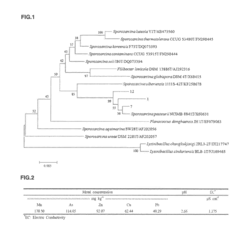
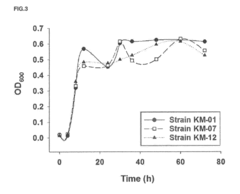
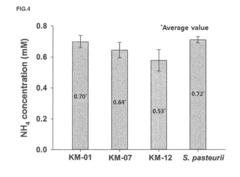
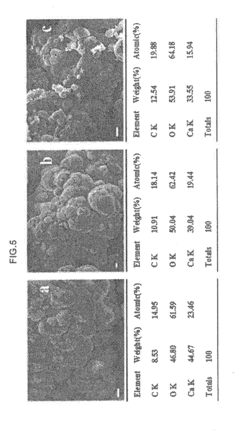
Process for making a stable powder of microorganisms and a bacterial inoculum
PatentInactiveEP0223662A1
Innovation
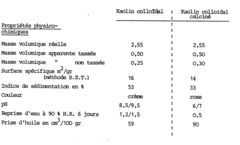
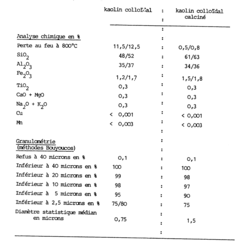
- A microbial inoculum containing selected aerobic microorganisms like Cellvibrio, Bacillus, Corynebacterium, and Trichoderma, immobilized on calcined kaolin, to accelerate organic matter degradation and enhance humic and fertilizing value in soils.
Environmental Regulations
The use of magnesium carbonate in soil and its effects on microbial biodiversity are subject to various environmental regulations across different jurisdictions. These regulations aim to balance the potential benefits of soil amendments with the need to protect ecosystems and maintain environmental integrity. In many countries, the application of magnesium carbonate to soil is regulated under broader frameworks governing agricultural inputs and soil management practices.
Environmental protection agencies often require thorough assessments of the potential impacts of magnesium carbonate on soil ecosystems before approving its use on a large scale. These assessments typically include evaluations of changes in soil pH, nutrient availability, and potential effects on non-target organisms. Regulations may specify maximum application rates to prevent excessive alteration of soil chemistry and minimize potential negative impacts on microbial communities.
Some jurisdictions have implemented specific guidelines for the use of liming agents, including magnesium carbonate, in agricultural and environmental restoration projects. These guidelines often emphasize the importance of maintaining soil biodiversity and may require monitoring programs to track changes in microbial populations over time. In certain sensitive ecosystems, such as protected wetlands or areas with rare or endangered species, the use of magnesium carbonate may be restricted or prohibited altogether.
Water quality regulations also play a crucial role in governing the use of magnesium carbonate, as runoff from treated soils can potentially affect aquatic ecosystems. Many environmental agencies have established limits on the concentration of magnesium and other minerals in surface waters, which indirectly influences the permissible use of magnesium carbonate in nearby soils.
In the context of organic farming, regulations often specify which soil amendments are permitted. While magnesium carbonate is generally considered a natural substance, its use may be subject to additional scrutiny to ensure compliance with organic certification standards. These standards typically require that any soil amendment, including magnesium carbonate, does not have adverse effects on soil health or biodiversity.
International agreements and conventions, such as those focused on biodiversity conservation and sustainable land management, may also influence national and local regulations regarding the use of soil amendments like magnesium carbonate. These agreements often emphasize the precautionary principle, encouraging careful consideration of potential long-term impacts on ecosystem health and biodiversity before widespread application of any soil treatment.
As research on the effects of magnesium carbonate on soil microbial biodiversity continues to evolve, regulations are likely to be updated to reflect new scientific understanding. This may lead to more nuanced guidelines that take into account factors such as soil type, existing microbial communities, and specific environmental conditions when determining appropriate use of magnesium carbonate as a soil amendment.
Environmental protection agencies often require thorough assessments of the potential impacts of magnesium carbonate on soil ecosystems before approving its use on a large scale. These assessments typically include evaluations of changes in soil pH, nutrient availability, and potential effects on non-target organisms. Regulations may specify maximum application rates to prevent excessive alteration of soil chemistry and minimize potential negative impacts on microbial communities.
Some jurisdictions have implemented specific guidelines for the use of liming agents, including magnesium carbonate, in agricultural and environmental restoration projects. These guidelines often emphasize the importance of maintaining soil biodiversity and may require monitoring programs to track changes in microbial populations over time. In certain sensitive ecosystems, such as protected wetlands or areas with rare or endangered species, the use of magnesium carbonate may be restricted or prohibited altogether.
Water quality regulations also play a crucial role in governing the use of magnesium carbonate, as runoff from treated soils can potentially affect aquatic ecosystems. Many environmental agencies have established limits on the concentration of magnesium and other minerals in surface waters, which indirectly influences the permissible use of magnesium carbonate in nearby soils.
In the context of organic farming, regulations often specify which soil amendments are permitted. While magnesium carbonate is generally considered a natural substance, its use may be subject to additional scrutiny to ensure compliance with organic certification standards. These standards typically require that any soil amendment, including magnesium carbonate, does not have adverse effects on soil health or biodiversity.
International agreements and conventions, such as those focused on biodiversity conservation and sustainable land management, may also influence national and local regulations regarding the use of soil amendments like magnesium carbonate. These agreements often emphasize the precautionary principle, encouraging careful consideration of potential long-term impacts on ecosystem health and biodiversity before widespread application of any soil treatment.
As research on the effects of magnesium carbonate on soil microbial biodiversity continues to evolve, regulations are likely to be updated to reflect new scientific understanding. This may lead to more nuanced guidelines that take into account factors such as soil type, existing microbial communities, and specific environmental conditions when determining appropriate use of magnesium carbonate as a soil amendment.
Sustainable Agriculture Implications
The implications of magnesium carbonate's effects on soil microbial biodiversity extend far beyond the immediate soil ecosystem, potentially revolutionizing sustainable agriculture practices. By enhancing soil microbial diversity, magnesium carbonate can contribute to improved nutrient cycling, increased soil fertility, and enhanced plant growth. This, in turn, may lead to more sustainable crop production systems with reduced reliance on synthetic fertilizers and pesticides.
The increased microbial biodiversity fostered by magnesium carbonate can promote the development of more resilient agroecosystems. Diverse microbial communities are better equipped to withstand environmental stresses, such as drought or extreme temperatures, potentially mitigating the impacts of climate change on agricultural productivity. Furthermore, a rich microbial ecosystem can enhance soil structure and water retention capacity, reducing erosion and improving overall soil health.
The potential for magnesium carbonate to influence soil microbial biodiversity also opens up new avenues for precision agriculture. By strategically applying magnesium carbonate, farmers may be able to tailor soil microbial communities to specific crop needs, optimizing nutrient availability and plant growth. This targeted approach could lead to more efficient use of resources and reduced environmental impact.
In the context of sustainable agriculture, the role of magnesium carbonate in promoting soil microbial biodiversity could contribute to the development of more effective organic farming practices. By naturally enhancing soil fertility and plant health through microbial interactions, magnesium carbonate may help bridge the productivity gap between conventional and organic farming systems.
The long-term implications of using magnesium carbonate to influence soil microbial biodiversity may extend to carbon sequestration and climate change mitigation. Diverse microbial communities can enhance soil organic matter accumulation, potentially increasing the soil's capacity to store carbon. This aligns with global efforts to develop agricultural practices that not only sustain food production but also contribute to climate change mitigation strategies.
As research in this area progresses, the findings could inform the development of new soil amendments and agricultural technologies. These innovations may focus on harnessing the power of soil microbial biodiversity to create more sustainable, resilient, and productive agricultural systems. Ultimately, the study of magnesium carbonate's effects on soil microbial biodiversity could play a crucial role in shaping the future of sustainable agriculture, contributing to global food security and environmental conservation efforts.
The increased microbial biodiversity fostered by magnesium carbonate can promote the development of more resilient agroecosystems. Diverse microbial communities are better equipped to withstand environmental stresses, such as drought or extreme temperatures, potentially mitigating the impacts of climate change on agricultural productivity. Furthermore, a rich microbial ecosystem can enhance soil structure and water retention capacity, reducing erosion and improving overall soil health.
The potential for magnesium carbonate to influence soil microbial biodiversity also opens up new avenues for precision agriculture. By strategically applying magnesium carbonate, farmers may be able to tailor soil microbial communities to specific crop needs, optimizing nutrient availability and plant growth. This targeted approach could lead to more efficient use of resources and reduced environmental impact.
In the context of sustainable agriculture, the role of magnesium carbonate in promoting soil microbial biodiversity could contribute to the development of more effective organic farming practices. By naturally enhancing soil fertility and plant health through microbial interactions, magnesium carbonate may help bridge the productivity gap between conventional and organic farming systems.
The long-term implications of using magnesium carbonate to influence soil microbial biodiversity may extend to carbon sequestration and climate change mitigation. Diverse microbial communities can enhance soil organic matter accumulation, potentially increasing the soil's capacity to store carbon. This aligns with global efforts to develop agricultural practices that not only sustain food production but also contribute to climate change mitigation strategies.
As research in this area progresses, the findings could inform the development of new soil amendments and agricultural technologies. These innovations may focus on harnessing the power of soil microbial biodiversity to create more sustainable, resilient, and productive agricultural systems. Ultimately, the study of magnesium carbonate's effects on soil microbial biodiversity could play a crucial role in shaping the future of sustainable agriculture, contributing to global food security and environmental conservation efforts.
Unlock deeper insights with Patsnap Eureka Quick Research — get a full tech report to explore trends and direct your research. Try now!
Generate Your Research Report Instantly with AI Agent
Supercharge your innovation with Patsnap Eureka AI Agent Platform!