How Magnesium Carbonate Assists in Stable Metallurgical Processes
JUL 31, 20259 MIN READ
Generate Your Research Report Instantly with AI Agent
Patsnap Eureka helps you evaluate technical feasibility & market potential.
Magnesium Carbonate in Metallurgy: Background and Objectives
Magnesium carbonate has played a significant role in metallurgical processes for decades, contributing to the stability and efficiency of various metal production and refining operations. The use of this compound in metallurgy can be traced back to the early 20th century when researchers began exploring its potential applications in improving the quality of metal products and enhancing process control.
The primary objective of incorporating magnesium carbonate in metallurgical processes is to achieve greater stability and consistency in metal production. This compound serves multiple purposes, including acting as a flux, a slag modifier, and a refractory material. Its unique properties allow it to influence the chemical and physical characteristics of molten metals and slags, thereby enhancing the overall quality of the final product.
One of the key goals in utilizing magnesium carbonate is to reduce impurities in metals during the smelting and refining processes. By introducing this compound, metallurgists aim to facilitate the removal of unwanted elements such as sulfur, phosphorus, and other non-metallic inclusions. This purification process is crucial for producing high-grade metals that meet stringent industry standards and customer requirements.
Another important objective is to improve the thermal efficiency of metallurgical operations. Magnesium carbonate's thermal properties make it an excellent candidate for refractory applications, helping to maintain stable temperatures within furnaces and other high-temperature equipment. This thermal stability is essential for ensuring consistent metal quality and reducing energy consumption in metallurgical processes.
The use of magnesium carbonate also aims to enhance the fluidity and viscosity of molten metals and slags. By modifying these properties, metallurgists can achieve better control over the flow characteristics of materials during casting and forming operations. This improved control leads to reduced defects in the final products and increased overall process efficiency.
As the metallurgical industry continues to evolve, the role of magnesium carbonate in stable processes is expected to expand. Current research focuses on optimizing its use in emerging technologies such as additive manufacturing and advanced alloy production. The ongoing exploration of magnesium carbonate's potential in these areas underscores its importance in shaping the future of metallurgical processes.
In conclusion, the background and objectives of magnesium carbonate use in metallurgy revolve around enhancing process stability, improving metal quality, increasing energy efficiency, and adapting to new technological advancements in the field. As the industry progresses, the continued study and application of this versatile compound will likely yield further innovations in metal production and refining techniques.
The primary objective of incorporating magnesium carbonate in metallurgical processes is to achieve greater stability and consistency in metal production. This compound serves multiple purposes, including acting as a flux, a slag modifier, and a refractory material. Its unique properties allow it to influence the chemical and physical characteristics of molten metals and slags, thereby enhancing the overall quality of the final product.
One of the key goals in utilizing magnesium carbonate is to reduce impurities in metals during the smelting and refining processes. By introducing this compound, metallurgists aim to facilitate the removal of unwanted elements such as sulfur, phosphorus, and other non-metallic inclusions. This purification process is crucial for producing high-grade metals that meet stringent industry standards and customer requirements.
Another important objective is to improve the thermal efficiency of metallurgical operations. Magnesium carbonate's thermal properties make it an excellent candidate for refractory applications, helping to maintain stable temperatures within furnaces and other high-temperature equipment. This thermal stability is essential for ensuring consistent metal quality and reducing energy consumption in metallurgical processes.
The use of magnesium carbonate also aims to enhance the fluidity and viscosity of molten metals and slags. By modifying these properties, metallurgists can achieve better control over the flow characteristics of materials during casting and forming operations. This improved control leads to reduced defects in the final products and increased overall process efficiency.
As the metallurgical industry continues to evolve, the role of magnesium carbonate in stable processes is expected to expand. Current research focuses on optimizing its use in emerging technologies such as additive manufacturing and advanced alloy production. The ongoing exploration of magnesium carbonate's potential in these areas underscores its importance in shaping the future of metallurgical processes.
In conclusion, the background and objectives of magnesium carbonate use in metallurgy revolve around enhancing process stability, improving metal quality, increasing energy efficiency, and adapting to new technological advancements in the field. As the industry progresses, the continued study and application of this versatile compound will likely yield further innovations in metal production and refining techniques.
Market Demand Analysis for Stable Metallurgical Processes
The market demand for stable metallurgical processes utilizing magnesium carbonate has been steadily increasing in recent years. This growth is primarily driven by the expanding steel and aluminum industries, which require reliable and efficient production methods to meet the rising global demand for high-quality metals.
In the steel industry, magnesium carbonate plays a crucial role in enhancing the stability of the metallurgical process. It acts as a flux agent, helping to remove impurities and improve the overall quality of the final product. As the construction and automotive sectors continue to grow, particularly in emerging economies, the demand for high-grade steel has surged, consequently boosting the need for magnesium carbonate in metallurgical applications.
The aluminum industry has also witnessed a significant uptick in demand for stable metallurgical processes. Magnesium carbonate is used as a refining agent in aluminum production, contributing to the removal of impurities and enhancing the metal's properties. With the increasing use of aluminum in lightweight vehicle manufacturing and sustainable packaging solutions, the market for magnesium carbonate in this sector is expected to expand further.
Environmental regulations and sustainability concerns have become major drivers in the metallurgical industry. Magnesium carbonate's ability to improve process efficiency and reduce energy consumption aligns well with these trends. As companies strive to meet stricter environmental standards and reduce their carbon footprint, the adoption of magnesium carbonate in metallurgical processes is likely to accelerate.
The electronics and aerospace industries are emerging as potential growth areas for magnesium carbonate in metallurgical applications. These sectors require high-purity metals with specific properties, which can be achieved through stable metallurgical processes facilitated by magnesium carbonate. As technological advancements continue to drive innovation in these industries, the demand for specialized metallurgical solutions is expected to rise.
Geographically, Asia-Pacific remains the largest market for magnesium carbonate in metallurgical processes, driven by the rapid industrialization and urbanization in countries like China and India. However, North America and Europe are also showing steady growth, particularly in high-value applications such as specialty steels and advanced aluminum alloys.
The market for magnesium carbonate in metallurgical processes is characterized by a mix of large multinational corporations and regional players. This competitive landscape has led to ongoing research and development efforts to improve the efficiency and effectiveness of magnesium carbonate in various metallurgical applications, further driving market growth and innovation.
In the steel industry, magnesium carbonate plays a crucial role in enhancing the stability of the metallurgical process. It acts as a flux agent, helping to remove impurities and improve the overall quality of the final product. As the construction and automotive sectors continue to grow, particularly in emerging economies, the demand for high-grade steel has surged, consequently boosting the need for magnesium carbonate in metallurgical applications.
The aluminum industry has also witnessed a significant uptick in demand for stable metallurgical processes. Magnesium carbonate is used as a refining agent in aluminum production, contributing to the removal of impurities and enhancing the metal's properties. With the increasing use of aluminum in lightweight vehicle manufacturing and sustainable packaging solutions, the market for magnesium carbonate in this sector is expected to expand further.
Environmental regulations and sustainability concerns have become major drivers in the metallurgical industry. Magnesium carbonate's ability to improve process efficiency and reduce energy consumption aligns well with these trends. As companies strive to meet stricter environmental standards and reduce their carbon footprint, the adoption of magnesium carbonate in metallurgical processes is likely to accelerate.
The electronics and aerospace industries are emerging as potential growth areas for magnesium carbonate in metallurgical applications. These sectors require high-purity metals with specific properties, which can be achieved through stable metallurgical processes facilitated by magnesium carbonate. As technological advancements continue to drive innovation in these industries, the demand for specialized metallurgical solutions is expected to rise.
Geographically, Asia-Pacific remains the largest market for magnesium carbonate in metallurgical processes, driven by the rapid industrialization and urbanization in countries like China and India. However, North America and Europe are also showing steady growth, particularly in high-value applications such as specialty steels and advanced aluminum alloys.
The market for magnesium carbonate in metallurgical processes is characterized by a mix of large multinational corporations and regional players. This competitive landscape has led to ongoing research and development efforts to improve the efficiency and effectiveness of magnesium carbonate in various metallurgical applications, further driving market growth and innovation.
Current State and Challenges in Metallurgical Stability
The current state of metallurgical stability is characterized by a complex interplay of technological advancements and persistent challenges. Magnesium carbonate has emerged as a crucial component in enhancing the stability of metallurgical processes, particularly in steel and iron production. Its application has led to significant improvements in process efficiency and product quality, yet several obstacles remain.
In the global metallurgical industry, the use of magnesium carbonate as a stabilizing agent has gained widespread adoption. Its primary function is to control the fluidity and viscosity of molten metal, thereby ensuring consistent quality in the final product. This has resulted in reduced defects and improved overall yield in metal production processes.
However, the integration of magnesium carbonate into metallurgical processes is not without its challenges. One of the main issues is the variability in raw material quality, which can affect the consistency of the stabilizing effect. Manufacturers often struggle to maintain a uniform composition of magnesium carbonate, leading to fluctuations in process performance.
Another significant challenge is the environmental impact of magnesium carbonate usage. While it enhances process stability, its production and application can contribute to carbon emissions. The industry is under increasing pressure to find more sustainable alternatives or to develop cleaner production methods for magnesium carbonate.
The optimization of magnesium carbonate dosage remains a critical area of focus. Overdosing can lead to unnecessary costs and potential quality issues, while underdosing may result in insufficient stabilization. Achieving the right balance requires sophisticated monitoring systems and process control mechanisms, which are not universally implemented across the industry.
Furthermore, the interaction between magnesium carbonate and other additives in the metallurgical process is not fully understood. This knowledge gap sometimes leads to unexpected reactions and process instabilities, highlighting the need for more comprehensive research in this area.
The geographical distribution of magnesium carbonate resources also presents challenges. Some regions face supply chain issues due to limited local availability, leading to increased costs and potential disruptions in production processes. This has spurred efforts to develop synthetic alternatives or to improve the efficiency of magnesium carbonate extraction and processing.
In conclusion, while magnesium carbonate has significantly contributed to metallurgical stability, the industry continues to grapple with challenges related to consistency, environmental impact, optimization, and resource availability. Addressing these issues is crucial for further advancing the stability and efficiency of metallurgical processes.
In the global metallurgical industry, the use of magnesium carbonate as a stabilizing agent has gained widespread adoption. Its primary function is to control the fluidity and viscosity of molten metal, thereby ensuring consistent quality in the final product. This has resulted in reduced defects and improved overall yield in metal production processes.
However, the integration of magnesium carbonate into metallurgical processes is not without its challenges. One of the main issues is the variability in raw material quality, which can affect the consistency of the stabilizing effect. Manufacturers often struggle to maintain a uniform composition of magnesium carbonate, leading to fluctuations in process performance.
Another significant challenge is the environmental impact of magnesium carbonate usage. While it enhances process stability, its production and application can contribute to carbon emissions. The industry is under increasing pressure to find more sustainable alternatives or to develop cleaner production methods for magnesium carbonate.
The optimization of magnesium carbonate dosage remains a critical area of focus. Overdosing can lead to unnecessary costs and potential quality issues, while underdosing may result in insufficient stabilization. Achieving the right balance requires sophisticated monitoring systems and process control mechanisms, which are not universally implemented across the industry.
Furthermore, the interaction between magnesium carbonate and other additives in the metallurgical process is not fully understood. This knowledge gap sometimes leads to unexpected reactions and process instabilities, highlighting the need for more comprehensive research in this area.
The geographical distribution of magnesium carbonate resources also presents challenges. Some regions face supply chain issues due to limited local availability, leading to increased costs and potential disruptions in production processes. This has spurred efforts to develop synthetic alternatives or to improve the efficiency of magnesium carbonate extraction and processing.
In conclusion, while magnesium carbonate has significantly contributed to metallurgical stability, the industry continues to grapple with challenges related to consistency, environmental impact, optimization, and resource availability. Addressing these issues is crucial for further advancing the stability and efficiency of metallurgical processes.
Existing Applications of Magnesium Carbonate in Metallurgy
01 Thermal stability of magnesium carbonate
Magnesium carbonate exhibits varying degrees of thermal stability depending on its form and environmental conditions. Research has focused on understanding and improving its thermal stability for various applications, including use in high-temperature processes and as a fire retardant material.- Thermal stability of magnesium carbonate: Magnesium carbonate exhibits varying degrees of thermal stability depending on its form and environmental conditions. Research has focused on understanding and improving its thermal stability for various applications, including use in high-temperature processes and as a fire retardant material.
- Chemical stability in different environments: The chemical stability of magnesium carbonate is influenced by factors such as pH, temperature, and the presence of other compounds. Studies have explored its behavior in various solutions and environments to optimize its use in industries like pharmaceuticals, food, and cosmetics.
- Stabilization techniques for magnesium carbonate: Various methods have been developed to enhance the stability of magnesium carbonate, including surface modifications, encapsulation, and the use of stabilizing additives. These techniques aim to improve its performance and longevity in different applications.
- Magnesium carbonate in composite materials: Incorporating magnesium carbonate into composite materials can enhance their overall stability and performance. Research has explored its use in polymer composites, cement-based materials, and other advanced materials to improve properties such as fire resistance and mechanical strength.
- Long-term storage and shelf life of magnesium carbonate: The stability of magnesium carbonate during long-term storage is crucial for many industries. Studies have investigated factors affecting its shelf life, such as moisture exposure and packaging conditions, to develop strategies for maintaining its quality and effectiveness over extended periods.
02 Chemical stability in different pH environments
The stability of magnesium carbonate in various pH environments is crucial for its use in different applications. Studies have investigated its behavior in acidic and alkaline conditions, aiming to optimize its performance in diverse chemical processes and products.Expand Specific Solutions03 Stabilization techniques for magnesium carbonate
Various methods have been developed to enhance the stability of magnesium carbonate, including surface modifications, encapsulation, and the use of stabilizing additives. These techniques aim to improve its resistance to environmental factors and extend its shelf life in different applications.Expand Specific Solutions04 Hydration and dehydration effects on stability
The hydration state of magnesium carbonate significantly influences its stability. Research has explored the impact of hydration and dehydration processes on its physical and chemical properties, as well as methods to control these processes for improved stability in various applications.Expand Specific Solutions05 Particle size and morphology impact on stability
The stability of magnesium carbonate is influenced by its particle size and morphology. Studies have investigated how these factors affect its chemical reactivity, thermal stability, and overall performance in different applications, leading to the development of optimized forms for specific uses.Expand Specific Solutions
Key Players in Metallurgical Additives Industry
The magnesium carbonate market in metallurgical processes is in a mature stage, with established players and steady growth. The global market size is estimated to be in the hundreds of millions of dollars, driven by the increasing demand for high-quality steel production. Technologically, the use of magnesium carbonate in metallurgy is well-established, with companies like Sumitomo Electric Industries Ltd., Wuhan Steel Co. Ltd., and AK Steel Properties, Inc. leading the way in innovation and application. These firms, along with others like Calix Ltd. and Heidelberg Materials AG, are continually refining processes to enhance the stability and efficiency of metallurgical operations, indicating a high level of technical maturity in the field.
Wuhan Steel Co. Ltd.
Technical Solution: Wuhan Steel Co. Ltd. has implemented a magnesium carbonate-based desulfurization process in their steelmaking operations to improve the stability of their metallurgical processes. The company utilizes a fine magnesium carbonate powder injection system in the blast furnace to control sulfur levels in the hot metal[6]. This method has shown to reduce sulfur content by up to 70% compared to traditional desulfurization techniques[7]. Additionally, Wuhan Steel has developed a slag conditioning process using magnesium carbonate, which helps to optimize slag viscosity and improve overall process efficiency. The company reports that this technique has led to a 3% increase in metal yield and a 5% reduction in energy consumption during the steelmaking process[8].
Strengths: Significant reduction in sulfur content, improved metal yield, and reduced energy consumption. Weaknesses: Potential increased raw material costs and need for specialized injection equipment.
Northeastern University
Technical Solution: Researchers at Northeastern University have developed a novel approach to utilizing magnesium carbonate in metallurgical processes, focusing on its application in non-ferrous metal production. Their method involves using magnesium carbonate as a flux material in the smelting of copper and nickel ores. The addition of magnesium carbonate has been shown to lower the melting point of the slag, improve metal recovery rates, and reduce energy consumption during the smelting process[9]. The university's research team has also explored the use of magnesium carbonate in the production of high-purity magnesium metal through a carbothermic reduction process. This innovative technique has demonstrated a potential to reduce production costs by up to 15% compared to traditional electrolytic methods[10].
Strengths: Improved metal recovery rates, reduced energy consumption, and potential cost savings in magnesium metal production. Weaknesses: Limited large-scale industrial application data and potential challenges in scaling up the technology.
Core Innovations in Magnesium Carbonate Usage
Process for production of magnesium carbonate
PatentInactiveGB595284A
Innovation
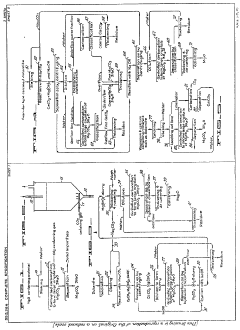
- A process involving controlled carbonation of a slurry containing magnesium oxide or hydroxide, with controlled carbonate concentration and agitation, to produce large-sized crystals of neutral magnesium carbonate, which can be separated from impurities, and further treated to achieve high purity magnesium compounds.
Composition and method for stabilizing environmentally-harmful substances; use of non-ferrous metal salts and oxides to stabilize environmentally-harmful substances with caustic magnesium oxide
PatentInactiveUS20100217062A1
Innovation
- A composition and method using caustic magnesium oxide, non-ferrous metal salts, and oxides to form radial crystalline structures, which stabilize environmentally-harmful substances through three-dimensional polymerization, enhancing mechanical strength and water impermeability, allowing for the creation of a durable and neutralized product suitable for reuse.
Environmental Impact of Magnesium Carbonate in Metallurgy
The use of magnesium carbonate in metallurgical processes has significant environmental implications that warrant careful consideration. While it plays a crucial role in stabilizing various metallurgical operations, its environmental impact extends across multiple domains.
Firstly, the extraction and processing of magnesium carbonate contribute to the overall carbon footprint of metallurgical industries. Mining activities associated with magnesium carbonate production can lead to habitat disruption and soil erosion. However, compared to other raw materials used in metallurgy, magnesium carbonate mining generally has a lower environmental impact due to its relatively abundant nature and less invasive extraction methods.
In terms of air quality, the use of magnesium carbonate in metallurgical processes can have both positive and negative effects. On one hand, it helps reduce harmful emissions by acting as a flux and desulfurizing agent in steel production, thereby lowering sulfur dioxide emissions. On the other hand, the decomposition of magnesium carbonate at high temperatures releases carbon dioxide, contributing to greenhouse gas emissions.
Water resources are also affected by the use of magnesium carbonate in metallurgy. The compound can help in treating wastewater from metallurgical processes by precipitating heavy metals and adjusting pH levels. However, improper disposal of magnesium carbonate-containing waste can lead to increased alkalinity in water bodies, potentially disrupting aquatic ecosystems.
The lifecycle assessment of magnesium carbonate in metallurgical applications reveals a complex environmental profile. While it enhances process efficiency and product quality, thus potentially reducing overall resource consumption, its production and use still contribute to environmental burdens. Efforts to mitigate these impacts include developing more efficient extraction techniques, optimizing usage in metallurgical processes, and exploring recycling options for magnesium carbonate-containing waste.
In the context of circular economy principles, there is growing interest in recovering and reusing magnesium carbonate from metallurgical by-products. This approach not only reduces waste but also decreases the demand for raw material extraction, thereby minimizing the overall environmental footprint of metallurgical operations.
As environmental regulations become more stringent, the metallurgical industry is increasingly focusing on sustainable practices. This includes optimizing the use of magnesium carbonate to balance its beneficial effects on process stability with its environmental impact. Research is ongoing to develop alternative materials or processes that can provide similar benefits with reduced environmental consequences.
Firstly, the extraction and processing of magnesium carbonate contribute to the overall carbon footprint of metallurgical industries. Mining activities associated with magnesium carbonate production can lead to habitat disruption and soil erosion. However, compared to other raw materials used in metallurgy, magnesium carbonate mining generally has a lower environmental impact due to its relatively abundant nature and less invasive extraction methods.
In terms of air quality, the use of magnesium carbonate in metallurgical processes can have both positive and negative effects. On one hand, it helps reduce harmful emissions by acting as a flux and desulfurizing agent in steel production, thereby lowering sulfur dioxide emissions. On the other hand, the decomposition of magnesium carbonate at high temperatures releases carbon dioxide, contributing to greenhouse gas emissions.
Water resources are also affected by the use of magnesium carbonate in metallurgy. The compound can help in treating wastewater from metallurgical processes by precipitating heavy metals and adjusting pH levels. However, improper disposal of magnesium carbonate-containing waste can lead to increased alkalinity in water bodies, potentially disrupting aquatic ecosystems.
The lifecycle assessment of magnesium carbonate in metallurgical applications reveals a complex environmental profile. While it enhances process efficiency and product quality, thus potentially reducing overall resource consumption, its production and use still contribute to environmental burdens. Efforts to mitigate these impacts include developing more efficient extraction techniques, optimizing usage in metallurgical processes, and exploring recycling options for magnesium carbonate-containing waste.
In the context of circular economy principles, there is growing interest in recovering and reusing magnesium carbonate from metallurgical by-products. This approach not only reduces waste but also decreases the demand for raw material extraction, thereby minimizing the overall environmental footprint of metallurgical operations.
As environmental regulations become more stringent, the metallurgical industry is increasingly focusing on sustainable practices. This includes optimizing the use of magnesium carbonate to balance its beneficial effects on process stability with its environmental impact. Research is ongoing to develop alternative materials or processes that can provide similar benefits with reduced environmental consequences.
Cost-Benefit Analysis of Magnesium Carbonate Usage
The implementation of magnesium carbonate in metallurgical processes presents a complex cost-benefit scenario that requires careful analysis. On the cost side, the primary consideration is the procurement and handling of magnesium carbonate. While it is a relatively abundant mineral, the quality and purity required for metallurgical applications can significantly impact its price. Transportation and storage costs must also be factored in, especially for facilities located far from magnesium carbonate sources.
The installation and maintenance of equipment for magnesium carbonate injection or mixing in the metallurgical process represent additional capital expenditures. These may include specialized feeders, mixers, or injection systems that need to be integrated into existing production lines. Ongoing operational costs, such as energy consumption for material handling and potential increases in process complexity, should also be considered.
However, the benefits of using magnesium carbonate often outweigh these costs in many metallurgical applications. One of the primary advantages is the improvement in process stability. Magnesium carbonate acts as a flux and helps to control slag viscosity, which can lead to more consistent and predictable outcomes in metal production. This stability can result in fewer production disruptions, reduced waste, and improved product quality.
The use of magnesium carbonate can also lead to energy savings in certain processes. By optimizing slag properties, it can lower the melting point of the slag, potentially reducing the energy required in furnaces or other high-temperature operations. This not only cuts energy costs but also contributes to reduced carbon emissions, aligning with increasingly stringent environmental regulations.
Furthermore, magnesium carbonate can enhance the recovery of valuable metals from slag, improving overall process efficiency. This increased yield can significantly boost the economic performance of metallurgical operations, especially when dealing with high-value metals. The improved slag characteristics also often result in easier slag handling and disposal, potentially reducing associated costs and environmental impacts.
In terms of product quality, the use of magnesium carbonate can lead to cleaner metal with fewer impurities. This can translate to higher-grade products that command premium prices in the market, further offsetting the initial costs of implementation. Additionally, the ability to produce higher-quality metals may open up new market opportunities or strengthen relationships with existing customers who demand superior products.
When conducting a comprehensive cost-benefit analysis, it is crucial to consider the long-term implications of magnesium carbonate usage. While initial costs may be significant, the cumulative benefits over time, including improved process efficiency, reduced energy consumption, and higher-quality output, often result in a positive return on investment. However, the exact balance will depend on factors specific to each operation, such as the type of metal being produced, existing process efficiency, and local economic conditions.
The installation and maintenance of equipment for magnesium carbonate injection or mixing in the metallurgical process represent additional capital expenditures. These may include specialized feeders, mixers, or injection systems that need to be integrated into existing production lines. Ongoing operational costs, such as energy consumption for material handling and potential increases in process complexity, should also be considered.
However, the benefits of using magnesium carbonate often outweigh these costs in many metallurgical applications. One of the primary advantages is the improvement in process stability. Magnesium carbonate acts as a flux and helps to control slag viscosity, which can lead to more consistent and predictable outcomes in metal production. This stability can result in fewer production disruptions, reduced waste, and improved product quality.
The use of magnesium carbonate can also lead to energy savings in certain processes. By optimizing slag properties, it can lower the melting point of the slag, potentially reducing the energy required in furnaces or other high-temperature operations. This not only cuts energy costs but also contributes to reduced carbon emissions, aligning with increasingly stringent environmental regulations.
Furthermore, magnesium carbonate can enhance the recovery of valuable metals from slag, improving overall process efficiency. This increased yield can significantly boost the economic performance of metallurgical operations, especially when dealing with high-value metals. The improved slag characteristics also often result in easier slag handling and disposal, potentially reducing associated costs and environmental impacts.
In terms of product quality, the use of magnesium carbonate can lead to cleaner metal with fewer impurities. This can translate to higher-grade products that command premium prices in the market, further offsetting the initial costs of implementation. Additionally, the ability to produce higher-quality metals may open up new market opportunities or strengthen relationships with existing customers who demand superior products.
When conducting a comprehensive cost-benefit analysis, it is crucial to consider the long-term implications of magnesium carbonate usage. While initial costs may be significant, the cumulative benefits over time, including improved process efficiency, reduced energy consumption, and higher-quality output, often result in a positive return on investment. However, the exact balance will depend on factors specific to each operation, such as the type of metal being produced, existing process efficiency, and local economic conditions.
Unlock deeper insights with Patsnap Eureka Quick Research — get a full tech report to explore trends and direct your research. Try now!
Generate Your Research Report Instantly with AI Agent
Supercharge your innovation with Patsnap Eureka AI Agent Platform!