
How to Develop Sustainable Propionic Acid Manufacturing Pathways?
JUL 3, 20259 MIN READ
Generate Your Research Report Instantly with AI Agent
Patsnap Eureka helps you evaluate technical feasibility & market potential.
Propionic Acid Synthesis Evolution and Objectives
Propionic acid synthesis has undergone significant evolution since its initial industrial production in the early 20th century. The traditional petrochemical route, involving the hydrocarboxylation of ethylene, has long been the dominant method. However, growing environmental concerns and the push for sustainability have driven research into alternative production pathways.
The primary objective in developing sustainable propionic acid manufacturing pathways is to reduce reliance on fossil fuel-based feedstocks and minimize environmental impact. This goal aligns with broader industry trends towards green chemistry and circular economy principles. Researchers and industry players are exploring bio-based routes, utilizing renewable resources as starting materials.
One promising direction is the fermentation of biomass-derived sugars using propionibacteria. This approach offers the advantage of using renewable feedstocks and potentially lower energy requirements compared to petrochemical processes. However, challenges remain in improving yield, productivity, and downstream processing efficiency to make this method economically competitive.
Another area of focus is the development of catalytic processes that can convert bio-based platform chemicals, such as lactic acid or glycerol, into propionic acid. These pathways aim to leverage existing bio-refinery streams and create value-added products from renewable resources. The objective here is to design highly selective and efficient catalysts that can operate under mild conditions, reducing energy consumption and waste generation.
Electrochemical synthesis routes are also gaining attention as a potential sustainable pathway. By utilizing renewable electricity, these methods could offer a low-carbon alternative to traditional thermochemical processes. The goal is to develop stable electrode materials and optimize reaction conditions to achieve high faradaic efficiency and product selectivity.
As the field progresses, there is a growing emphasis on integrating these novel production methods with existing industrial infrastructure. This includes developing hybrid processes that combine bio-based and chemical catalytic steps, as well as exploring opportunities for process intensification and waste valorization.
The overarching aim is to establish economically viable and environmentally sustainable propionic acid production pathways that can meet the growing global demand while reducing the carbon footprint of the chemical industry. This requires a multidisciplinary approach, combining advances in biotechnology, catalysis, process engineering, and green chemistry to overcome current technological barriers and pave the way for next-generation manufacturing processes.
The primary objective in developing sustainable propionic acid manufacturing pathways is to reduce reliance on fossil fuel-based feedstocks and minimize environmental impact. This goal aligns with broader industry trends towards green chemistry and circular economy principles. Researchers and industry players are exploring bio-based routes, utilizing renewable resources as starting materials.
One promising direction is the fermentation of biomass-derived sugars using propionibacteria. This approach offers the advantage of using renewable feedstocks and potentially lower energy requirements compared to petrochemical processes. However, challenges remain in improving yield, productivity, and downstream processing efficiency to make this method economically competitive.
Another area of focus is the development of catalytic processes that can convert bio-based platform chemicals, such as lactic acid or glycerol, into propionic acid. These pathways aim to leverage existing bio-refinery streams and create value-added products from renewable resources. The objective here is to design highly selective and efficient catalysts that can operate under mild conditions, reducing energy consumption and waste generation.
Electrochemical synthesis routes are also gaining attention as a potential sustainable pathway. By utilizing renewable electricity, these methods could offer a low-carbon alternative to traditional thermochemical processes. The goal is to develop stable electrode materials and optimize reaction conditions to achieve high faradaic efficiency and product selectivity.
As the field progresses, there is a growing emphasis on integrating these novel production methods with existing industrial infrastructure. This includes developing hybrid processes that combine bio-based and chemical catalytic steps, as well as exploring opportunities for process intensification and waste valorization.
The overarching aim is to establish economically viable and environmentally sustainable propionic acid production pathways that can meet the growing global demand while reducing the carbon footprint of the chemical industry. This requires a multidisciplinary approach, combining advances in biotechnology, catalysis, process engineering, and green chemistry to overcome current technological barriers and pave the way for next-generation manufacturing processes.
Market Analysis for Sustainable Propionic Acid
The global market for propionic acid has been experiencing steady growth, driven by increasing demand across various industries. The sustainable production of propionic acid is gaining significant attention due to growing environmental concerns and the push for greener manufacturing processes. This shift towards sustainability is reshaping the market landscape and creating new opportunities for industry players.
The food and feed preservation sector remains the largest consumer of propionic acid, accounting for a substantial portion of the market share. The rising demand for processed foods and the need for extended shelf life are key factors contributing to this segment's growth. Additionally, the pharmaceutical and personal care industries are emerging as promising markets for sustainable propionic acid, driven by the increasing preference for bio-based ingredients.
In terms of regional distribution, North America and Europe currently dominate the sustainable propionic acid market. These regions have stringent environmental regulations and a strong focus on sustainable practices, which has accelerated the adoption of eco-friendly production methods. However, the Asia-Pacific region is expected to witness the fastest growth in the coming years, fueled by rapid industrialization, increasing awareness of sustainability, and growing demand from end-use industries.
The market for sustainable propionic acid is characterized by intense competition among key players, with a focus on research and development to improve production efficiency and reduce environmental impact. Companies are investing in bio-based production technologies and exploring novel feedstocks to enhance sustainability and reduce dependence on fossil fuel-based raw materials.
Price volatility of raw materials remains a significant challenge in the sustainable propionic acid market. Fluctuations in the cost of bio-based feedstocks can impact profit margins and market growth. However, advancements in biotechnology and process optimization are expected to mitigate these challenges in the long term.
The sustainable propionic acid market is projected to grow at a compound annual growth rate (CAGR) higher than that of conventional propionic acid production. This growth is attributed to increasing consumer awareness, stringent regulations promoting sustainable practices, and the expanding application scope of bio-based propionic acid in various industries.
In conclusion, the market analysis for sustainable propionic acid reveals a promising outlook with significant growth potential. The shift towards sustainability is not only reshaping the industry but also creating new opportunities for innovation and market expansion. As technology advances and production costs decrease, sustainable propionic acid is poised to capture a larger market share, potentially revolutionizing the chemical industry's approach to sustainability.
The food and feed preservation sector remains the largest consumer of propionic acid, accounting for a substantial portion of the market share. The rising demand for processed foods and the need for extended shelf life are key factors contributing to this segment's growth. Additionally, the pharmaceutical and personal care industries are emerging as promising markets for sustainable propionic acid, driven by the increasing preference for bio-based ingredients.
In terms of regional distribution, North America and Europe currently dominate the sustainable propionic acid market. These regions have stringent environmental regulations and a strong focus on sustainable practices, which has accelerated the adoption of eco-friendly production methods. However, the Asia-Pacific region is expected to witness the fastest growth in the coming years, fueled by rapid industrialization, increasing awareness of sustainability, and growing demand from end-use industries.
The market for sustainable propionic acid is characterized by intense competition among key players, with a focus on research and development to improve production efficiency and reduce environmental impact. Companies are investing in bio-based production technologies and exploring novel feedstocks to enhance sustainability and reduce dependence on fossil fuel-based raw materials.
Price volatility of raw materials remains a significant challenge in the sustainable propionic acid market. Fluctuations in the cost of bio-based feedstocks can impact profit margins and market growth. However, advancements in biotechnology and process optimization are expected to mitigate these challenges in the long term.
The sustainable propionic acid market is projected to grow at a compound annual growth rate (CAGR) higher than that of conventional propionic acid production. This growth is attributed to increasing consumer awareness, stringent regulations promoting sustainable practices, and the expanding application scope of bio-based propionic acid in various industries.
In conclusion, the market analysis for sustainable propionic acid reveals a promising outlook with significant growth potential. The shift towards sustainability is not only reshaping the industry but also creating new opportunities for innovation and market expansion. As technology advances and production costs decrease, sustainable propionic acid is poised to capture a larger market share, potentially revolutionizing the chemical industry's approach to sustainability.
Current Challenges in Green Propionic Acid Production
The current challenges in green propionic acid production stem from the limitations of traditional petrochemical-based manufacturing methods and the growing demand for sustainable alternatives. One of the primary obstacles is the high energy consumption and carbon footprint associated with conventional production processes, which rely heavily on fossil fuel feedstocks and energy-intensive reactions.
Another significant challenge is the limited availability of renewable raw materials suitable for large-scale propionic acid production. While bio-based feedstocks offer a promising alternative, their use often results in lower yields and productivity compared to petrochemical routes. This efficiency gap makes it difficult for green production methods to compete economically with established processes.
The development of efficient and selective catalysts for bio-based propionic acid synthesis remains a critical challenge. Current bio-catalysts often suffer from low selectivity, leading to the formation of unwanted by-products and reduced overall yield. Additionally, catalyst stability and longevity in industrial-scale operations pose significant hurdles for sustainable production.
Process integration and optimization present another set of challenges in green propionic acid manufacturing. Balancing the complex interplay between fermentation conditions, downstream processing, and product recovery while maintaining economic viability is a formidable task. The need for specialized equipment and infrastructure to handle bio-based processes adds to the complexity and cost of transitioning to sustainable production methods.
Scaling up laboratory-proven green technologies to industrial production levels remains a significant challenge. Many promising sustainable pathways struggle to maintain their efficiency and economic viability when scaled to commercial volumes. This scaling issue often results in increased production costs, making it difficult for green propionic acid to compete with conventionally produced alternatives in the market.
Regulatory and market barriers also pose challenges to the widespread adoption of green propionic acid production. Stringent regulations on bio-based processes and products, coupled with the lack of standardized sustainability metrics, can hinder the development and commercialization of new technologies. Moreover, the volatility of feedstock prices and the need for substantial initial investments in new production facilities create additional obstacles for companies looking to transition to sustainable manufacturing pathways.
Another significant challenge is the limited availability of renewable raw materials suitable for large-scale propionic acid production. While bio-based feedstocks offer a promising alternative, their use often results in lower yields and productivity compared to petrochemical routes. This efficiency gap makes it difficult for green production methods to compete economically with established processes.
The development of efficient and selective catalysts for bio-based propionic acid synthesis remains a critical challenge. Current bio-catalysts often suffer from low selectivity, leading to the formation of unwanted by-products and reduced overall yield. Additionally, catalyst stability and longevity in industrial-scale operations pose significant hurdles for sustainable production.
Process integration and optimization present another set of challenges in green propionic acid manufacturing. Balancing the complex interplay between fermentation conditions, downstream processing, and product recovery while maintaining economic viability is a formidable task. The need for specialized equipment and infrastructure to handle bio-based processes adds to the complexity and cost of transitioning to sustainable production methods.
Scaling up laboratory-proven green technologies to industrial production levels remains a significant challenge. Many promising sustainable pathways struggle to maintain their efficiency and economic viability when scaled to commercial volumes. This scaling issue often results in increased production costs, making it difficult for green propionic acid to compete with conventionally produced alternatives in the market.
Regulatory and market barriers also pose challenges to the widespread adoption of green propionic acid production. Stringent regulations on bio-based processes and products, coupled with the lack of standardized sustainability metrics, can hinder the development and commercialization of new technologies. Moreover, the volatility of feedstock prices and the need for substantial initial investments in new production facilities create additional obstacles for companies looking to transition to sustainable manufacturing pathways.
Existing Sustainable Propionic Acid Manufacturing Methods
01 Sustainable production methods
Various sustainable methods for producing propionic acid have been developed, including fermentation processes using renewable resources and bio-based feedstocks. These methods aim to reduce environmental impact and improve overall sustainability of propionic acid production.- Sustainable production methods: Developing sustainable production methods for propionic acid is a key focus in the industry. This includes using renewable feedstocks, implementing green chemistry principles, and optimizing fermentation processes to reduce environmental impact and improve efficiency.
- Biosynthesis and fermentation: Utilizing biosynthesis and fermentation techniques to produce propionic acid from renewable resources is gaining traction. This approach involves using microorganisms to convert biomass or other sustainable feedstocks into propionic acid, reducing reliance on petrochemical-based production methods.
- Waste valorization: Exploring ways to produce propionic acid from waste materials contributes to sustainability efforts. This includes using agricultural residues, food waste, or industrial by-products as feedstocks, thereby reducing waste and creating value-added products.
- Process optimization and energy efficiency: Improving process efficiency and reducing energy consumption in propionic acid production are crucial for sustainability. This involves developing novel catalysts, optimizing reaction conditions, and implementing energy-saving technologies to minimize environmental impact.
- Sustainable applications and end-use: Focusing on sustainable applications of propionic acid contributes to overall sustainability. This includes its use in eco-friendly preservatives, biodegradable plastics, and other green chemistry applications that promote circular economy principles.
02 Recycling and waste reduction
Techniques for recycling propionic acid and reducing waste in its production and use have been implemented. These include recovery processes, closed-loop systems, and methods to minimize byproducts, contributing to more sustainable practices in the industry.Expand Specific Solutions03 Green chemistry applications
Propionic acid is being utilized in various green chemistry applications, such as bio-based polymers, environmentally friendly solvents, and sustainable preservatives. These applications contribute to reducing reliance on petroleum-based products and promoting sustainability across different industries.Expand Specific Solutions04 Energy-efficient production processes
Innovations in energy-efficient production processes for propionic acid have been developed, including optimized reactor designs, improved catalysts, and novel separation techniques. These advancements aim to reduce energy consumption and enhance the overall sustainability of propionic acid manufacturing.Expand Specific Solutions05 Life cycle assessment and sustainability metrics
Research has been conducted on life cycle assessments and sustainability metrics for propionic acid production and use. These studies help identify areas for improvement in the sustainability of propionic acid throughout its lifecycle, from raw material sourcing to end-of-life considerations.Expand Specific Solutions
Key Industry Players and Competitive Landscape
The development of sustainable propionic acid manufacturing pathways is in a transitional phase, with growing market demand driving innovation. The global propionic acid market is projected to reach $1.7 billion by 2025, reflecting increasing applications across industries. Technologically, both traditional petrochemical routes and emerging bio-based processes are being explored. Companies like BASF, Dow Chemical, and Eastman Chemical are leading conventional production methods, while biotechnology firms and academic institutions such as The Ohio State University and University of Queensland are advancing bio-based alternatives. The technology is maturing, with a focus on improving efficiency, sustainability, and cost-effectiveness across both approaches.
Evonik Operations GmbH
Technical Solution: Evonik has pioneered a sustainable propionic acid production pathway using their proprietary PROMAX technology. This process utilizes glycerol, a byproduct of biodiesel production, as a renewable feedstock. The PROMAX technology employs a highly selective catalyst system that enables direct oxidation of glycerol to propionic acid with high yields and selectivity[4]. Evonik's process operates under mild conditions, reducing energy consumption compared to traditional methods. They have also implemented advanced process control systems and heat integration strategies to optimize resource utilization. Furthermore, Evonik has developed a closed-loop water management system, significantly reducing water consumption and wastewater generation in the production process[5].
Strengths: Utilization of biodiesel byproduct, high selectivity and yield, reduced energy and water consumption. Weaknesses: Dependence on biodiesel industry for feedstock availability, potential catalyst cost and lifespan issues.
China Petroleum & Chemical Corp.
Technical Solution: China Petroleum & Chemical Corp. (Sinopec) has developed a novel approach to sustainable propionic acid production through the integration of CO2 utilization and biomass conversion. Their process involves the catalytic hydrogenation of CO2 to produce formic acid, which is then coupled with ethanol derived from biomass fermentation to yield propionic acid[6]. Sinopec has engineered highly efficient catalysts for both the CO2 hydrogenation and coupling reactions, achieving high conversion rates and selectivity. The company has also implemented advanced process intensification techniques, such as reactive distillation, to combine reaction and separation steps, thereby reducing energy consumption and equipment footprint[7]. Additionally, Sinopec has developed a comprehensive life cycle assessment framework to continuously optimize the sustainability metrics of their production pathway.
Strengths: CO2 utilization, integration with biomass conversion, process intensification. Weaknesses: Complexity of the multi-step process, potential high capital costs for implementation.
Innovative Green Chemistry Approaches for Propionic Acid
PROPIONIC ACID MANUFACTURING PROCESS
PatentInactiveBRPI0806382A2
Innovation
- A catalytic dehydration process using transition metals such as palladium, rhodium, nickel, nickel-Raney, ruthenium, or platinum, supported on activated carbon or silica, converts glycerol into propionic acid through a single-step reaction at controlled temperatures and pressures.
Chromatographic separation of propionic acid using strong base anion exchange resin
PatentWO2017095685A1
Innovation
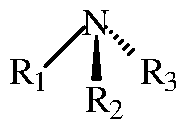
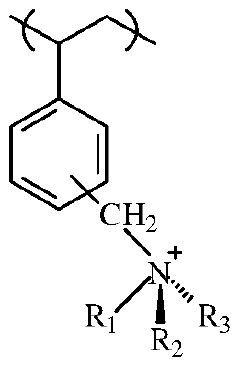
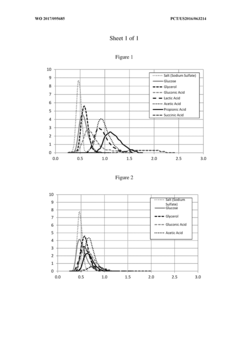
- Chromatographic separation using a strong base anion exchange resin, specifically a gel-type, Type I resin, to separate propionic acid from liquid feed mixtures containing various organic acids, alcohols, and carbohydrates, effectively addressing the limitations of existing methods.
Life Cycle Assessment of Propionic Acid Production
Life Cycle Assessment (LCA) is a crucial tool for evaluating the environmental impacts of propionic acid production throughout its entire lifecycle. This comprehensive analysis encompasses raw material extraction, manufacturing processes, transportation, use, and disposal or recycling. For propionic acid, the assessment typically begins with the sourcing of feedstocks, such as ethanol or propionaldehyde, and extends through the production process to the final product distribution.
The production of propionic acid involves several key stages, each with its own environmental implications. The primary production methods include the oxo process, which uses ethylene and carbon monoxide, and the Reppe process, which utilizes ethylene, carbon monoxide, and steam. Alternative bio-based routes, such as fermentation of renewable resources, are also gaining attention for their potential sustainability benefits.
Energy consumption is a significant factor in the LCA of propionic acid production. The manufacturing processes often require high temperatures and pressures, leading to substantial energy inputs. The source of this energy, whether from fossil fuels or renewable sources, greatly influences the overall carbon footprint of the production pathway.
Water usage and wastewater generation are other critical aspects of the LCA. The production processes may require substantial amounts of water for cooling and separation steps. Additionally, the treatment and disposal of wastewater can have significant environmental impacts, including potential contamination of water bodies if not managed properly.
Chemical inputs and catalysts used in the production process also contribute to the environmental profile. The synthesis and disposal of these materials, particularly if they contain heavy metals or other toxic substances, must be carefully considered in the assessment.
Transportation of raw materials and finished products is another key component of the LCA. The mode of transport, distances traveled, and fuel efficiency all factor into the overall environmental impact of propionic acid production and distribution.
Waste generation and management throughout the production lifecycle are crucial considerations. This includes not only the direct waste from the manufacturing process but also packaging materials and any by-products or co-products generated.
The end-of-life phase of propionic acid and its derivatives must also be evaluated. This includes assessing the potential for recycling, biodegradation, or other disposal methods, and their associated environmental impacts.
By conducting a thorough LCA, manufacturers can identify hotspots in the production process where environmental impacts are most significant. This information can then be used to develop more sustainable manufacturing pathways, optimize resource use, and reduce overall environmental footprint. The results of an LCA can also inform decision-making regarding process improvements, technology selection, and supply chain management to enhance the sustainability of propionic acid production.
The production of propionic acid involves several key stages, each with its own environmental implications. The primary production methods include the oxo process, which uses ethylene and carbon monoxide, and the Reppe process, which utilizes ethylene, carbon monoxide, and steam. Alternative bio-based routes, such as fermentation of renewable resources, are also gaining attention for their potential sustainability benefits.
Energy consumption is a significant factor in the LCA of propionic acid production. The manufacturing processes often require high temperatures and pressures, leading to substantial energy inputs. The source of this energy, whether from fossil fuels or renewable sources, greatly influences the overall carbon footprint of the production pathway.
Water usage and wastewater generation are other critical aspects of the LCA. The production processes may require substantial amounts of water for cooling and separation steps. Additionally, the treatment and disposal of wastewater can have significant environmental impacts, including potential contamination of water bodies if not managed properly.
Chemical inputs and catalysts used in the production process also contribute to the environmental profile. The synthesis and disposal of these materials, particularly if they contain heavy metals or other toxic substances, must be carefully considered in the assessment.
Transportation of raw materials and finished products is another key component of the LCA. The mode of transport, distances traveled, and fuel efficiency all factor into the overall environmental impact of propionic acid production and distribution.
Waste generation and management throughout the production lifecycle are crucial considerations. This includes not only the direct waste from the manufacturing process but also packaging materials and any by-products or co-products generated.
The end-of-life phase of propionic acid and its derivatives must also be evaluated. This includes assessing the potential for recycling, biodegradation, or other disposal methods, and their associated environmental impacts.
By conducting a thorough LCA, manufacturers can identify hotspots in the production process where environmental impacts are most significant. This information can then be used to develop more sustainable manufacturing pathways, optimize resource use, and reduce overall environmental footprint. The results of an LCA can also inform decision-making regarding process improvements, technology selection, and supply chain management to enhance the sustainability of propionic acid production.
Regulatory Framework for Sustainable Chemical Manufacturing
The regulatory framework for sustainable chemical manufacturing plays a crucial role in shaping the development of sustainable propionic acid production pathways. Governments and international organizations have established various regulations and guidelines to promote environmentally friendly and socially responsible chemical manufacturing practices.
At the global level, the United Nations Sustainable Development Goals (SDGs) provide a broad framework for sustainable industrial development. SDG 9 (Industry, Innovation, and Infrastructure) and SDG 12 (Responsible Consumption and Production) are particularly relevant to the chemical industry. These goals encourage the adoption of clean and environmentally sound technologies and industrial processes.
The European Union has implemented the REACH (Registration, Evaluation, Authorization, and Restriction of Chemicals) regulation, which aims to protect human health and the environment from the risks posed by chemicals. REACH requires manufacturers to register chemical substances and provide safety information, promoting the use of safer alternatives and encouraging innovation in sustainable chemistry.
In the United States, the Environmental Protection Agency (EPA) enforces the Toxic Substances Control Act (TSCA), which regulates the introduction of new or existing chemicals. The EPA also promotes green chemistry principles through its Green Chemistry Program, which encourages the design of chemical products and processes that reduce or eliminate the use and generation of hazardous substances.
Many countries have implemented Extended Producer Responsibility (EPR) policies, which hold manufacturers accountable for the entire lifecycle of their products, including disposal and recycling. These policies incentivize the development of more sustainable manufacturing processes and the use of renewable feedstocks.
The chemical industry has also developed voluntary initiatives to promote sustainability. The Responsible Care program, launched by the chemical industry, sets global standards for environmental, health, and safety performance. This program encourages companies to continuously improve their sustainability practices and transparently report their progress.
Certification schemes, such as ISO 14001 for environmental management systems, provide a framework for organizations to systematically manage their environmental responsibilities. These standards help companies integrate sustainability considerations into their manufacturing processes and supply chains.
As the demand for sustainable products grows, regulatory bodies are increasingly focusing on lifecycle assessments and circular economy principles. This shift encourages manufacturers to consider the environmental impact of their products from cradle to grave, promoting the development of closed-loop systems and the use of bio-based feedstocks in propionic acid production.
At the global level, the United Nations Sustainable Development Goals (SDGs) provide a broad framework for sustainable industrial development. SDG 9 (Industry, Innovation, and Infrastructure) and SDG 12 (Responsible Consumption and Production) are particularly relevant to the chemical industry. These goals encourage the adoption of clean and environmentally sound technologies and industrial processes.
The European Union has implemented the REACH (Registration, Evaluation, Authorization, and Restriction of Chemicals) regulation, which aims to protect human health and the environment from the risks posed by chemicals. REACH requires manufacturers to register chemical substances and provide safety information, promoting the use of safer alternatives and encouraging innovation in sustainable chemistry.
In the United States, the Environmental Protection Agency (EPA) enforces the Toxic Substances Control Act (TSCA), which regulates the introduction of new or existing chemicals. The EPA also promotes green chemistry principles through its Green Chemistry Program, which encourages the design of chemical products and processes that reduce or eliminate the use and generation of hazardous substances.
Many countries have implemented Extended Producer Responsibility (EPR) policies, which hold manufacturers accountable for the entire lifecycle of their products, including disposal and recycling. These policies incentivize the development of more sustainable manufacturing processes and the use of renewable feedstocks.
The chemical industry has also developed voluntary initiatives to promote sustainability. The Responsible Care program, launched by the chemical industry, sets global standards for environmental, health, and safety performance. This program encourages companies to continuously improve their sustainability practices and transparently report their progress.
Certification schemes, such as ISO 14001 for environmental management systems, provide a framework for organizations to systematically manage their environmental responsibilities. These standards help companies integrate sustainability considerations into their manufacturing processes and supply chains.
As the demand for sustainable products grows, regulatory bodies are increasingly focusing on lifecycle assessments and circular economy principles. This shift encourages manufacturers to consider the environmental impact of their products from cradle to grave, promoting the development of closed-loop systems and the use of bio-based feedstocks in propionic acid production.
Unlock deeper insights with Patsnap Eureka Quick Research — get a full tech report to explore trends and direct your research. Try now!
Generate Your Research Report Instantly with AI Agent
Supercharge your innovation with Patsnap Eureka AI Agent Platform!