Investigating Magnesium Carbonate in Drug Delivery Systems
JUL 31, 20259 MIN READ
Generate Your Research Report Instantly with AI Agent
Patsnap Eureka helps you evaluate technical feasibility & market potential.
MgCO3 in Drug Delivery: Background and Objectives
Magnesium carbonate (MgCO3) has emerged as a promising material in the field of drug delivery systems, attracting significant attention from researchers and pharmaceutical companies alike. This inorganic compound, known for its biocompatibility and unique physicochemical properties, has been increasingly explored for its potential to enhance drug delivery efficacy and improve patient outcomes.
The journey of MgCO3 in drug delivery can be traced back to the early 2000s when scientists began investigating its potential as a carrier for various therapeutic agents. Initially, the focus was on its use as a simple excipient in pharmaceutical formulations. However, as research progressed, the multifaceted benefits of MgCO3 in drug delivery became increasingly apparent, leading to a surge in interest and investment in this area.
One of the key drivers behind the exploration of MgCO3 in drug delivery systems is the growing need for more effective and targeted drug delivery methods. Traditional drug delivery systems often face challenges such as poor bioavailability, rapid clearance from the body, and potential side effects due to systemic distribution. MgCO3-based systems offer potential solutions to these issues, promising improved drug solubility, controlled release profiles, and enhanced cellular uptake.
The unique properties of MgCO3 that make it particularly suitable for drug delivery applications include its high surface area, porous structure, and pH-responsive behavior. These characteristics allow for the efficient loading of various types of drugs, from small molecules to large biomolecules, and enable controlled release mechanisms that can be tailored to specific therapeutic needs.
As research in this field has progressed, several key objectives have been identified. These include developing MgCO3-based nanocarriers for targeted drug delivery, exploring the potential of MgCO3 in combination with other materials to create hybrid delivery systems, and investigating the use of MgCO3 in oral, transdermal, and injectable formulations.
The technological evolution in this domain has been marked by significant milestones. Early studies focused on basic formulation techniques and characterization of MgCO3-drug complexes. This was followed by more advanced research into nanostructured MgCO3 materials, surface modification techniques, and the development of stimuli-responsive delivery systems. Recent years have seen a shift towards translational research, with increasing emphasis on in vivo studies and clinical applications.
Looking ahead, the field of MgCO3-based drug delivery systems is poised for further growth and innovation. Emerging trends include the integration of MgCO3 with smart materials for on-demand drug release, the development of MgCO3-based theranostic platforms combining therapeutic and diagnostic capabilities, and the exploration of MgCO3 in gene delivery and regenerative medicine applications.
The journey of MgCO3 in drug delivery can be traced back to the early 2000s when scientists began investigating its potential as a carrier for various therapeutic agents. Initially, the focus was on its use as a simple excipient in pharmaceutical formulations. However, as research progressed, the multifaceted benefits of MgCO3 in drug delivery became increasingly apparent, leading to a surge in interest and investment in this area.
One of the key drivers behind the exploration of MgCO3 in drug delivery systems is the growing need for more effective and targeted drug delivery methods. Traditional drug delivery systems often face challenges such as poor bioavailability, rapid clearance from the body, and potential side effects due to systemic distribution. MgCO3-based systems offer potential solutions to these issues, promising improved drug solubility, controlled release profiles, and enhanced cellular uptake.
The unique properties of MgCO3 that make it particularly suitable for drug delivery applications include its high surface area, porous structure, and pH-responsive behavior. These characteristics allow for the efficient loading of various types of drugs, from small molecules to large biomolecules, and enable controlled release mechanisms that can be tailored to specific therapeutic needs.
As research in this field has progressed, several key objectives have been identified. These include developing MgCO3-based nanocarriers for targeted drug delivery, exploring the potential of MgCO3 in combination with other materials to create hybrid delivery systems, and investigating the use of MgCO3 in oral, transdermal, and injectable formulations.
The technological evolution in this domain has been marked by significant milestones. Early studies focused on basic formulation techniques and characterization of MgCO3-drug complexes. This was followed by more advanced research into nanostructured MgCO3 materials, surface modification techniques, and the development of stimuli-responsive delivery systems. Recent years have seen a shift towards translational research, with increasing emphasis on in vivo studies and clinical applications.
Looking ahead, the field of MgCO3-based drug delivery systems is poised for further growth and innovation. Emerging trends include the integration of MgCO3 with smart materials for on-demand drug release, the development of MgCO3-based theranostic platforms combining therapeutic and diagnostic capabilities, and the exploration of MgCO3 in gene delivery and regenerative medicine applications.
Market Analysis for MgCO3-based Drug Delivery Systems
The market for magnesium carbonate-based drug delivery systems is experiencing significant growth, driven by the increasing demand for innovative and efficient drug delivery methods. This market segment is part of the broader pharmaceutical industry, which is projected to reach a global value of $1.5 trillion by 2023. The specific market for advanced drug delivery systems, including those based on magnesium carbonate, is expected to grow at a compound annual growth rate (CAGR) of 7.2% from 2021 to 2026.
Magnesium carbonate has gained attention in drug delivery applications due to its unique properties, including high surface area, biocompatibility, and pH-responsive behavior. These characteristics make it particularly suitable for controlled release formulations and targeted drug delivery, addressing key challenges in pharmaceutical development such as poor drug solubility and bioavailability.
The market demand for MgCO3-based drug delivery systems is primarily driven by the need for improved therapeutic outcomes and reduced side effects in various disease treatments. Oncology, cardiovascular diseases, and central nervous system disorders are among the key therapeutic areas where these systems show promising applications. The growing prevalence of chronic diseases and the aging population in many countries further contribute to the market expansion.
Geographically, North America and Europe currently dominate the market for advanced drug delivery systems, including those based on magnesium carbonate. However, the Asia-Pacific region is expected to witness the fastest growth in the coming years, attributed to increasing healthcare expenditure, improving research infrastructure, and rising awareness about novel drug delivery technologies.
Key market players in this segment include pharmaceutical giants and specialized drug delivery companies. These organizations are investing heavily in research and development to create innovative formulations and expand their product portfolios. Collaborations between academic institutions and industry partners are also accelerating the development of new MgCO3-based drug delivery technologies.
Despite the promising outlook, the market faces certain challenges. Regulatory hurdles and the high cost of development for novel drug delivery systems can potentially slow market growth. Additionally, concerns about the long-term safety and efficacy of new delivery methods need to be addressed through extensive clinical trials and post-market surveillance.
In conclusion, the market for magnesium carbonate-based drug delivery systems presents significant opportunities for growth and innovation. As research continues to unveil new applications and improve existing technologies, this market segment is poised to play a crucial role in advancing pharmaceutical treatments and improving patient outcomes.
Magnesium carbonate has gained attention in drug delivery applications due to its unique properties, including high surface area, biocompatibility, and pH-responsive behavior. These characteristics make it particularly suitable for controlled release formulations and targeted drug delivery, addressing key challenges in pharmaceutical development such as poor drug solubility and bioavailability.
The market demand for MgCO3-based drug delivery systems is primarily driven by the need for improved therapeutic outcomes and reduced side effects in various disease treatments. Oncology, cardiovascular diseases, and central nervous system disorders are among the key therapeutic areas where these systems show promising applications. The growing prevalence of chronic diseases and the aging population in many countries further contribute to the market expansion.
Geographically, North America and Europe currently dominate the market for advanced drug delivery systems, including those based on magnesium carbonate. However, the Asia-Pacific region is expected to witness the fastest growth in the coming years, attributed to increasing healthcare expenditure, improving research infrastructure, and rising awareness about novel drug delivery technologies.
Key market players in this segment include pharmaceutical giants and specialized drug delivery companies. These organizations are investing heavily in research and development to create innovative formulations and expand their product portfolios. Collaborations between academic institutions and industry partners are also accelerating the development of new MgCO3-based drug delivery technologies.
Despite the promising outlook, the market faces certain challenges. Regulatory hurdles and the high cost of development for novel drug delivery systems can potentially slow market growth. Additionally, concerns about the long-term safety and efficacy of new delivery methods need to be addressed through extensive clinical trials and post-market surveillance.
In conclusion, the market for magnesium carbonate-based drug delivery systems presents significant opportunities for growth and innovation. As research continues to unveil new applications and improve existing technologies, this market segment is poised to play a crucial role in advancing pharmaceutical treatments and improving patient outcomes.
Current Challenges in MgCO3 Drug Delivery Technology
Despite the promising potential of magnesium carbonate (MgCO3) in drug delivery systems, several significant challenges currently hinder its widespread adoption and effective implementation. One of the primary obstacles is the control and optimization of MgCO3 particle size and morphology. The physical characteristics of MgCO3 particles greatly influence their drug loading capacity, release kinetics, and overall performance as a drug carrier. Achieving consistent and reproducible particle sizes and shapes on a large scale remains a complex task, requiring advanced synthesis and processing techniques.
Another critical challenge lies in the stability of MgCO3-based drug delivery systems. MgCO3 is known to be sensitive to environmental conditions, particularly moisture and pH changes. This sensitivity can lead to premature drug release or degradation of the carrier structure, compromising the efficacy of the delivery system. Developing strategies to enhance the stability of MgCO3 formulations across various physiological conditions and storage environments is crucial for their practical application.
The biocompatibility and biodegradation of MgCO3 in vivo present additional hurdles. While magnesium is generally considered safe and beneficial for human health, the long-term effects of MgCO3 accumulation in the body are not fully understood. Ensuring complete degradation of the carrier without adverse effects and controlling the rate of magnesium ion release are essential considerations that require further investigation.
Drug loading efficiency and release kinetics pose significant challenges in MgCO3-based delivery systems. Achieving high drug loading capacities while maintaining the structural integrity of the carrier is a delicate balance. Furthermore, designing systems that can provide controlled and sustained drug release profiles tailored to specific therapeutic needs remains a complex task. This challenge is particularly pronounced for drugs with varying physicochemical properties and therapeutic windows.
The scalability of MgCO3 drug delivery technology presents a substantial hurdle in translating laboratory successes to industrial production. Current synthesis methods often struggle to maintain consistent quality and performance when scaled up, leading to batch-to-batch variations. Developing robust, scalable manufacturing processes that ensure uniformity in particle characteristics and drug loading is critical for commercial viability.
Regulatory considerations and approval processes pose additional challenges for MgCO3-based drug delivery systems. As a relatively new material in this application, extensive safety and efficacy data are required to meet regulatory standards. The lack of established precedents for MgCO3 carriers in approved drug products complicates the regulatory pathway, potentially extending development timelines and increasing costs.
Addressing these multifaceted challenges requires interdisciplinary collaboration and innovative approaches. Advances in materials science, nanotechnology, and pharmaceutical engineering will be crucial in overcoming the current limitations of MgCO3 in drug delivery applications. As research progresses, novel solutions to these challenges may unlock the full potential of MgCO3 as a versatile and effective drug delivery platform.
Another critical challenge lies in the stability of MgCO3-based drug delivery systems. MgCO3 is known to be sensitive to environmental conditions, particularly moisture and pH changes. This sensitivity can lead to premature drug release or degradation of the carrier structure, compromising the efficacy of the delivery system. Developing strategies to enhance the stability of MgCO3 formulations across various physiological conditions and storage environments is crucial for their practical application.
The biocompatibility and biodegradation of MgCO3 in vivo present additional hurdles. While magnesium is generally considered safe and beneficial for human health, the long-term effects of MgCO3 accumulation in the body are not fully understood. Ensuring complete degradation of the carrier without adverse effects and controlling the rate of magnesium ion release are essential considerations that require further investigation.
Drug loading efficiency and release kinetics pose significant challenges in MgCO3-based delivery systems. Achieving high drug loading capacities while maintaining the structural integrity of the carrier is a delicate balance. Furthermore, designing systems that can provide controlled and sustained drug release profiles tailored to specific therapeutic needs remains a complex task. This challenge is particularly pronounced for drugs with varying physicochemical properties and therapeutic windows.
The scalability of MgCO3 drug delivery technology presents a substantial hurdle in translating laboratory successes to industrial production. Current synthesis methods often struggle to maintain consistent quality and performance when scaled up, leading to batch-to-batch variations. Developing robust, scalable manufacturing processes that ensure uniformity in particle characteristics and drug loading is critical for commercial viability.
Regulatory considerations and approval processes pose additional challenges for MgCO3-based drug delivery systems. As a relatively new material in this application, extensive safety and efficacy data are required to meet regulatory standards. The lack of established precedents for MgCO3 carriers in approved drug products complicates the regulatory pathway, potentially extending development timelines and increasing costs.
Addressing these multifaceted challenges requires interdisciplinary collaboration and innovative approaches. Advances in materials science, nanotechnology, and pharmaceutical engineering will be crucial in overcoming the current limitations of MgCO3 in drug delivery applications. As research progresses, novel solutions to these challenges may unlock the full potential of MgCO3 as a versatile and effective drug delivery platform.
Existing MgCO3 Drug Delivery Mechanisms
01 Magnesium carbonate in pharmaceutical compositions
Magnesium carbonate is used in various pharmaceutical compositions as an excipient or active ingredient. It can be utilized in antacid formulations, oral care products, and as a filler or binder in tablets and capsules. Its properties make it suitable for improving drug stability, controlling release rates, and enhancing bioavailability of certain medications.- Magnesium carbonate in pharmaceutical compositions: Magnesium carbonate is used in various pharmaceutical compositions as an excipient or active ingredient. It can be utilized in antacid formulations, dietary supplements, and other medicinal preparations. The compound's properties make it suitable for improving drug stability, controlling release rates, and enhancing bioavailability of certain active ingredients.
- Industrial applications of magnesium carbonate: Magnesium carbonate finds extensive use in industrial processes. It is employed as a filler in rubber and plastic manufacturing, a whitening agent in paper production, and a raw material in the production of magnesium oxide. Its fire-retardant properties make it valuable in various safety applications.
- Magnesium carbonate in personal care products: The compound is utilized in personal care and cosmetic products due to its absorbent and anti-caking properties. It is incorporated into deodorants, body powders, and makeup formulations to control moisture and improve texture. Its mild nature makes it suitable for sensitive skin applications.
- Environmental and agricultural uses: Magnesium carbonate has applications in environmental remediation and agriculture. It is used in soil treatment to adjust pH levels and improve nutrient uptake in plants. The compound also finds use in wastewater treatment processes and as a component in eco-friendly building materials.
- Synthesis and production methods: Various methods for synthesizing and producing magnesium carbonate are developed to improve purity, yield, and cost-effectiveness. These include precipitation techniques, hydrothermal processes, and carbonation of magnesium-rich minerals. Innovations in production methods focus on enhancing the compound's properties for specific applications.
02 Magnesium carbonate in industrial applications
Magnesium carbonate finds extensive use in industrial processes and products. It is employed as a filler in rubber and plastic manufacturing, a whitening agent in paper production, and a component in fire-retardant materials. Its heat-resistant properties make it valuable in refractory applications, while its ability to absorb oils and moisture makes it useful in various chemical processes.Expand Specific Solutions03 Magnesium carbonate in food and beverage industry
In the food and beverage industry, magnesium carbonate serves multiple purposes. It is used as an anticaking agent in powdered products, a pH regulator in certain food preparations, and a color retention agent. Its application extends to fortifying foods with magnesium and as a processing aid in the production of some beverages.Expand Specific Solutions04 Magnesium carbonate in cosmetics and personal care
Magnesium carbonate is incorporated into various cosmetic and personal care products. It functions as an absorbent in deodorants and antiperspirants, a bulking agent in powders, and a pH adjuster in skincare formulations. Its mild abrasive properties make it suitable for use in certain exfoliating products and toothpastes.Expand Specific Solutions05 Magnesium carbonate in environmental applications
Magnesium carbonate plays a role in environmental applications, particularly in carbon capture and sequestration technologies. It can be used to absorb carbon dioxide from industrial emissions, potentially helping to mitigate greenhouse gas effects. Additionally, it finds use in water treatment processes and as a component in certain air purification systems.Expand Specific Solutions
Key Players in MgCO3-based Drug Delivery Research
The investigation of magnesium carbonate in drug delivery systems is currently in an emerging phase, with growing interest from both academia and industry. The market size for this technology is expanding, driven by the increasing demand for innovative drug delivery solutions. The technical maturity of magnesium carbonate-based drug delivery systems is still developing, with ongoing research and development efforts. Key players in this field include Novartis AG, PharmaIN Corp., and Auspex Pharmaceuticals, Inc., who are actively exploring the potential applications of magnesium carbonate in drug delivery. Universities such as The University of Sheffield, Jilin University, and Yokohama City University are also contributing significantly to the advancement of this technology through their research initiatives.
Novartis AG
Technical Solution: Novartis AG has invested in research on magnesium carbonate-based drug delivery systems, focusing on improving the bioavailability of poorly soluble drugs. Their approach involves creating amorphous solid dispersions using magnesium carbonate as a carrier material. This technique has shown promise in enhancing the dissolution rate and absorption of drugs with low aqueous solubility[4]. Novartis has also explored the use of magnesium carbonate in extended-release formulations, leveraging its pH-dependent solubility to achieve sustained drug release over prolonged periods[5]. Additionally, the company has investigated the potential of magnesium carbonate in combination with other excipients to create multi-functional drug delivery systems capable of addressing multiple challenges simultaneously, such as poor solubility and stability[6].
Strengths: Improved bioavailability of poorly soluble drugs, versatile application in various formulation types. Weaknesses: Potential for drug-excipient interactions affecting stability, and possible limitations in high-dose formulations due to the volume of carrier material required.
PharmaIN Corp.
Technical Solution: PharmaIN Corp. has developed a novel drug delivery system utilizing magnesium carbonate as a key component. Their approach involves creating nanoparticles with a magnesium carbonate core, which is then coated with a biodegradable polymer. This system allows for controlled release of drugs, particularly those with poor solubility or stability issues. The magnesium carbonate core provides a pH-responsive element, enabling targeted release in specific physiological environments[1][3]. The company has also explored the use of these nanoparticles for oral delivery of peptides and proteins, which are typically challenging to administer orally due to degradation in the gastrointestinal tract[2].
Strengths: Enhanced drug solubility, controlled release profiles, and potential for oral delivery of biologics. Weaknesses: Potential for variability in release rates due to individual physiological differences, and possible limitations in drug loading capacity.
Innovative MgCO3 Formulations for Drug Delivery
Method for preparing calcium carbonate with high specific surface area for drug delivery system
PatentPendingKR1020240112103A
Innovation
- A method is developed to produce vaterite-type calcium carbonate particles by reacting a sodium carbonate and calcium chloride solution with cetyl trimethyl ammonium bromide (CTAB) under controlled conditions, optimizing the molar ratios, reaction time, and CTAB concentration to enhance specific surface area and drug loading.
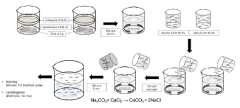
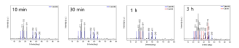


Method for manufacturing a drug delivery system
PatentInactiveJP2017538733A
Innovation
- A method involving the use of surface-reacted calcium carbonate, produced by reacting naturally occurring calcium carbonate with carbon dioxide and acids in an aqueous medium, which is then compacted using a roller compactor at specific pressures to enhance friability and flowability, resulting in improved pharmaceutical delivery systems.
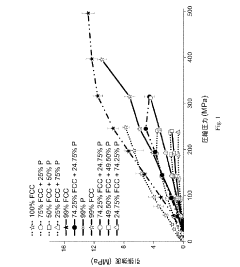

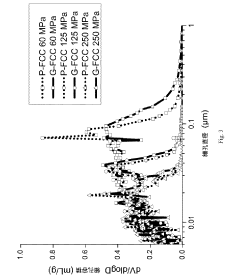

Regulatory Considerations for MgCO3 in Pharmaceuticals
The regulatory landscape for magnesium carbonate (MgCO3) in pharmaceutical applications is complex and multifaceted. As a widely used excipient in drug delivery systems, MgCO3 is subject to various regulatory considerations that pharmaceutical companies must navigate to ensure compliance and product safety.
In the United States, the Food and Drug Administration (FDA) oversees the regulation of MgCO3 in pharmaceutical products. The FDA classifies MgCO3 as a Generally Recognized as Safe (GRAS) substance when used as a food ingredient, but its use in drug formulations requires additional scrutiny. Manufacturers must demonstrate the safety and efficacy of MgCO3 in their specific drug delivery systems through rigorous testing and documentation.
The European Medicines Agency (EMA) also plays a crucial role in regulating MgCO3 use in pharmaceuticals within the European Union. The EMA's guidelines on excipients require manufacturers to provide detailed information on the quality, safety, and functionality of MgCO3 in their drug formulations. This includes data on impurities, stability, and potential interactions with active pharmaceutical ingredients.
Regulatory bodies worldwide often refer to pharmacopoeial standards when assessing the quality of MgCO3 used in pharmaceuticals. The United States Pharmacopeia (USP) and European Pharmacopoeia (Ph. Eur.) provide specific monographs for MgCO3, detailing the required specifications for purity, identity, and quality control tests. Adherence to these standards is essential for regulatory approval.
Environmental regulations also impact the use of MgCO3 in drug delivery systems. Manufacturers must consider the environmental impact of MgCO3 production and disposal, adhering to local and international environmental protection laws. This includes assessing the carbon footprint of MgCO3 production and implementing sustainable practices in its use and disposal.
Safety considerations are paramount in regulatory assessments of MgCO3 in pharmaceuticals. Toxicological studies and risk assessments are required to evaluate the potential adverse effects of MgCO3 exposure, particularly in long-term use or high-dose applications. Regulatory bodies may require additional safety data for vulnerable populations, such as pediatric or geriatric patients.
The regulatory landscape for MgCO3 in pharmaceuticals is continually evolving. Recent trends indicate a growing emphasis on the development of novel drug delivery systems, which may lead to new regulatory challenges for MgCO3 use. Manufacturers must stay abreast of these changes and adapt their regulatory strategies accordingly to ensure continued compliance and market access.
In the United States, the Food and Drug Administration (FDA) oversees the regulation of MgCO3 in pharmaceutical products. The FDA classifies MgCO3 as a Generally Recognized as Safe (GRAS) substance when used as a food ingredient, but its use in drug formulations requires additional scrutiny. Manufacturers must demonstrate the safety and efficacy of MgCO3 in their specific drug delivery systems through rigorous testing and documentation.
The European Medicines Agency (EMA) also plays a crucial role in regulating MgCO3 use in pharmaceuticals within the European Union. The EMA's guidelines on excipients require manufacturers to provide detailed information on the quality, safety, and functionality of MgCO3 in their drug formulations. This includes data on impurities, stability, and potential interactions with active pharmaceutical ingredients.
Regulatory bodies worldwide often refer to pharmacopoeial standards when assessing the quality of MgCO3 used in pharmaceuticals. The United States Pharmacopeia (USP) and European Pharmacopoeia (Ph. Eur.) provide specific monographs for MgCO3, detailing the required specifications for purity, identity, and quality control tests. Adherence to these standards is essential for regulatory approval.
Environmental regulations also impact the use of MgCO3 in drug delivery systems. Manufacturers must consider the environmental impact of MgCO3 production and disposal, adhering to local and international environmental protection laws. This includes assessing the carbon footprint of MgCO3 production and implementing sustainable practices in its use and disposal.
Safety considerations are paramount in regulatory assessments of MgCO3 in pharmaceuticals. Toxicological studies and risk assessments are required to evaluate the potential adverse effects of MgCO3 exposure, particularly in long-term use or high-dose applications. Regulatory bodies may require additional safety data for vulnerable populations, such as pediatric or geriatric patients.
The regulatory landscape for MgCO3 in pharmaceuticals is continually evolving. Recent trends indicate a growing emphasis on the development of novel drug delivery systems, which may lead to new regulatory challenges for MgCO3 use. Manufacturers must stay abreast of these changes and adapt their regulatory strategies accordingly to ensure continued compliance and market access.
Biocompatibility and Safety of MgCO3 in Drug Delivery
The biocompatibility and safety of magnesium carbonate (MgCO3) in drug delivery systems are crucial factors to consider when investigating its potential applications. MgCO3 has shown promising characteristics as a drug carrier due to its unique properties, including high surface area, porosity, and pH-responsive behavior. However, thorough evaluation of its biocompatibility and safety profile is essential before widespread implementation in pharmaceutical formulations.
Numerous studies have demonstrated the generally favorable biocompatibility of MgCO3 in various biological systems. In vitro experiments using cell cultures have shown minimal cytotoxicity at clinically relevant concentrations. MgCO3 nanoparticles have exhibited low toxicity towards human cell lines, including fibroblasts and endothelial cells, indicating their potential for safe use in drug delivery applications.
In vivo studies have further supported the biocompatibility of MgCO3-based drug delivery systems. Animal models have shown no significant adverse effects on organ function or systemic toxicity when administered MgCO3 nanoparticles. Additionally, histological examinations have revealed minimal tissue inflammation or damage at the site of administration, suggesting good local tolerability.
One of the key advantages of MgCO3 in terms of biocompatibility is its biodegradability. The material can be broken down into magnesium and carbonate ions, which are naturally present in the body and can be easily metabolized. This property reduces the risk of long-term accumulation and associated toxicity concerns often encountered with non-degradable drug carriers.
The safety profile of MgCO3 is further enhanced by its pH-responsive behavior. In acidic environments, such as those found in tumor tissues or inflamed areas, MgCO3 can dissolve and release its payload, potentially improving targeted drug delivery while minimizing systemic exposure and associated side effects.
Despite these promising findings, it is important to note that the biocompatibility and safety of MgCO3 can be influenced by various factors, including particle size, surface modifications, and dosage. Careful optimization of these parameters is necessary to ensure optimal performance and minimize potential risks.
Long-term safety studies and clinical trials are still needed to fully establish the biocompatibility and safety of MgCO3-based drug delivery systems in humans. Regulatory considerations and compliance with good manufacturing practices will be crucial for the successful translation of this technology into clinical applications.
Numerous studies have demonstrated the generally favorable biocompatibility of MgCO3 in various biological systems. In vitro experiments using cell cultures have shown minimal cytotoxicity at clinically relevant concentrations. MgCO3 nanoparticles have exhibited low toxicity towards human cell lines, including fibroblasts and endothelial cells, indicating their potential for safe use in drug delivery applications.
In vivo studies have further supported the biocompatibility of MgCO3-based drug delivery systems. Animal models have shown no significant adverse effects on organ function or systemic toxicity when administered MgCO3 nanoparticles. Additionally, histological examinations have revealed minimal tissue inflammation or damage at the site of administration, suggesting good local tolerability.
One of the key advantages of MgCO3 in terms of biocompatibility is its biodegradability. The material can be broken down into magnesium and carbonate ions, which are naturally present in the body and can be easily metabolized. This property reduces the risk of long-term accumulation and associated toxicity concerns often encountered with non-degradable drug carriers.
The safety profile of MgCO3 is further enhanced by its pH-responsive behavior. In acidic environments, such as those found in tumor tissues or inflamed areas, MgCO3 can dissolve and release its payload, potentially improving targeted drug delivery while minimizing systemic exposure and associated side effects.
Despite these promising findings, it is important to note that the biocompatibility and safety of MgCO3 can be influenced by various factors, including particle size, surface modifications, and dosage. Careful optimization of these parameters is necessary to ensure optimal performance and minimize potential risks.
Long-term safety studies and clinical trials are still needed to fully establish the biocompatibility and safety of MgCO3-based drug delivery systems in humans. Regulatory considerations and compliance with good manufacturing practices will be crucial for the successful translation of this technology into clinical applications.
Unlock deeper insights with Patsnap Eureka Quick Research — get a full tech report to explore trends and direct your research. Try now!
Generate Your Research Report Instantly with AI Agent
Supercharge your innovation with Patsnap Eureka AI Agent Platform!