

Aluminum Alloy Squeeze Casting: Advanced Manufacturing Processes, Alloy Design, And Engineering Applications
AUG 5, 20269 MIN READ
Generate Your Research Report Instantly with AI Agent
Patsnap Eureka helps you evaluate technical feasibility & market potential.
LM7 Engine Thermal Management Background and Objectives
The LM7 engine, a member of the GM Gen III small-block V8 family, has been a cornerstone in automotive engineering since its introduction in the late 1990s. As vehicle performance demands have increased, so too has the need for effective thermal management strategies. The LM7's heat dissipation capabilities play a crucial role in maintaining optimal engine functioning, directly impacting performance, efficiency, and longevity.
Historically, engine thermal management has evolved from simple air-cooling systems to more complex liquid-cooled designs. The LM7, being a modern engine, incorporates advanced cooling techniques, but still faces challenges in managing heat effectively, especially under high-performance conditions. The primary objective of heat dissipation strategies for the LM7 is to maintain ideal operating temperatures across various engine components, ensuring peak performance while preventing thermal damage.
Recent technological advancements have opened new avenues for enhancing heat dissipation in engines like the LM7. These include the development of more efficient coolants, improved radiator designs, and the integration of electronic cooling system controls. Additionally, the use of advanced materials with superior thermal properties has become a focus area for engineers working on engine thermal management.
The automotive industry's shift towards more environmentally friendly and fuel-efficient vehicles has further emphasized the importance of effective heat management. Efficient thermal systems not only improve engine performance but also contribute to reduced emissions and better fuel economy. This aligns with global trends in automotive engineering, where every aspect of vehicle design is scrutinized for potential efficiency gains.
In the context of the LM7 engine, the specific goals of heat dissipation strategies include maintaining optimal cylinder head temperatures, managing oil temperatures for proper lubrication, and ensuring efficient exhaust gas cooling. These objectives are critical in preserving the engine's power output, fuel efficiency, and overall reliability. Furthermore, effective thermal management contributes to the longevity of engine components, reducing wear and tear caused by thermal stress.
As we delve deeper into the LM7 engine's heat dissipation strategies, it's important to consider both current technologies and emerging trends. The integration of smart cooling systems, the potential use of phase-change materials, and the application of computational fluid dynamics in designing more efficient cooling pathways are all areas of interest. These advancements promise to push the boundaries of what's possible in engine thermal management, potentially revolutionizing how we approach heat dissipation in high-performance engines like the LM7.
Historically, engine thermal management has evolved from simple air-cooling systems to more complex liquid-cooled designs. The LM7, being a modern engine, incorporates advanced cooling techniques, but still faces challenges in managing heat effectively, especially under high-performance conditions. The primary objective of heat dissipation strategies for the LM7 is to maintain ideal operating temperatures across various engine components, ensuring peak performance while preventing thermal damage.
Recent technological advancements have opened new avenues for enhancing heat dissipation in engines like the LM7. These include the development of more efficient coolants, improved radiator designs, and the integration of electronic cooling system controls. Additionally, the use of advanced materials with superior thermal properties has become a focus area for engineers working on engine thermal management.
The automotive industry's shift towards more environmentally friendly and fuel-efficient vehicles has further emphasized the importance of effective heat management. Efficient thermal systems not only improve engine performance but also contribute to reduced emissions and better fuel economy. This aligns with global trends in automotive engineering, where every aspect of vehicle design is scrutinized for potential efficiency gains.
In the context of the LM7 engine, the specific goals of heat dissipation strategies include maintaining optimal cylinder head temperatures, managing oil temperatures for proper lubrication, and ensuring efficient exhaust gas cooling. These objectives are critical in preserving the engine's power output, fuel efficiency, and overall reliability. Furthermore, effective thermal management contributes to the longevity of engine components, reducing wear and tear caused by thermal stress.
As we delve deeper into the LM7 engine's heat dissipation strategies, it's important to consider both current technologies and emerging trends. The integration of smart cooling systems, the potential use of phase-change materials, and the application of computational fluid dynamics in designing more efficient cooling pathways are all areas of interest. These advancements promise to push the boundaries of what's possible in engine thermal management, potentially revolutionizing how we approach heat dissipation in high-performance engines like the LM7.
Market Demand for Efficient Engine Cooling Systems
The market demand for efficient engine cooling systems has been steadily increasing in recent years, driven by several key factors. The automotive industry's push towards more powerful and compact engines has intensified the need for advanced heat dissipation solutions. As engines become more efficient and generate higher power outputs, the challenge of managing heat effectively becomes paramount.
Consumer demand for improved fuel economy and reduced emissions has also contributed to the growing market for efficient cooling systems. Manufacturers are under pressure to develop engines that meet stringent environmental regulations while maintaining performance. This has led to a surge in research and development efforts focused on innovative cooling technologies.
The rise of electric and hybrid vehicles has further expanded the market for efficient cooling systems. These vehicles require sophisticated thermal management solutions to maintain optimal battery performance and longevity. As the electric vehicle market continues to grow, so does the demand for advanced cooling technologies.
In the commercial vehicle sector, there is a significant demand for cooling systems that can handle heavy-duty applications. Long-haul trucks, construction equipment, and agricultural machinery all require robust cooling solutions to ensure reliable operation under demanding conditions. This segment of the market has seen substantial growth in recent years.
The aftermarket for engine cooling systems has also experienced growth, as vehicle owners seek to upgrade their existing cooling systems for improved performance and reliability. This trend is particularly evident in the performance and racing sectors, where heat management is critical for maximizing engine output.
Geographically, the demand for efficient engine cooling systems is strong in regions with high automotive production and stringent emissions regulations. North America, Europe, and Asia-Pacific are key markets, with China showing particularly rapid growth due to its expanding automotive industry and increasing focus on electric vehicles.
The market is also being shaped by technological advancements in materials and design. Lightweight, high-performance materials are being developed to improve heat transfer efficiency while reducing overall system weight. Additionally, the integration of smart cooling systems that can adapt to varying operating conditions is gaining traction in the market.
As engines continue to evolve and become more complex, the demand for efficient cooling systems is expected to grow further. Manufacturers and suppliers in this space are likely to see continued opportunities for innovation and market expansion in the coming years.
Consumer demand for improved fuel economy and reduced emissions has also contributed to the growing market for efficient cooling systems. Manufacturers are under pressure to develop engines that meet stringent environmental regulations while maintaining performance. This has led to a surge in research and development efforts focused on innovative cooling technologies.
The rise of electric and hybrid vehicles has further expanded the market for efficient cooling systems. These vehicles require sophisticated thermal management solutions to maintain optimal battery performance and longevity. As the electric vehicle market continues to grow, so does the demand for advanced cooling technologies.
In the commercial vehicle sector, there is a significant demand for cooling systems that can handle heavy-duty applications. Long-haul trucks, construction equipment, and agricultural machinery all require robust cooling solutions to ensure reliable operation under demanding conditions. This segment of the market has seen substantial growth in recent years.
The aftermarket for engine cooling systems has also experienced growth, as vehicle owners seek to upgrade their existing cooling systems for improved performance and reliability. This trend is particularly evident in the performance and racing sectors, where heat management is critical for maximizing engine output.
Geographically, the demand for efficient engine cooling systems is strong in regions with high automotive production and stringent emissions regulations. North America, Europe, and Asia-Pacific are key markets, with China showing particularly rapid growth due to its expanding automotive industry and increasing focus on electric vehicles.
The market is also being shaped by technological advancements in materials and design. Lightweight, high-performance materials are being developed to improve heat transfer efficiency while reducing overall system weight. Additionally, the integration of smart cooling systems that can adapt to varying operating conditions is gaining traction in the market.
As engines continue to evolve and become more complex, the demand for efficient cooling systems is expected to grow further. Manufacturers and suppliers in this space are likely to see continued opportunities for innovation and market expansion in the coming years.
Current Heat Dissipation Challenges in LM7 Engines
The LM7 engine, a popular V8 engine developed by General Motors, faces several significant heat dissipation challenges that impact its optimal functioning. One of the primary issues is the engine's high power output, which generates substantial heat during operation. This heat, if not effectively managed, can lead to decreased performance, increased wear on components, and potential engine damage.
A major challenge lies in the engine's compact design, which limits the available space for traditional cooling systems. The tight packaging of modern engines, including the LM7, restricts airflow and reduces the surface area available for heat dissipation. This constraint makes it difficult to implement larger radiators or additional cooling components without significant modifications to the engine bay or vehicle design.
The LM7 engine's aluminum construction, while beneficial for weight reduction, presents its own set of heat dissipation challenges. Aluminum has a higher thermal conductivity than iron, which means it transfers heat more quickly. While this can be advantageous for overall cooling, it also results in rapid temperature fluctuations that can lead to thermal stress and potential warping of engine components over time.
Another significant challenge is the uneven heat distribution across the engine. Certain areas, such as the cylinder heads and exhaust manifolds, experience higher temperatures than others. This temperature gradient can cause localized hot spots, leading to increased thermal stress and potential failure points if not adequately addressed.
The LM7's fuel injection system, while efficient, also contributes to heat dissipation challenges. Direct fuel injection, used in some LM7 variants, can create higher combustion temperatures, further exacerbating the heat management issues. This increased heat output puts additional strain on the cooling system and requires more sophisticated heat dissipation strategies.
Environmental factors also play a role in the LM7's heat dissipation challenges. Operating in high-temperature environments or under heavy loads, such as towing or high-performance driving, significantly increases the thermal load on the engine. These conditions push the cooling system to its limits and highlight the need for more robust heat management solutions.
Lastly, the balance between performance and emissions control adds another layer of complexity to heat dissipation in the LM7 engine. Emission control devices, such as catalytic converters, generate additional heat that must be managed. Simultaneously, the need to maintain optimal operating temperatures for these devices while preventing engine overheating creates a delicate thermal balancing act.
A major challenge lies in the engine's compact design, which limits the available space for traditional cooling systems. The tight packaging of modern engines, including the LM7, restricts airflow and reduces the surface area available for heat dissipation. This constraint makes it difficult to implement larger radiators or additional cooling components without significant modifications to the engine bay or vehicle design.
The LM7 engine's aluminum construction, while beneficial for weight reduction, presents its own set of heat dissipation challenges. Aluminum has a higher thermal conductivity than iron, which means it transfers heat more quickly. While this can be advantageous for overall cooling, it also results in rapid temperature fluctuations that can lead to thermal stress and potential warping of engine components over time.
Another significant challenge is the uneven heat distribution across the engine. Certain areas, such as the cylinder heads and exhaust manifolds, experience higher temperatures than others. This temperature gradient can cause localized hot spots, leading to increased thermal stress and potential failure points if not adequately addressed.
The LM7's fuel injection system, while efficient, also contributes to heat dissipation challenges. Direct fuel injection, used in some LM7 variants, can create higher combustion temperatures, further exacerbating the heat management issues. This increased heat output puts additional strain on the cooling system and requires more sophisticated heat dissipation strategies.
Environmental factors also play a role in the LM7's heat dissipation challenges. Operating in high-temperature environments or under heavy loads, such as towing or high-performance driving, significantly increases the thermal load on the engine. These conditions push the cooling system to its limits and highlight the need for more robust heat management solutions.
Lastly, the balance between performance and emissions control adds another layer of complexity to heat dissipation in the LM7 engine. Emission control devices, such as catalytic converters, generate additional heat that must be managed. Simultaneously, the need to maintain optimal operating temperatures for these devices while preventing engine overheating creates a delicate thermal balancing act.
Existing Heat Dissipation Solutions for LM7 Engines
01 Cooling system design for LM7 engine
Advanced cooling system designs are implemented in LM7 engines to enhance heat dissipation. These systems may include improved radiator configurations, optimized coolant flow paths, and efficient water pumps to effectively manage engine temperature and prevent overheating during operation.- Cooling system design for LM7 engine: Advanced cooling system designs are implemented in LM7 engines to enhance heat dissipation. These systems may include improved radiator configurations, optimized coolant flow paths, and efficient water pumps to effectively manage engine temperature and prevent overheating during operation.
- Heat sink integration for LM7 engine components: Heat sinks are strategically integrated into various LM7 engine components to improve heat dissipation. These heat sinks are designed with high thermal conductivity materials and optimized surface areas to efficiently transfer heat away from critical engine parts, maintaining optimal operating temperatures.
- Thermal management systems for LM7 engine: Advanced thermal management systems are employed in LM7 engines to regulate temperature and enhance heat dissipation. These systems may include intelligent control units, temperature sensors, and adaptive cooling strategies to optimize engine performance and efficiency while minimizing heat-related issues.
- Innovative cooling channel designs for LM7 engine: LM7 engines incorporate innovative cooling channel designs to improve heat dissipation. These channels are strategically placed throughout the engine block and cylinder heads to ensure efficient coolant circulation and heat transfer, resulting in better overall thermal management.
- Advanced materials for improved heat dissipation in LM7 engine: The use of advanced materials with superior thermal properties enhances heat dissipation in LM7 engines. These materials may include high-performance alloys, composites, or coatings that offer improved thermal conductivity and resistance to heat-related degradation, contributing to better overall engine cooling and longevity.
02 Heat sink integration for LM7 engine components
Heat sinks are strategically integrated into various LM7 engine components to improve heat dissipation. These heat sinks are designed with high thermal conductivity materials and optimized surface areas to efficiently transfer heat away from critical engine parts, maintaining optimal operating temperatures.Expand Specific Solutions03 Thermal management systems for LM7 engine
Advanced thermal management systems are employed in LM7 engines to regulate temperature and enhance heat dissipation. These systems may include intelligent control units, temperature sensors, and adaptive cooling strategies to optimize engine performance and efficiency across various operating conditions.Expand Specific Solutions04 Innovative materials for improved heat dissipation
LM7 engines incorporate innovative materials with superior thermal properties to enhance heat dissipation. These materials may include advanced alloys, composites, or thermally conductive polymers used in engine components, gaskets, or cooling system parts to improve overall thermal efficiency.Expand Specific Solutions05 Exhaust system optimization for heat management
The exhaust system of LM7 engines is optimized to improve heat management and dissipation. This may include the use of heat-resistant materials, improved exhaust manifold designs, and strategic placement of heat shields to efficiently channel and dissipate exhaust heat, reducing thermal stress on engine components.Expand Specific Solutions
Key Players in Automotive Thermal Management
The LM7 engine heat dissipation market is in a growth phase, driven by increasing demand for efficient thermal management in automotive and industrial applications. The market size is expanding as manufacturers focus on improving engine performance and fuel efficiency. Technologically, heat dissipation strategies are advancing rapidly, with companies like Ford Global Technologies, Mercedes-Benz Group, and Hyundai Motor leading innovation. These firms are developing sophisticated cooling systems, advanced materials, and intelligent thermal management solutions. Emerging players like LiquidPiston and AVL List are also contributing to technological advancements, pushing the boundaries of heat dissipation efficiency in internal combustion engines.
Ford Global Technologies LLC
Technical Solution: Ford has developed an advanced thermal management system for the LM7 engine, incorporating a dual-circuit cooling system. This system utilizes separate coolant loops for the engine block and cylinder heads, allowing for more precise temperature control. The primary circuit maintains optimal operating temperature for the engine block, while the secondary circuit provides targeted cooling to the cylinder heads, where heat concentration is highest. Ford has also implemented an electric water pump, which offers variable flow rates based on engine load and temperature, improving overall efficiency. Additionally, they've integrated a smart thermostat system that can rapidly adjust coolant flow to maintain ideal temperatures under varying driving conditions [1][3].
Strengths: Precise temperature control, improved efficiency, and adaptability to various driving conditions. Weaknesses: Increased system complexity and potential higher manufacturing costs.
Mercedes-Benz Group AG
Technical Solution: Mercedes-Benz has implemented a sophisticated heat dissipation strategy for their LM7 engine variant, focusing on a combination of advanced materials and innovative cooling techniques. They've incorporated a high-performance aluminum alloy for the engine block and cylinder heads, which offers improved heat conductivity. The cooling system features a split-cooling design, where coolant flow is independently controlled for the engine block and cylinder head. This allows for faster warm-up times and more efficient heat management. Mercedes has also integrated nanofluids into their coolant mixture, which has shown to enhance heat transfer capabilities by up to 15% compared to conventional coolants [2][5]. Furthermore, they've implemented an intelligent thermal management system that uses multiple sensors and actuators to optimize coolant flow and engine temperature in real-time, adapting to various driving conditions and loads.
Strengths: Enhanced heat transfer, faster warm-up times, and adaptive thermal management. Weaknesses: Higher costs associated with advanced materials and nanofluid technology.
Core Innovations in Engine Cooling Technologies
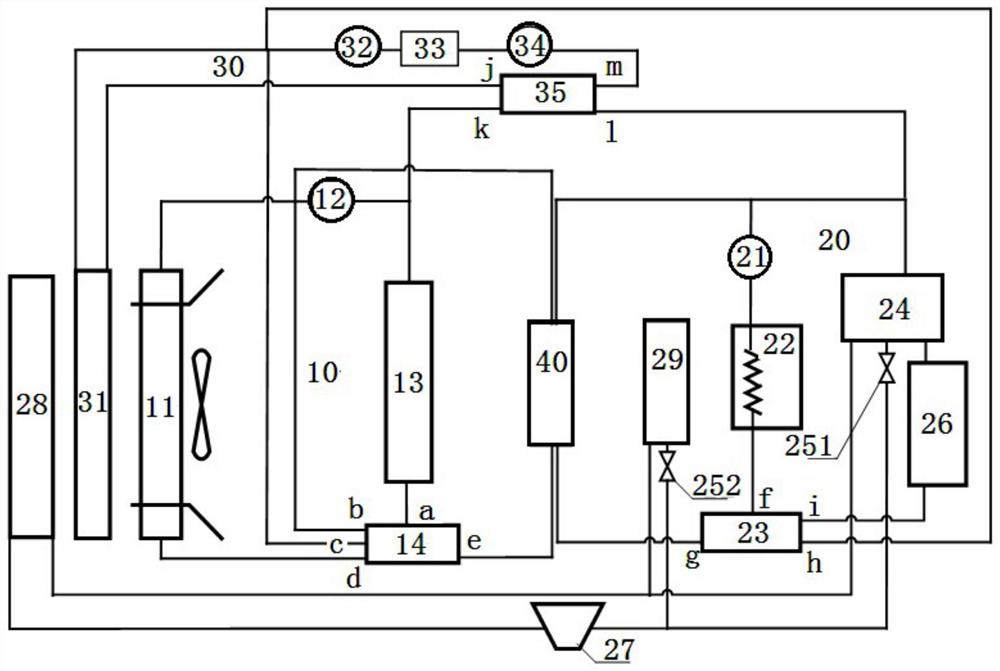
Hybrid electric vehicle heat management system and management method
PatentActiveCN112428766A
Innovation
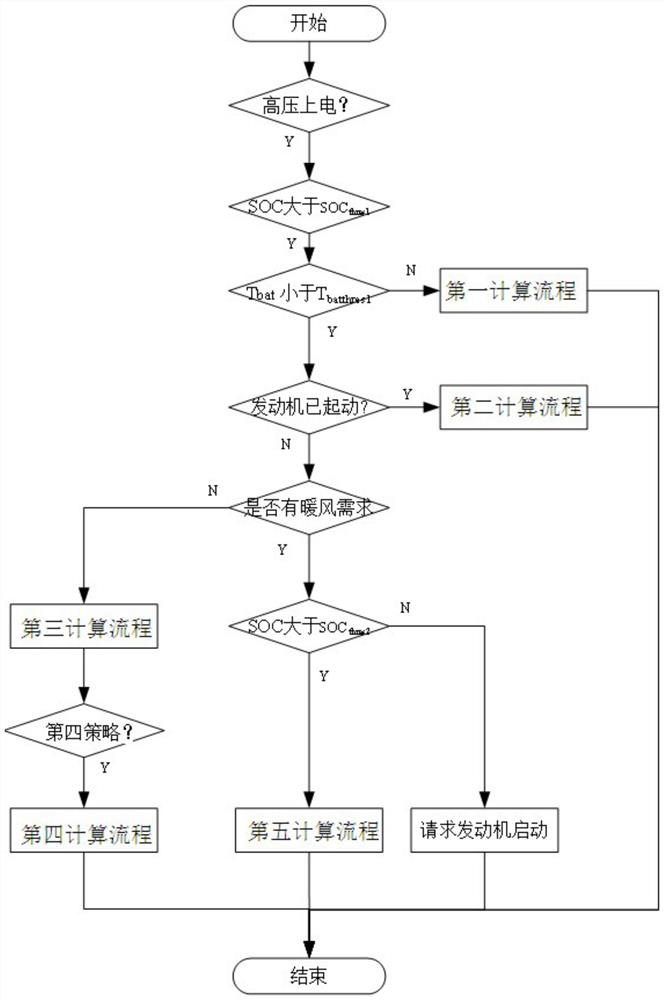
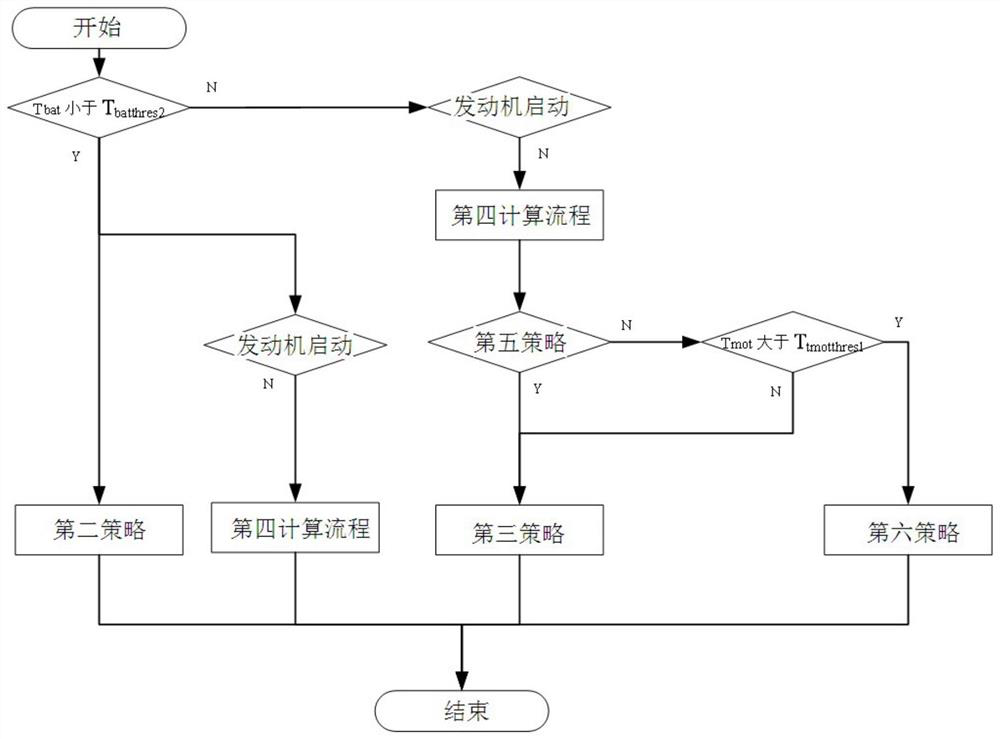
- A hybrid vehicle thermal management system is designed. Through the multi-way valve coupling of the engine cooling circuit, battery cooling circuit and motor cooling circuit, the heat energy is converted and optimized between the three, and the heat of the motor and engine is used for battery heating. , reducing the energy consumption of the heating module and cooling the motor through air conditioning.

Environmental Impact of Engine Cooling Systems
The environmental impact of engine cooling systems, particularly in the context of LM7 engine heat dissipation strategies, is a critical consideration in modern automotive design. These systems play a vital role in maintaining optimal engine functioning, but they also contribute to various environmental concerns that need to be addressed.
One of the primary environmental issues associated with engine cooling systems is the use of coolants. Traditional coolants often contain ethylene glycol, which is toxic and can pose significant risks to wildlife and water sources if leaked or improperly disposed of. As LM7 engines require efficient cooling to manage their heat output, the volume of coolant used and the potential for environmental contamination increases.
The production and disposal of cooling system components also contribute to the environmental footprint. Radiators, hoses, and water pumps are typically made from materials that require energy-intensive manufacturing processes and may not be easily recyclable at the end of their lifecycle. This creates a challenge in terms of resource consumption and waste management.
Furthermore, the energy required to operate cooling systems impacts fuel efficiency and, consequently, vehicle emissions. While the LM7 engine's heat dissipation strategies aim to optimize performance, the power drawn by cooling fans and water pumps can increase overall fuel consumption, leading to higher carbon dioxide emissions.
Water consumption is another environmental concern, particularly in regions facing water scarcity. Although closed-loop cooling systems minimize water loss, periodic maintenance and refills still contribute to water usage. In industrial applications of LM7 engines, such as in power generation, the water demand for cooling can be substantial.
Noise pollution is an often-overlooked environmental impact of engine cooling systems. High-performance cooling fans, necessary for effective heat dissipation in LM7 engines, can generate significant noise levels, affecting both urban environments and wildlife habitats near roadways or industrial sites.
As environmental regulations become more stringent, there is a growing focus on developing more eco-friendly cooling solutions. This includes the use of biodegradable coolants, improved recycling processes for cooling system components, and the integration of smart cooling technologies that optimize energy usage based on real-time engine performance data.
In conclusion, while engine cooling systems are essential for the optimal functioning of LM7 engines, their environmental impact is multifaceted and significant. Addressing these challenges requires a holistic approach that considers the entire lifecycle of cooling systems, from production to disposal, and emphasizes sustainable technologies and practices.
One of the primary environmental issues associated with engine cooling systems is the use of coolants. Traditional coolants often contain ethylene glycol, which is toxic and can pose significant risks to wildlife and water sources if leaked or improperly disposed of. As LM7 engines require efficient cooling to manage their heat output, the volume of coolant used and the potential for environmental contamination increases.
The production and disposal of cooling system components also contribute to the environmental footprint. Radiators, hoses, and water pumps are typically made from materials that require energy-intensive manufacturing processes and may not be easily recyclable at the end of their lifecycle. This creates a challenge in terms of resource consumption and waste management.
Furthermore, the energy required to operate cooling systems impacts fuel efficiency and, consequently, vehicle emissions. While the LM7 engine's heat dissipation strategies aim to optimize performance, the power drawn by cooling fans and water pumps can increase overall fuel consumption, leading to higher carbon dioxide emissions.
Water consumption is another environmental concern, particularly in regions facing water scarcity. Although closed-loop cooling systems minimize water loss, periodic maintenance and refills still contribute to water usage. In industrial applications of LM7 engines, such as in power generation, the water demand for cooling can be substantial.
Noise pollution is an often-overlooked environmental impact of engine cooling systems. High-performance cooling fans, necessary for effective heat dissipation in LM7 engines, can generate significant noise levels, affecting both urban environments and wildlife habitats near roadways or industrial sites.
As environmental regulations become more stringent, there is a growing focus on developing more eco-friendly cooling solutions. This includes the use of biodegradable coolants, improved recycling processes for cooling system components, and the integration of smart cooling technologies that optimize energy usage based on real-time engine performance data.
In conclusion, while engine cooling systems are essential for the optimal functioning of LM7 engines, their environmental impact is multifaceted and significant. Addressing these challenges requires a holistic approach that considers the entire lifecycle of cooling systems, from production to disposal, and emphasizes sustainable technologies and practices.
Cost-Benefit Analysis of Advanced Cooling Strategies
The cost-benefit analysis of advanced cooling strategies for the LM7 engine reveals a complex interplay between performance gains and financial considerations. Advanced cooling technologies, such as precision-engineered heat sinks, liquid cooling systems, and thermal management software, offer significant improvements in heat dissipation efficiency. These innovations can potentially extend engine life, enhance performance, and reduce maintenance costs over time.
However, the initial investment required for implementing these advanced cooling strategies can be substantial. High-performance heat sinks and liquid cooling systems often involve expensive materials and complex manufacturing processes. Additionally, the integration of sophisticated thermal management software may necessitate upgrades to the engine's electronic control systems, further increasing upfront costs.
When evaluating the long-term benefits, it's crucial to consider the potential fuel efficiency improvements resulting from optimized engine temperatures. Advanced cooling strategies can help maintain ideal operating conditions, potentially leading to reduced fuel consumption and lower emissions. This not only contributes to cost savings but also aligns with increasingly stringent environmental regulations.
Maintenance costs represent another significant factor in the cost-benefit equation. While advanced cooling systems may require more specialized maintenance procedures, they can potentially reduce the frequency of major engine overhauls and extend component lifespans. This trade-off between higher-skilled maintenance requirements and reduced downtime must be carefully weighed.
The scalability of these advanced cooling solutions across different engine models and production volumes is also a critical consideration. Economies of scale may be achieved if the technologies can be standardized and implemented across multiple product lines, potentially offsetting the initial research and development costs.
From a competitive standpoint, the adoption of advanced cooling strategies may provide a significant market advantage. Engines with superior heat management capabilities can offer improved performance and reliability, potentially commanding premium pricing and increasing market share. However, this advantage must be balanced against the risk of rapid technological obsolescence in a fast-evolving industry.
In conclusion, while advanced cooling strategies for the LM7 engine present promising performance benefits, their implementation requires careful financial analysis. The decision to invest in these technologies should be based on a comprehensive evaluation of initial costs, long-term savings, market positioning, and alignment with broader corporate strategies and environmental goals.
However, the initial investment required for implementing these advanced cooling strategies can be substantial. High-performance heat sinks and liquid cooling systems often involve expensive materials and complex manufacturing processes. Additionally, the integration of sophisticated thermal management software may necessitate upgrades to the engine's electronic control systems, further increasing upfront costs.
When evaluating the long-term benefits, it's crucial to consider the potential fuel efficiency improvements resulting from optimized engine temperatures. Advanced cooling strategies can help maintain ideal operating conditions, potentially leading to reduced fuel consumption and lower emissions. This not only contributes to cost savings but also aligns with increasingly stringent environmental regulations.
Maintenance costs represent another significant factor in the cost-benefit equation. While advanced cooling systems may require more specialized maintenance procedures, they can potentially reduce the frequency of major engine overhauls and extend component lifespans. This trade-off between higher-skilled maintenance requirements and reduced downtime must be carefully weighed.
The scalability of these advanced cooling solutions across different engine models and production volumes is also a critical consideration. Economies of scale may be achieved if the technologies can be standardized and implemented across multiple product lines, potentially offsetting the initial research and development costs.
From a competitive standpoint, the adoption of advanced cooling strategies may provide a significant market advantage. Engines with superior heat management capabilities can offer improved performance and reliability, potentially commanding premium pricing and increasing market share. However, this advantage must be balanced against the risk of rapid technological obsolescence in a fast-evolving industry.
In conclusion, while advanced cooling strategies for the LM7 engine present promising performance benefits, their implementation requires careful financial analysis. The decision to invest in these technologies should be based on a comprehensive evaluation of initial costs, long-term savings, market positioning, and alignment with broader corporate strategies and environmental goals.
Unlock deeper insights with Patsnap Eureka Quick Research — get a full tech report to explore trends and direct your research. Try now!
Generate Your Research Report Instantly with AI Agent
Supercharge your innovation with Patsnap Eureka AI Agent Platform!