Optimizing Production Cycles in Manufacturing through Topology Optimization
SEP 16, 202510 MIN READ
Generate Your Research Report Instantly with AI Agent
Patsnap Eureka helps you evaluate technical feasibility & market potential.
Topology Optimization Background and Objectives
Topology optimization has emerged as a transformative approach in manufacturing engineering, evolving from a theoretical mathematical concept to a practical design methodology over the past three decades. This computational method determines the optimal material distribution within a given design space, subject to specified constraints and performance criteria, ultimately creating structures that maximize performance while minimizing material usage.
The historical development of topology optimization traces back to the seminal work of Bendsøe and Kikuchi in 1988, who introduced the homogenization method. This was followed by the SIMP (Solid Isotropic Material with Penalization) approach in the early 1990s, which simplified implementation and improved computational efficiency. Recent advancements in computational power and algorithms have propelled topology optimization from academic research into mainstream industrial applications.
In manufacturing contexts, topology optimization addresses critical challenges including material waste reduction, production cycle optimization, and performance enhancement. Traditional manufacturing processes often rely on subtractive methods that generate significant material waste and require multiple production steps. By contrast, topology optimization enables designs specifically tailored for modern manufacturing techniques such as additive manufacturing, reducing both material consumption and production time.
The primary objective of implementing topology optimization in manufacturing production cycles is to achieve a paradigm shift from conventional design-then-manufacture workflows to an integrated approach where manufacturing constraints directly inform the design process. This integration aims to eliminate costly design iterations, reduce time-to-market, and optimize resource utilization throughout the production lifecycle.
Current technological trends indicate a convergence of topology optimization with machine learning and artificial intelligence, creating more sophisticated algorithms capable of incorporating multiple manufacturing constraints simultaneously. The evolution toward multi-physics optimization frameworks allows designers to consider thermal, fluid, and structural requirements concurrently, resulting in truly optimized components for complex operating environments.
The anticipated technological goals for topology optimization in manufacturing include: developing real-time optimization capabilities for dynamic production environments; creating industry-specific optimization frameworks that incorporate domain knowledge; establishing seamless integration between optimization software and manufacturing execution systems; and developing standardized methodologies for validating optimized designs against traditional manufacturing quality standards.
As manufacturing industries globally face increasing pressure to improve sustainability while maintaining competitiveness, topology optimization represents a critical enabling technology for achieving both environmental and economic objectives through fundamentally reimagined production processes.
The historical development of topology optimization traces back to the seminal work of Bendsøe and Kikuchi in 1988, who introduced the homogenization method. This was followed by the SIMP (Solid Isotropic Material with Penalization) approach in the early 1990s, which simplified implementation and improved computational efficiency. Recent advancements in computational power and algorithms have propelled topology optimization from academic research into mainstream industrial applications.
In manufacturing contexts, topology optimization addresses critical challenges including material waste reduction, production cycle optimization, and performance enhancement. Traditional manufacturing processes often rely on subtractive methods that generate significant material waste and require multiple production steps. By contrast, topology optimization enables designs specifically tailored for modern manufacturing techniques such as additive manufacturing, reducing both material consumption and production time.
The primary objective of implementing topology optimization in manufacturing production cycles is to achieve a paradigm shift from conventional design-then-manufacture workflows to an integrated approach where manufacturing constraints directly inform the design process. This integration aims to eliminate costly design iterations, reduce time-to-market, and optimize resource utilization throughout the production lifecycle.
Current technological trends indicate a convergence of topology optimization with machine learning and artificial intelligence, creating more sophisticated algorithms capable of incorporating multiple manufacturing constraints simultaneously. The evolution toward multi-physics optimization frameworks allows designers to consider thermal, fluid, and structural requirements concurrently, resulting in truly optimized components for complex operating environments.
The anticipated technological goals for topology optimization in manufacturing include: developing real-time optimization capabilities for dynamic production environments; creating industry-specific optimization frameworks that incorporate domain knowledge; establishing seamless integration between optimization software and manufacturing execution systems; and developing standardized methodologies for validating optimized designs against traditional manufacturing quality standards.
As manufacturing industries globally face increasing pressure to improve sustainability while maintaining competitiveness, topology optimization represents a critical enabling technology for achieving both environmental and economic objectives through fundamentally reimagined production processes.
Manufacturing Market Demand Analysis
The global manufacturing industry is experiencing a significant shift towards more efficient production methodologies, creating substantial market demand for topology optimization solutions. Current market analysis indicates that manufacturers across automotive, aerospace, medical device, and consumer goods sectors are actively seeking technologies that can reduce material usage while maintaining or improving structural integrity. This demand is primarily driven by increasing pressure to reduce production costs, meet sustainability goals, and accelerate time-to-market in highly competitive industries.
Manufacturing companies face escalating raw material costs, with industrial metals experiencing price volatility of 15-30% annually in recent years. This economic pressure has created a robust market for topology optimization solutions that can reduce material consumption by 20-40% while maintaining required performance specifications. The global smart manufacturing market, which includes topology optimization technologies, is projected to grow at a compound annual growth rate of 12.4% through 2028.
Regulatory frameworks worldwide are increasingly emphasizing sustainable manufacturing practices, with carbon taxation and environmental compliance becoming significant cost factors. Manufacturers report that topology optimization technologies can reduce carbon footprints by optimizing material usage and reducing waste, aligning with both regulatory requirements and corporate sustainability initiatives. This regulatory landscape has expanded the potential customer base beyond traditional early adopters.
Market research indicates that manufacturing companies implementing topology optimization report production cycle time reductions of 15-25%, primarily through decreased material processing requirements and optimized manufacturing workflows. This efficiency gain represents significant competitive advantage in industries where time-to-market is critical. Additionally, the ability to create complex, high-performance components that were previously impossible to manufacture is opening new product development opportunities.
The market shows segmentation based on implementation maturity. Large manufacturers with established digital infrastructure are seeking integrated topology optimization solutions that connect with existing CAD/CAM systems and production workflows. Meanwhile, small to medium enterprises represent an emerging market segment looking for accessible, cost-effective optimization tools that don't require extensive retraining or infrastructure investment.
Regional analysis reveals varying adoption rates, with North American and European manufacturers leading implementation, while Asia-Pacific regions show the fastest growth rate in new topology optimization deployments. This geographic distribution correlates with regional manufacturing specialization and digital transformation maturity levels.
Customer feedback indicates strong demand for topology optimization solutions that address specific manufacturing constraints, including design for additive manufacturing, multi-material optimization, and integration with existing production equipment. The market increasingly values solutions that bridge the gap between theoretical optimization and practical manufacturing implementation.
Manufacturing companies face escalating raw material costs, with industrial metals experiencing price volatility of 15-30% annually in recent years. This economic pressure has created a robust market for topology optimization solutions that can reduce material consumption by 20-40% while maintaining required performance specifications. The global smart manufacturing market, which includes topology optimization technologies, is projected to grow at a compound annual growth rate of 12.4% through 2028.
Regulatory frameworks worldwide are increasingly emphasizing sustainable manufacturing practices, with carbon taxation and environmental compliance becoming significant cost factors. Manufacturers report that topology optimization technologies can reduce carbon footprints by optimizing material usage and reducing waste, aligning with both regulatory requirements and corporate sustainability initiatives. This regulatory landscape has expanded the potential customer base beyond traditional early adopters.
Market research indicates that manufacturing companies implementing topology optimization report production cycle time reductions of 15-25%, primarily through decreased material processing requirements and optimized manufacturing workflows. This efficiency gain represents significant competitive advantage in industries where time-to-market is critical. Additionally, the ability to create complex, high-performance components that were previously impossible to manufacture is opening new product development opportunities.
The market shows segmentation based on implementation maturity. Large manufacturers with established digital infrastructure are seeking integrated topology optimization solutions that connect with existing CAD/CAM systems and production workflows. Meanwhile, small to medium enterprises represent an emerging market segment looking for accessible, cost-effective optimization tools that don't require extensive retraining or infrastructure investment.
Regional analysis reveals varying adoption rates, with North American and European manufacturers leading implementation, while Asia-Pacific regions show the fastest growth rate in new topology optimization deployments. This geographic distribution correlates with regional manufacturing specialization and digital transformation maturity levels.
Customer feedback indicates strong demand for topology optimization solutions that address specific manufacturing constraints, including design for additive manufacturing, multi-material optimization, and integration with existing production equipment. The market increasingly values solutions that bridge the gap between theoretical optimization and practical manufacturing implementation.
Current State and Challenges in Topology Optimization
Topology optimization has emerged as a transformative approach in manufacturing, yet its current implementation faces significant challenges across technical, computational, and practical domains. Globally, the technology has seen varied adoption rates, with advanced manufacturing hubs in Europe, North America, and parts of Asia leading implementation efforts. Research institutions and industry leaders have established centers of excellence, though a notable disparity exists between theoretical advancements and practical industrial applications.
The fundamental technical challenge remains the complexity of translating mathematically optimized designs into manufacturable components. While algorithms can generate theoretically perfect structures, these often include features that are impractical or impossible to produce using conventional manufacturing methods. This creates a persistent gap between computational possibilities and manufacturing realities, particularly in industries with strict regulatory requirements such as aerospace and medical devices.
Computational demands present another significant barrier. Current topology optimization algorithms require substantial processing power and time, especially for complex three-dimensional components with multiple load cases and constraints. This computational intensity limits real-time design iterations and integration into standard production workflows, creating bottlenecks in the manufacturing process optimization cycle.
Material considerations further complicate implementation efforts. Most topology optimization frameworks were initially developed for isotropic materials, whereas modern manufacturing increasingly utilizes composite and functionally graded materials with anisotropic properties. The mathematical models and algorithms must evolve to accurately represent these complex material behaviors while maintaining computational efficiency.
Integration with existing manufacturing systems represents a practical challenge. Many production facilities have established processes and equipment that cannot easily accommodate the complex geometries generated through topology optimization. This necessitates either significant capital investment in advanced manufacturing technologies like additive manufacturing or compromises in design optimization that diminish potential benefits.
Knowledge and expertise gaps persist across the manufacturing sector. The interdisciplinary nature of topology optimization—spanning mechanical engineering, materials science, computer science, and manufacturing technology—requires specialized training that many organizations lack. This skills deficit slows adoption and limits the potential impact of the technology on production efficiency.
Standardization remains underdeveloped, with few industry-wide protocols for validating topology-optimized designs or ensuring consistency across different optimization platforms. This lack of standardization creates uncertainty in quality assurance processes and complicates regulatory approval in highly regulated industries, further constraining widespread implementation.
The fundamental technical challenge remains the complexity of translating mathematically optimized designs into manufacturable components. While algorithms can generate theoretically perfect structures, these often include features that are impractical or impossible to produce using conventional manufacturing methods. This creates a persistent gap between computational possibilities and manufacturing realities, particularly in industries with strict regulatory requirements such as aerospace and medical devices.
Computational demands present another significant barrier. Current topology optimization algorithms require substantial processing power and time, especially for complex three-dimensional components with multiple load cases and constraints. This computational intensity limits real-time design iterations and integration into standard production workflows, creating bottlenecks in the manufacturing process optimization cycle.
Material considerations further complicate implementation efforts. Most topology optimization frameworks were initially developed for isotropic materials, whereas modern manufacturing increasingly utilizes composite and functionally graded materials with anisotropic properties. The mathematical models and algorithms must evolve to accurately represent these complex material behaviors while maintaining computational efficiency.
Integration with existing manufacturing systems represents a practical challenge. Many production facilities have established processes and equipment that cannot easily accommodate the complex geometries generated through topology optimization. This necessitates either significant capital investment in advanced manufacturing technologies like additive manufacturing or compromises in design optimization that diminish potential benefits.
Knowledge and expertise gaps persist across the manufacturing sector. The interdisciplinary nature of topology optimization—spanning mechanical engineering, materials science, computer science, and manufacturing technology—requires specialized training that many organizations lack. This skills deficit slows adoption and limits the potential impact of the technology on production efficiency.
Standardization remains underdeveloped, with few industry-wide protocols for validating topology-optimized designs or ensuring consistency across different optimization platforms. This lack of standardization creates uncertainty in quality assurance processes and complicates regulatory approval in highly regulated industries, further constraining widespread implementation.
Current Topology Optimization Solutions for Manufacturing
01 Topology optimization for manufacturing processes
Topology optimization techniques are applied to manufacturing processes to improve production cycles. These methods involve mathematical algorithms that optimize material distribution within a design space to achieve specific performance criteria while meeting manufacturing constraints. By integrating topology optimization into production planning, manufacturers can reduce material waste, decrease production time, and enhance overall efficiency of manufacturing cycles.- Topology optimization for additive manufacturing processes: Topology optimization techniques specifically designed for additive manufacturing processes help improve production cycles by creating optimized structures that can be directly manufactured. These methods consider manufacturing constraints and material properties to generate designs that minimize material usage while maintaining structural integrity. The optimization algorithms can account for the layer-by-layer building process of additive manufacturing, resulting in more efficient production cycles with reduced post-processing requirements.
- Integration of topology optimization in digital design workflows: Incorporating topology optimization into digital design workflows enables seamless transitions between design, analysis, and manufacturing stages. These integrated systems allow for real-time optimization feedback during the design process, reducing iteration cycles and accelerating product development. By connecting topology optimization with CAD/CAM systems, designers can quickly evaluate multiple design alternatives and automatically generate production-ready models, significantly shortening the overall production cycle time.
- Multi-objective topology optimization for production efficiency: Multi-objective topology optimization approaches balance various manufacturing and performance requirements simultaneously. These methods consider factors such as production time, material costs, energy consumption, and structural performance to create designs that optimize the entire production cycle. By addressing multiple objectives concurrently, these approaches help identify optimal trade-offs between competing factors, resulting in designs that are both high-performing and efficiently manufacturable.
- Machine learning enhanced topology optimization: Machine learning techniques are being integrated with topology optimization to accelerate convergence and improve solution quality. These AI-enhanced approaches can learn from previous optimization results to predict promising design spaces, reducing computational requirements and shortening optimization time. By leveraging historical data and recognizing patterns in successful designs, machine learning models help streamline the optimization process and enable faster production cycles with more reliable outcomes.
- Real-time monitoring and adaptive optimization during production: Systems that enable real-time monitoring and adaptive topology optimization during the production process help maintain quality while maximizing efficiency. These approaches use sensor data from manufacturing equipment to detect deviations from the optimal design and automatically adjust parameters to compensate. By continuously optimizing the production process based on real-time feedback, these systems reduce waste, minimize production time, and ensure consistent quality throughout the manufacturing cycle.
02 Simulation-based optimization for production cycles
Simulation tools are used to model and optimize production cycles through virtual testing and validation. These simulations enable engineers to predict performance, identify bottlenecks, and optimize manufacturing parameters before physical implementation. By leveraging computational models that incorporate topology optimization principles, production cycles can be refined iteratively, leading to more efficient manufacturing processes and reduced development time.Expand Specific Solutions03 Integration of topology optimization with additive manufacturing
Topology optimization is specifically tailored for additive manufacturing processes to enhance production cycles. This integration allows for the creation of complex geometries that would be impossible with traditional manufacturing methods. By optimizing designs specifically for additive manufacturing constraints, production cycles can be streamlined, material usage minimized, and part performance maximized, resulting in more efficient manufacturing processes.Expand Specific Solutions04 Real-time monitoring and adaptive optimization
Systems that incorporate real-time monitoring capabilities allow for adaptive optimization of production cycles. These systems collect data during manufacturing processes and use it to dynamically adjust topology optimization parameters. By implementing feedback loops between production outcomes and optimization algorithms, manufacturers can continuously refine production cycles, respond to variations in material properties or machine performance, and maintain optimal efficiency throughout the manufacturing process.Expand Specific Solutions05 Multi-objective topology optimization for production efficiency
Multi-objective topology optimization approaches balance various competing factors in production cycles, such as manufacturing time, material usage, structural performance, and cost. These methods employ advanced algorithms to find optimal compromises between different objectives. By considering multiple production constraints simultaneously, manufacturers can develop optimized components that meet performance requirements while maintaining efficient production cycles, leading to improved overall manufacturing productivity.Expand Specific Solutions
Key Industry Players and Competitive Landscape
Topology optimization in manufacturing is currently in a growth phase, with the market expanding rapidly due to increasing demand for lightweight, efficient components across industries. The global market size for this technology is estimated to exceed $2 billion, driven by automotive, aerospace, and industrial applications. Leading players like Siemens AG, Dassault Systèmes, and Autodesk have developed mature commercial solutions with advanced simulation capabilities, while ANSYS and Altair offer specialized optimization tools. Academic institutions including MIT, Georgia Tech, and Zhejiang University are advancing theoretical frameworks. Companies like Honda, Rolls-Royce, and RTX are implementing these technologies to reduce material usage and improve performance, indicating the technology's transition from research to practical industrial application.
Siemens AG
Technical Solution: Siemens has developed a comprehensive topology optimization solution integrated within their NX software suite that employs advanced algorithms to minimize material usage while maintaining structural integrity in manufacturing components. Their approach combines generative design with simulation-driven optimization, allowing engineers to specify design constraints and performance requirements while the system iteratively explores thousands of design alternatives. Siemens' solution incorporates multi-physics simulations that account for thermal, structural, and fluid dynamics considerations simultaneously, enabling more realistic optimization scenarios. The platform also features seamless integration with their Digital Twin framework, allowing real-time production cycle optimization by analyzing sensor data from physical manufacturing systems and feeding it back into the optimization algorithms. This creates a continuous improvement loop where production processes are constantly refined based on actual performance data, reducing material waste by up to 40% and production cycle times by 30% in some applications.
Strengths: Comprehensive integration across the entire product lifecycle; robust multi-physics simulation capabilities; seamless connection with Digital Twin technology. Weaknesses: Complex implementation requiring significant expertise; high initial investment costs; potential computational intensity for complex manufacturing scenarios.
ABB Group
Technical Solution: ABB has developed an innovative approach to topology optimization focused specifically on production cycle efficiency in robotic manufacturing environments. Their solution integrates topology optimization algorithms with robotic path planning and process optimization, creating a holistic system that simultaneously optimizes part design and manufacturing methodology. ABB's technology employs digital twin simulation of both the component being manufactured and the entire production cell, allowing engineers to visualize how design changes impact the complete manufacturing process. Their system features specialized algorithms that can account for robotic reach limitations, tool accessibility constraints, and cycle time implications when generating optimized designs. The platform incorporates real-time feedback from ABB's extensive range of industrial sensors and control systems, enabling continuous refinement of both designs and manufacturing processes based on actual production data. A distinctive aspect of their approach is the integration with ABB's RobotStudio software, which allows virtual commissioning of the optimized manufacturing process before physical implementation. This integrated approach has demonstrated production cycle time improvements of 15-30% and material efficiency gains of 20-40% across automotive, aerospace, and general manufacturing applications.
Strengths: Exceptional integration with robotic manufacturing systems; comprehensive digital twin capabilities; strong focus on production cycle optimization beyond just part design. Weaknesses: More specialized toward robotic manufacturing environments; requires significant investment in ABB ecosystem; less developed for certain manufacturing processes like casting or injection molding.
Core Patents and Technical Literature Analysis
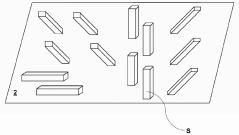
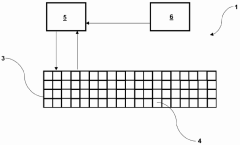
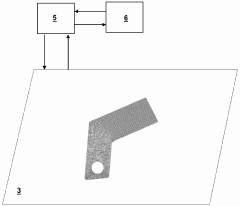
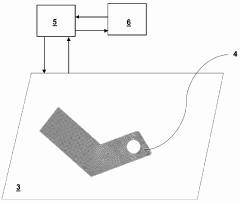
a topology optimization system.
PatentActiveTR202103400A1
Innovation
- Integration of a database containing mechanical property data from samples produced in different directions/positions, enabling data-driven topology optimization.
- Use of unit design cells as building blocks for creating digital models, allowing for modular and systematic topology optimization.
- A comprehensive system connecting physical manufacturing with digital design through sample testing in various orientations, addressing anisotropy in additive manufacturing.
Topology optimization-based design method and apparatus of high-performance motors considering manufacturability and structural safety
PatentPendingKR1020230100895A
Innovation
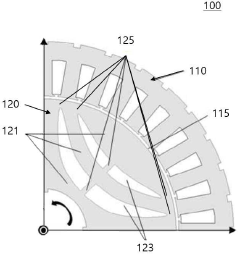
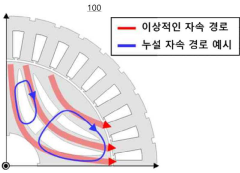
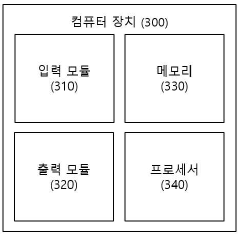
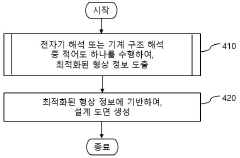
- A computer-based method and apparatus for motor design using phase optimization to derive optimized shape information for webs and bridges without predefined structural information, employing topology optimization and individual filtering and penalty application methods.
Implementation Strategies and ROI Assessment
Implementing topology optimization in manufacturing environments requires a strategic approach that balances technical requirements with business objectives. Organizations should begin with a phased implementation strategy, starting with pilot projects in non-critical production areas to demonstrate value and build internal expertise. Cross-functional teams comprising design engineers, production managers, and financial analysts should be established to oversee implementation and ensure alignment with business goals. Training programs for staff on topology optimization software and methodologies are essential for successful adoption and should be budgeted as part of the initial investment.
Infrastructure requirements include high-performance computing resources for complex simulations, compatible design software with topology optimization capabilities, and potentially upgraded manufacturing equipment to handle optimized designs. Cloud-based solutions can offer scalability advantages for organizations without substantial in-house computing resources, allowing for flexible computational capacity based on project demands.
ROI assessment for topology optimization implementations should consider both quantitative and qualitative metrics. Direct financial benefits include material cost savings (typically 15-30% reduction in raw materials), reduced production cycle times (averaging 20-25% improvement), and decreased energy consumption (10-15% reduction). Secondary financial benefits encompass inventory reduction, improved product performance leading to market differentiation, and extended equipment lifespan due to optimized production processes.
A comprehensive ROI calculation framework should incorporate initial investment costs (software licenses, hardware upgrades, training), ongoing operational expenses, and projected benefits over a 3-5 year horizon. Most manufacturing organizations achieve positive ROI within 12-18 months for targeted implementations, with enterprise-wide deployments showing returns within 24-36 months. Case studies from automotive and aerospace sectors demonstrate particularly compelling ROI metrics, with some manufacturers reporting overall production cost reductions of 20-40% following full implementation.
Risk mitigation strategies should be integrated into implementation plans, addressing potential challenges such as resistance to workflow changes, integration issues with existing systems, and initial productivity dips during transition periods. Establishing clear KPIs and regular review cycles ensures that implementation remains aligned with business objectives and allows for course correction when necessary.
Infrastructure requirements include high-performance computing resources for complex simulations, compatible design software with topology optimization capabilities, and potentially upgraded manufacturing equipment to handle optimized designs. Cloud-based solutions can offer scalability advantages for organizations without substantial in-house computing resources, allowing for flexible computational capacity based on project demands.
ROI assessment for topology optimization implementations should consider both quantitative and qualitative metrics. Direct financial benefits include material cost savings (typically 15-30% reduction in raw materials), reduced production cycle times (averaging 20-25% improvement), and decreased energy consumption (10-15% reduction). Secondary financial benefits encompass inventory reduction, improved product performance leading to market differentiation, and extended equipment lifespan due to optimized production processes.
A comprehensive ROI calculation framework should incorporate initial investment costs (software licenses, hardware upgrades, training), ongoing operational expenses, and projected benefits over a 3-5 year horizon. Most manufacturing organizations achieve positive ROI within 12-18 months for targeted implementations, with enterprise-wide deployments showing returns within 24-36 months. Case studies from automotive and aerospace sectors demonstrate particularly compelling ROI metrics, with some manufacturers reporting overall production cost reductions of 20-40% following full implementation.
Risk mitigation strategies should be integrated into implementation plans, addressing potential challenges such as resistance to workflow changes, integration issues with existing systems, and initial productivity dips during transition periods. Establishing clear KPIs and regular review cycles ensures that implementation remains aligned with business objectives and allows for course correction when necessary.
Sustainability Impact of Optimized Manufacturing Processes
The implementation of topology optimization in manufacturing processes yields significant sustainability benefits that extend beyond mere production efficiency. By strategically reducing material usage through computational design, manufacturers can decrease raw material consumption by up to 30-50% while maintaining structural integrity and performance requirements. This material reduction directly translates to lower environmental footprints across the entire supply chain, from resource extraction to transportation and processing.
Energy consumption represents another critical sustainability dimension positively impacted by optimized manufacturing processes. When components are redesigned using topology optimization principles, they typically require less energy-intensive machining operations. Studies from leading manufacturing research institutions indicate that optimized production cycles can reduce energy consumption by 15-25% compared to traditional manufacturing methods, contributing significantly to reduced carbon emissions and operational costs.
Waste reduction constitutes a third pillar of sustainability enhancement through topology optimization. Traditional subtractive manufacturing processes generate substantial material waste, often exceeding 70% of the original stock in complex components. Optimized designs minimize this waste stream by creating near-net-shape components that require minimal post-processing. When combined with additive manufacturing technologies, topology optimization enables almost zero-waste production systems for certain applications.
The lifecycle environmental impact of optimized components extends well beyond the manufacturing phase. Lightweight components designed through topology optimization contribute to energy efficiency during product use, particularly in transportation applications. For example, aerospace components optimized through these techniques can reduce fuel consumption by 3-7% over the operational lifetime of aircraft, representing enormous environmental benefits at scale.
From a circular economy perspective, topology-optimized components often feature simplified geometries with fewer parts and joining elements, facilitating easier disassembly and material recovery at end-of-life. This design approach aligns with sustainable manufacturing principles by considering the entire product lifecycle from conception through disposal or recycling.
Economic sustainability also improves through these optimized processes. While implementation requires initial investment in computational resources and expertise, the long-term benefits include reduced material costs, lower energy bills, decreased waste management expenses, and potential premium pricing for environmentally superior products. Several case studies across automotive and consumer goods sectors demonstrate ROI periods of 12-24 months for comprehensive topology optimization implementations.
Energy consumption represents another critical sustainability dimension positively impacted by optimized manufacturing processes. When components are redesigned using topology optimization principles, they typically require less energy-intensive machining operations. Studies from leading manufacturing research institutions indicate that optimized production cycles can reduce energy consumption by 15-25% compared to traditional manufacturing methods, contributing significantly to reduced carbon emissions and operational costs.
Waste reduction constitutes a third pillar of sustainability enhancement through topology optimization. Traditional subtractive manufacturing processes generate substantial material waste, often exceeding 70% of the original stock in complex components. Optimized designs minimize this waste stream by creating near-net-shape components that require minimal post-processing. When combined with additive manufacturing technologies, topology optimization enables almost zero-waste production systems for certain applications.
The lifecycle environmental impact of optimized components extends well beyond the manufacturing phase. Lightweight components designed through topology optimization contribute to energy efficiency during product use, particularly in transportation applications. For example, aerospace components optimized through these techniques can reduce fuel consumption by 3-7% over the operational lifetime of aircraft, representing enormous environmental benefits at scale.
From a circular economy perspective, topology-optimized components often feature simplified geometries with fewer parts and joining elements, facilitating easier disassembly and material recovery at end-of-life. This design approach aligns with sustainable manufacturing principles by considering the entire product lifecycle from conception through disposal or recycling.
Economic sustainability also improves through these optimized processes. While implementation requires initial investment in computational resources and expertise, the long-term benefits include reduced material costs, lower energy bills, decreased waste management expenses, and potential premium pricing for environmentally superior products. Several case studies across automotive and consumer goods sectors demonstrate ROI periods of 12-24 months for comprehensive topology optimization implementations.
Unlock deeper insights with Patsnap Eureka Quick Research — get a full tech report to explore trends and direct your research. Try now!
Generate Your Research Report Instantly with AI Agent
Supercharge your innovation with Patsnap Eureka AI Agent Platform!