Propionic Acid in Veterinary Medicine: Current Practices
JUL 3, 20259 MIN READ
Generate Your Research Report Instantly with AI Agent
PatSnap Eureka helps you evaluate technical feasibility & market potential.
Propionic Acid Background and Objectives
Propionic acid has a long history of use in veterinary medicine, dating back to the early 20th century when its antimicrobial properties were first discovered. This organic compound, also known as propanoic acid, is a naturally occurring carboxylic acid found in small quantities in dairy products and as a byproduct of animal digestion. Its chemical structure, consisting of three carbon atoms, makes it an effective preservative and antimicrobial agent.
The evolution of propionic acid in veterinary applications has been driven by the increasing demand for safe and effective alternatives to traditional antibiotics. As concerns about antibiotic resistance have grown, propionic acid has emerged as a valuable tool in animal health management. Its ability to inhibit the growth of various microorganisms, particularly molds and bacteria, has made it an essential component in animal feed preservation and disease prevention strategies.
In recent years, the use of propionic acid in veterinary medicine has expanded beyond its initial applications. Research has shown its potential in improving animal gut health, enhancing feed efficiency, and reducing the incidence of certain metabolic disorders in livestock. This has led to a surge in interest from both the scientific community and the animal health industry, resulting in increased research and development efforts focused on optimizing propionic acid formulations for various veterinary applications.
The current objectives in propionic acid research and development within veterinary medicine are multifaceted. One primary goal is to enhance the efficacy of propionic acid-based products while minimizing potential side effects. This includes developing novel delivery systems that can improve the stability and bioavailability of propionic acid in different animal species. Another important objective is to explore synergistic combinations of propionic acid with other compounds to create more potent and broad-spectrum solutions for animal health challenges.
Furthermore, there is a growing emphasis on understanding the mechanisms of action of propionic acid at the molecular level. This knowledge is crucial for developing targeted therapies and predicting potential interactions with other medications or feed components. Researchers are also investigating the role of propionic acid in modulating the gut microbiome of animals, as emerging evidence suggests its potential in promoting beneficial bacterial populations and suppressing pathogenic ones.
As the veterinary industry continues to evolve, the objectives for propionic acid use are aligning with broader trends in animal health management. These include the development of sustainable and environmentally friendly practices, the reduction of antibiotic use in livestock production, and the improvement of animal welfare standards. Propionic acid, with its natural origin and proven safety profile, is well-positioned to play a significant role in addressing these industry-wide goals.
The evolution of propionic acid in veterinary applications has been driven by the increasing demand for safe and effective alternatives to traditional antibiotics. As concerns about antibiotic resistance have grown, propionic acid has emerged as a valuable tool in animal health management. Its ability to inhibit the growth of various microorganisms, particularly molds and bacteria, has made it an essential component in animal feed preservation and disease prevention strategies.
In recent years, the use of propionic acid in veterinary medicine has expanded beyond its initial applications. Research has shown its potential in improving animal gut health, enhancing feed efficiency, and reducing the incidence of certain metabolic disorders in livestock. This has led to a surge in interest from both the scientific community and the animal health industry, resulting in increased research and development efforts focused on optimizing propionic acid formulations for various veterinary applications.
The current objectives in propionic acid research and development within veterinary medicine are multifaceted. One primary goal is to enhance the efficacy of propionic acid-based products while minimizing potential side effects. This includes developing novel delivery systems that can improve the stability and bioavailability of propionic acid in different animal species. Another important objective is to explore synergistic combinations of propionic acid with other compounds to create more potent and broad-spectrum solutions for animal health challenges.
Furthermore, there is a growing emphasis on understanding the mechanisms of action of propionic acid at the molecular level. This knowledge is crucial for developing targeted therapies and predicting potential interactions with other medications or feed components. Researchers are also investigating the role of propionic acid in modulating the gut microbiome of animals, as emerging evidence suggests its potential in promoting beneficial bacterial populations and suppressing pathogenic ones.
As the veterinary industry continues to evolve, the objectives for propionic acid use are aligning with broader trends in animal health management. These include the development of sustainable and environmentally friendly practices, the reduction of antibiotic use in livestock production, and the improvement of animal welfare standards. Propionic acid, with its natural origin and proven safety profile, is well-positioned to play a significant role in addressing these industry-wide goals.
Veterinary Market Demand Analysis
The veterinary market for propionic acid and its derivatives has shown significant growth in recent years, driven by increasing awareness of animal health and the need for effective feed preservation. The global veterinary medicine market, which includes feed additives and preservatives, is projected to reach substantial value in the coming years, with a notable portion attributed to organic acid-based products like propionic acid.
In the livestock sector, propionic acid has gained traction as a feed preservative and mold inhibitor. The rising demand for high-quality animal protein, coupled with concerns over feed spoilage and mycotoxin contamination, has led to increased adoption of propionic acid-based solutions. Poultry and swine industries, in particular, have shown a strong inclination towards using propionic acid in feed formulations to improve feed efficiency and animal health.
The dairy industry has also contributed to the growing demand for propionic acid in veterinary applications. As a treatment for ketosis in dairy cows, propionic acid and its salts have become essential components in herd health management programs. The increasing milk production targets and the need to maintain optimal health in high-yielding dairy cows have further boosted the market for propionic acid-based supplements.
Aquaculture represents another emerging market for propionic acid in veterinary medicine. With the expansion of fish farming operations globally, the need for effective feed preservatives and growth promoters has risen. Propionic acid's ability to inhibit mold growth in fish feed and its potential to improve feed conversion ratios have made it an attractive option for aquaculture producers.
The pet care segment has also shown interest in propionic acid-based products, particularly in the area of pet food preservation. As pet owners become more conscious about the quality and safety of pet food, manufacturers are increasingly turning to natural preservatives like propionic acid to extend shelf life without compromising nutritional value.
Geographically, North America and Europe lead in the adoption of propionic acid for veterinary applications, driven by stringent regulations on feed quality and animal welfare. However, the Asia-Pacific region is expected to witness the fastest growth, fueled by the rapid expansion of livestock production and increasing investments in animal health.
Despite the positive market outlook, challenges such as the volatility of raw material prices and the growing preference for alternative natural preservatives may impact the growth trajectory of propionic acid in the veterinary sector. Nevertheless, ongoing research into new applications and formulations of propionic acid in animal health is likely to open up additional market opportunities in the coming years.
In the livestock sector, propionic acid has gained traction as a feed preservative and mold inhibitor. The rising demand for high-quality animal protein, coupled with concerns over feed spoilage and mycotoxin contamination, has led to increased adoption of propionic acid-based solutions. Poultry and swine industries, in particular, have shown a strong inclination towards using propionic acid in feed formulations to improve feed efficiency and animal health.
The dairy industry has also contributed to the growing demand for propionic acid in veterinary applications. As a treatment for ketosis in dairy cows, propionic acid and its salts have become essential components in herd health management programs. The increasing milk production targets and the need to maintain optimal health in high-yielding dairy cows have further boosted the market for propionic acid-based supplements.
Aquaculture represents another emerging market for propionic acid in veterinary medicine. With the expansion of fish farming operations globally, the need for effective feed preservatives and growth promoters has risen. Propionic acid's ability to inhibit mold growth in fish feed and its potential to improve feed conversion ratios have made it an attractive option for aquaculture producers.
The pet care segment has also shown interest in propionic acid-based products, particularly in the area of pet food preservation. As pet owners become more conscious about the quality and safety of pet food, manufacturers are increasingly turning to natural preservatives like propionic acid to extend shelf life without compromising nutritional value.
Geographically, North America and Europe lead in the adoption of propionic acid for veterinary applications, driven by stringent regulations on feed quality and animal welfare. However, the Asia-Pacific region is expected to witness the fastest growth, fueled by the rapid expansion of livestock production and increasing investments in animal health.
Despite the positive market outlook, challenges such as the volatility of raw material prices and the growing preference for alternative natural preservatives may impact the growth trajectory of propionic acid in the veterinary sector. Nevertheless, ongoing research into new applications and formulations of propionic acid in animal health is likely to open up additional market opportunities in the coming years.
Current Status and Challenges
Propionic acid has gained significant attention in veterinary medicine due to its antimicrobial and growth-promoting properties. Currently, it is widely used as a feed additive and preservative in animal nutrition, particularly in the poultry and swine industries. The primary application of propionic acid is to inhibit the growth of molds and bacteria in animal feed, thereby improving feed quality and shelf life.
In recent years, there has been a growing interest in using propionic acid as an alternative to traditional antibiotics in livestock production. This shift is driven by increasing concerns about antibiotic resistance and the need for more sustainable farming practices. Research has shown that propionic acid can effectively control pathogenic bacteria in the gastrointestinal tract of animals, leading to improved gut health and overall performance.
Despite its promising applications, the use of propionic acid in veterinary medicine faces several challenges. One of the main obstacles is the potential for corrosion of metal equipment and infrastructure in animal housing facilities. This issue requires careful consideration in the design and maintenance of farm equipment to ensure long-term durability and safety.
Another challenge is the variability in efficacy across different animal species and production systems. While propionic acid has shown consistent results in poultry and swine, its effectiveness in other livestock species, such as cattle and small ruminants, requires further investigation. Additionally, the optimal dosage and administration methods may vary depending on factors such as animal age, diet composition, and environmental conditions.
The regulatory landscape surrounding the use of propionic acid in veterinary medicine is also evolving. Different countries have varying regulations regarding its application as a feed additive or preservative. This regulatory diversity can create challenges for global trade and standardization of practices in the animal agriculture industry.
From a geographical perspective, the adoption of propionic acid in veterinary medicine varies across regions. Developed countries, particularly in North America and Europe, have been at the forefront of implementing propionic acid-based solutions in animal husbandry. However, there is a growing interest in emerging markets, especially in Asia and South America, where the demand for safe and efficient animal production is increasing.
Looking ahead, the future development of propionic acid in veterinary medicine will likely focus on addressing these challenges and expanding its applications. Research efforts are being directed towards developing novel formulations that enhance the stability and efficacy of propionic acid while minimizing its corrosive properties. Additionally, there is a need for more comprehensive studies on the long-term effects of propionic acid supplementation on animal health, productivity, and the environment.
In recent years, there has been a growing interest in using propionic acid as an alternative to traditional antibiotics in livestock production. This shift is driven by increasing concerns about antibiotic resistance and the need for more sustainable farming practices. Research has shown that propionic acid can effectively control pathogenic bacteria in the gastrointestinal tract of animals, leading to improved gut health and overall performance.
Despite its promising applications, the use of propionic acid in veterinary medicine faces several challenges. One of the main obstacles is the potential for corrosion of metal equipment and infrastructure in animal housing facilities. This issue requires careful consideration in the design and maintenance of farm equipment to ensure long-term durability and safety.
Another challenge is the variability in efficacy across different animal species and production systems. While propionic acid has shown consistent results in poultry and swine, its effectiveness in other livestock species, such as cattle and small ruminants, requires further investigation. Additionally, the optimal dosage and administration methods may vary depending on factors such as animal age, diet composition, and environmental conditions.
The regulatory landscape surrounding the use of propionic acid in veterinary medicine is also evolving. Different countries have varying regulations regarding its application as a feed additive or preservative. This regulatory diversity can create challenges for global trade and standardization of practices in the animal agriculture industry.
From a geographical perspective, the adoption of propionic acid in veterinary medicine varies across regions. Developed countries, particularly in North America and Europe, have been at the forefront of implementing propionic acid-based solutions in animal husbandry. However, there is a growing interest in emerging markets, especially in Asia and South America, where the demand for safe and efficient animal production is increasing.
Looking ahead, the future development of propionic acid in veterinary medicine will likely focus on addressing these challenges and expanding its applications. Research efforts are being directed towards developing novel formulations that enhance the stability and efficacy of propionic acid while minimizing its corrosive properties. Additionally, there is a need for more comprehensive studies on the long-term effects of propionic acid supplementation on animal health, productivity, and the environment.
Current Propionic Acid Applications
01 Production methods of propionic acid
Various methods are employed for the production of propionic acid, including fermentation processes, chemical synthesis, and catalytic reactions. These methods often involve the use of specific microorganisms, catalysts, or chemical precursors to efficiently produce propionic acid on an industrial scale.- Production methods of propionic acid: Various methods are employed to produce propionic acid, including fermentation processes, chemical synthesis, and catalytic reactions. These methods often involve the use of specific microorganisms, catalysts, or chemical precursors to efficiently generate propionic acid for industrial applications.
- Applications of propionic acid in food preservation: Propionic acid is widely used as a food preservative due to its antimicrobial properties. It is effective in preventing mold growth and extending the shelf life of various food products, particularly in baked goods, dairy products, and animal feed.
- Use of propionic acid in pharmaceutical industry: Propionic acid and its derivatives find applications in the pharmaceutical industry for the synthesis of various drugs and active pharmaceutical ingredients. It is used as a precursor or intermediate in the production of certain medications and therapeutic compounds.
- Environmental and industrial applications of propionic acid: Propionic acid is utilized in various environmental and industrial applications, including wastewater treatment, de-icing formulations, and as a raw material in the production of plastics, solvents, and other chemicals. Its versatile properties make it valuable in multiple sectors.
- Purification and recovery methods for propionic acid: Various techniques are employed for the purification and recovery of propionic acid from reaction mixtures or fermentation broths. These methods may include distillation, extraction, crystallization, or membrane-based separation processes to obtain high-purity propionic acid for commercial use.
02 Applications of propionic acid in food preservation
Propionic acid is widely used as a food preservative due to its antimicrobial properties. It is effective in preventing mold growth and extending the shelf life of various food products, particularly in baked goods, dairy products, and animal feed.Expand Specific Solutions03 Use of propionic acid in pharmaceutical industry
Propionic acid and its derivatives find applications in the pharmaceutical industry. They are used in the synthesis of various drugs and as intermediates in the production of pharmaceutical compounds. The acid's properties make it valuable in certain drug formulations and delivery systems.Expand Specific Solutions04 Environmental and industrial applications of propionic acid
Propionic acid is utilized in various environmental and industrial applications. It serves as a raw material in the production of plastics, herbicides, and other chemicals. Additionally, it is used in wastewater treatment processes and as a component in de-icing solutions.Expand Specific Solutions05 Purification and recovery methods for propionic acid
Various techniques are employed for the purification and recovery of propionic acid from reaction mixtures or fermentation broths. These methods may include distillation, extraction, crystallization, or membrane-based separation processes to obtain high-purity propionic acid for commercial use.Expand Specific Solutions
Key Players in Veterinary Pharmaceuticals
The veterinary medicine market for propionic acid is in a growth phase, driven by increasing demand for animal health products and feed additives. The market size is expanding, with key players like Zoetis Services LLC, Intervet International BV, and BASF Corp. leading innovation. Technological advancements are improving the efficacy and application of propionic acid in veterinary medicine, with companies such as Ceva Santé Animale SA and IDEXX Laboratories, Inc. contributing to its maturation. However, the technology is still evolving, with ongoing research at institutions like New York University and the University of Kentucky Research Foundation pushing the boundaries of its potential applications and effectiveness in animal health.
Zoetis Services LLC
Technical Solution: Zoetis, as a global leader in animal health, has developed innovative applications of propionic acid in veterinary medicine. Their approach focuses on using propionic acid as a feed preservative and growth promoter in livestock. Zoetis has formulated specialized feed additives containing propionic acid that help maintain feed quality by inhibiting mold growth and reducing bacterial contamination[1]. Additionally, they have explored the use of propionic acid in combination with other organic acids to enhance gut health and improve nutrient absorption in animals, particularly in poultry and swine[2]. Zoetis has also invested in research to understand the mechanisms by which propionic acid influences the gut microbiome, leading to improved animal health and productivity[3].
Strengths: Extensive research and development capabilities, global market presence, and a diverse product portfolio. Weaknesses: Potential regulatory challenges and competition from generic alternatives.
Intervet International BV
Technical Solution: Intervet International BV, a subsidiary of Merck Animal Health, has made significant strides in incorporating propionic acid into their veterinary products. Their approach focuses on developing innovative formulations that leverage the antimicrobial and preservative properties of propionic acid. Intervet has created specialized feed additives that combine propionic acid with other organic acids and essential oils to provide a synergistic effect in promoting animal health[4]. These products are designed to improve feed efficiency, support gut health, and enhance overall animal performance. Intervet has also explored the use of propionic acid in topical applications for wound care and skin treatments in livestock, capitalizing on its antimicrobial properties[5]. Furthermore, the company has invested in research to understand the impact of propionic acid on the rumen microbiome in cattle, aiming to develop targeted solutions for improving digestive health and productivity in dairy and beef cattle[6].
Strengths: Strong research capabilities, global distribution network, and a wide range of animal health products. Weaknesses: Potential for product cannibalization and dependency on the volatile agricultural market.
Key Innovations in Propionic Acid Use
Chromatographic separation of propionic acid using strong base anion exchange resin
PatentWO2017095685A1
Innovation
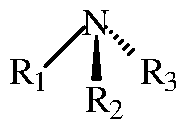
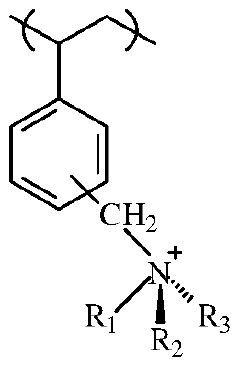
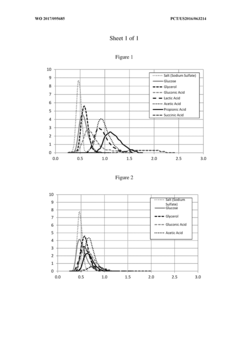
- Chromatographic separation using a strong base anion exchange resin, specifically a gel-type, Type I resin, to separate propionic acid from liquid feed mixtures containing various organic acids, alcohols, and carbohydrates, effectively addressing the limitations of existing methods.
Novel method for the topical application of veterinary agents
PatentWO2016001216A1
Innovation
- A method of sequential topical application of veterinary compounds, where an initial dose representing up to 65% of the total dose is followed by multiple maintenance doses, ensuring precise control and prolonged efficacy without side effects, using devices like pipettes or collars for controlled delivery.

Regulatory Framework for Veterinary Drugs
The regulatory framework for veterinary drugs plays a crucial role in ensuring the safe and effective use of propionic acid in veterinary medicine. In the United States, the Food and Drug Administration (FDA) is the primary regulatory body responsible for overseeing the approval, manufacturing, and distribution of veterinary drugs, including those containing propionic acid.
The FDA's Center for Veterinary Medicine (CVM) is specifically tasked with evaluating the safety and efficacy of veterinary drugs. For propionic acid and its derivatives to be used in veterinary medicine, they must undergo a rigorous approval process. This process includes submitting a New Animal Drug Application (NADA) or an Abbreviated New Animal Drug Application (ANADA) for generic versions.
The approval process involves extensive safety and efficacy studies, including target animal safety, human food safety (for food-producing animals), and environmental impact assessments. Manufacturers must demonstrate that the drug is safe for the intended animal species, does not pose a risk to human health through food residues, and does not have adverse effects on the environment.
In the European Union, the European Medicines Agency (EMA) oversees the evaluation and monitoring of veterinary medicines. The Committee for Medicinal Products for Veterinary Use (CVMP) is responsible for conducting scientific assessments of marketing authorization applications for veterinary medicines. Similar to the FDA, the EMA requires comprehensive data on quality, safety, and efficacy before granting approval for veterinary use.
Globally, the World Organisation for Animal Health (OIE) provides guidelines and standards for veterinary drugs, including antimicrobials like propionic acid. These international standards help harmonize regulations across countries and facilitate trade while ensuring animal health and welfare.
Post-approval, regulatory agencies continue to monitor the safety and efficacy of veterinary drugs through pharmacovigilance programs. These programs collect and analyze adverse event reports, allowing for the detection of potential safety issues that may not have been apparent during pre-market studies.
Regulatory frameworks also address the issue of antimicrobial resistance, which is of particular concern with the use of organic acids like propionic acid in veterinary medicine. Many countries have implemented regulations to promote responsible use of antimicrobials in animals, including restrictions on their use for growth promotion and requirements for veterinary prescription.
In conclusion, the regulatory framework for veterinary drugs ensures that propionic acid and other veterinary medicines meet stringent safety and efficacy standards before and after market approval. This comprehensive approach helps protect animal health, food safety, and public health while supporting the development of innovative veterinary treatments.
The FDA's Center for Veterinary Medicine (CVM) is specifically tasked with evaluating the safety and efficacy of veterinary drugs. For propionic acid and its derivatives to be used in veterinary medicine, they must undergo a rigorous approval process. This process includes submitting a New Animal Drug Application (NADA) or an Abbreviated New Animal Drug Application (ANADA) for generic versions.
The approval process involves extensive safety and efficacy studies, including target animal safety, human food safety (for food-producing animals), and environmental impact assessments. Manufacturers must demonstrate that the drug is safe for the intended animal species, does not pose a risk to human health through food residues, and does not have adverse effects on the environment.
In the European Union, the European Medicines Agency (EMA) oversees the evaluation and monitoring of veterinary medicines. The Committee for Medicinal Products for Veterinary Use (CVMP) is responsible for conducting scientific assessments of marketing authorization applications for veterinary medicines. Similar to the FDA, the EMA requires comprehensive data on quality, safety, and efficacy before granting approval for veterinary use.
Globally, the World Organisation for Animal Health (OIE) provides guidelines and standards for veterinary drugs, including antimicrobials like propionic acid. These international standards help harmonize regulations across countries and facilitate trade while ensuring animal health and welfare.
Post-approval, regulatory agencies continue to monitor the safety and efficacy of veterinary drugs through pharmacovigilance programs. These programs collect and analyze adverse event reports, allowing for the detection of potential safety issues that may not have been apparent during pre-market studies.
Regulatory frameworks also address the issue of antimicrobial resistance, which is of particular concern with the use of organic acids like propionic acid in veterinary medicine. Many countries have implemented regulations to promote responsible use of antimicrobials in animals, including restrictions on their use for growth promotion and requirements for veterinary prescription.
In conclusion, the regulatory framework for veterinary drugs ensures that propionic acid and other veterinary medicines meet stringent safety and efficacy standards before and after market approval. This comprehensive approach helps protect animal health, food safety, and public health while supporting the development of innovative veterinary treatments.
Environmental Impact Assessment
The use of propionic acid in veterinary medicine has significant environmental implications that warrant careful consideration. As a feed additive and preservative, propionic acid can impact various aspects of the ecosystem, both directly and indirectly.
One of the primary environmental concerns is the potential for propionic acid to enter water systems through animal waste runoff. When used in livestock feed, a portion of the acid may be excreted in animal manure. If not properly managed, this can lead to contamination of surface and groundwater, potentially affecting aquatic ecosystems and drinking water sources.
Soil quality is another area of environmental impact. The application of propionic acid-treated manure to agricultural land may alter soil pH levels, potentially affecting soil microbial communities and plant growth. However, the extent of this impact depends on factors such as application rates, soil type, and local environmental conditions.
The production of propionic acid itself has environmental implications. Industrial synthesis of the acid typically involves petrochemical processes, which contribute to greenhouse gas emissions and resource depletion. As the demand for propionic acid in veterinary applications increases, so does the environmental footprint associated with its production.
On the positive side, the use of propionic acid as a feed preservative can help reduce food waste in the livestock industry. By preventing mold growth and spoilage, it extends the shelf life of animal feed, potentially reducing the overall environmental impact of feed production and transportation.
The impact on air quality should also be considered. Propionic acid has a strong, pungent odor that can contribute to local air pollution, particularly in areas with high concentrations of livestock facilities. This can affect both human and animal well-being in surrounding communities.
Biodegradability is a key factor in assessing the long-term environmental impact of propionic acid. While it is generally considered biodegradable, the rate of degradation can vary depending on environmental conditions. In anaerobic environments, such as in manure pits or poorly managed waste systems, degradation may be slower, potentially leading to accumulation.
The use of propionic acid may also indirectly affect wildlife populations. Changes in soil and water chemistry due to acid runoff could impact local flora and fauna, potentially altering ecosystem dynamics. However, more research is needed to fully understand these long-term ecological effects.
As the veterinary use of propionic acid continues to evolve, ongoing environmental monitoring and assessment will be crucial. Developing more sustainable production methods, improving waste management practices, and optimizing application rates are key areas for minimizing the environmental footprint of this important veterinary tool.
One of the primary environmental concerns is the potential for propionic acid to enter water systems through animal waste runoff. When used in livestock feed, a portion of the acid may be excreted in animal manure. If not properly managed, this can lead to contamination of surface and groundwater, potentially affecting aquatic ecosystems and drinking water sources.
Soil quality is another area of environmental impact. The application of propionic acid-treated manure to agricultural land may alter soil pH levels, potentially affecting soil microbial communities and plant growth. However, the extent of this impact depends on factors such as application rates, soil type, and local environmental conditions.
The production of propionic acid itself has environmental implications. Industrial synthesis of the acid typically involves petrochemical processes, which contribute to greenhouse gas emissions and resource depletion. As the demand for propionic acid in veterinary applications increases, so does the environmental footprint associated with its production.
On the positive side, the use of propionic acid as a feed preservative can help reduce food waste in the livestock industry. By preventing mold growth and spoilage, it extends the shelf life of animal feed, potentially reducing the overall environmental impact of feed production and transportation.
The impact on air quality should also be considered. Propionic acid has a strong, pungent odor that can contribute to local air pollution, particularly in areas with high concentrations of livestock facilities. This can affect both human and animal well-being in surrounding communities.
Biodegradability is a key factor in assessing the long-term environmental impact of propionic acid. While it is generally considered biodegradable, the rate of degradation can vary depending on environmental conditions. In anaerobic environments, such as in manure pits or poorly managed waste systems, degradation may be slower, potentially leading to accumulation.
The use of propionic acid may also indirectly affect wildlife populations. Changes in soil and water chemistry due to acid runoff could impact local flora and fauna, potentially altering ecosystem dynamics. However, more research is needed to fully understand these long-term ecological effects.
As the veterinary use of propionic acid continues to evolve, ongoing environmental monitoring and assessment will be crucial. Developing more sustainable production methods, improving waste management practices, and optimizing application rates are key areas for minimizing the environmental footprint of this important veterinary tool.
Unlock deeper insights with PatSnap Eureka Quick Research — get a full tech report to explore trends and direct your research. Try now!
Generate Your Research Report Instantly with AI Agent
Supercharge your innovation with PatSnap Eureka AI Agent Platform!