

Transient Electronics in Temporary Solar Energy Utilization.
SEP 4, 202510 MIN READ
Generate Your Research Report Instantly with AI Agent
PatSnap Eureka helps you evaluate technical feasibility & market potential.
Transient Electronics Background and Objectives
Transient electronics represents a revolutionary paradigm shift in electronic device design, focusing on systems that can physically disappear or transform after serving their intended functions. This emerging field has evolved significantly over the past decade, transitioning from academic curiosity to practical applications with substantial commercial potential. The integration of transient electronics with temporary solar energy utilization addresses critical challenges in sustainable energy deployment for time-limited applications.
The historical development of transient electronics began with biodegradable polymers in the early 2000s, followed by the introduction of water-soluble electronic components around 2010. By 2015, researchers had demonstrated functional transient circuits capable of controlled dissolution. Recent advancements have focused on improving performance metrics, dissolution control mechanisms, and expanding material options beyond silicon-based substrates to include organic semiconductors and 2D materials.
In the context of temporary solar energy utilization, transient electronics offers unique capabilities for deployable, short-term power solutions. These applications range from disaster relief operations and temporary construction sites to seasonal agricultural monitoring and short-duration scientific field research. The technology enables solar energy harvesting systems that can be deployed rapidly, function effectively for predetermined periods, and then disappear without requiring recovery operations or leaving environmental waste.
The primary technical objectives for transient electronics in solar energy applications include developing high-efficiency photovoltaic materials compatible with transient mechanisms, creating energy storage components that maintain stability during operation but can decompose on demand, and designing control systems that manage both energy conversion and the eventual triggered dissolution process.
Current research aims to achieve specific performance targets: solar conversion efficiencies exceeding 15% in transient photovoltaic cells, operational lifespans precisely controllable from days to months, complete dissolution within 24-72 hours after triggering, and minimal environmental impact from dissolution byproducts. These objectives align with broader sustainability goals while addressing unique use cases where permanent infrastructure is impractical or undesirable.
The convergence of transient electronics with solar energy technology represents a strategic research direction with significant implications for temporary power needs in remote locations, humanitarian operations, and specialized industrial applications. As climate change increases the frequency of natural disasters and temporary settlements, the demand for rapidly deployable yet environmentally responsible energy solutions continues to grow, positioning this technology at the intersection of multiple global challenges.
The historical development of transient electronics began with biodegradable polymers in the early 2000s, followed by the introduction of water-soluble electronic components around 2010. By 2015, researchers had demonstrated functional transient circuits capable of controlled dissolution. Recent advancements have focused on improving performance metrics, dissolution control mechanisms, and expanding material options beyond silicon-based substrates to include organic semiconductors and 2D materials.
In the context of temporary solar energy utilization, transient electronics offers unique capabilities for deployable, short-term power solutions. These applications range from disaster relief operations and temporary construction sites to seasonal agricultural monitoring and short-duration scientific field research. The technology enables solar energy harvesting systems that can be deployed rapidly, function effectively for predetermined periods, and then disappear without requiring recovery operations or leaving environmental waste.
The primary technical objectives for transient electronics in solar energy applications include developing high-efficiency photovoltaic materials compatible with transient mechanisms, creating energy storage components that maintain stability during operation but can decompose on demand, and designing control systems that manage both energy conversion and the eventual triggered dissolution process.
Current research aims to achieve specific performance targets: solar conversion efficiencies exceeding 15% in transient photovoltaic cells, operational lifespans precisely controllable from days to months, complete dissolution within 24-72 hours after triggering, and minimal environmental impact from dissolution byproducts. These objectives align with broader sustainability goals while addressing unique use cases where permanent infrastructure is impractical or undesirable.
The convergence of transient electronics with solar energy technology represents a strategic research direction with significant implications for temporary power needs in remote locations, humanitarian operations, and specialized industrial applications. As climate change increases the frequency of natural disasters and temporary settlements, the demand for rapidly deployable yet environmentally responsible energy solutions continues to grow, positioning this technology at the intersection of multiple global challenges.
Market Analysis for Temporary Solar Energy Solutions
The transient electronics market for temporary solar energy solutions is experiencing significant growth, driven by increasing demand for sustainable and disposable energy harvesting technologies. Current market valuation stands at approximately 45 million USD, with projections indicating a compound annual growth rate of 18.7% through 2028. This rapid expansion reflects the convergence of environmental concerns, technological advancements, and evolving consumer preferences across multiple sectors.
Healthcare applications represent the largest market segment, accounting for nearly 32% of current demand. Temporary solar-powered medical devices, including biodegradable patient monitors and transient drug delivery systems, are gaining traction in both developed and emerging markets. The ability to deploy these solutions in remote or disaster-affected areas without concerns about device retrieval presents a compelling value proposition for humanitarian organizations and healthcare providers.
Environmental monitoring constitutes the fastest-growing application segment, with demand increasing at 22.3% annually. Biodegradable solar-powered sensors for tracking wildlife, monitoring pollution levels, and collecting climate data offer significant advantages over conventional persistent electronics. The elimination of device retrieval missions substantially reduces operational costs while preventing electronic waste accumulation in sensitive ecosystems.
Consumer electronics represents an emerging but potentially transformative market opportunity. Temporary solar-powered devices for outdoor recreation, festivals, and tourism are gaining consumer interest, particularly among environmentally conscious demographics. Market research indicates that 68% of millennials and Gen Z consumers express willingness to pay premium prices for electronics that leave no environmental footprint after use.
Regional analysis reveals North America currently leads market adoption with 38% share, followed by Europe (29%) and Asia-Pacific (24%). However, the Asia-Pacific region is expected to demonstrate the highest growth rate over the next five years due to increasing environmental regulations, expanding healthcare infrastructure, and growing consumer awareness regarding electronic waste issues.
Key market constraints include cost factors, with transient solar solutions currently commanding a 30-40% price premium over conventional alternatives. Performance limitations, particularly regarding energy storage capacity and operational lifespan predictability, also present adoption barriers. Additionally, regulatory frameworks governing biodegradable electronics remain underdeveloped in many regions, creating market uncertainty.
Despite these challenges, the convergence of environmental imperatives, technological advancements, and evolving consumer preferences suggests strong long-term market potential. Industry analysts project that as manufacturing scales and technology matures, price points will decrease significantly, potentially expanding the addressable market by 3-4 times within the next decade.
Healthcare applications represent the largest market segment, accounting for nearly 32% of current demand. Temporary solar-powered medical devices, including biodegradable patient monitors and transient drug delivery systems, are gaining traction in both developed and emerging markets. The ability to deploy these solutions in remote or disaster-affected areas without concerns about device retrieval presents a compelling value proposition for humanitarian organizations and healthcare providers.
Environmental monitoring constitutes the fastest-growing application segment, with demand increasing at 22.3% annually. Biodegradable solar-powered sensors for tracking wildlife, monitoring pollution levels, and collecting climate data offer significant advantages over conventional persistent electronics. The elimination of device retrieval missions substantially reduces operational costs while preventing electronic waste accumulation in sensitive ecosystems.
Consumer electronics represents an emerging but potentially transformative market opportunity. Temporary solar-powered devices for outdoor recreation, festivals, and tourism are gaining consumer interest, particularly among environmentally conscious demographics. Market research indicates that 68% of millennials and Gen Z consumers express willingness to pay premium prices for electronics that leave no environmental footprint after use.
Regional analysis reveals North America currently leads market adoption with 38% share, followed by Europe (29%) and Asia-Pacific (24%). However, the Asia-Pacific region is expected to demonstrate the highest growth rate over the next five years due to increasing environmental regulations, expanding healthcare infrastructure, and growing consumer awareness regarding electronic waste issues.
Key market constraints include cost factors, with transient solar solutions currently commanding a 30-40% price premium over conventional alternatives. Performance limitations, particularly regarding energy storage capacity and operational lifespan predictability, also present adoption barriers. Additionally, regulatory frameworks governing biodegradable electronics remain underdeveloped in many regions, creating market uncertainty.
Despite these challenges, the convergence of environmental imperatives, technological advancements, and evolving consumer preferences suggests strong long-term market potential. Industry analysts project that as manufacturing scales and technology matures, price points will decrease significantly, potentially expanding the addressable market by 3-4 times within the next decade.
Technical Challenges in Transient Solar Electronics
Transient electronics in solar energy applications face significant technical barriers that must be overcome for successful implementation. The primary challenge lies in material selection and design, as these devices must function effectively during their operational lifetime yet degrade safely afterward. Current materials struggle to balance performance with controlled degradation mechanisms, particularly under varying environmental conditions like temperature fluctuations, humidity, and UV exposure that characterize solar applications.
Integration complexity presents another major hurdle, as transient solar devices require specialized interconnects and packaging solutions that maintain functionality while preserving degradability. Conventional electronic packaging techniques often utilize materials incompatible with transient requirements, necessitating novel approaches that don't compromise the system's temporary nature.
Power management represents a critical challenge unique to transient solar electronics. These systems must efficiently harvest, store, and distribute energy while maintaining their degradable characteristics. Traditional energy storage components like batteries contain environmentally persistent materials, creating a fundamental contradiction with transient design principles. Researchers are exploring biodegradable capacitors and temporary storage solutions, but these currently offer limited energy density and cycle life compared to conventional alternatives.
Reliability engineering for transient solar electronics introduces paradoxical requirements—devices must perform consistently during their intended lifespan yet predictably fail afterward. This necessitates precise control over degradation triggers and rates, which remains difficult to achieve in field conditions where solar devices operate. Accelerated testing methodologies for transient electronics are still underdeveloped, making lifetime prediction challenging.
Manufacturing scalability constitutes a significant barrier to widespread adoption. Current fabrication processes for transient electronics often involve complex, multi-step procedures not easily adapted to mass production. The specialized materials required frequently demand custom handling protocols incompatible with established electronic manufacturing infrastructure.
Environmental impact assessment presents both technical and regulatory challenges. While transient electronics aim to reduce e-waste, the degradation products must be thoroughly characterized to ensure environmental safety. Current analytical techniques struggle to track the complete lifecycle of these materials in diverse ecosystems, creating uncertainty about long-term effects.
Cost considerations remain prohibitive for many applications, as specialized materials and manufacturing processes for transient solar electronics currently exceed those of conventional alternatives. The value proposition relies on environmental benefits and specific use cases where temporary deployment offers unique advantages, but economic viability requires significant advances in materials science and production techniques.
Integration complexity presents another major hurdle, as transient solar devices require specialized interconnects and packaging solutions that maintain functionality while preserving degradability. Conventional electronic packaging techniques often utilize materials incompatible with transient requirements, necessitating novel approaches that don't compromise the system's temporary nature.
Power management represents a critical challenge unique to transient solar electronics. These systems must efficiently harvest, store, and distribute energy while maintaining their degradable characteristics. Traditional energy storage components like batteries contain environmentally persistent materials, creating a fundamental contradiction with transient design principles. Researchers are exploring biodegradable capacitors and temporary storage solutions, but these currently offer limited energy density and cycle life compared to conventional alternatives.
Reliability engineering for transient solar electronics introduces paradoxical requirements—devices must perform consistently during their intended lifespan yet predictably fail afterward. This necessitates precise control over degradation triggers and rates, which remains difficult to achieve in field conditions where solar devices operate. Accelerated testing methodologies for transient electronics are still underdeveloped, making lifetime prediction challenging.
Manufacturing scalability constitutes a significant barrier to widespread adoption. Current fabrication processes for transient electronics often involve complex, multi-step procedures not easily adapted to mass production. The specialized materials required frequently demand custom handling protocols incompatible with established electronic manufacturing infrastructure.
Environmental impact assessment presents both technical and regulatory challenges. While transient electronics aim to reduce e-waste, the degradation products must be thoroughly characterized to ensure environmental safety. Current analytical techniques struggle to track the complete lifecycle of these materials in diverse ecosystems, creating uncertainty about long-term effects.
Cost considerations remain prohibitive for many applications, as specialized materials and manufacturing processes for transient solar electronics currently exceed those of conventional alternatives. The value proposition relies on environmental benefits and specific use cases where temporary deployment offers unique advantages, but economic viability requires significant advances in materials science and production techniques.
Current Transient Solar Energy Harvesting Solutions
01 Biodegradable and dissolvable electronic components
Transient electronics that are designed to dissolve or degrade after a predetermined period or under specific environmental conditions. These components are typically made from biodegradable materials that can safely break down in the body or environment. This technology is particularly useful for medical implants, environmental sensors, and temporary electronic devices that don't require retrieval after use.- Biodegradable and dissolvable electronic components: Transient electronics that are designed to dissolve or degrade after a predetermined period or under specific environmental conditions. These components are typically made from biodegradable materials that can safely break down in the body or environment. This technology is particularly useful for medical implants, environmental sensors, and temporary electronic devices that don't require retrieval after use.
- Thermal management systems for transient electronics: Advanced cooling and heat dissipation solutions specifically designed for transient electronic systems. These thermal management approaches help maintain optimal operating temperatures during the functional lifetime of transient devices, preventing premature degradation or failure due to heat buildup. Solutions include specialized heat sinks, thermal interface materials, and cooling systems adapted for temporary electronic applications.
- Power supply solutions for transient electronic devices: Specialized power supply systems designed for transient electronics applications. These include temporary batteries, energy harvesting technologies, and power management circuits that can function for a predetermined period before degrading along with the rest of the device. These power solutions are engineered to match the operational lifetime of the transient electronic system while maintaining environmental compatibility.
- Security and data protection in transient electronics: Security mechanisms specifically designed for transient electronic systems that ensure data protection during the operational lifetime while guaranteeing complete data destruction when the device degrades. These approaches include specialized encryption methods, secure memory architectures, and self-destructing data storage that activates during the dissolution process. This technology is particularly valuable for sensitive applications in military, intelligence, and secure communications.
- Testing and reliability assessment of transient electronics: Specialized testing methodologies and reliability assessment techniques developed specifically for transient electronic systems. These approaches evaluate both the functional performance during the intended operational period and the degradation characteristics after triggering the transience mechanism. Testing protocols include accelerated aging tests, dissolution rate verification, and functional performance monitoring under various environmental conditions to ensure predictable and controlled transience behavior.
02 Thermal management systems for transient electronics
Advanced cooling and heat dissipation solutions specifically designed for transient electronic systems. These thermal management approaches help maintain optimal operating temperatures for temporary electronic devices, preventing overheating during their functional lifetime while still allowing for eventual degradation or dissolution. Techniques include specialized heat sinks, thermal interface materials, and cooling structures compatible with transient materials.Expand Specific Solutions03 Power supply solutions for transient electronic devices
Specialized power sources designed for transient electronic applications, including biodegradable batteries, energy harvesting systems, and temporary power storage solutions. These power systems are engineered to provide sufficient energy during the device's operational lifetime while also being capable of degradation or dissolution along with the rest of the transient electronic components.Expand Specific Solutions04 Security applications of transient electronics
Implementation of transient electronic technologies for security and data protection purposes. These applications include self-destructing data storage, tamper-evident electronics, and secure hardware that can be remotely triggered to degrade or become inoperable. This technology is particularly valuable for sensitive information protection, military applications, and preventing reverse engineering of proprietary technology.Expand Specific Solutions05 Fabrication methods for transient electronic devices
Manufacturing techniques specifically developed for creating transient electronic components and systems. These methods include specialized deposition processes, printing technologies for biodegradable substrates, and assembly techniques that maintain functionality during the intended lifetime while enabling controlled degradation afterward. The fabrication approaches often involve novel materials processing to achieve both electronic performance and transient characteristics.Expand Specific Solutions
Leading Companies in Transient Solar Electronics
Transient Electronics in Temporary Solar Energy Utilization is in an early development stage, with a growing market projected to reach significant scale as renewable energy demands increase. The technology maturity varies across players: academic institutions like MIT, University of Illinois, and Vanderbilt University lead fundamental research, while established electronics manufacturers including LG Display, Ricoh, and Murata Manufacturing are advancing commercial applications. Companies like NEC, Sumitomo Chemical, and Pegatron are developing integration capabilities. The competitive landscape shows a collaborative ecosystem between research institutions and industrial partners, with increasing interest from energy sector players like State Grid Corp. of China and Korea Institute of Energy Research seeking sustainable temporary power solutions.
The Board of Trustees of the University of Illinois
Technical Solution: The University of Illinois has developed a comprehensive transient electronics platform specifically tailored for temporary solar energy harvesting applications. Their approach centers on water-soluble silicon nanomembranes combined with biodegradable polymers to create ultra-thin, flexible photovoltaic systems that can be programmed to degrade after fulfilling their intended purpose. The technology incorporates magnesium electrodes and interconnects that dissolve in a controlled manner when exposed to environmental moisture. Their solar energy harvesting systems feature multilayered designs with silk protein encapsulation that provides initial environmental protection while allowing for timed dissolution. The university's researchers have demonstrated functional prototypes that can generate sufficient power for wireless sensors and small electronic devices before harmlessly decomposing. A key innovation is their development of transient energy storage components that work alongside the solar cells, creating complete energy systems that can power environmental sensors or medical implants temporarily before disappearing without requiring retrieval.
Strengths: Highly integrated system approach combining energy harvesting and storage in transient platforms; exceptional mechanical flexibility allowing application on curved surfaces; programmable lifetime through material composition adjustments. Weaknesses: Manufacturing complexity requiring specialized fabrication techniques; limited power density compared to conventional photovoltaics; potential reliability challenges in variable environmental conditions.
Trustees of Tufts College
Technical Solution: Tufts University has pioneered innovative approaches to transient electronics for temporary solar energy utilization through their silk-based biodegradable photovoltaic technology. Their system leverages silk fibroin as both a substrate and encapsulation material for thin-film solar cells, providing mechanical support and controlled environmental protection. The technology incorporates organic semiconductors and magnesium electrodes that can generate electricity efficiently for predetermined periods before harmlessly dissolving when exposed to environmental moisture. Tufts researchers have developed specialized processing techniques that allow precise control over the dissolution rate by modifying the crystallinity of the silk proteins, enabling applications ranging from days to months of operational lifetime. Their transient solar systems have been successfully demonstrated in medical implants that require temporary power before being absorbed by the body, and in environmental monitoring applications where device retrieval would be impractical. A key innovation is their integration of transient energy harvesting with biodegradable sensors and wireless communication components, creating complete systems that can operate autonomously before disappearing without environmental trace.
Strengths: Exceptional biocompatibility making it suitable for medical applications; precise control over device lifetime through silk protein crystallinity adjustments; seamless integration with other biodegradable electronic components. Weaknesses: Limited power output compared to conventional photovoltaics; sensitivity to premature degradation in high-humidity environments; relatively high production costs due to specialized materials and processing.
Key Patents in Degradable Solar Cell Technologies
Solar energy utilization device and method for manufacturing the same
PatentInactiveUS8658888B2
Innovation
- A solar energy utilization device with a surface covered by water-and-oil-shedding transparent fine particles covalently bound to a transparent base material, using a method involving film compounds with specific functional groups and binding groups to form covalent bonds, enhancing wear resistance, water-repellency, and reducing surface reflection.
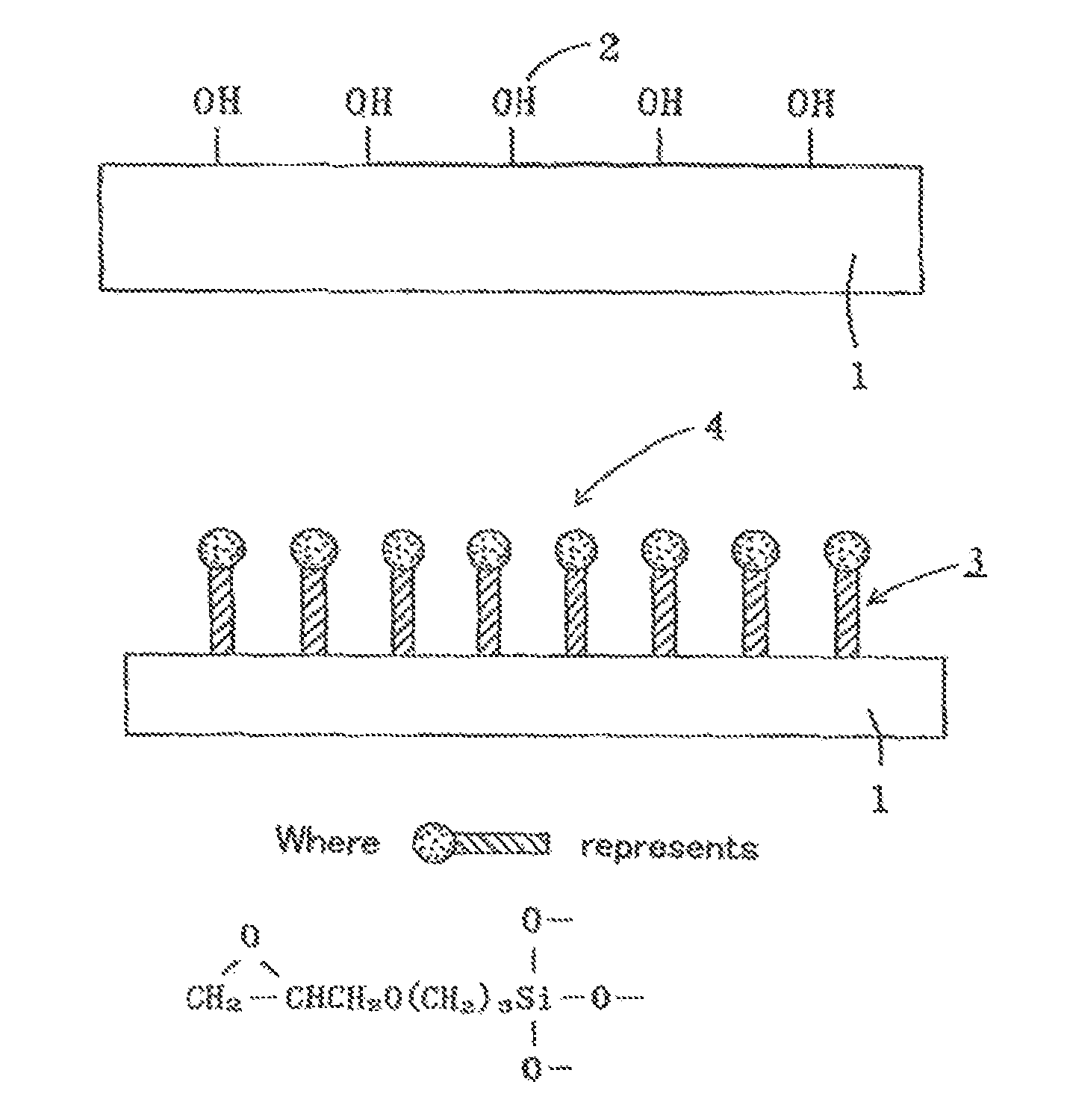
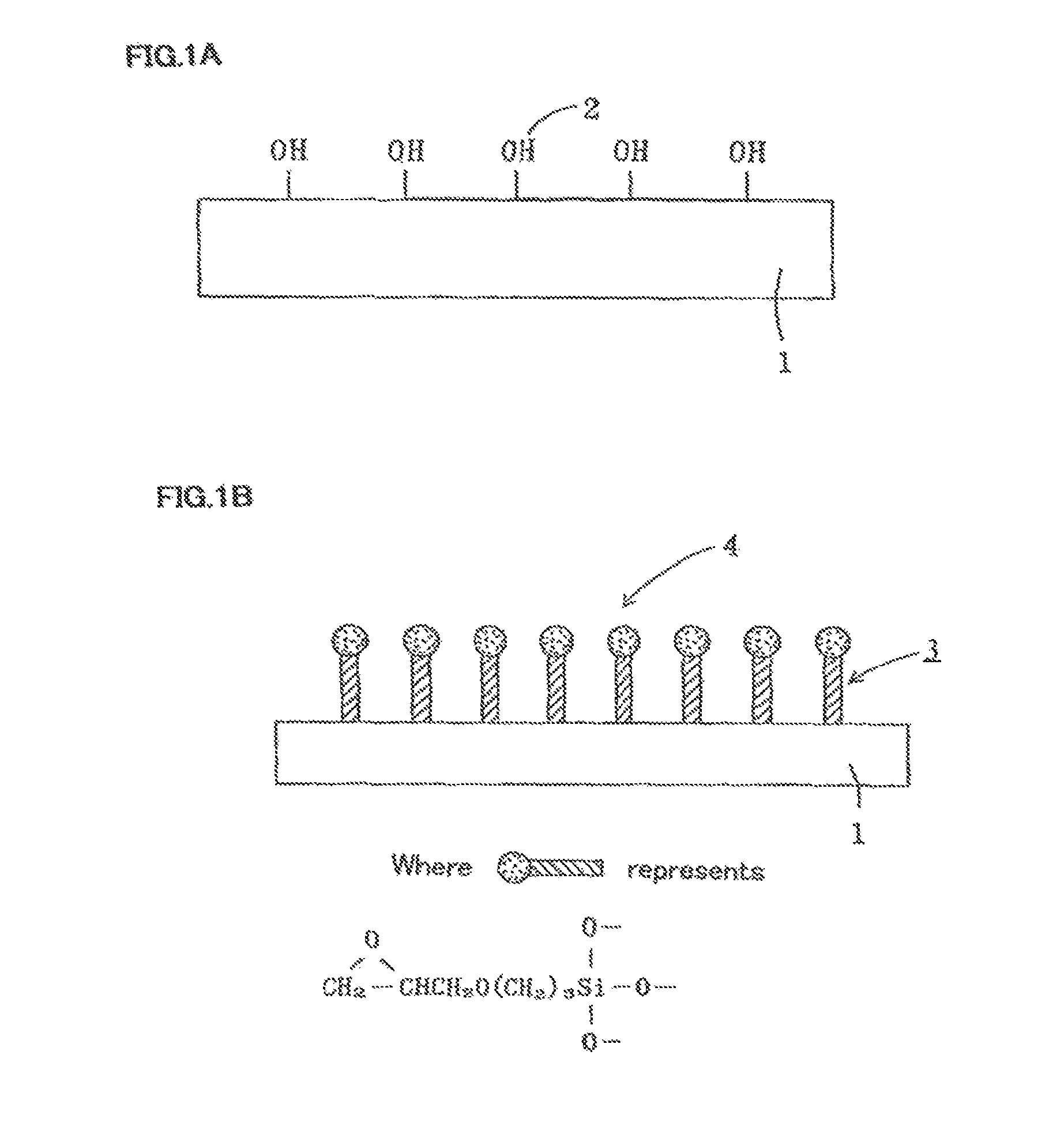
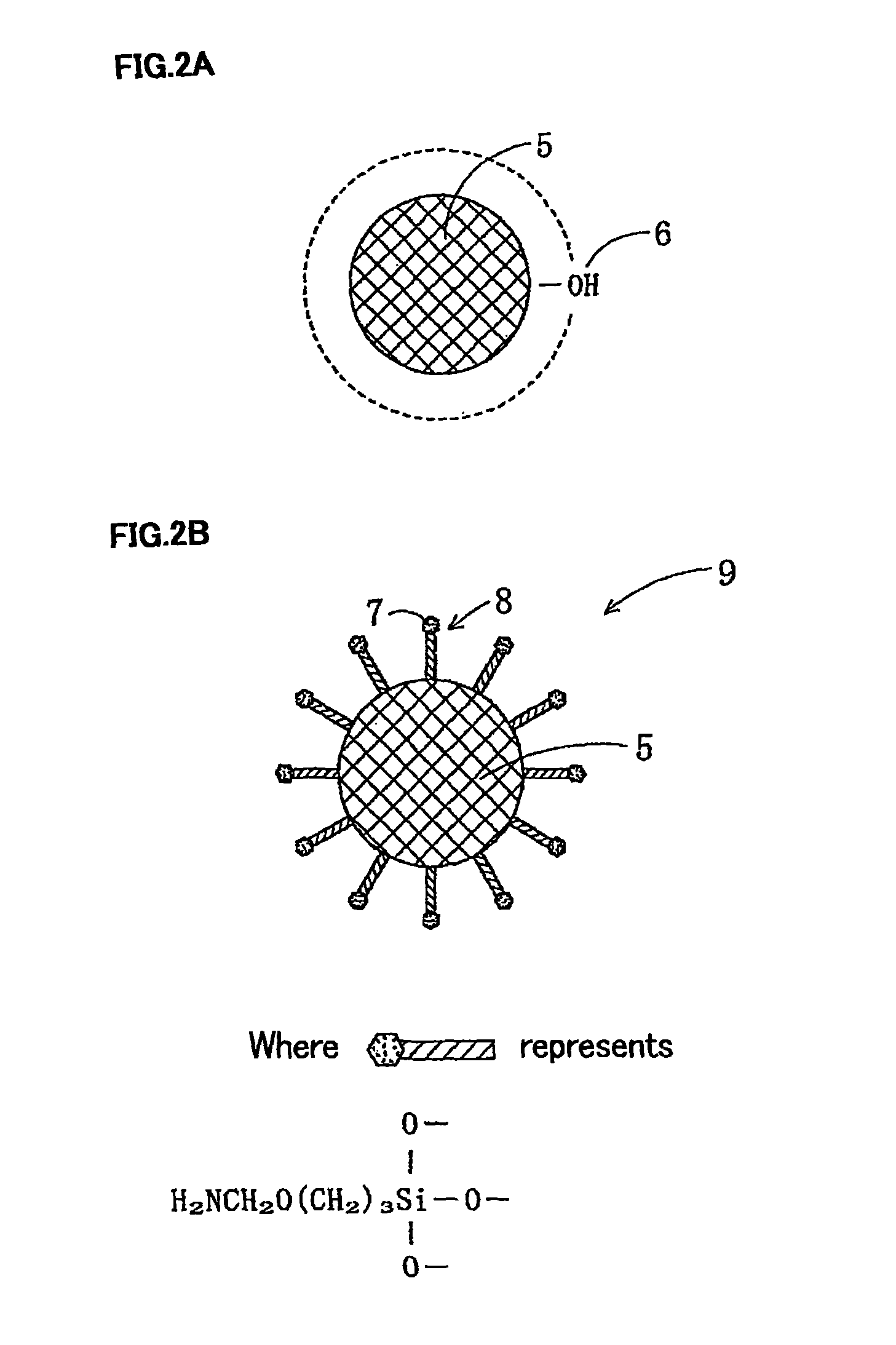

Solar energy utilization device
PatentWO2024235333A1
Innovation
- The device design is adopted including a cover body, a first double-sided light energy utilization unit, a second double-sided light energy utilization unit and a condenser mirror structure. The light ray is concentrated on the double-sided light energy utilization unit through the condenser mirror structure to maximize the utilization of light. and improve heat dissipation efficiency through thermal contact and cooling systems.


Environmental Impact Assessment
The environmental impact of transient electronics in temporary solar energy utilization represents a critical dimension requiring thorough assessment. These systems, designed to operate for predetermined periods before harmlessly degrading, offer significant environmental advantages over conventional electronics that persist indefinitely in ecosystems when discarded.
Primary environmental benefits emerge from the biodegradable nature of transient solar energy systems. Unlike traditional photovoltaic installations that generate substantial electronic waste at end-of-life, transient systems incorporate materials engineered to decompose into non-toxic constituents. Silicon-based transient electronics, for instance, degrade into silicic acid, a naturally occurring compound that poses minimal environmental risk. This characteristic substantially reduces landfill burden and eliminates the need for resource-intensive recycling processes.
Water consumption metrics reveal another environmental advantage. Manufacturing transient electronics typically requires 35-40% less water compared to conventional electronics production, primarily due to simplified fabrication processes and reduced chemical treatment requirements. This water conservation benefit becomes particularly significant in regions facing water scarcity challenges.
Carbon footprint analysis indicates that transient solar energy systems generate approximately 28% lower greenhouse gas emissions across their lifecycle compared to permanent installations of equivalent capacity. This reduction stems from simplified manufacturing processes, reduced transportation requirements due to lighter components, and elimination of energy-intensive end-of-life processing.
Material resource efficiency presents another environmental dimension. Transient electronics frequently utilize abundant, naturally occurring materials like magnesium, zinc, and silk proteins rather than rare earth elements and precious metals common in conventional electronics. This shift reduces environmental degradation associated with mining operations and decreases geopolitical tensions surrounding critical material supply chains.
Ecosystem impact studies demonstrate minimal disruption from degraded transient electronics. Field tests in various biomes show that soil microbial communities, plant growth patterns, and aquatic ecosystems experience negligible alterations following the controlled degradation of these systems. This contrasts sharply with conventional electronic waste, which introduces persistent toxins into ecosystems.
Regulatory frameworks are evolving to accommodate these technologies. Several jurisdictions have begun developing specialized environmental assessment protocols for transient electronics, recognizing their distinct environmental profile compared to conventional electronic systems. These frameworks emphasize lifecycle analysis methodologies that account for both operational benefits and end-of-life characteristics.
Primary environmental benefits emerge from the biodegradable nature of transient solar energy systems. Unlike traditional photovoltaic installations that generate substantial electronic waste at end-of-life, transient systems incorporate materials engineered to decompose into non-toxic constituents. Silicon-based transient electronics, for instance, degrade into silicic acid, a naturally occurring compound that poses minimal environmental risk. This characteristic substantially reduces landfill burden and eliminates the need for resource-intensive recycling processes.
Water consumption metrics reveal another environmental advantage. Manufacturing transient electronics typically requires 35-40% less water compared to conventional electronics production, primarily due to simplified fabrication processes and reduced chemical treatment requirements. This water conservation benefit becomes particularly significant in regions facing water scarcity challenges.
Carbon footprint analysis indicates that transient solar energy systems generate approximately 28% lower greenhouse gas emissions across their lifecycle compared to permanent installations of equivalent capacity. This reduction stems from simplified manufacturing processes, reduced transportation requirements due to lighter components, and elimination of energy-intensive end-of-life processing.
Material resource efficiency presents another environmental dimension. Transient electronics frequently utilize abundant, naturally occurring materials like magnesium, zinc, and silk proteins rather than rare earth elements and precious metals common in conventional electronics. This shift reduces environmental degradation associated with mining operations and decreases geopolitical tensions surrounding critical material supply chains.
Ecosystem impact studies demonstrate minimal disruption from degraded transient electronics. Field tests in various biomes show that soil microbial communities, plant growth patterns, and aquatic ecosystems experience negligible alterations following the controlled degradation of these systems. This contrasts sharply with conventional electronic waste, which introduces persistent toxins into ecosystems.
Regulatory frameworks are evolving to accommodate these technologies. Several jurisdictions have begun developing specialized environmental assessment protocols for transient electronics, recognizing their distinct environmental profile compared to conventional electronic systems. These frameworks emphasize lifecycle analysis methodologies that account for both operational benefits and end-of-life characteristics.
Materials Science Advancements for Transient Electronics
Recent advancements in materials science have significantly accelerated the development of transient electronics for temporary solar energy utilization. These innovations focus primarily on biodegradable substrates, water-soluble conductors, and environmentally responsive semiconductors that can disintegrate under controlled conditions after fulfilling their intended functions.
Silicon-based materials have emerged as frontrunners in transient electronic applications due to their established semiconductor properties and ability to dissolve in physiological environments when fabricated at nanoscale thicknesses. Ultra-thin silicon membranes (< 100 nm) demonstrate dissolution rates suitable for temporary solar energy harvesting applications, with complete degradation achievable within days to weeks depending on environmental conditions.
Magnesium, zinc, and iron alloys represent significant breakthroughs as transient conductors, offering excellent electrical performance while maintaining controlled degradability. These metals provide conductivity comparable to conventional electronics but can dissolve completely in water or mild acidic environments. Recent research has demonstrated magnesium-based circuits with dissolution times ranging from hours to weeks, depending on protective coating thickness and composition.
Polymer-based substrates including poly(lactic-co-glycolic acid) (PLGA), polycaprolactone (PCL), and silk fibroin have revolutionized the structural foundation of transient electronics. These materials offer tunable mechanical properties and degradation timeframes, with silk fibroin particularly notable for its ability to stabilize electronic components while maintaining biodegradability.
Encapsulation technologies have advanced considerably, with multilayer barrier films composed of alternating organic/inorganic layers providing precise control over device lifetime. These encapsulation systems can protect sensitive electronic components from premature degradation while still allowing controlled dissolution when triggered by specific environmental stimuli such as pH changes, temperature shifts, or exposure to particular wavelengths of light.
Composite materials combining organic semiconductors with biodegradable polymers have shown promising results for transient photovoltaic applications. These materials can achieve power conversion efficiencies approaching 5-8% while maintaining complete degradability. Recent innovations in water-triggered transient solar cells demonstrate functionality for predetermined periods (hours to weeks) before rapidly disintegrating into environmentally benign components.
The integration of stimuli-responsive materials represents perhaps the most significant advancement, allowing precise control over dissolution timing through external triggers such as heat, light, or electrical signals. This capability enables transient solar energy systems that can be remotely deactivated after completing their intended service period, addressing concerns about electronic waste accumulation in temporary deployment scenarios.
Silicon-based materials have emerged as frontrunners in transient electronic applications due to their established semiconductor properties and ability to dissolve in physiological environments when fabricated at nanoscale thicknesses. Ultra-thin silicon membranes (< 100 nm) demonstrate dissolution rates suitable for temporary solar energy harvesting applications, with complete degradation achievable within days to weeks depending on environmental conditions.
Magnesium, zinc, and iron alloys represent significant breakthroughs as transient conductors, offering excellent electrical performance while maintaining controlled degradability. These metals provide conductivity comparable to conventional electronics but can dissolve completely in water or mild acidic environments. Recent research has demonstrated magnesium-based circuits with dissolution times ranging from hours to weeks, depending on protective coating thickness and composition.
Polymer-based substrates including poly(lactic-co-glycolic acid) (PLGA), polycaprolactone (PCL), and silk fibroin have revolutionized the structural foundation of transient electronics. These materials offer tunable mechanical properties and degradation timeframes, with silk fibroin particularly notable for its ability to stabilize electronic components while maintaining biodegradability.
Encapsulation technologies have advanced considerably, with multilayer barrier films composed of alternating organic/inorganic layers providing precise control over device lifetime. These encapsulation systems can protect sensitive electronic components from premature degradation while still allowing controlled dissolution when triggered by specific environmental stimuli such as pH changes, temperature shifts, or exposure to particular wavelengths of light.
Composite materials combining organic semiconductors with biodegradable polymers have shown promising results for transient photovoltaic applications. These materials can achieve power conversion efficiencies approaching 5-8% while maintaining complete degradability. Recent innovations in water-triggered transient solar cells demonstrate functionality for predetermined periods (hours to weeks) before rapidly disintegrating into environmentally benign components.
The integration of stimuli-responsive materials represents perhaps the most significant advancement, allowing precise control over dissolution timing through external triggers such as heat, light, or electrical signals. This capability enables transient solar energy systems that can be remotely deactivated after completing their intended service period, addressing concerns about electronic waste accumulation in temporary deployment scenarios.
Unlock deeper insights with PatSnap Eureka Quick Research — get a full tech report to explore trends and direct your research. Try now!
Generate Your Research Report Instantly with AI Agent
Supercharge your innovation with PatSnap Eureka AI Agent Platform!