

Qualitative analysis method for chemical compositions in white wine sediments
A technology of chemical composition and qualitative analysis, which is applied in the field of qualitative analysis of chemical composition in liquor sediment, can solve the problems of small amount of sediment, inability to comprehensively analyze the chemical composition of liquor sediment, sediment enrichment, separation difficulties, etc., to achieve The effect of accurate analysis results, improvement of liquor quality, and broad application prospects
- Summary
- Abstract
- Description
- Claims
- Application Information
AI Technical Summary
Problems solved by technology
Method used
Image


Examples
Embodiment Construction
[0020] The qualitative analysis method of chemical composition in liquor sediment of the present invention comprises the steps:
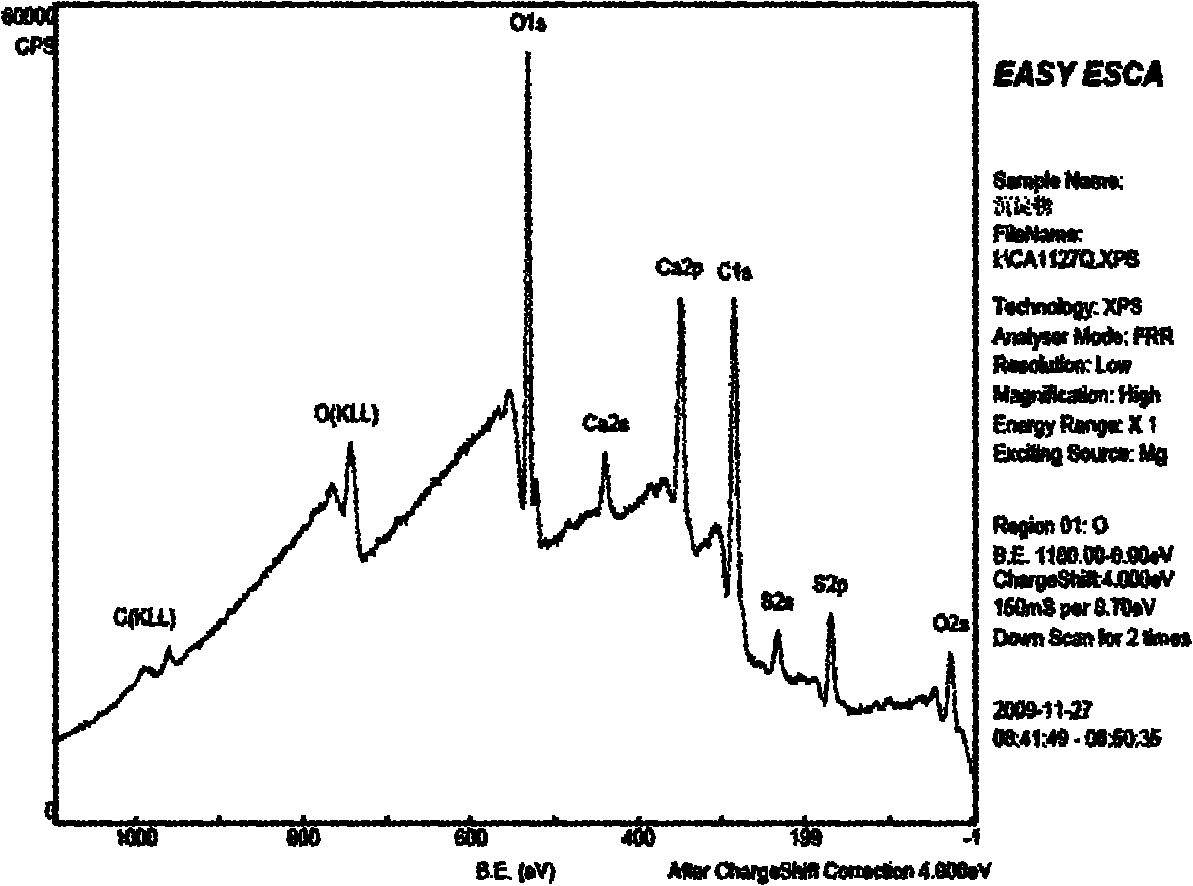
[0021] a. Preliminary analysis: measure the ion content in the wine sample before and after precipitation, and determine the elemental composition of the precipitate; combine the ion content change data of the wine sample before and after precipitation and the elemental composition of the precipitate to preliminarily confirm the ion content in the precipitate ion composition;
[0022] b. Confirmation analysis: use the compound structure analysis method to analyze the structure of the compound in the precipitate, and combine the preliminary analysis results of step a to confirm the chemical composition in the precipitate.
[0023] Further, in order to facilitate the initial confirmation of the ion composition in the sediment, the appearance of the liquor sediment is also analyzed during the preliminary analysis in step a, according to the color and s...
PUM
| Property | Measurement | Unit |
|---|---|---|
| pore size | aaaaa | aaaaa |
Abstract
Description
Claims
Application Information
 Login to View More