

Universal read-write machine communicating method based on EPC read-write machine specification
A reader-writer, protocol technology, applied in instruments, inductive record carriers, electrical components, etc., to reduce difficulties, ensure seamless integration, and achieve the effect of versatility
Patent Information
- Authority / Receiving Office
- CN · China
- Patent Type
- Patents(China)
- Current Assignee / Owner
- Publication Date
- 2011-03-16
- Estimated Expiration
- Not applicable · inactive patent
Smart Images
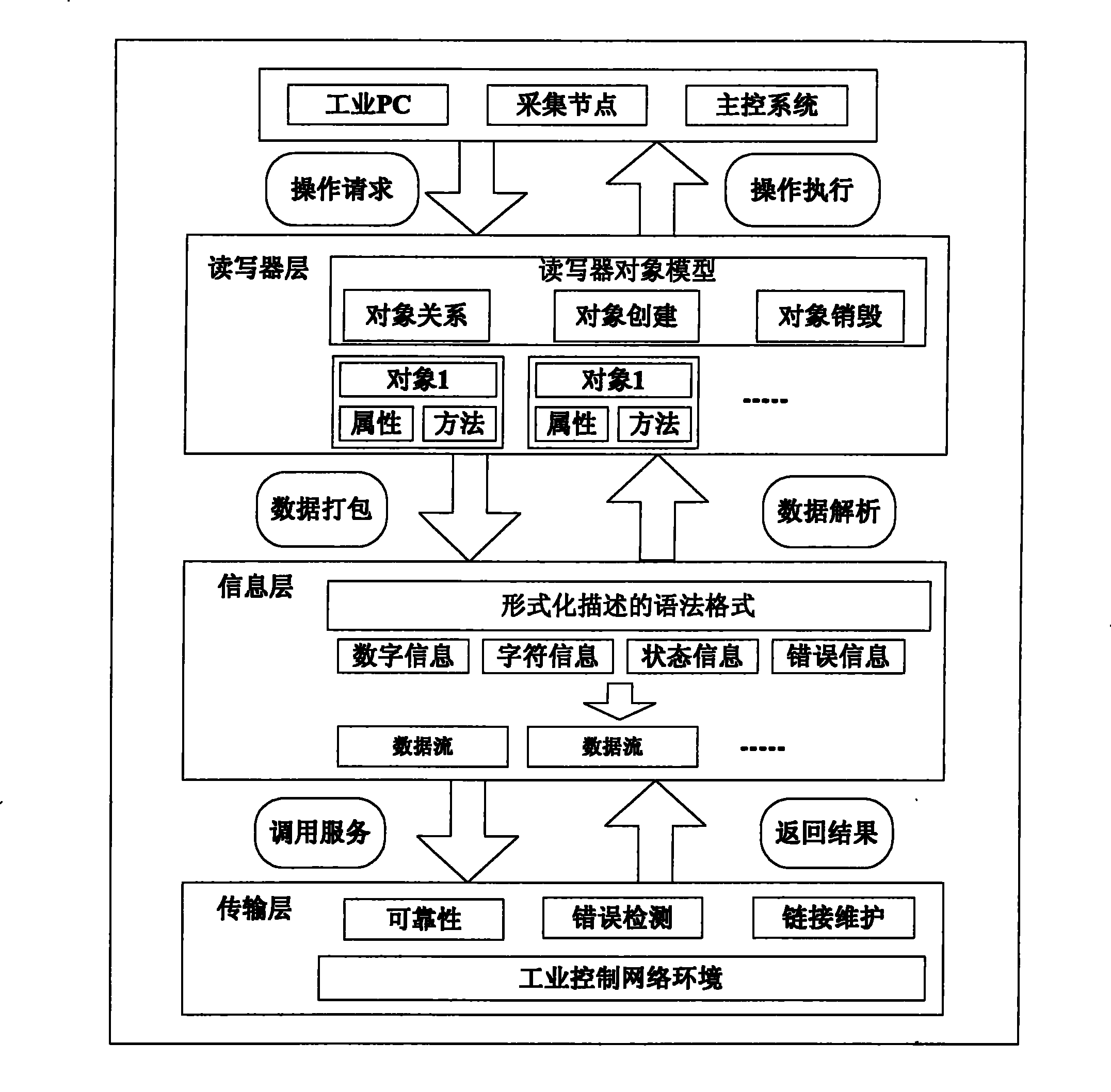
Figure 1 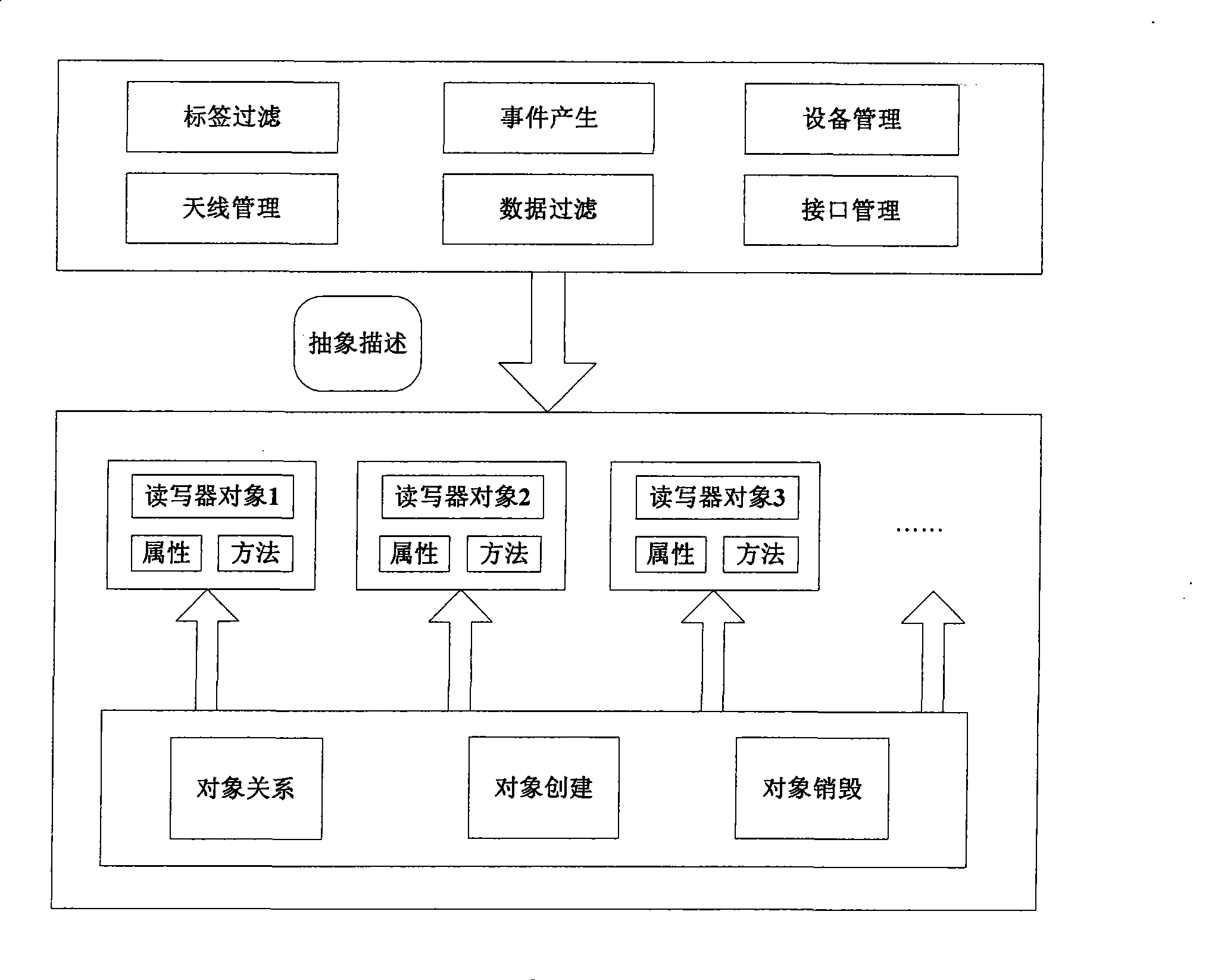
Figure 2 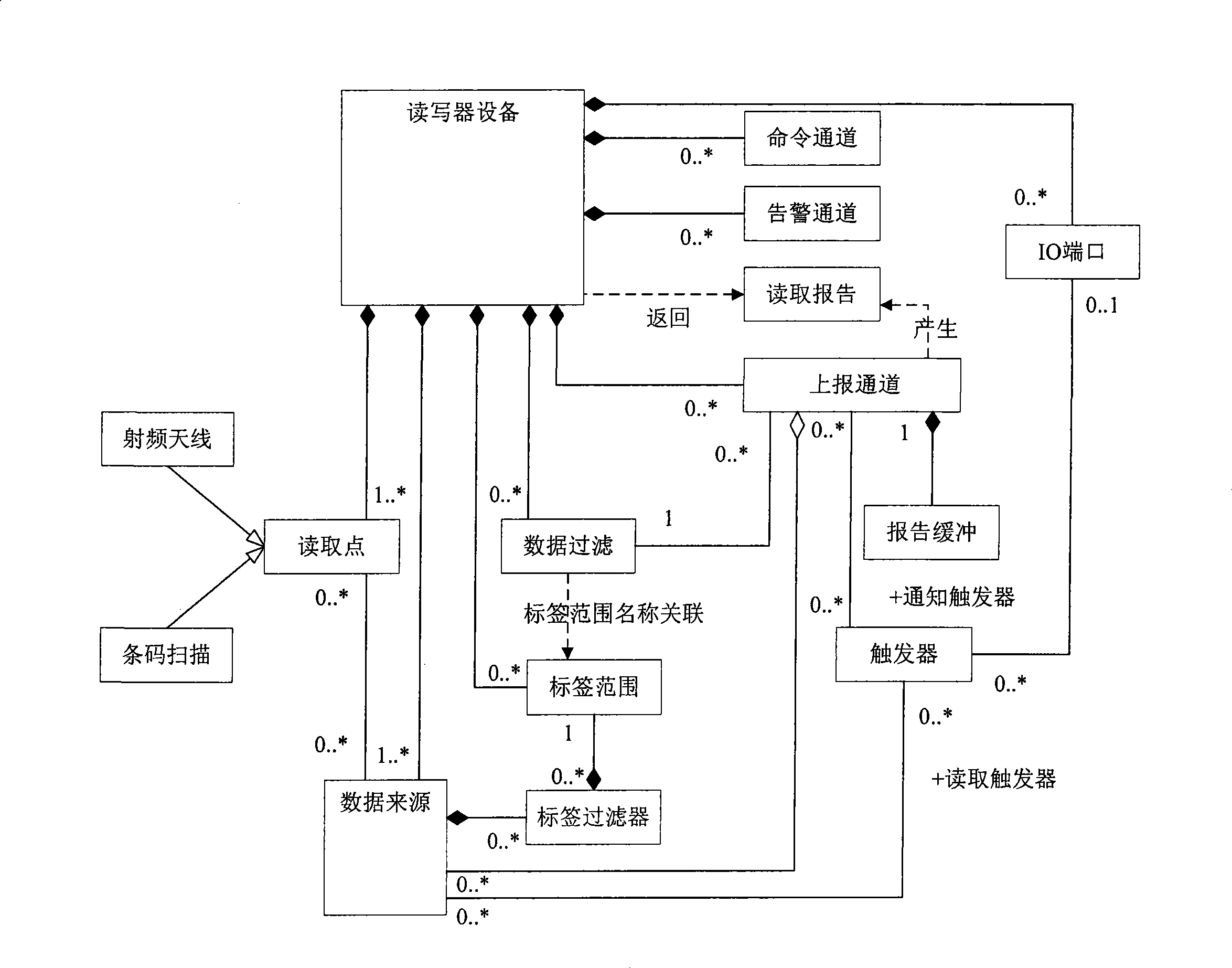
Figure 3
Abstract
Description
technical field
[0001] The invention relates to a general RFID reader-writer communication method, in particular to a general RFID reader-writer communication method based on EPC protocol. Background technique
[0002] Radio Frequency Identification (RFID) is a non-contact automatic identification technology. It automatically identifies the target object and obtains relevant data through radio frequency signals. The identification work does not require manual intervention and can work in various harsh environments. From the perspective of the overall framework and application development of RFID, the core technology used to connect front-end RFID equipment with back-end enterprise application systems is becoming more and more important. For the actual deployment of RFID solutions, the ultimate goal is to collect data from various sources for business use. Users will first face how to connect front-end data with their back-end business systems, and secondly, how to ensure t...
Examples
Embodiment Construction
[0026] 1. The specific design of the reader layer
[0027] The functions of the reader layer are as follows:
[0028] (1) Specifying the content and abstract syntax format of the information exchanged between the reader and the host is the core of this protocol. This layer defines the operations performed by the reader and the meaning of the operations. The types of operations include tag filtering and event generation , device management, antenna management, data filtering and interface management, etc.;
[0029] (2) The reader-writer layer must describe the logical functions of the reader-writer communication protocol in detail and accurately between the host and the reader-writer, and must solve the interrelationships of various types of operations. The device must have a unified understanding of the operation of the reader. In order to further explain the types and interrelationships of various operations, the reader layer uses object modeling to describe the functions it...