
Imaging device and method thereof
An imaging device and imaging technology, applied in installation, instrument, glasses/goggles, etc.
Patent Information
- Authority / Receiving Office
- CN · China
- Patent Type
- Patents(China)
- Current Assignee / Owner
- Publication Date
- 2015-03-11
Smart Images
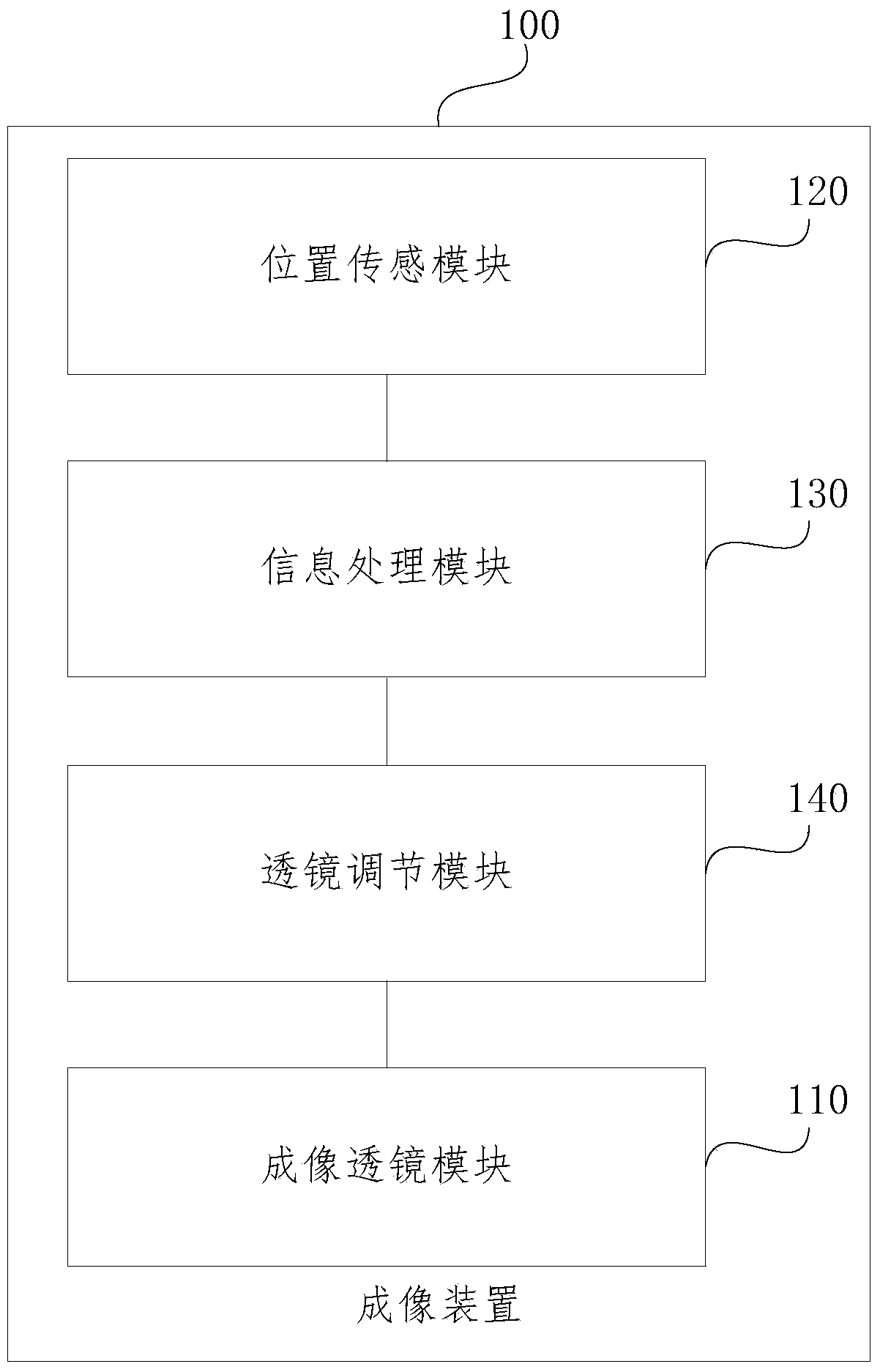
Figure 1 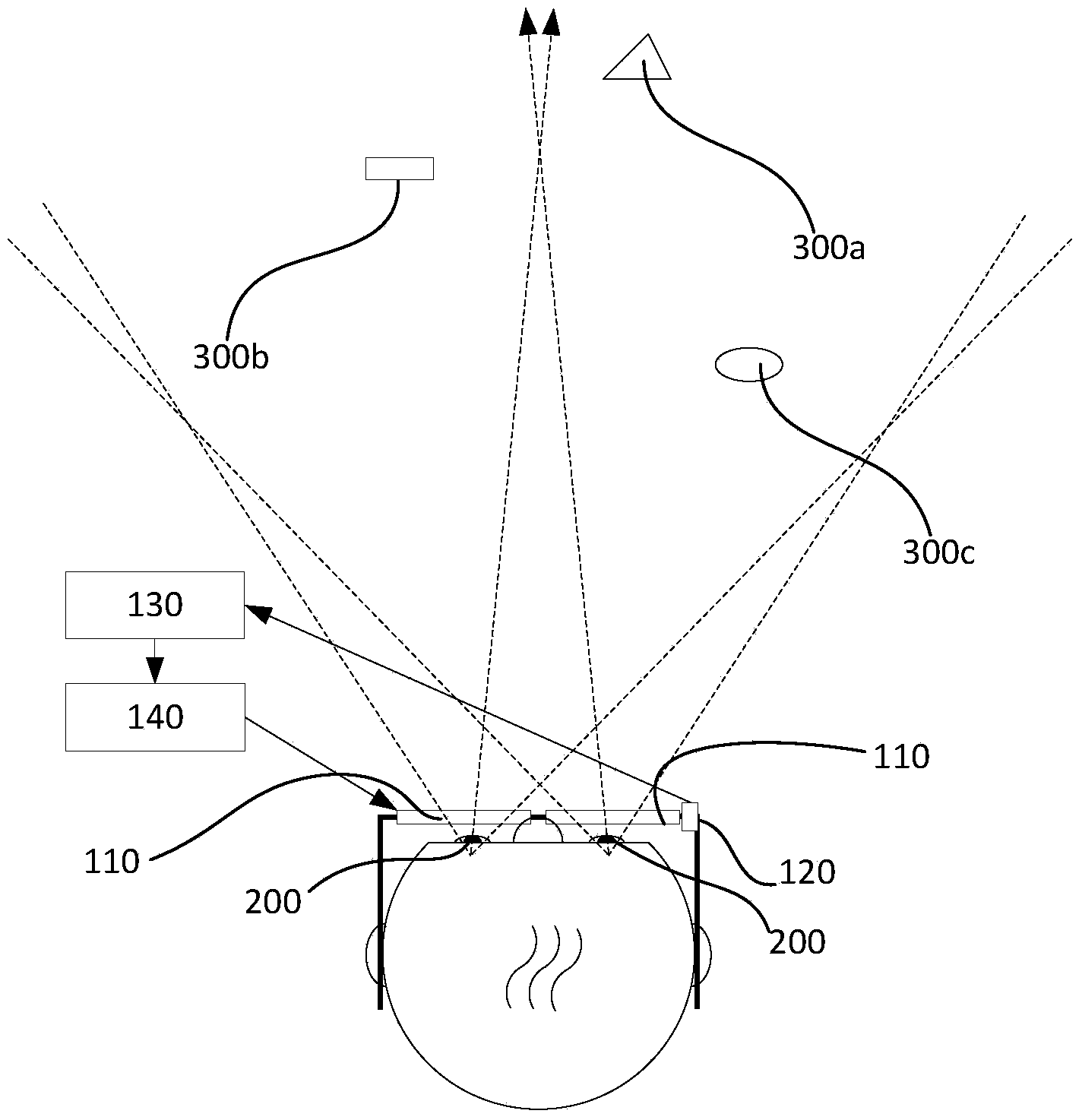
Figure 2 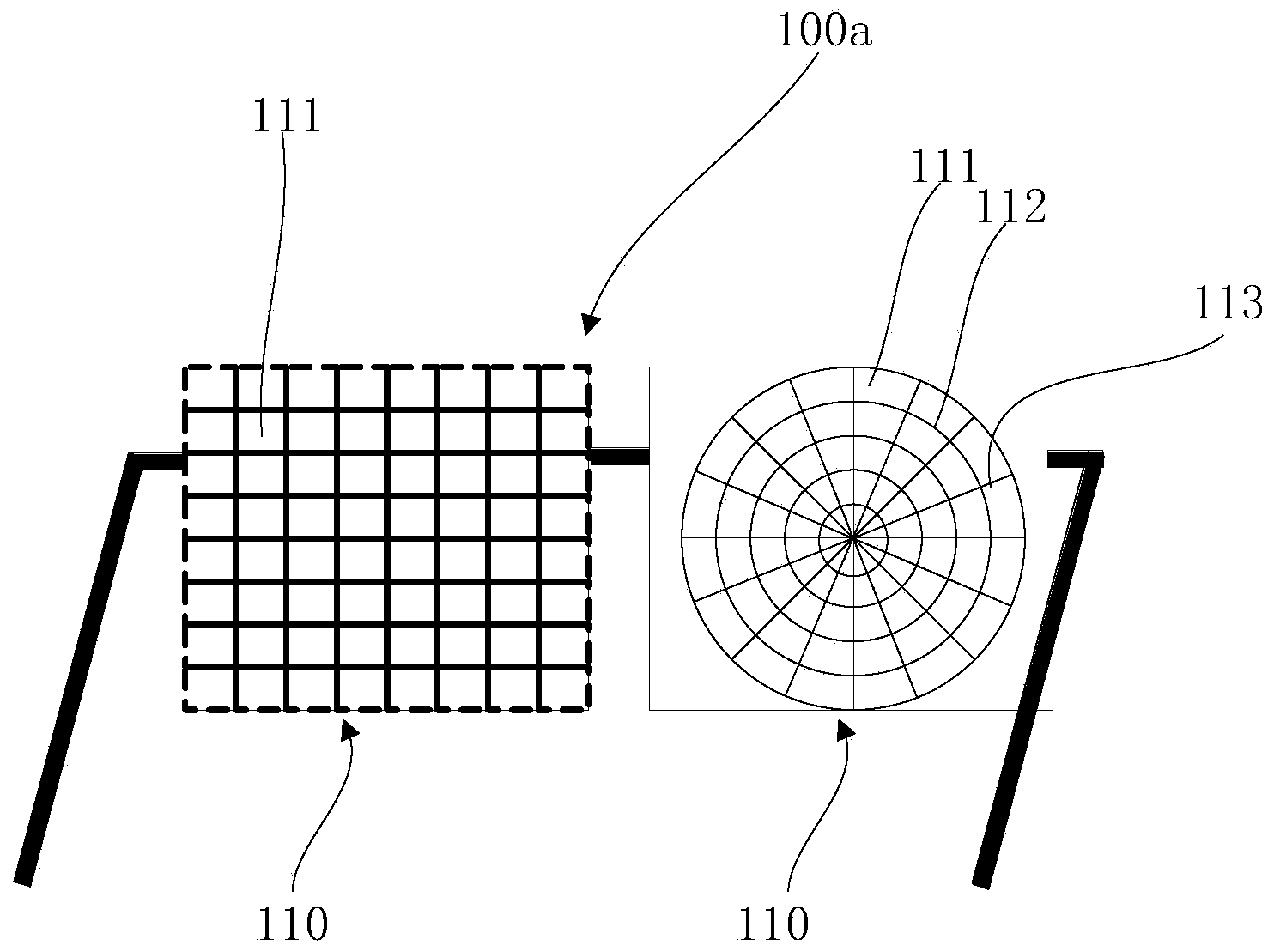
Figure 3
Abstract
Description
technical field
[0001] The present invention relates to the field of imaging technology, in particular to an imaging device and method. Background technique
[0002] Wearable devices are gradually accepted by the public, such as Google glasses, smart watches, etc. These electronic smart devices will bring more convenience to people's lives.
[0003] Traditional myopia or hyperopia glasses correct the refractive error caused by various reasons by adding a concave lens or a convex lens with a fixed focal length in front of the human eye with refractive error. However, traditional glasses are troublesome in optometry and glasses, and can only be corrected for a certain distance range. For objects beyond the certain distance, the user may not be able to obtain a clear image and feel blurred vision; or it may look very laborious and prone to eye fatigue.
[0004] Based on the above situation, there have been multi-focal glasses with multiple focal lengths on one lens. Taking th...
Examples
Embodiment Construction
[0102] The method and device of the present invention are described in detail below with reference to the accompanying drawings and embodiments.
[0103]The imaging receiving party has a limited adjustment range for imaging parameters such as focal length. Taking the imaging receiving party as the user's eyes as an example (of course, the imaging receiving party can also be an imaging recording device such as a video camera, camera, etc.), for example, the eyes of a user with normal vision will Inability to see or struggle to see objects that are close to the eye, and eyes with refractive errors such as nearsightedness, farsightedness, presbyopia, astigmatism, and strabismus have a more limited range of accommodation. Take presbyopia with abnormal far and near eyesight as an example. In order to see objects clearly, it is often in a state of adjustment, and it is easy to cause eye fatigue. Although it can be corrected by ordinary glasses, the glasses of the prior art It is mor...