
Conversational natural language processing method and device
A natural language processing and conversational technology, applied in the field of natural language processing and/or search, which can solve the problems of incomplete search, inability to distinguish accurately, and low search quality, and achieve high efficiency and improve processing accuracy.
Patent Information
- Authority / Receiving Office
- CN · China
- Patent Type
- Applications(China)
- Current Assignee / Owner
- Publication Date
- 2016-04-13
- Estimated Expiration
- Not applicable · inactive patent
Smart Images
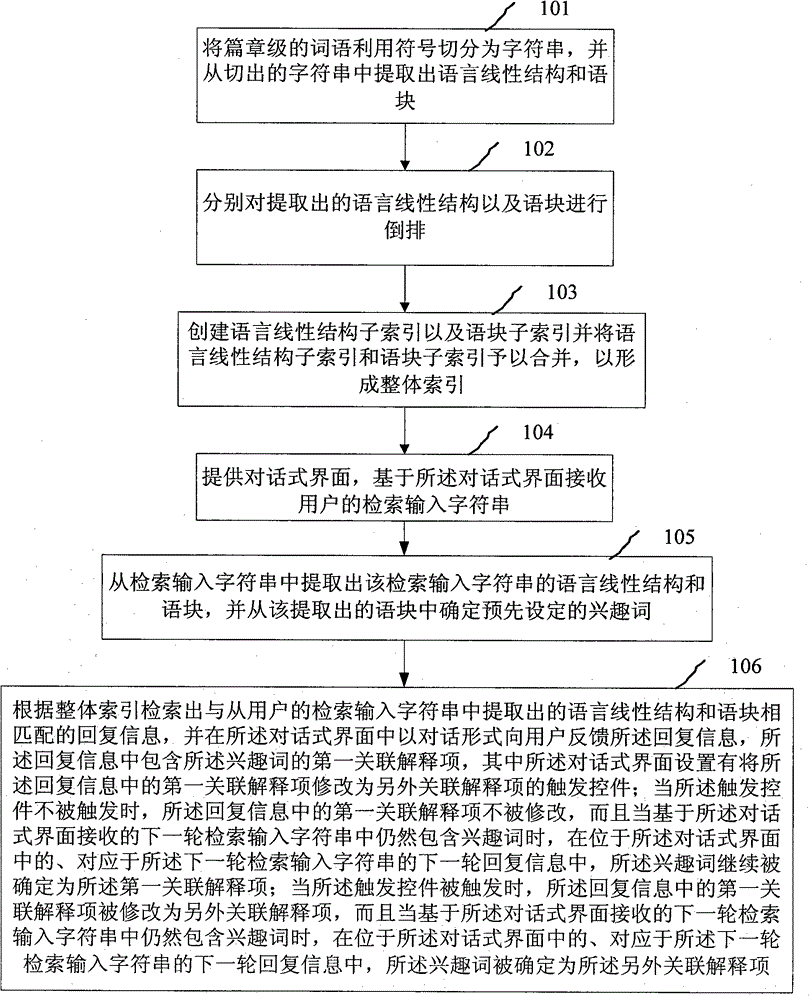
Figure 1 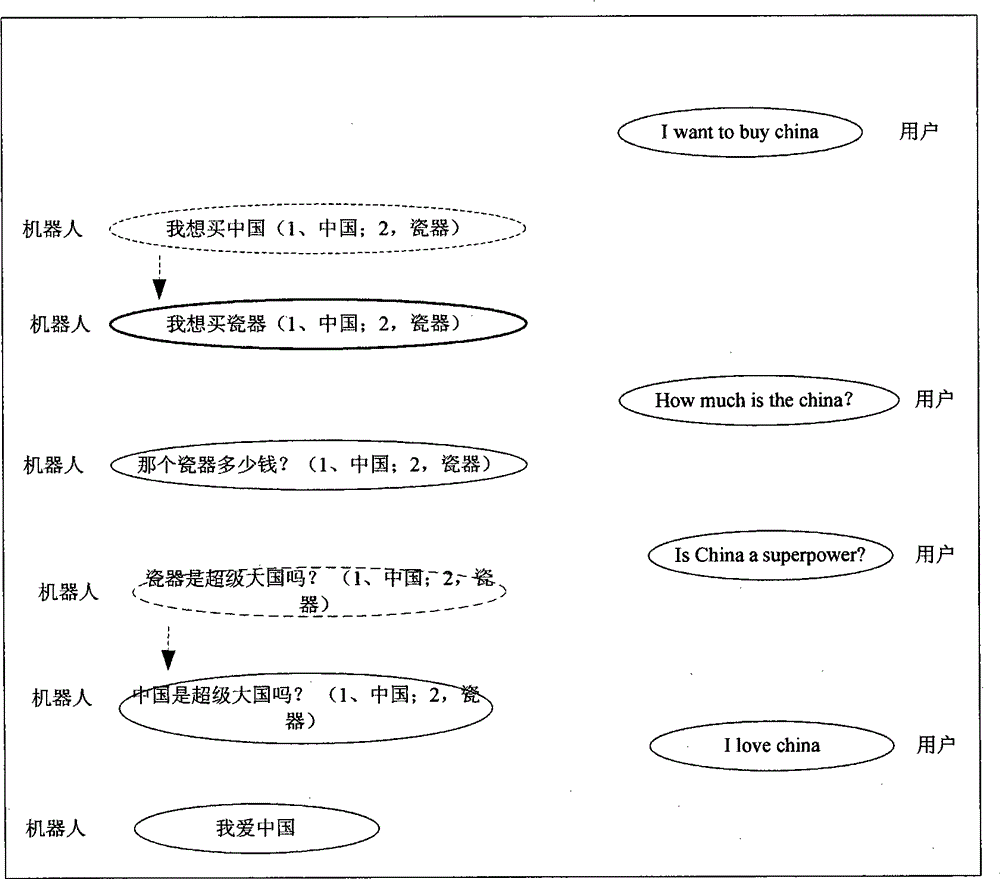
Figure 2 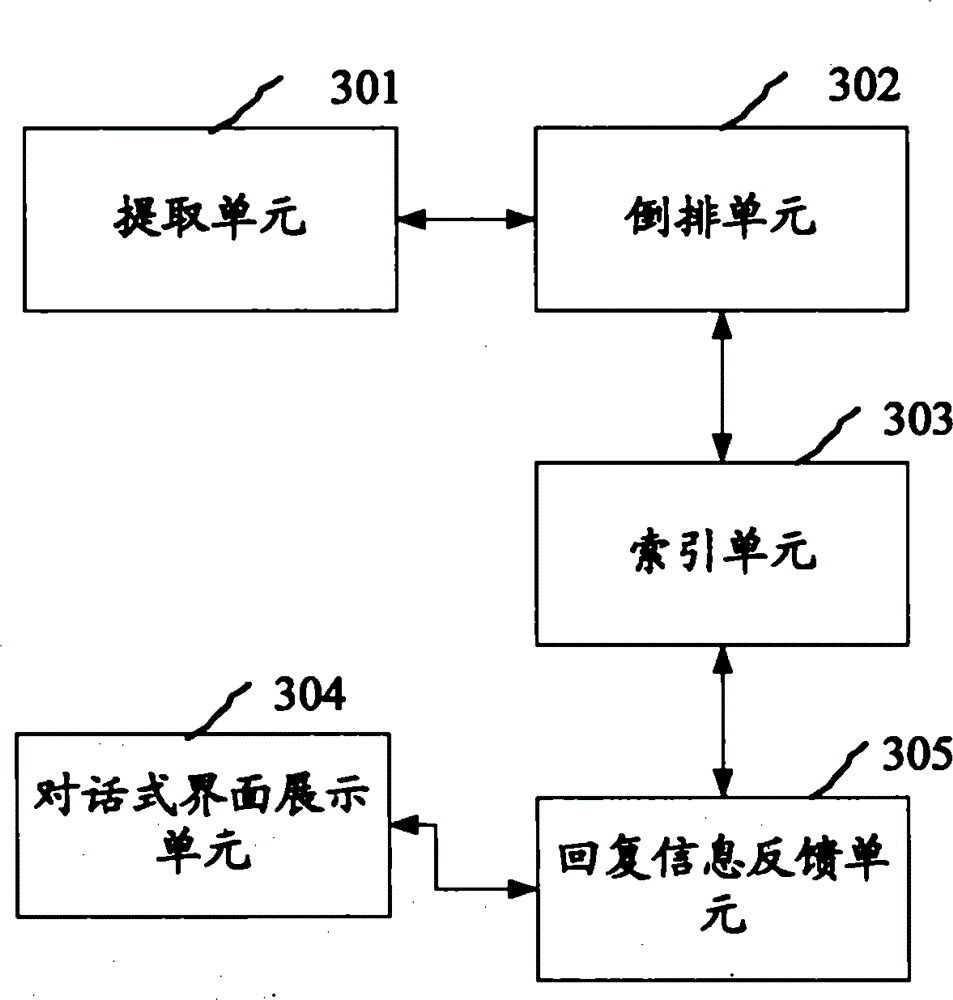
Figure 3
Abstract
Description
technical field
[0001] The present invention relates to the field of natural language processing and / or search. More specifically, it relates to a conversational natural language processing method and device. Background technique
[0002] Natural language processing (Information Retrieval) refers to the process and technology of organizing information in a certain way and finding relevant information according to the needs of information users. Natural language processing in a narrow sense is the second half of the natural language processing process, that is, the process of finding the required information from the information collection, which is what we often call information search (InformationSearch or InformationSeek).
[0003] Currently commonly used natural language processing methods usually include: common method, retrospective method and segmentation method. The common law is a method of searching literature and materials by using retrieval tools such as bibliog...
Examples
example 2
[0039] By analyzing the above two examples, it can be found that:
[0040] "Rural tourism", "Chinese tourism" and "tourism development" are equivalent to the variables in Example 1, because by replacing the corresponding parts (ie variables), their semantic meaning can basically be preserved. And "x is an important part of x and an important support to promote x" (where x represents blank) is equivalent to the linear structure of Example 1, which is the constant of language, because the meaning of language is hidden in this linear structure.
[0041] Similarly, "China's economy", "world economy", and "global financial stability" are equivalent to the variables in Example 2, because by replacing the corresponding parts (ie variables), their semantics can basically be preserved. And "x is an important component of x and an important support to promote x" (where x represents blank) is equivalent to the linear structure of Example 2, which is the constant of language, because the ...
example 4
[0048] By analyzing the above two examples, it can be found that "Avatar" and "China" are equivalent to the variables in Example 3, because by replacing the corresponding parts (ie variables), their semantic meaning can basically be preserved. And "x boom sweeps x" (where x represents blank) is equivalent to the linear structure of example 3, which is the constant of language, because the meaning of language is hidden in this linear structure.
[0049] Similarly, "stock trading" and "world" are equivalent to the variables in Example 4, because by replacing the corresponding parts (ie variables), their semantics can basically be preserved. And "x boom sweeps x" (where x represents blank) is equivalent to the linear structure of example 4, which is the constant of language, because the meaning of language is hidden in this linear structure.
[0050] It can be found that the linear structure of the two examples is the same, the difference is only in the variables. "X craze sweep...
example 8
[0056] By analyzing the above four examples, it can be found that:
[0057] "They", "European Commission" and "Application for Market Economy Treatment of Chinese Enterprises" are equivalent to the variables in Example 5, because by replacing the corresponding parts (namely variables), their semantic meaning can basically be preserved. And "x appeals to x to treat x objectively and fairly" (where x represents blank) is equivalent to the linear structure of example 5, which is a constant of language, because the meaning of language is hidden in this linear structure.
[0058] Similarly, "FIFA", "Ireland" and "the result of the World Cup qualifier against France" are equivalent to the variables in Example 6, because by replacing the corresponding parts (ie variables), their semantics can basically be preserved. And "x appeals to x to treat x objectively and fairly" (where x represents blank) is equivalent to the linear structure of example 6, which is a constant of language, bec...