
Image-capture device
A camera device and image technology, applied in radiation control devices, image communication, television, etc., can solve problems such as deformation, image brightness difference, etc., achieve the effect of suppressing complexity and realizing the global shutter function
Patent Information
- Authority / Receiving Office
- CN · China
- Current Assignee / Owner
- Publication Date
- 2017-08-29
Smart Images
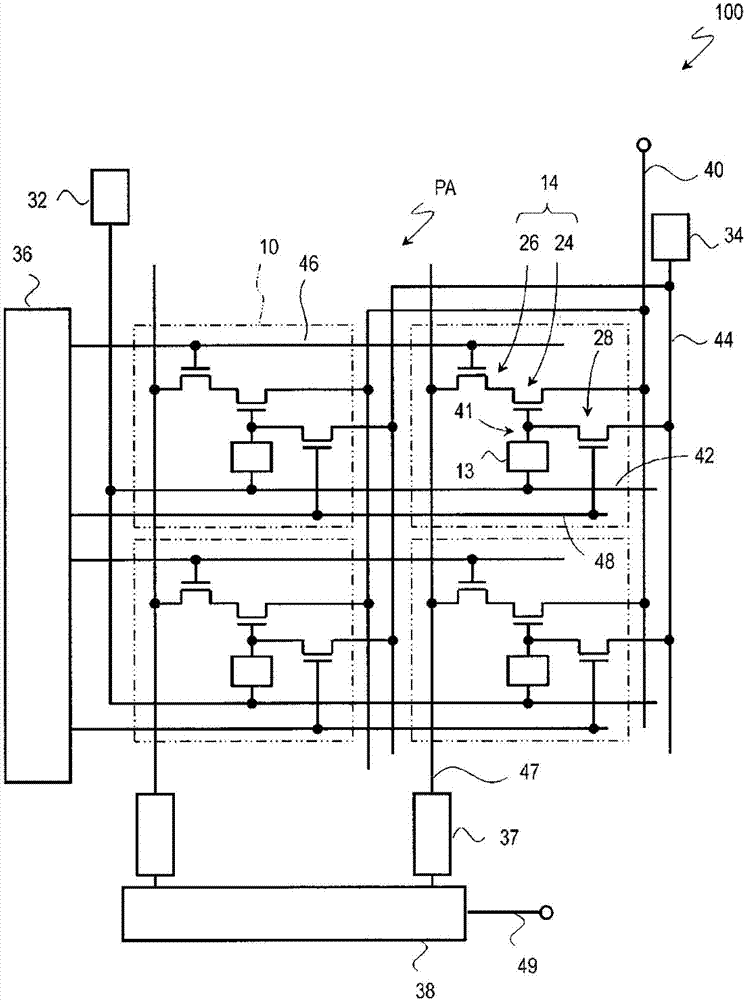
Figure 1 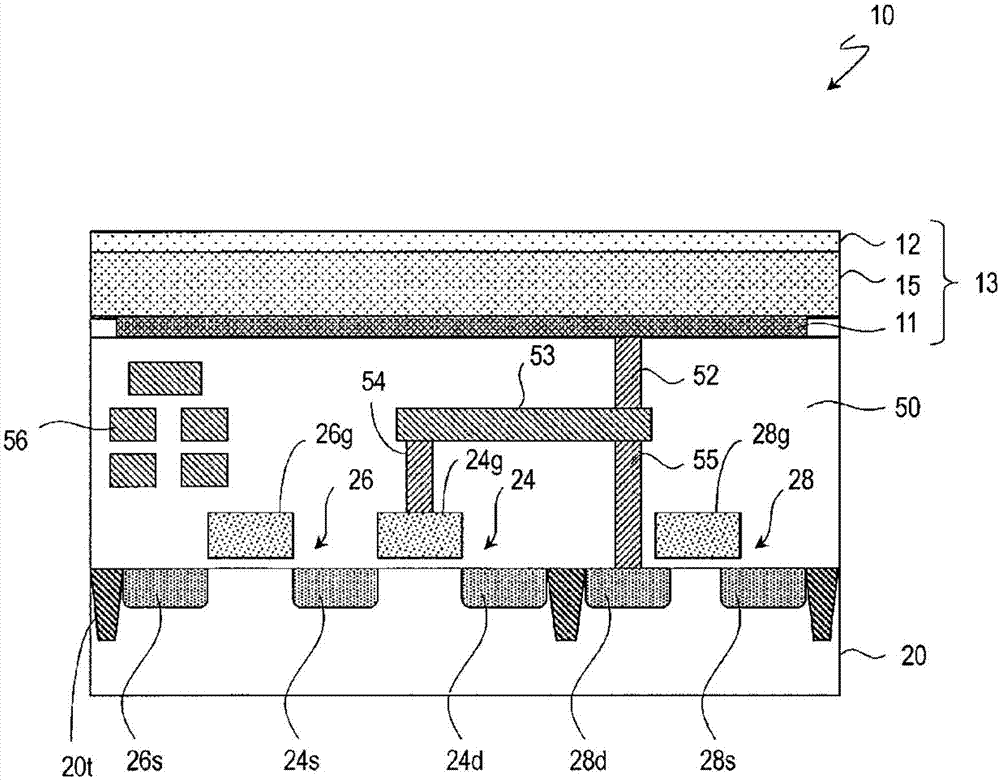
Figure 2 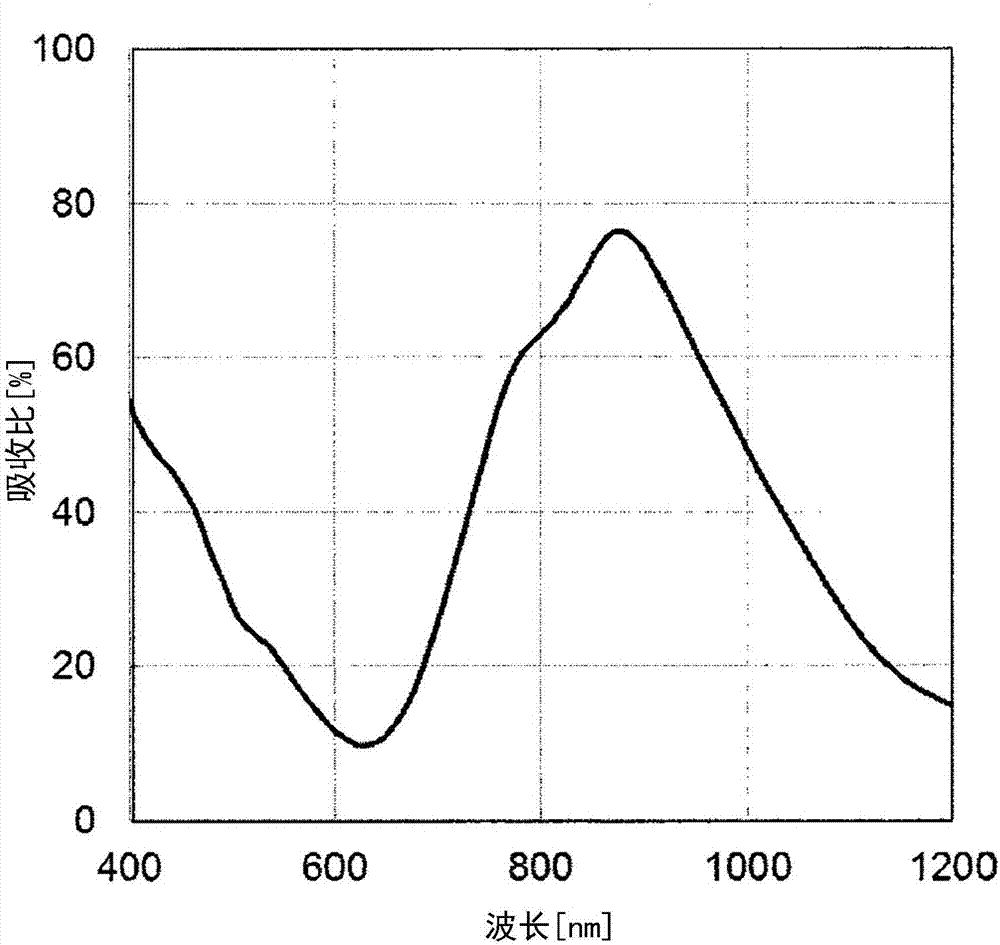
Figure 3
Abstract
Description
technical field
[0001] The present disclosure relates to imaging devices. Background technique
[0002] Conventionally, image sensors using photoelectric conversion are known. For example, a CMOS (Complementary Metal Oxide Semiconductor: Complementary Metal Oxide Semiconductor) type image sensor having a photodiode is widely used. The CMOS image sensor has low power consumption and features of being able to access each pixel. CMOS image sensors usually use a so-called rolling shutter as a signal readout method, and exposure and signal charge readout are sequentially performed for each row of the pixel array.
[0003] In the rolling shutter operation, the start and end of exposure are different for each row of the pixel array. Therefore, when an object moving at high speed is photographed, the image of the object may be distorted, and when a flash is used, differences in brightness may occur within the image. In view of this situation, there is a need for a so-called glob...