
Polybasic nitrogen heterocyclic non-natural chiral amino acid and synthesis method thereof
A technology of chiral amino acid and synthesis method, which is applied in the field of chiral drug synthesis, can solve the problems of high synthesis cost, complex process, and low ee value, and achieve the effect of various types, simple process, and mature process
Patent Information
- Authority / Receiving Office
- CN · China
- Patent Type
- Applications(China)
- Current Assignee / Owner
- Publication Date
- 2018-11-06
Smart Images
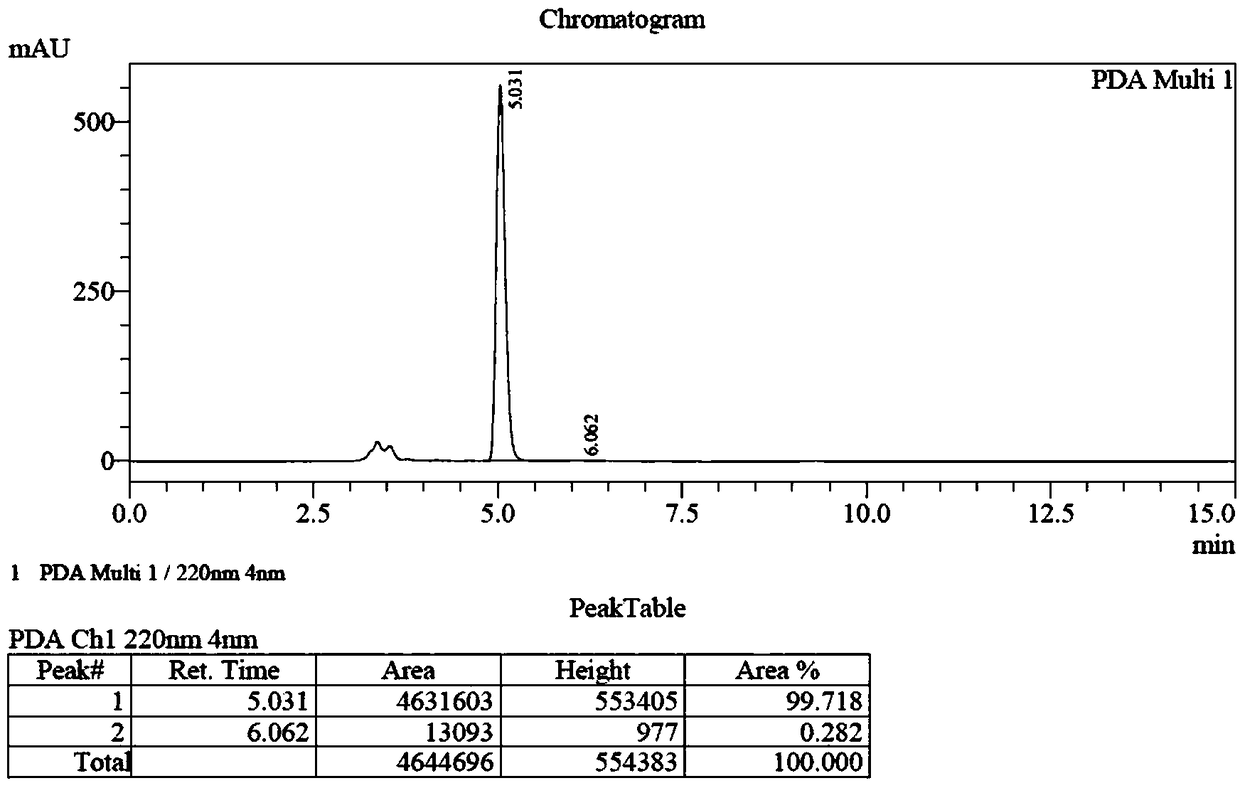
Figure 1 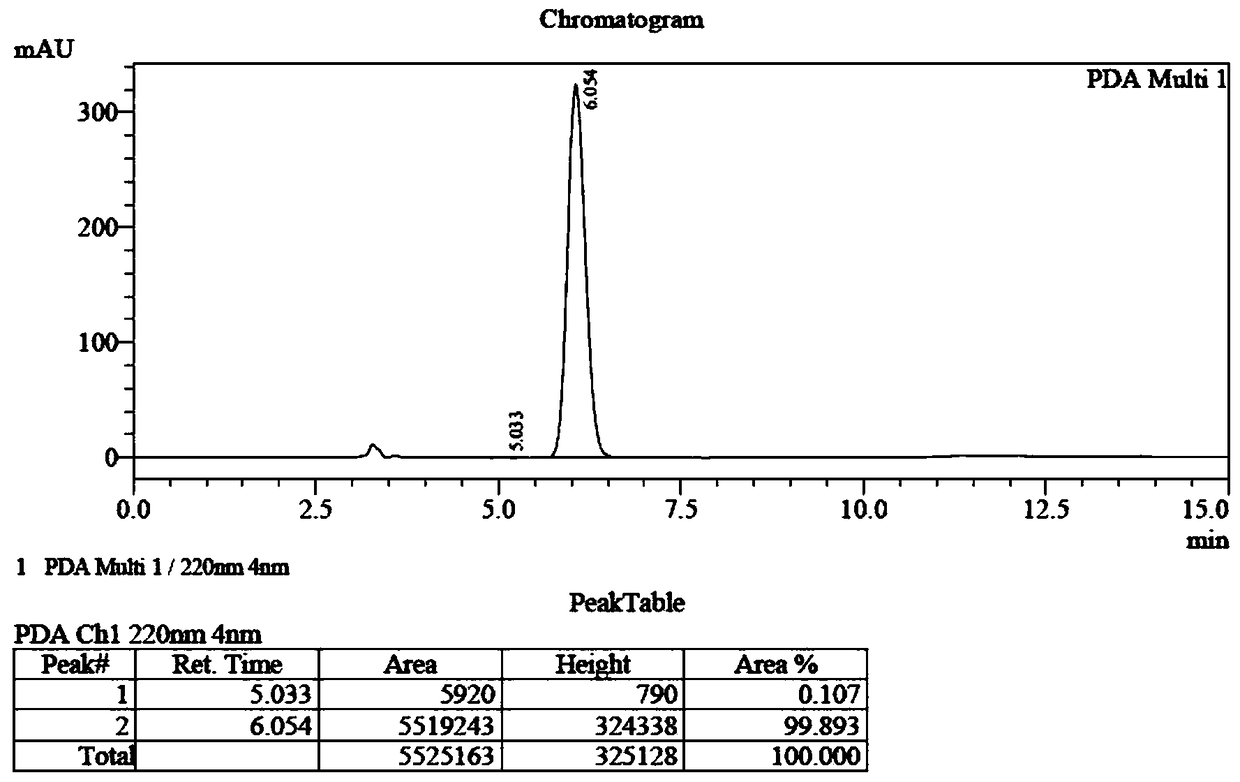
Figure 2 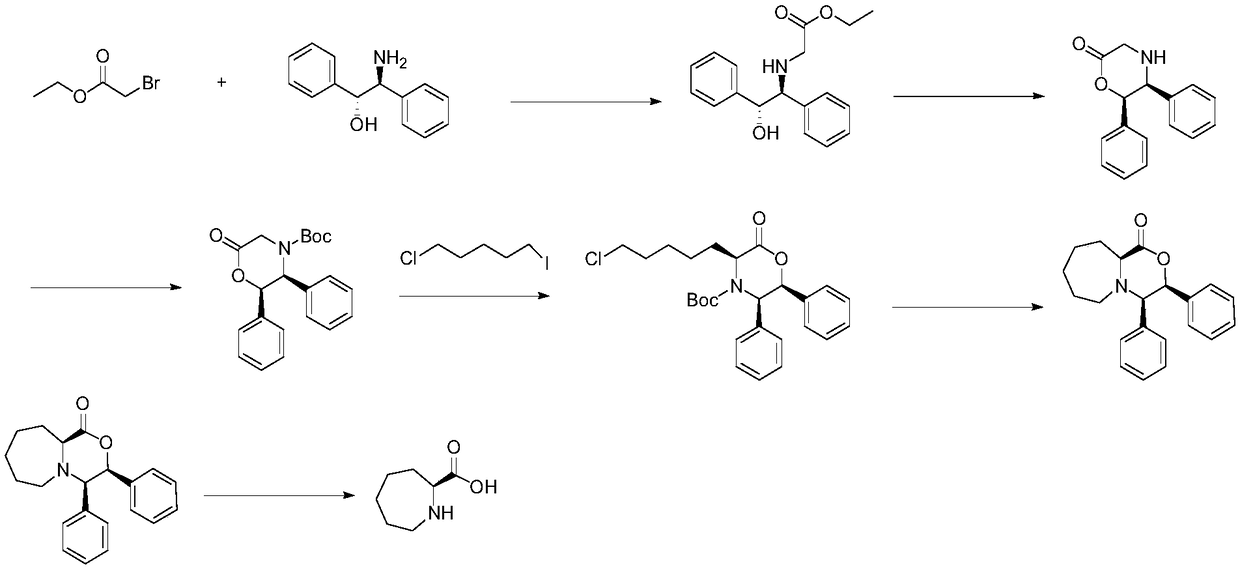
Figure 3
Abstract
Description
technical field
[0001] The invention relates to the field of chiral drug synthesis, in particular to the synthesis of a series of multivariate nitrogen-heterocyclic non-natural chiral amino acids. This type of non-natural amino acid is mainly used in drug synthesis and has a good application prospect in the field of drug synthesis. Background technique
[0002] With the rapid development of chiral drug synthesis technology, higher requirements are put forward for the types and structures of chiral unnatural amino acids, and the emergence of some azachiral unnatural amino acids provides an opportunity for the design of new drugs.
[0003] There are mainly the following two synthesis methods reported in the literature of chiral azapolycyclic unnatural amino acids, taking seven-membered rings as an example, but not limited to seven-membered rings:
[0004]
[0005] This is a chiral induction method using (1S,2R)-2-amino-1,2-diphenylethanol as a substrate (Journal of Medicina...
Examples
Embodiment 1
[0062] Example 1 fully embodies the synthesis process of (S)-ethyleneimino-2-carboxylic acid and (R)-ethyleneimino-2-carboxylic acid.
[0063] Example 1:
[0064] (1), the synthesis of 2-Boc-diethyl aminomalonate
[0065]
[0066] Compound 1 (450g, 2.13mol) was dissolved in 1L of dichloromethane, and triethylamine (646g, 6.39mol) was added dropwise in an ice-water bath, and the dropwise reaction was completed at room temperature for 0.5h; under cooling in an ice-water bath, Boc was slowly added dropwise Acid anhydride (512 g, 2.34 mol) was added dropwise and stirred overnight at room temperature. TLC showed that compound 1 disappeared, the reaction solution was filtered, the filter cake was washed with dichloromethane, and the filtrate was concentrated to obtain an oil. The oil was dissolved in ethyl acetate, washed with 1N hydrochloric acid aqueous solution, and then washed with saturated brine, the organic phase was dried over anhydrous sodium sulfate, filtered, and t...
Embodiment 2
[0092] Example 2 fully embodies the synthesis process of (S)-cycloheximino-2-carboxylic acid and (R)-cycloheximino-2-carboxylic acid.
[0093] Example 2:
[0094] (1), the synthesis of 2-Boc-diethyl aminomalonate
[0095]
[0096] Compound 1 (450g, 2.13mol) was dissolved in 1L of dichloromethane, and triethylamine (646g, 6.39mol) was added dropwise in an ice-water bath, and the dropwise reaction was completed at room temperature for 0.5h; under cooling in an ice-water bath, Boc was slowly added dropwise Acid anhydride (512 g, 2.34 mol) was added dropwise and stirred overnight at room temperature. TLC showed that compound 1 disappeared, the reaction solution was filtered, the filter cake was washed with dichloromethane, and the filtrate was concentrated to obtain an oil. The oil was dissolved in ethyl acetate, washed with 1N hydrochloric acid aqueous solution, and then washed with saturated brine, the organic phase was dried over anhydrous sodium sulfate, filtered, and t...
Embodiment 3
[0122] Example 3 fully embodies the synthesis process of (S)-cycloundecimino-2-carboxylic acid and (R)-cycloundecimino-2-carboxylic acid.
[0123] Example 3:
[0124] (1), the synthesis of 2-Boc-diethyl aminomalonate
[0125]
[0126] Compound 1 (500g, 2.36mol) was dissolved in 1L of dichloromethane, and triethylamine (716g, 7.08mol) was added dropwise in an ice-water bath. Acid anhydride (567g, 2.60mol) was added dropwise and stirred at room temperature overnight. TLC showed that compound 1 disappeared, the reaction solution was filtered, the filter cake was washed with dichloromethane, and the filtrate was concentrated to obtain an oil. The oil was dissolved in ethyl acetate, washed with 1N hydrochloric acid aqueous solution, and then washed with saturated brine, the organic phase was dried over anhydrous sodium sulfate, filtered, and the organic phase was concentrated to obtain 578 g of yellow oil compound 2 (yield: 89%). The next reaction was carried out directly w...