
Modified g-C3N4 activator for UV-EB radiation curing
A UV-EB, radiation curing technology, applied in the direction of coating, etc., can solve the problem of not having independent performance as a photoinitiator, and achieve excellent comprehensive performance, strong activity, and save curing costs.
Patent Information
- Authority / Receiving Office
- CN · China
- Patent Type
- Applications(China)
- Current Assignee / Owner
- Publication Date
- 2018-11-06
- Estimated Expiration
- Not applicable · inactive patent
Smart Images
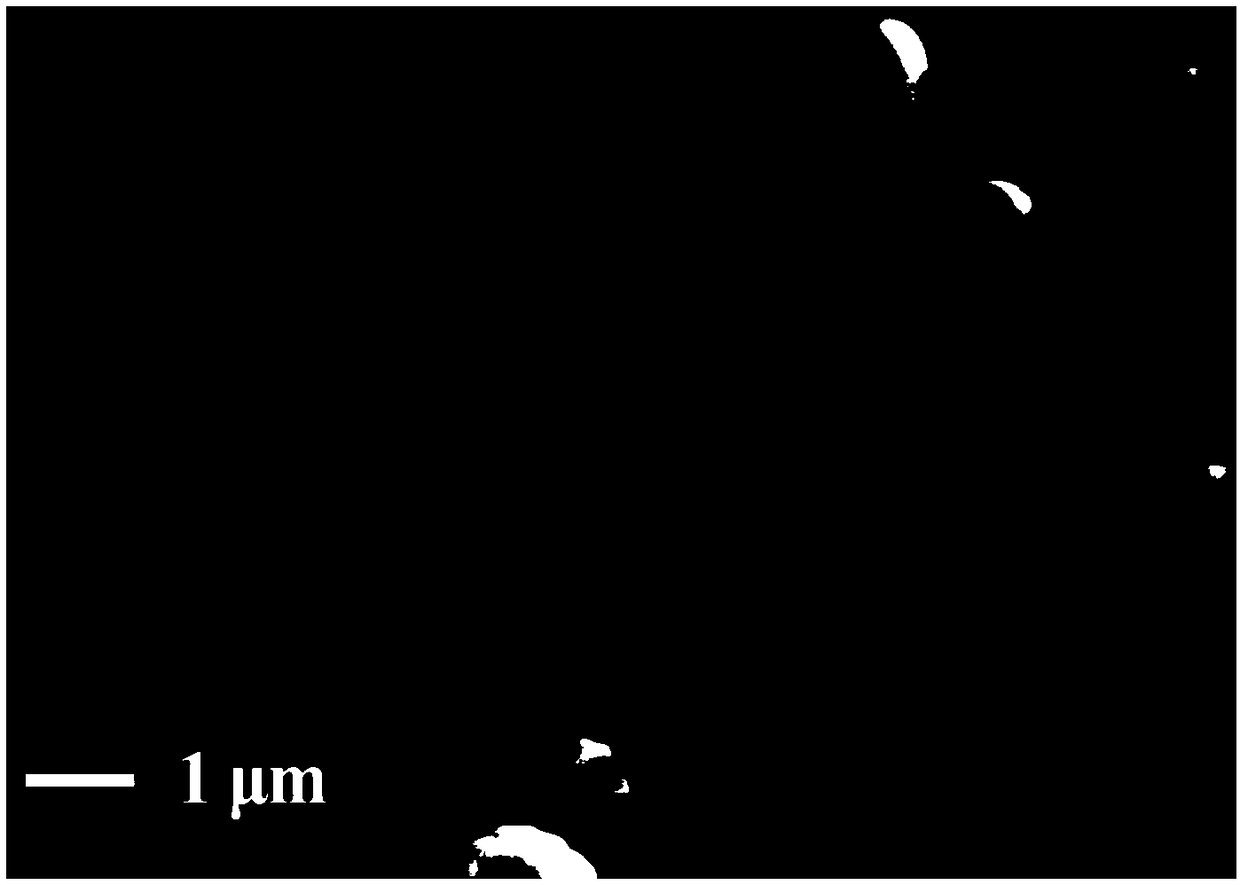
Figure 1 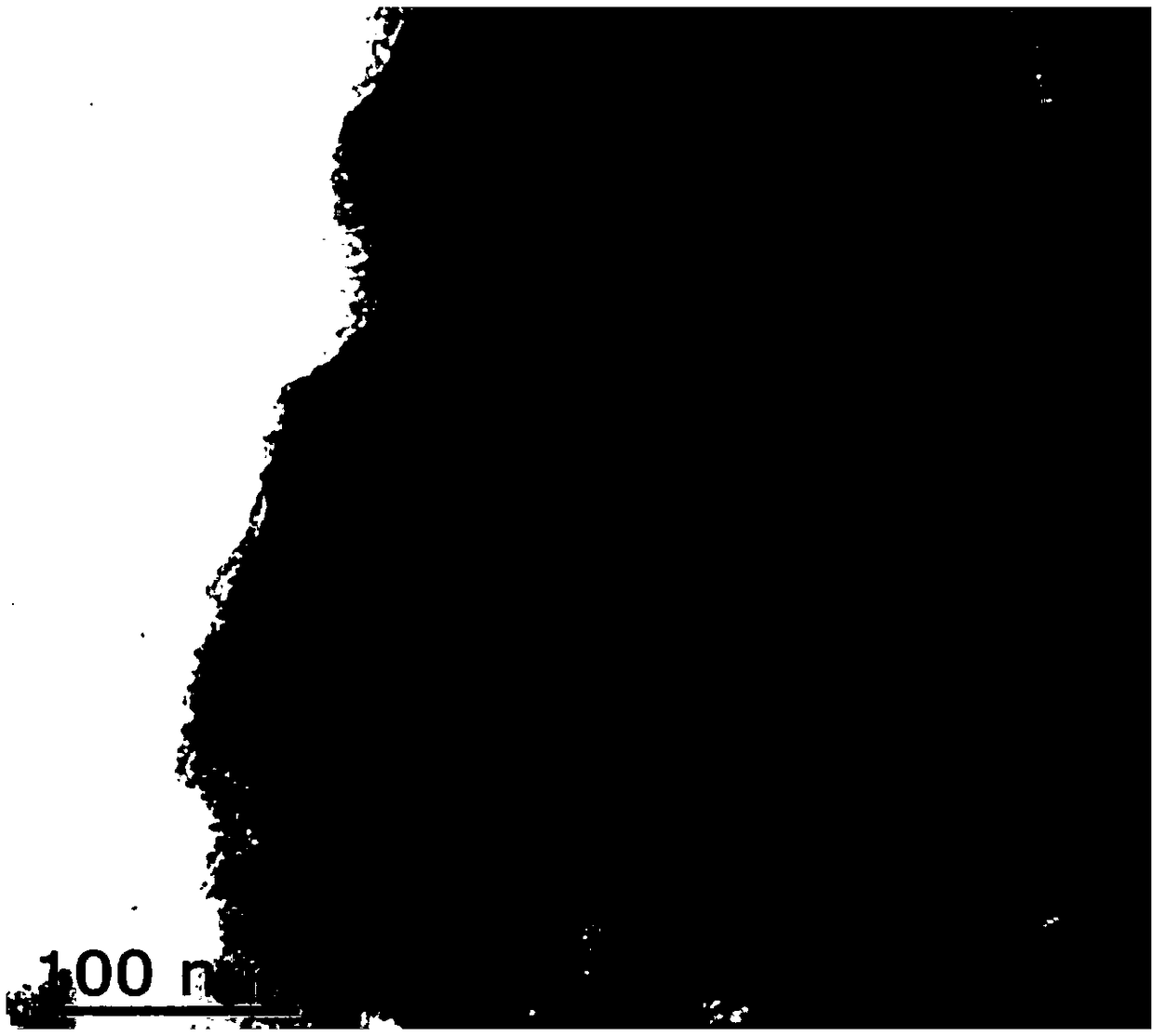
Figure 2 
Figure 3
Abstract
Description
technical field
[0001] The invention relates to the technical field of UV-EB radiation curing, in particular to a modified g-C for UV-EB radiation curing 3 N 4 Activator and method for its preparation. Background technique
[0002] At present, radiation curing technology is widely used in coatings, inks, printing plate making, dental restoration and optical disc manufacturing and other fields. Compared with traditional curing technology, radiation curing technology has the advantages of environmental friendliness, energy saving, short time and fast curing. Especially in recent years, the call for eliminating pollution and protecting the environment has become higher and higher, and radiation curing technology has shown more and more vitality.
[0003] UV radiation curing is to cure the system by UV light irradiation. The curing speed is fast, but the UV energy consumption is large, and there is a radiation "blind zone" for workpieces with complex shapes, which cannot be e...
Examples
Embodiment 1
[0039] (1) g-C 3 N 4 Acid activation modification: Take 1g of pure g-C 3 N 4 Powder and 50mL of concentrated hydrochloric acid solution (5.9mol·L -1 ) were mixed, stirred magnetically at room temperature for 10 minutes, poured the mixture into a 100mL hydrothermal reaction kettle, and reacted for 4 hours at 100°C. After cooling to room temperature naturally, after filtering, washing and drying, the Acid-activated modified g-C was obtained 3 N 4 ;
[0040] (2)g-C 3 N 4 Acid-base dual activation modification: take 0.2g of the acid-activated modified g-C obtained in step (1) 3 N 4 With 60mL of sodium hydroxide solution (0.2mol·L -1 ) were mixed, and ultrasonically dispersed at room temperature for 10 minutes, the mixture was poured into a 100mL hydrothermal reactor, and reacted at 100°C for 2.5 hours. After cooling to room temperature naturally, it was filtered, washed, dried, etc. Obtain acid-base dual activation modified g-C 3 N 4 active agent;
[0041] (3) Prepar...
Embodiment 2
[0045] (1) g-C 3 N 4 Acid activation modification: Take 1g of pure g-C 3 N 4 Powder and 30mL of concentrated hydrochloric acid solution (9.5mol L -1 ) were mixed, stirred magnetically at room temperature for 5 minutes, poured the mixture into a 50mL hydrothermal reaction kettle, and reacted for 2.5 hours at 150°C. After cooling to room temperature naturally, after filtering, washing and drying, the Acid-activated modified g-C was obtained 3 N 4 ;
[0046] (2)g-C 3 N 4 Acid-base dual activation modification: take 0.2g of the acid-activated modified g-C obtained in step (1) 3 N 4 With 50mL of potassium hydroxide solution (0.4mol·L -1 ) were mixed, and ultrasonically dispersed at room temperature for 15 minutes, the mixture was poured into a 100mL hydrothermal reaction kettle, and reacted at 120°C for 6 hours. Obtain acid-base dual activation modified g-C 3 N 4 active agent;
[0047] (3) Preparation of coatings: the g-C of step (2) obtained acid-base dual activation...
Embodiment 3
[0051] (1) g-C 3 N 4 Acid activation modification: Take 1g of pure g-C 3 N 4 Powder and 50mL of concentrated nitric acid solution (7.2mol L -1 ) were mixed, stirred magnetically at room temperature for 20 minutes, poured the mixture into a 100mL hydrothermal reaction kettle, and reacted at 85°C for 6 hours. After cooling to room temperature naturally, after filtering, washing and drying, the Acid-activated modified g-C was obtained 3 N 4 ;
[0052] (2)g-C 3 N 4 Acid-base dual activation modification: take 0.2g of the acid-activated modified g-C obtained in step (1) 3 N 4 With 40mL of concentrated ammonia solution (14mol L -1 ) were mixed, and ultrasonically dispersed at room temperature for 5 minutes, the mixture was poured into a 50mL hydrothermal reaction kettle, and reacted at 150°C for 3 hours. After cooling to room temperature naturally, it was filtered, washed, and dried. Obtain acid-base dual activation modified g-C 3 N 4 active agent.
[0053] (3) Prepara...