
An abnormal diagnosis method of monitoring data based on generative confrontation network
A technology for monitoring data and abnormal diagnosis, applied in biological neural network models, neural learning methods, instruments, etc., can solve problems such as massive and complex information processing capabilities that need to be improved, and achieve the effects of automatic classification, improved efficiency, and simplified learning methods
Patent Information
- Authority / Receiving Office
- CN · China
- Patent Type
- Patents(China)
- Current Assignee / Owner
- Publication Date
- 2022-04-29
Smart Images
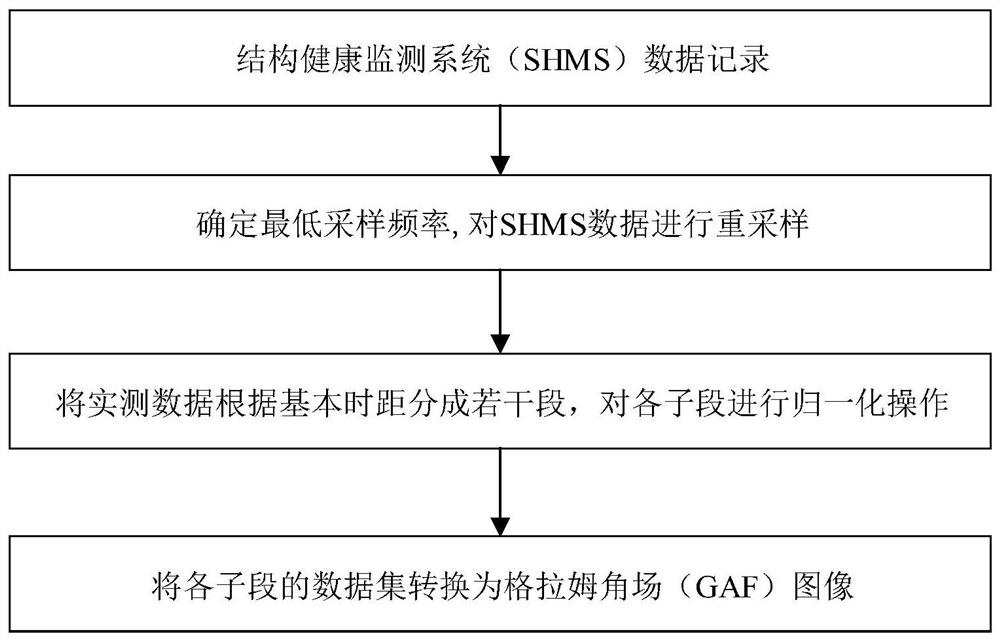
Figure 1 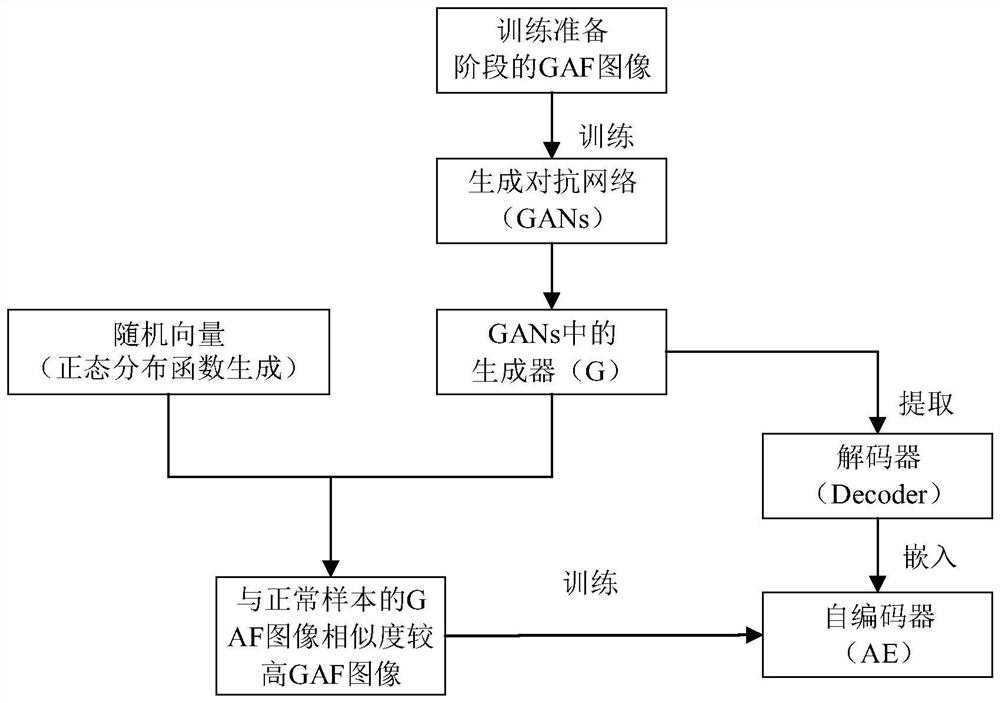
Figure 2 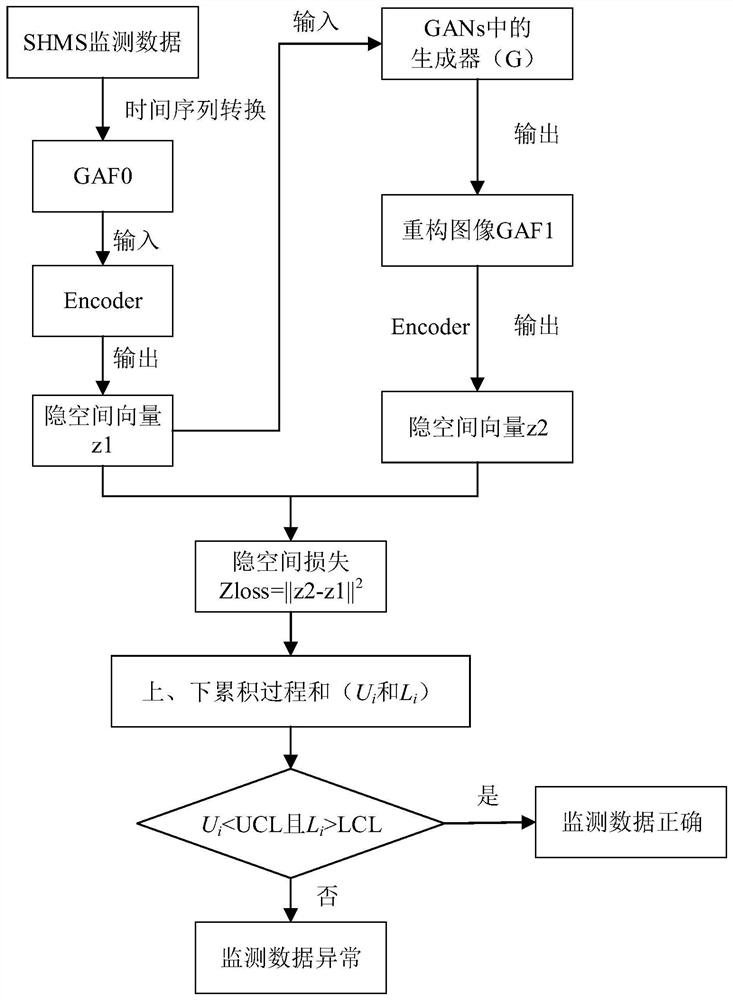
Figure 3
Abstract
Description
technical field
[0001] The invention relates to a data abnormal diagnosis method, in particular to the abnormal diagnosis of long-term monitoring data of a structural health monitoring system, and belongs to the technical field of data abnormal diagnosis. Background technique
[0002] The Structural Health Monitoring System (SHMS) includes numerous sensors for monitoring structural responses such as acceleration, velocity, displacement, and strain, as well as environmental factors such as temperature, wind speed, and humidity. Long-term monitoring data can provide reference for structural damage identification and state assessment. Before carrying out damage identification and status assessment, the accuracy of monitoring data must be ensured, otherwise it will lead to wrong assessment results. However, most sensors are located in harsh environments, and it is difficult for sensors to avoid failures. Therefore, the diagnosis and elimination of abnormal data is one of the key...
Examples
Embodiment 1
[0035] Embodiment 1: see Figure 1-Figure 3 , a monitoring data anomaly diagnosis method based on a generative confrontation network, the method comprising the following steps: Step 1: training data preparation stage, step 2: network training stage, and step 3: data anomaly diagnosis stage.
[0036] Step 1: training data preparation stage, this stage includes two steps:
[0037] Step 1-1: Determine the minimum sampling frequency of the required data according to the analysis purpose, perform resampling operation on the data recorded by the structural health monitoring system (SHMS) to be detected, and down-sample the original data without losing the original data. inherent structural information;
[0038] Step 1-2: Set the basic time interval, divide the measured data into several sub-segments, perform normalization operation on the data of each sub-segment according to formula (3), and normalize it to the interval [-1,1]. Then, the dataset of each subsegment is converted in...