
Intelligent electric balance car system and smart park short barge-oriented operation method
An electric balance car, intelligent electric technology, applied in the transmission system, electrical components, vehicle components, etc., can solve the problems of easy loss of control, safety, no braking system, etc., and achieve the effect of improving development
Patent Information
- Authority / Receiving Office
- CN · China
- Patent Type
- Applications(China)
- Current Assignee / Owner
- Publication Date
- 2020-12-11
- Estimated Expiration
- Not applicable · inactive patent
Smart Images
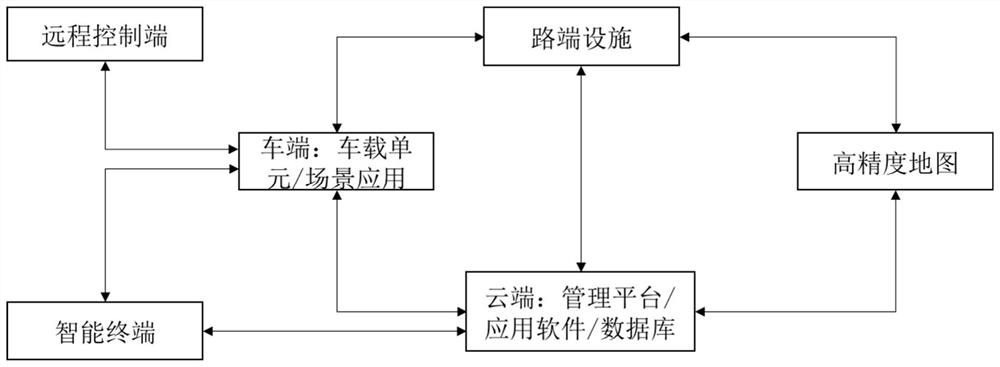
Figure 1 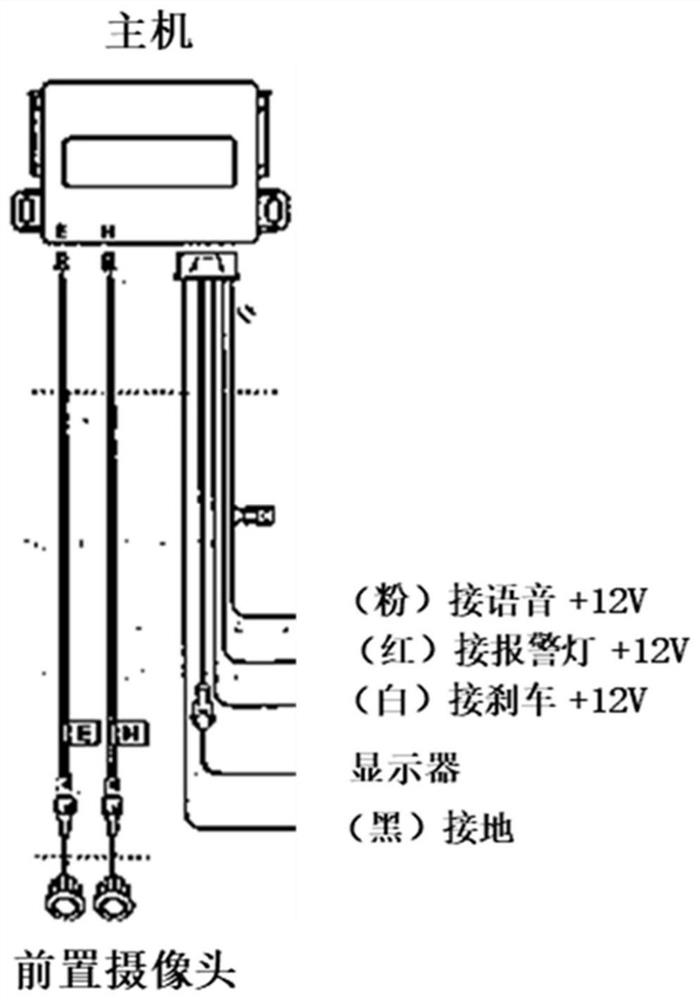
Figure 2
Abstract
Description
technical field
[0001] The invention belongs to the technical field of electric balance vehicles, and in particular relates to an intelligent electric balance vehicle system and a short barge operation method for smart parks. Background technique
[0002] In recent years, with the accelerated development of urbanization and the continuous acceleration of smart city construction, more parks have devoted themselves to the smart construction of parks, and the construction of smart parks has become a development trend.
[0003] The so-called smart park refers to the integration of a new generation of information and communication technology, with fast information collection, high-speed information transmission, highly centralized computing, intelligent transaction processing and ubiquitous service provision capabilities, to realize timely, interactive and integrated information perception and transmission in the park It is an advanced park development concept aimed at improving ...
Examples
Embodiment Construction
[0037] It should be noted that, in the case of no conflict, the embodiments of the present invention and the features in the embodiments can be combined with each other.
[0038] In describing the present invention, it should be understood that the terms "center", "longitudinal", "transverse", "upper", "lower", "front", "rear", "left", "right", " The orientations or positional relationships indicated by "vertical", "horizontal", "top", "bottom", "inner" and "outer" are based on the orientations or positional relationships shown in the drawings, and are only for the convenience of describing the present invention and Simplified descriptions, rather than indicating or implying that the device or element referred to must have a particular orientation, be constructed and operate in a particular orientation, and thus should not be construed as limiting the invention. In addition, the terms "first", "second", etc. are used for descriptive purposes only, and should not be understood ...