
Magnetic ground tongue locking type prying-resistant glass door escape lock
A glass door and escape lock technology, applied in building locks, non-mechanical transmission-operated locks, buildings, etc., can solve the problems that escape locks do not have anti-prying function and low anti-theft coefficient.
Patent Information
- Authority / Receiving Office
- CN · China
- Patent Type
- Applications(China)
- Current Assignee / Owner
- Publication Date
- 2022-02-18
Smart Images
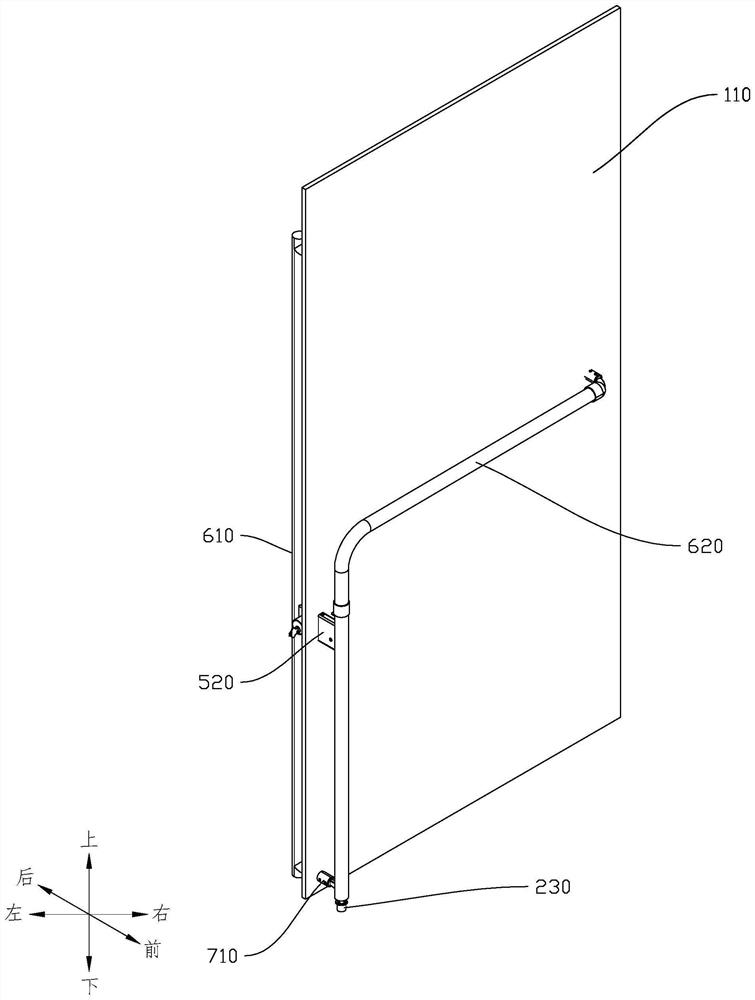
Figure 1 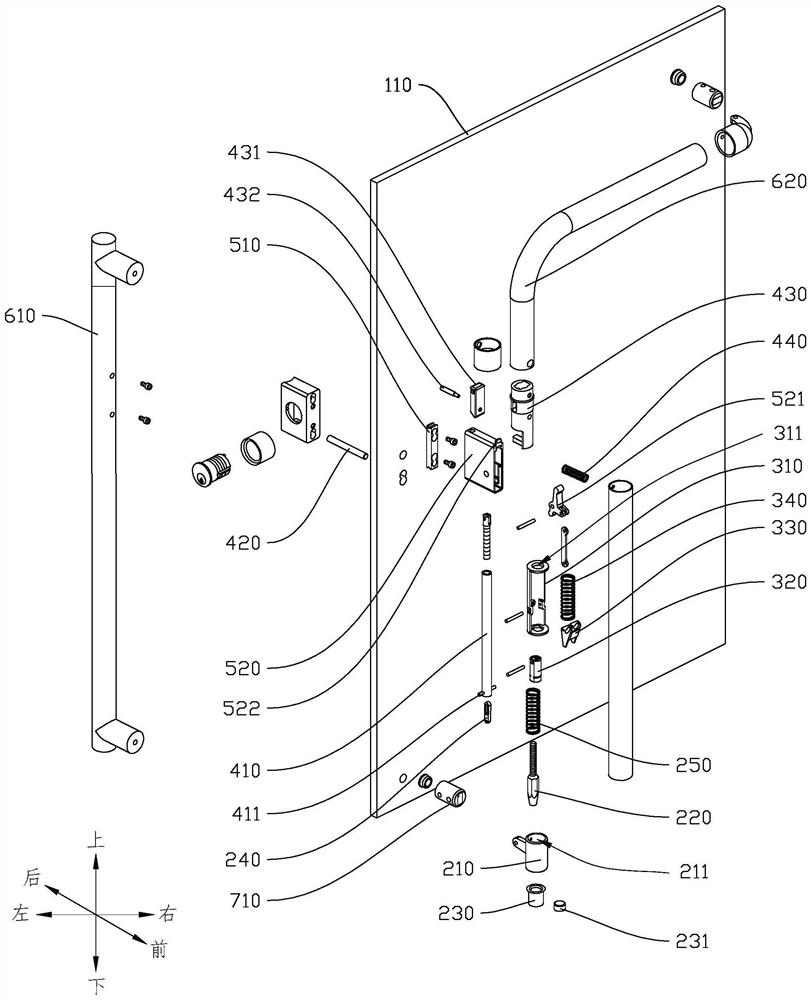
Figure 2 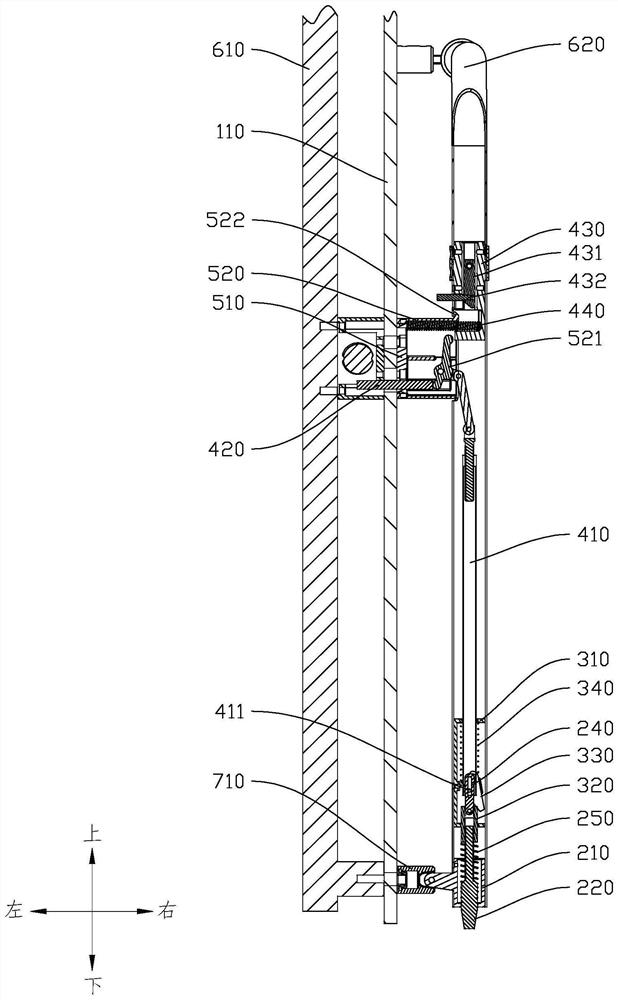
Figure 3
Abstract
Description
technical field
[0001] The invention relates to the technical field of magnetic tongue locks, in particular to a magnetic tongue locking type anti-pry glass door escape lock. Background technique
[0002] Escape locks are mainly used in emergency exit passages in large supermarkets, shopping malls, office buildings, hospitals, schools, factories and other public places with a large flow of people. It has the function of preventing outsiders without specific keys from entering the interior without permission. To achieve the effect of safe escape of internal personnel in emergency situations such as fire. But some unscrupulous people use the escape lock as a breakthrough to pick the lock and enter the house, especially card-like objects such as credit cards are commonly used to pick the door. Most of the existing escape locks do not have the anti-pry function, and the anti-theft coefficient is low. Contents of the invention
[0003] The present invention aims to solve at le...
Examples
Embodiment Construction
[0031] Embodiments of the present invention are described in detail below, examples of which are shown in the drawings, wherein the same or similar reference numerals designate the same or similar elements or elements having the same or similar functions throughout. The embodiments described below by referring to the figures are exemplary only for explaining the present invention and should not be construed as limiting the present invention.
[0032] In the description of the present invention, it should be understood that the orientation descriptions, such as up, down, front, back, left, right, etc. indicated orientations or positional relationships are based on the orientations or positional relationships shown in the drawings, and are only In order to facilitate the description of the present invention and simplify the description, it does not indicate or imply that the device or element referred to must have a specific orientation, be constructed and operated in a specific ...