
Blood-feeding systems and methods for hematophagous arthropods
a technology for hematophagous arthropods and blood feeding systems, which is applied in the field of blood feeding systems and methods for hematophagous arthropods, can solve the problems of not maintaining temperature and being portable, and achieve the effects of reliable and inexpensive blood feeding systems, thermal stability, and low cos
Patent Information
- Authority / Receiving Office
- US · United States
- Patent Type
- Patents(United States)
- Current Assignee / Owner
- Publication Date
- 2022-09-06
Smart Images
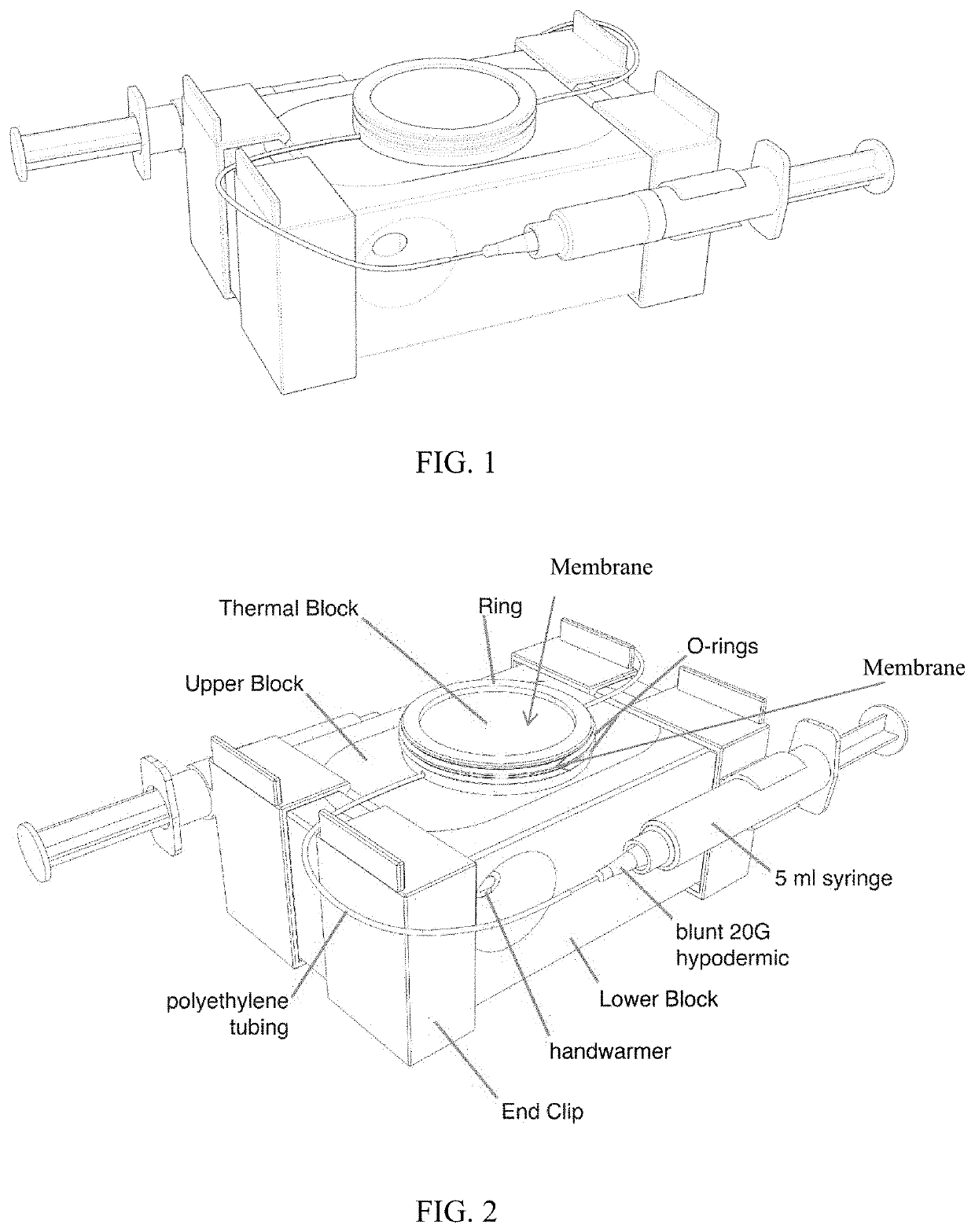
Figure 1 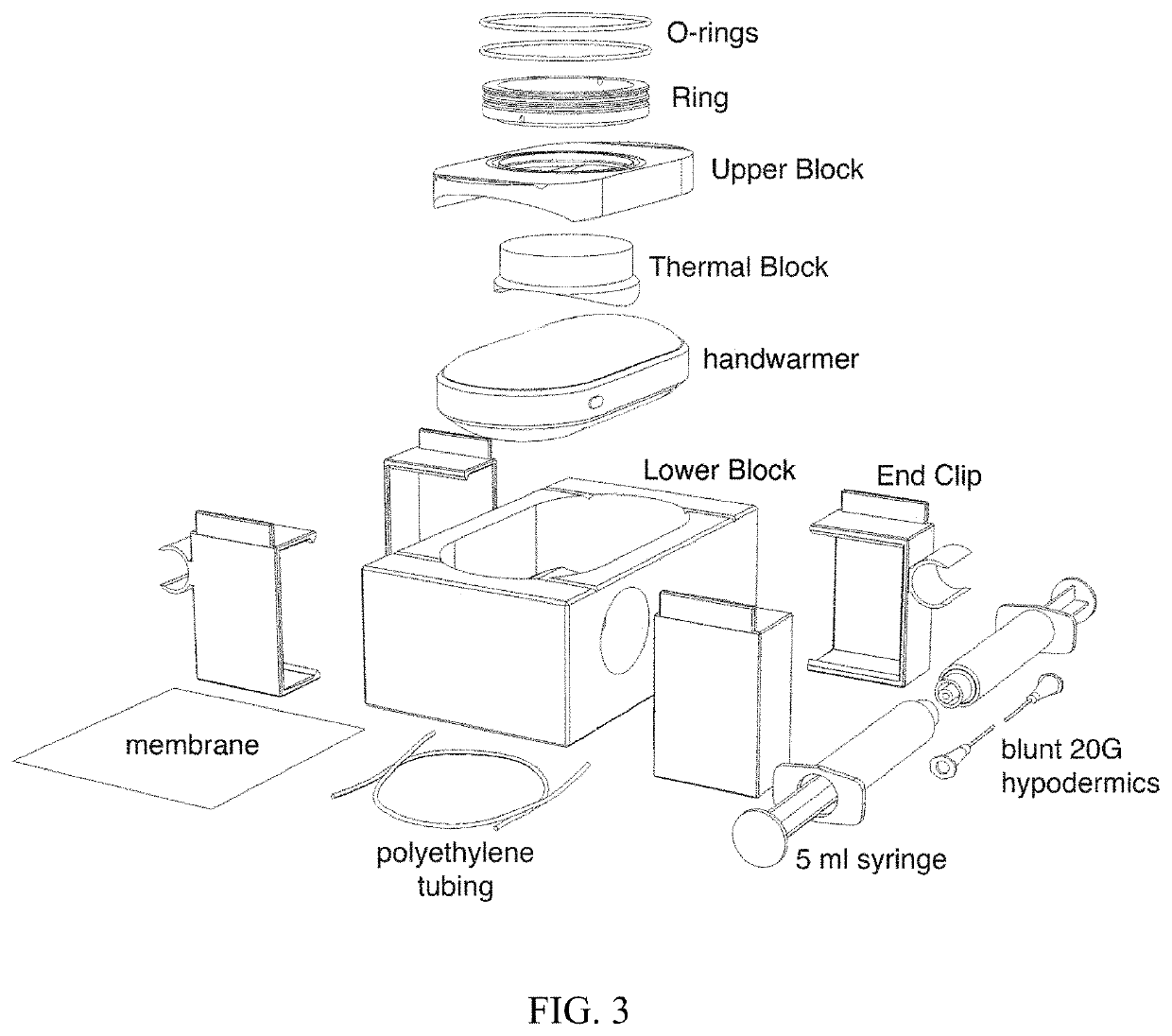
Figure 2 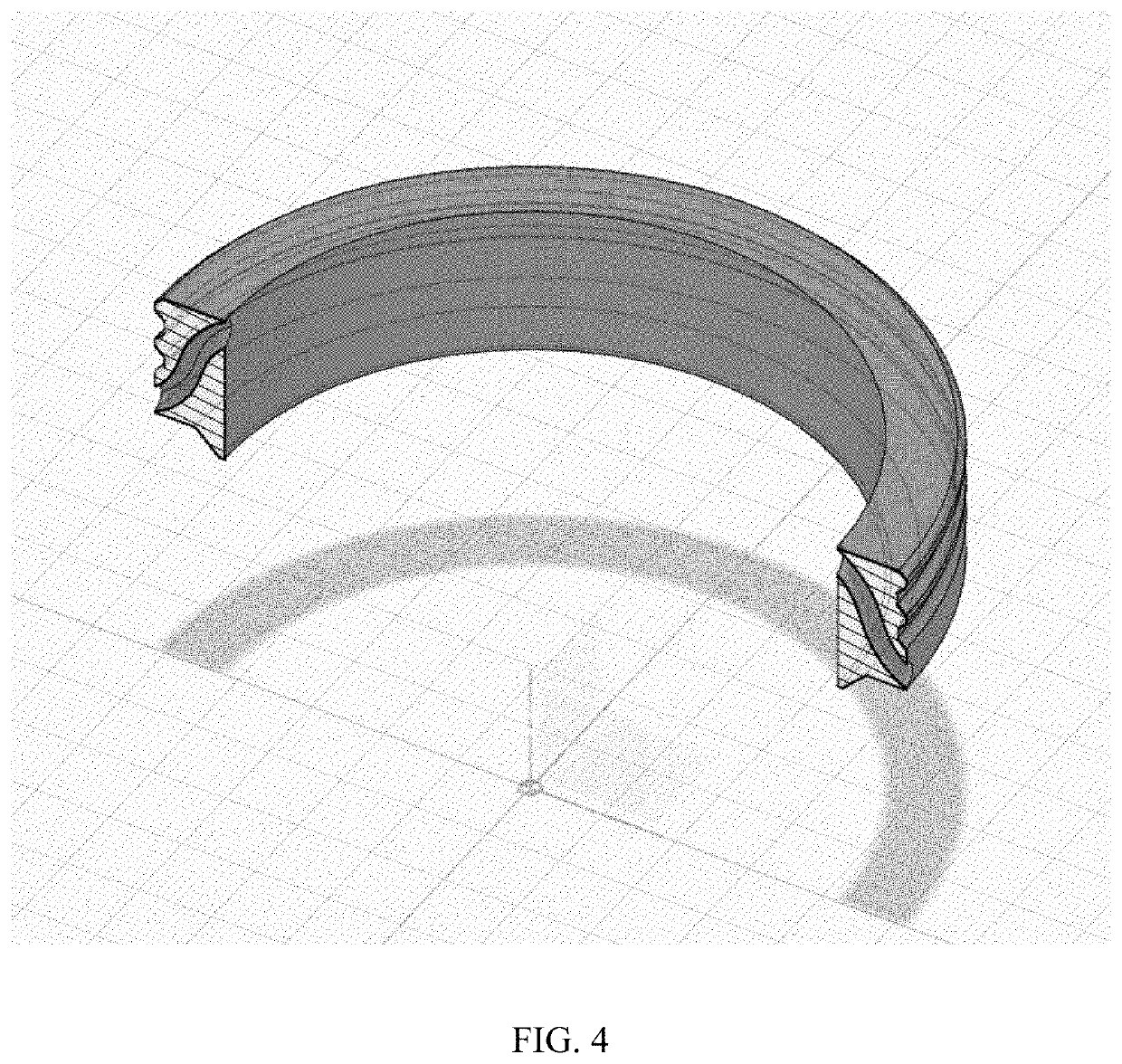
Figure 3
Abstract
Description
BACKGROUND
[0001] Hematophagous (blood-sucking) arthropods studied in the laboratory must be fed warm blood. Many blood feeder designs exist, ranging from a simple sausage casing filled with warmed defibrinated blood, to expensive systems involving blown-glass, water pumps, and / or electric heaters. The blood-filled sausage casing is portable, but it does not maintain temperature. Existing heated systems are attached to a temperature-regulating base station by hoses or electric cables, and are therefore not portable.BRIEF SUMMARY
[0002] There is a need in the art for a reliable and inexpensive blood-feeding system for hematophagous arthropods. Such a feeder should be fully self-contained with its own heat supply and inexpensive to purchase or fabricate. Embodiments of the subject invention provide novel and advantageous blood-feeding systems for hematophagous arthropods, as well as methods of fabricating and using the same. The blood-feeding systems are low-cost, portable, thermally stab...
Examples
example 1
[0052]The Pheeder was tested against a blown-glass feeder heated with water. The day before the trial, 15-day-old female Aedes aegypti mosquitoes of the Orlando strain were placed in cages (BugDorm™), 50 to a cage, with deionized water available to drink, but no sucrose. Three feeder setups were compared. Feeder 1 was a blown-glass feeder, warmed with pumped water at 36.5° C., with a membrane of Parafilm-M. Feeder 2 was a Pheeder set to the lowest heat setting, also with a membrane of Parafilm-M. Feeder 3 was a Pheeder set to the lowest heat setting, with a water-soaked collagen membrane (LEM Products™ Fresh Clear Edible Collagen Casing). While the feeders warmed up, each feeder was fit with its membrane and filled with 3 ml of defibrinated sheep's blood, spiked with adenosine triphosphate (ATP). No carbon dioxide (CO2) supplement was used to stimulate feeding. The cages were placed on their sides so the top surface was screened, and feeders were placed in the inverted position on t...