
Method of determining volume dependent hypertension via reduction in phosphorylation
a volume dependent hypertension and phosphorylation technology, applied in the field of volume dependent hypertension via phosphorylation reduction, can solve the problems of hypertension, elevated blood pressure or hypertension, and lack of accurate reliable means of detecting the presence of volume dependent hypertension involving higher arterial blood pressur
Patent Information
- Authority / Receiving Office
- US · United States
- Patent Type
- Applications(United States)
- Current Assignee / Owner
- Publication Date
- 2001-11-22
- Estimated Expiration
- Not applicable · inactive patent
Smart Images
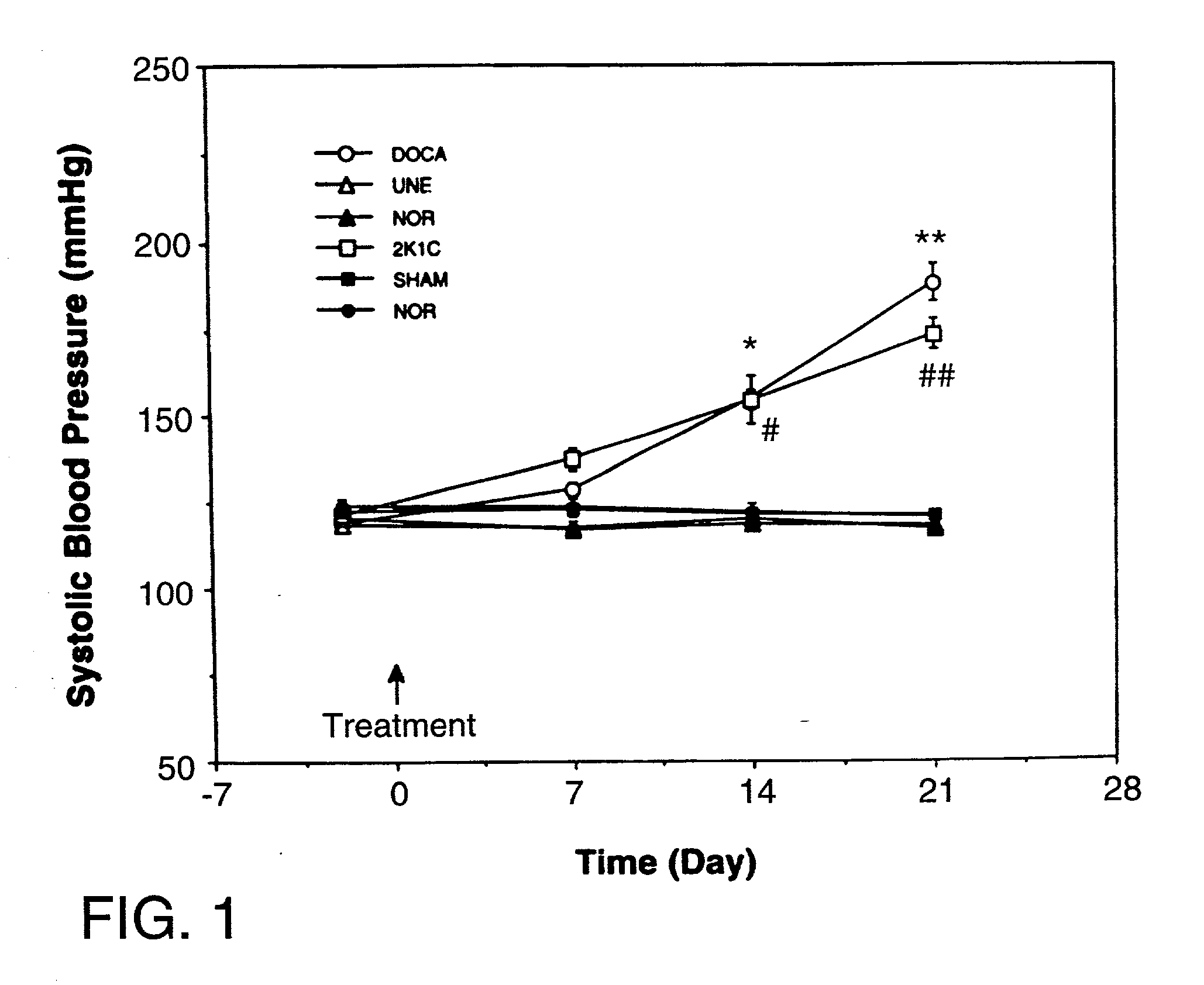
Figure 1 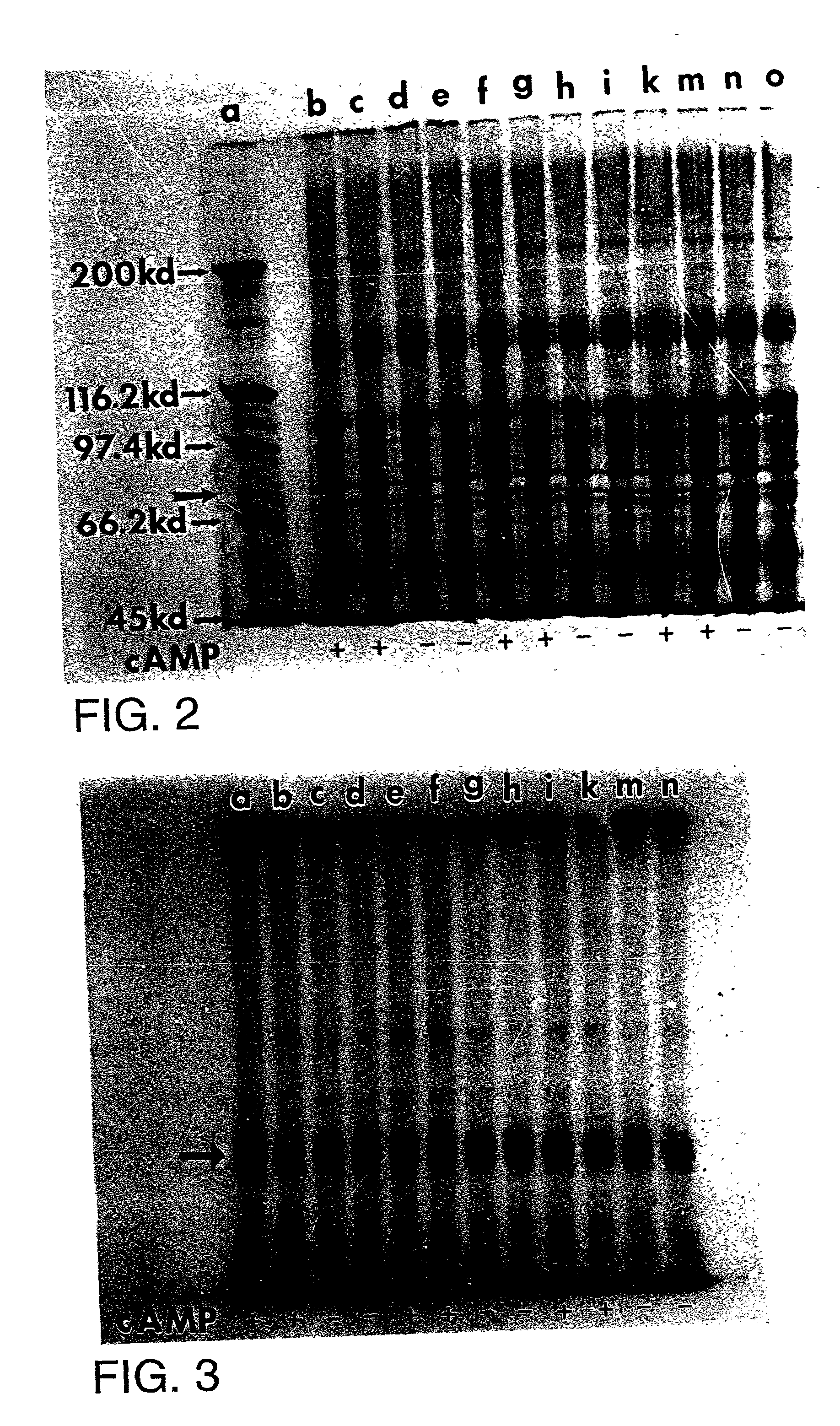
Figure 2 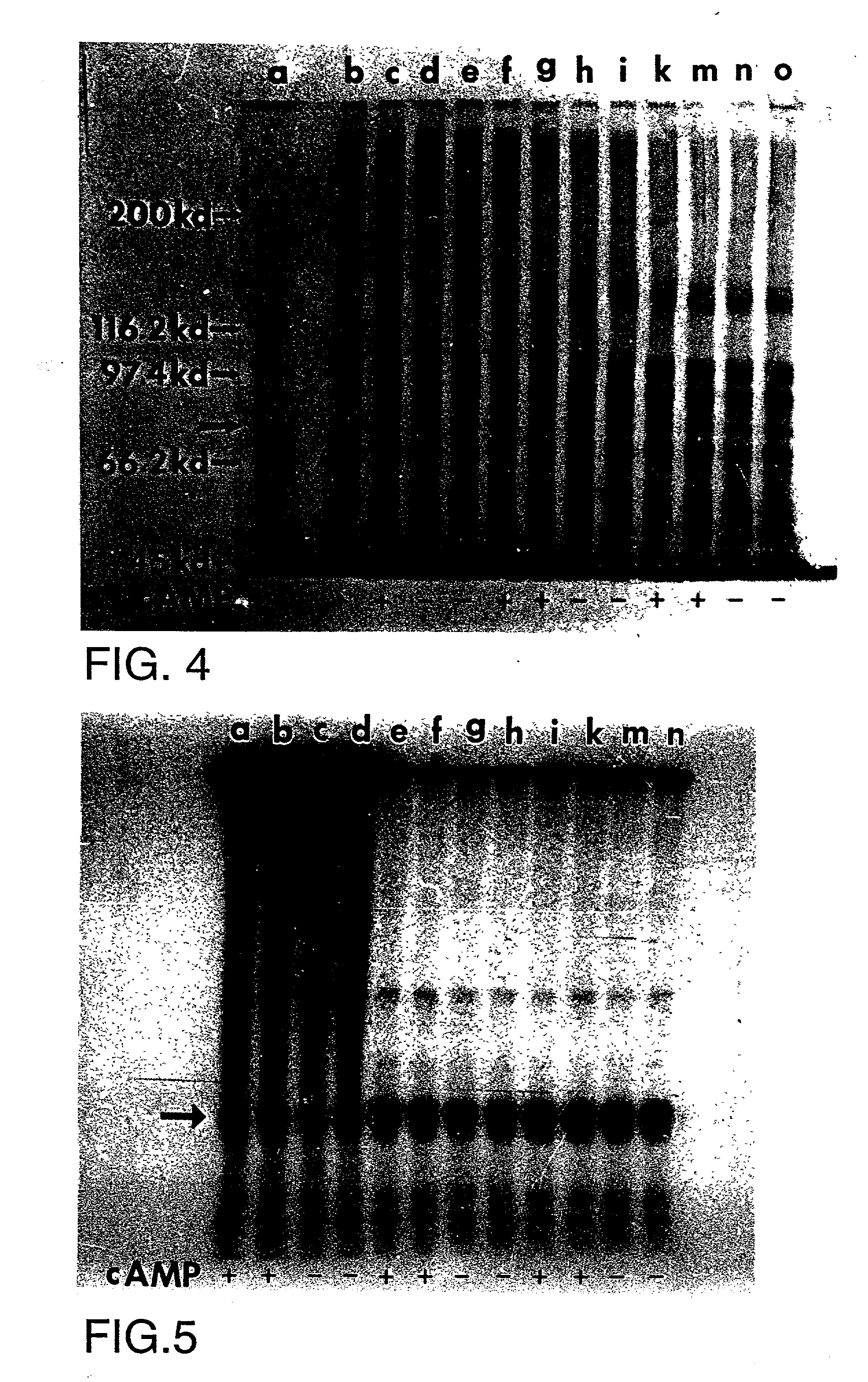
Figure 3
Abstract
Description
[0001] 1. Field of the Invention
[0002] The present invention provides a means for determining whether a patient has volume dependent hypertension and, more specifically, it provides such a method based upon determining if a substantial reduction in phosphorylation of a specific protein exists. The invention also relates to a diagnostic apparatus employable in making such determination.
[0003] 2. Description of the Prior Art
[0004] Elevated blood pressure or hypertension has long been recognized as a health problem. It is a very common disease which can have widespread effects on a patient's body and frequently, unlike numerous other diseases, is asymptomatic.
[0005] Despite known means of measuring blood pressure of a patient as by a sphygmomanometer, for example, there is lacking an accurate reliable means of detecting the presence of volume dependent hypertension involving higher arterial blood pressure by use of a body specimen, such as blood serum or blood plasma.
[0006] From a path...
Examples
Embodiment Construction
[0031] In order to confirm the reliability of substantial reduction in phosphorylation of the blood-derived protein (Mr=72,000), experiments were performed on rats selecting two models of experimental hypertension which exemplify the two major modes of chronic essential hypertension (high blood pressure).
[0032] In the first model, the effects of chronic volume expansion employing DOCA-salt hypertension as discussed in Schenk, The Pathogenesis of DOCA-salt Hypertension, J. Pharmacol. Toxicol Methods, 27:pp. 161-170 (1992) was involved. The second model related to chronic vasoconstriction. The two-kidney, one clip (2K1C) model was prepared in accordance with the procedure of Huang, et al. Bilateral Renal Function Responses to Converting Enzyme Inhibitor (SQ 20, 881) in two-kidney, one clip Goldblatt Hypertensive Rats, Hypertension, 3:pp. 285-293 (1981). The experiments in connection with both types of hypertension were conducted with a view toward determining the effect of these types...