
Method for treatment of ischaemic tissue
a tissue and ischaemic technology, applied in the field of ischaemic cardiac tissue, can solve the problems of reducing tissue function, reducing tissue flow to the tissue, and reducing tissue function, so as to maintain tissue function, stimulate and/or restore the function of those cells, and reduce damage
Patent Information
- Authority / Receiving Office
- US · United States
- Patent Type
- Applications(United States)
- Current Assignee / Owner
- Publication Date
- 2007-03-15
- Estimated Expiration
- Not applicable · inactive patent
Smart Images
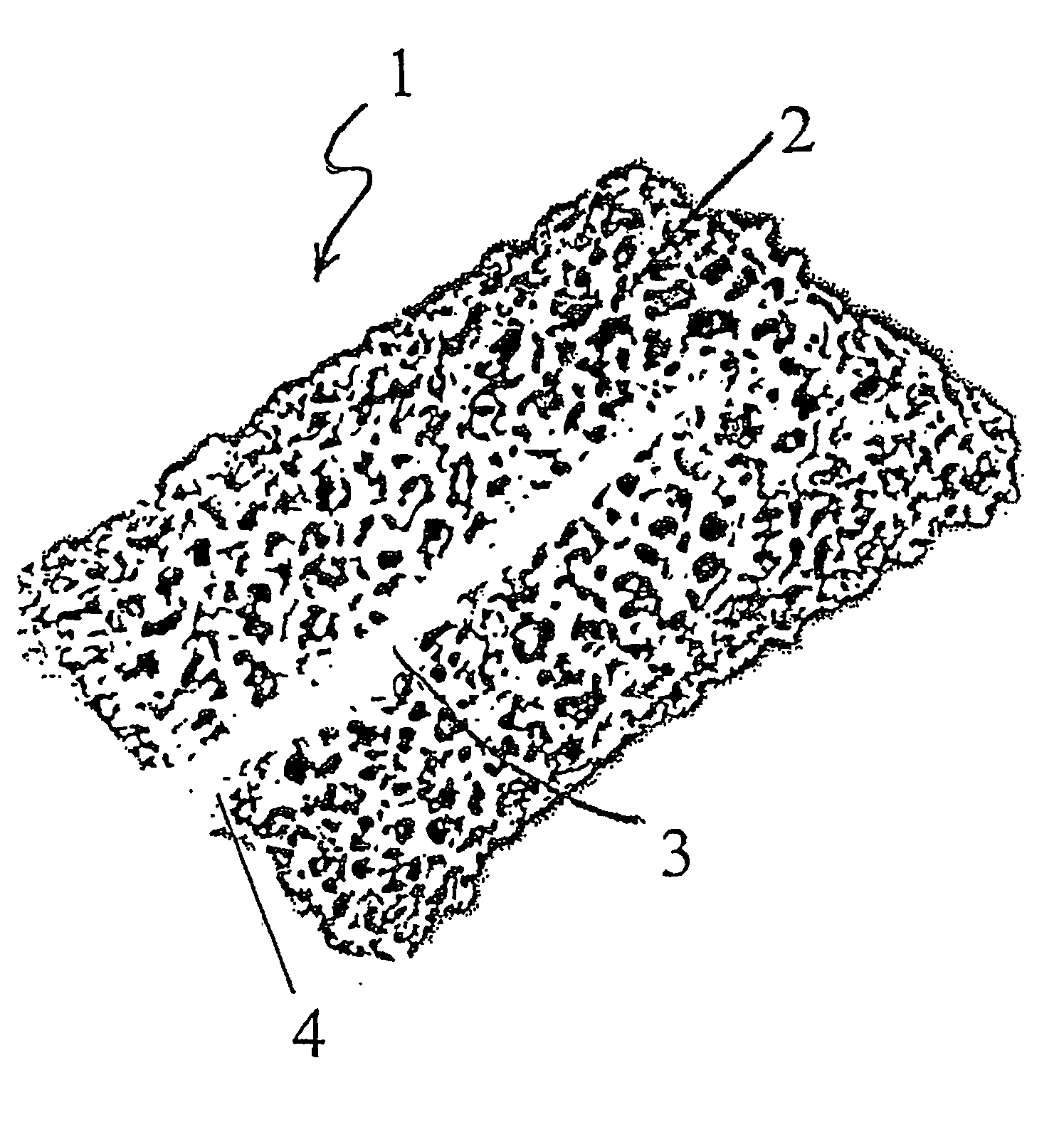
Figure 1 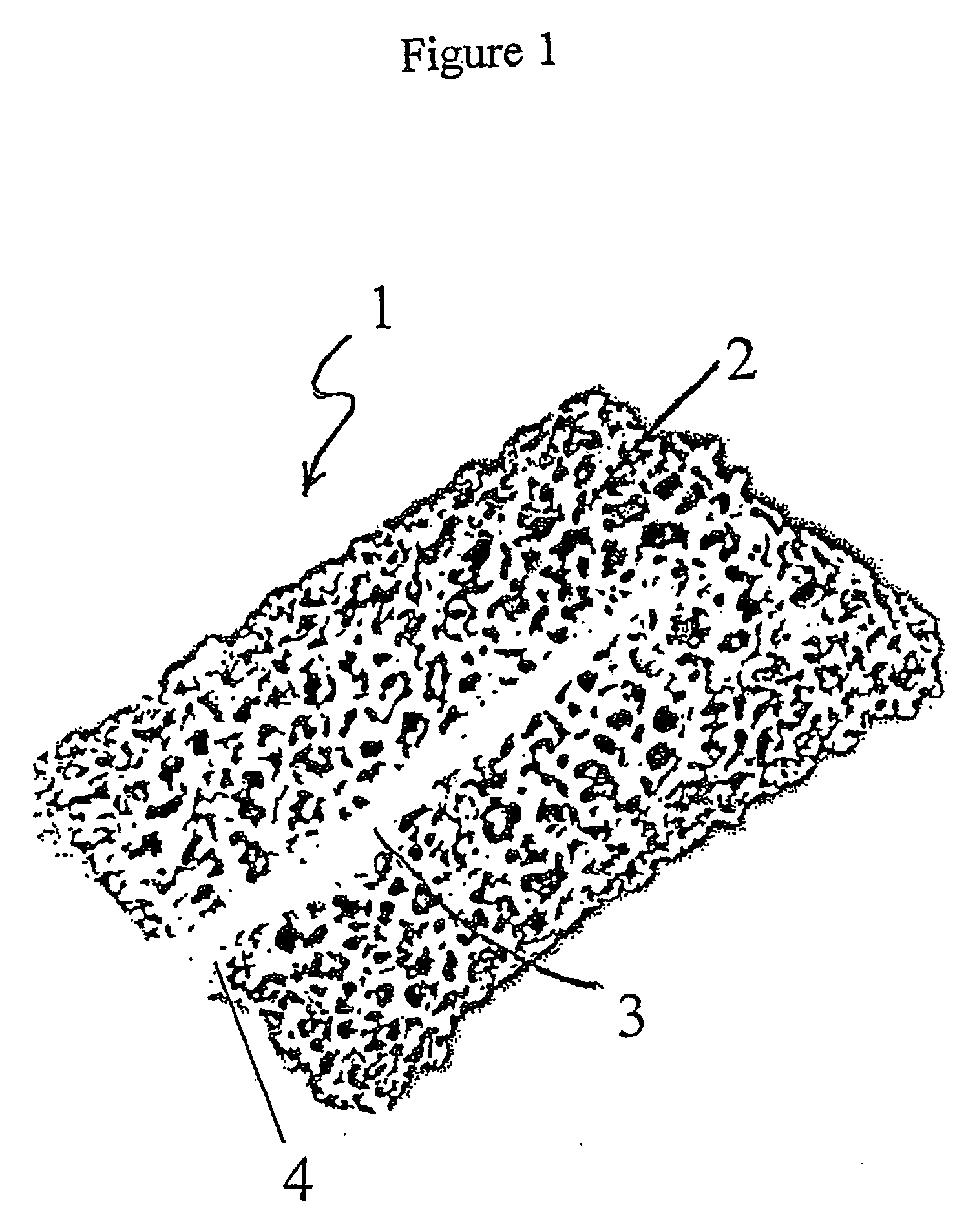
Figure 2 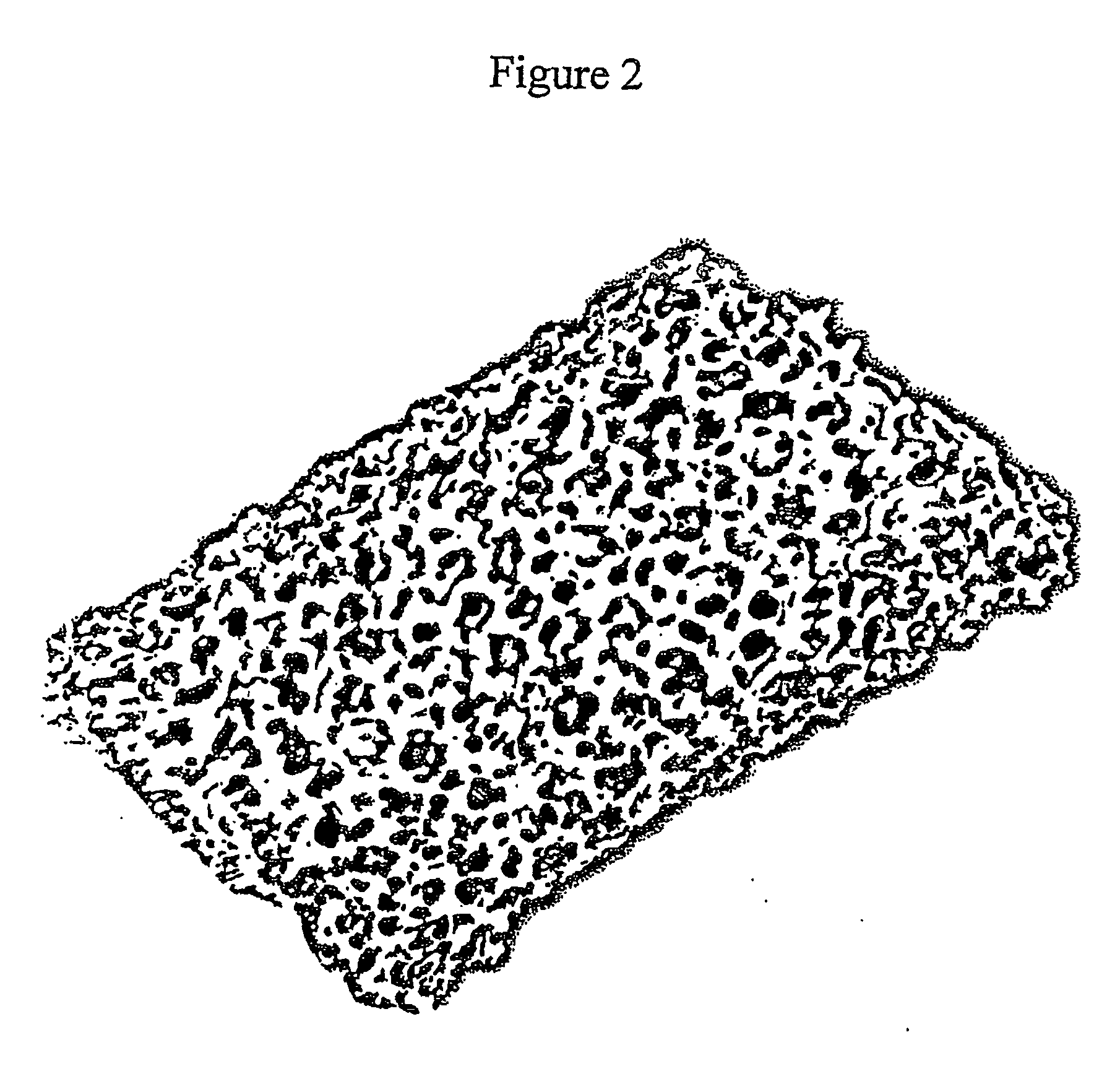
Figure 3
Abstract
Description
FIELD OF THE INVENTION
[0001] The invention relates to the use of a sponge-like element to promote tissue growth and angiogenesis for treatment of ischaemic tissue, particularly, ischaemic cardiac tissue. BACKGROUND OF THE INVENTION
[0002] The growth and maintenance of healthy tissue is dependent on vascularisation within the tissue to provide the necessary requirements for constituent cell growth and maintenance of the tissue. Consequently, circumstances which lead to depletion or loss of vascularisation may lead to reduction in blood flow to the tissue and reduced tissue function.
[0003] Diseases that result from a reduction of blood flow and as a result, reduced tissue function, constitute a significant health problem in industrialised countries. For example, ischaemic heart disease results from depleted blood flow in the heart muscle. The loss of blood flow to regions of the heart muscle may result in reduction of heart muscle function, or damage to the heart muscle as is the ca...
Examples
Embodiment Construction
[0068]FIGS. 1 and 2 illustrate two separate embodiments of the element. The sponge-like element is made from polyurethane that is porous, low density, non-degradable, absorptive and resistant to wear and tear by the constant beating of the heart. The sponge-like element has a low inflammatory potential and supports seeding or impregnation with cellular phenotypes. The compliance of the sponge-like element matches the mechanical properties of the myocardium. Compliance matching of the sponge-like element with myocardium tissue would reduce or prevent chronic inflammation in the myocardial tissue surrounding the implant. The pores 2 of the sponge-like element are between 50 and 200 microns in diameter, and are interconnected throughout the element. Recess 3 (in FIG. 1) extends along a substantial portion of the length of the element. FIG. 2 illustrates a similar sponge-like element but without the recessed portion.
[0069] In one embodiment, the recess of the element illustrated in FIG...