
Bumper-beam for an automobile
Patent Information
- Authority / Receiving Office
- US · United States
- Current Assignee / Owner
- Publication Date
- 2007-11-01
Smart Images
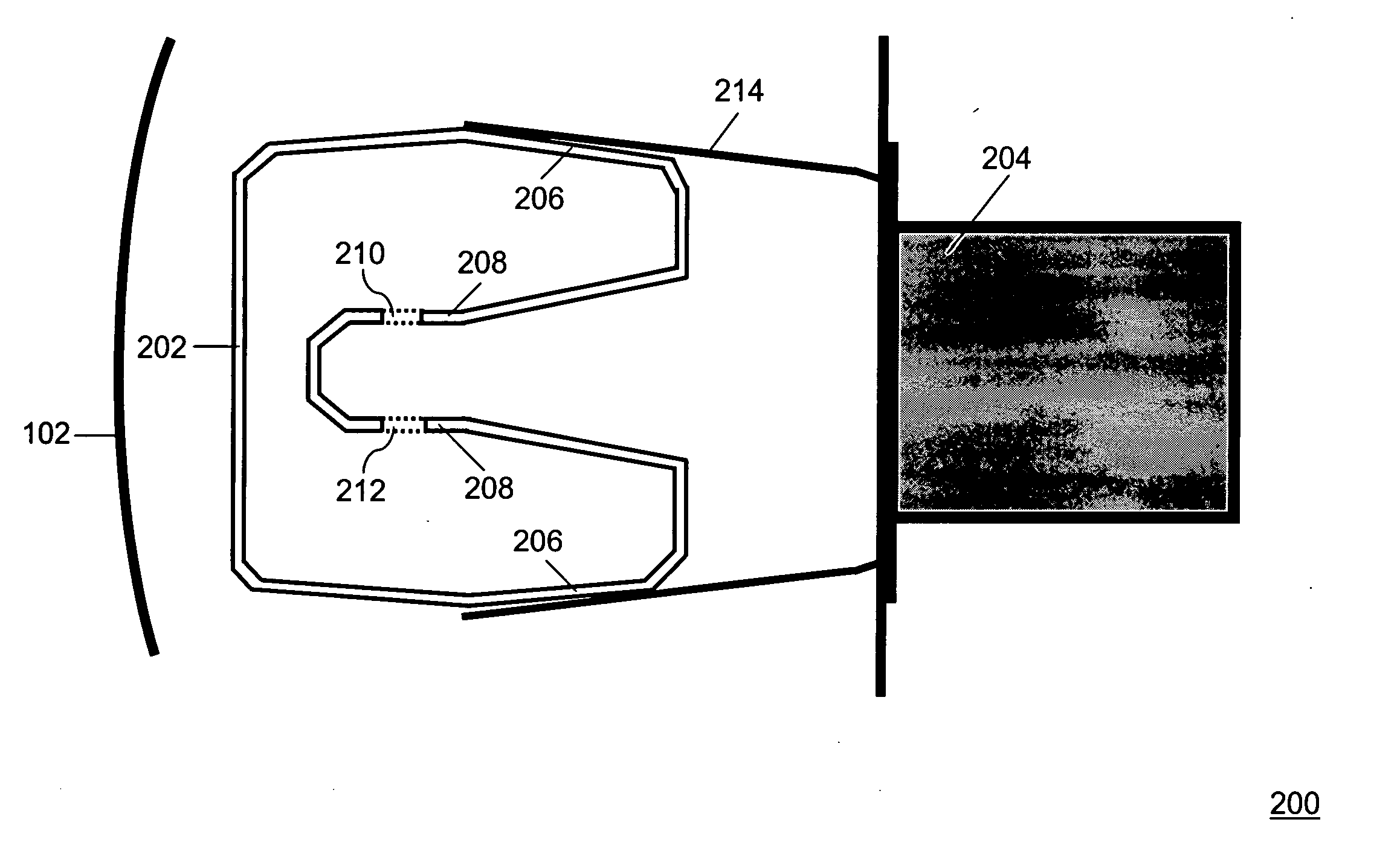
Figure 1 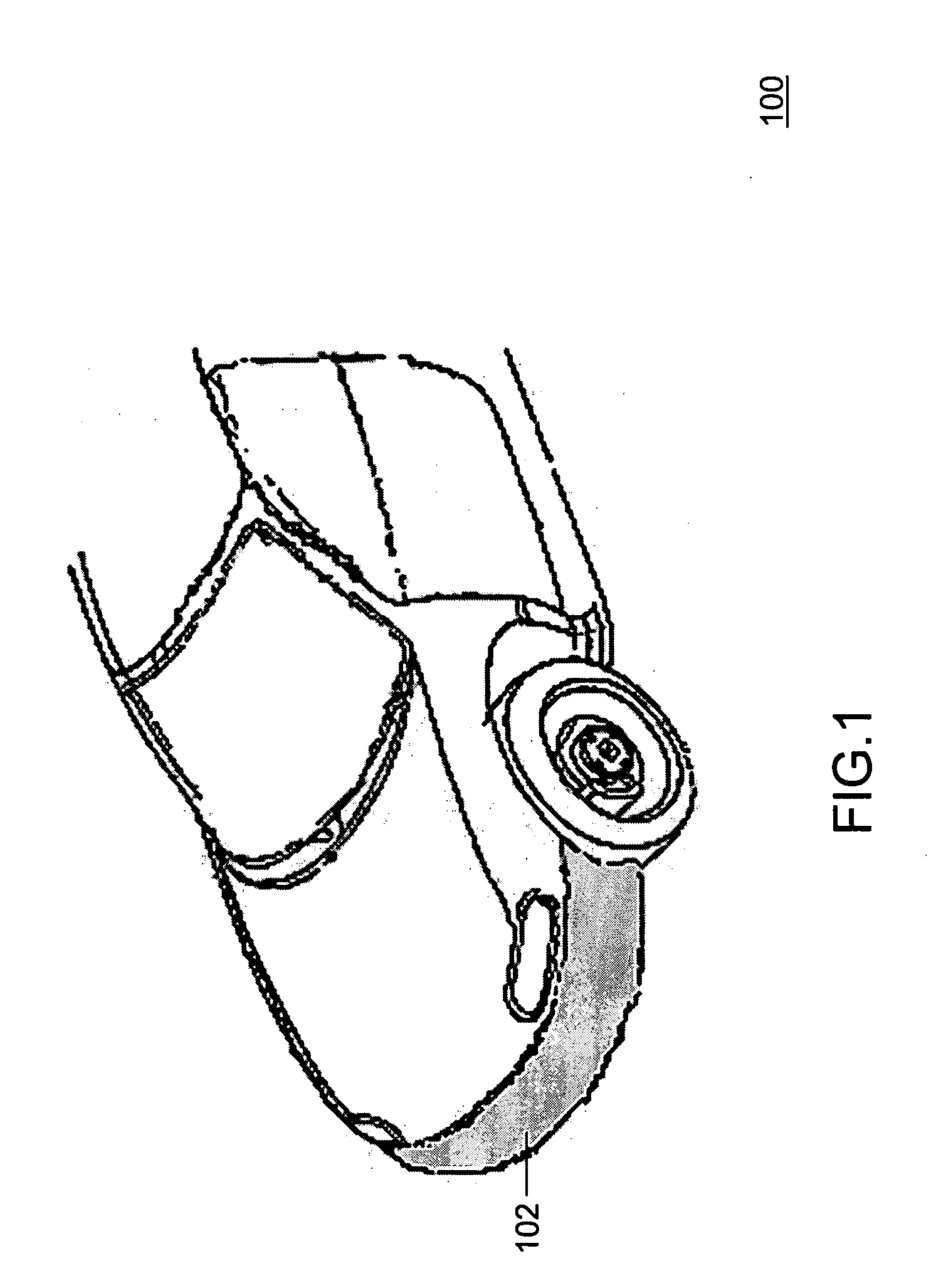
Figure 2 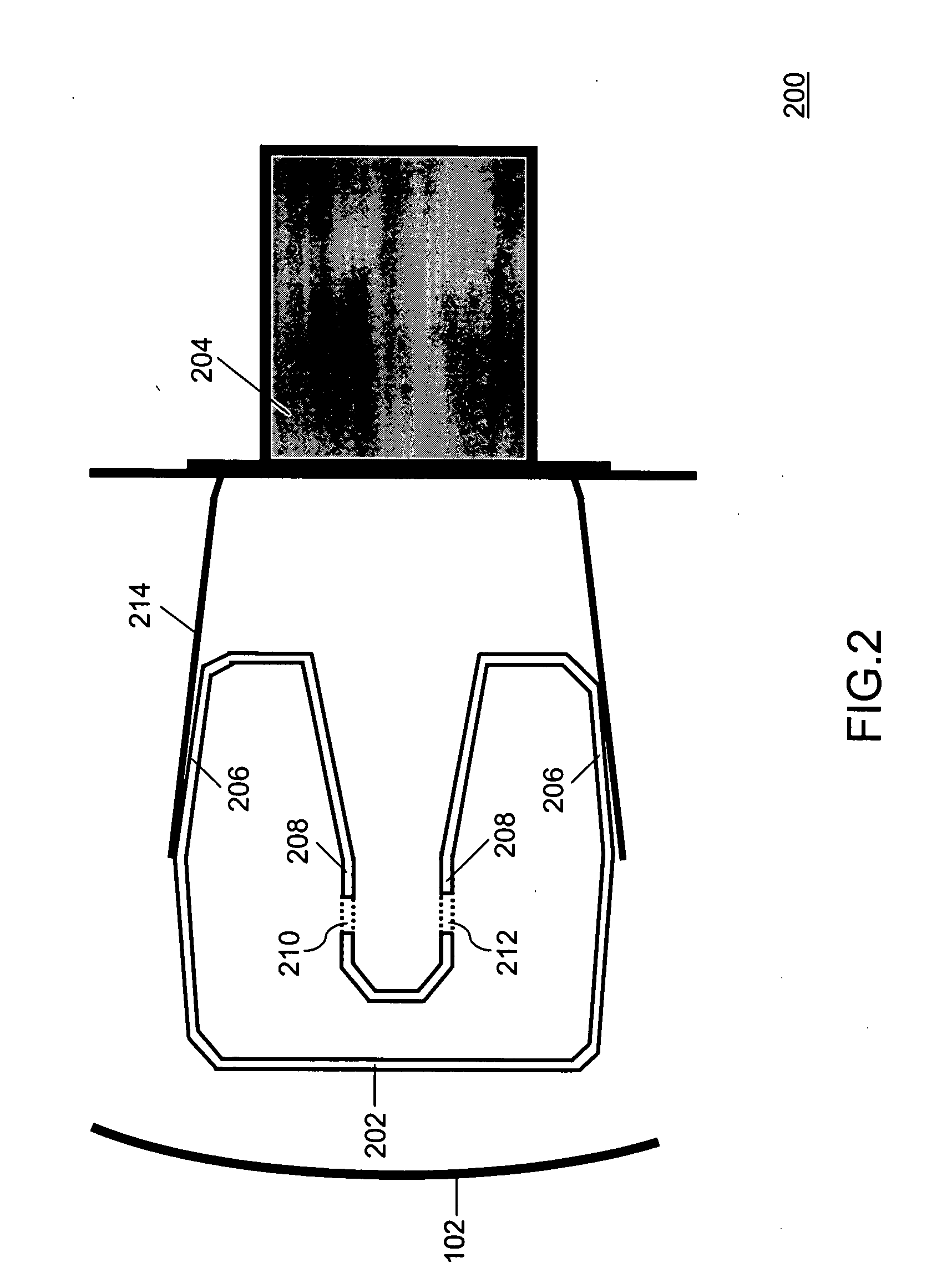
Figure 3
Abstract
Description
FIELD OF THE INVENTION
[0001] The present invention generally relates to automobiles. More particularly, it relates to a bumper-beam for an automobile. BACKGROUND OF THE INVENTION
[0002] Bumpers are attached to the front and the rear ends of automobiles such as cars, trucks and vans. They reduce damage to the automobile, specifically to the engine and the fuel tank, in the event of a front or rear collision. They can be made of a material such as plastic, acrylic and steel and improve the visual appearance of the automobile. The bumper envelops a bumper-beam, which is connected to the rails of the chassis that supports various components such as the engine and body of the automobile. The bumper-beam can absorb the force generated due to an impact on the bumper, such as during a front or rear collision, by deforming and buckling. This is referred to as crush-space utilization. Better crush-space utilization in the bumper-beam reduces the amount of force transmitted to the engine, the...
Examples
Embodiment Construction
[0016] The present invention describes a bumper-beam for an automobile. The bumper-beam has a first set of surfaces and a second set of surfaces. The first set of surfaces is inclined at a pre-defined angle with respect to a pre-defined plane. The pre-defined angle ensures that the first set of surfaces buckle outward during an impact on the bumper-beam. A plurality of slots is provided on the second set of surfaces that facilitate the bumper-beam to crush during the impact on it.
[0017] The present invention also describes a safety-system for an automobile. This safety-system has a B-section bumper-beam and one or more rails. The B-section bumper-beam includes a first set of surfaces and a second set of surfaces. The first set of surfaces is inclined at a pre-defined angle with respect to a pre-defined plane. The pre-defined angle can lie in a range between 1 degree and 3 degrees. The pre-defined angle ensures that the first set of surfaces buckle outward during an impact on the B-...