
Devices, processes, and systems for determination of nucleic acid sequence, expression, copy number, or methylation changes using combined nuclease, ligase, polymerase, and sequencing reactions
a technology of nucleic acid sequence and process, applied in the field of devices, processes, and systems for determining nucleic acid sequence, expression, copy number, or methylation changes using combined nuclease, ligase, polymerase, sequencing reactions, can solve the problems of not being able to meet current sequencing technology, give the best treatment, and technical challenges, so as to save $300 billion in annual healthcare costs, accurate identification and enumeration of targets
Patent Information
- Authority / Receiving Office
- US · United States
- Patent Type
- Applications(United States)
- Current Assignee / Owner
- Publication Date
- 2020-02-06
Smart Images
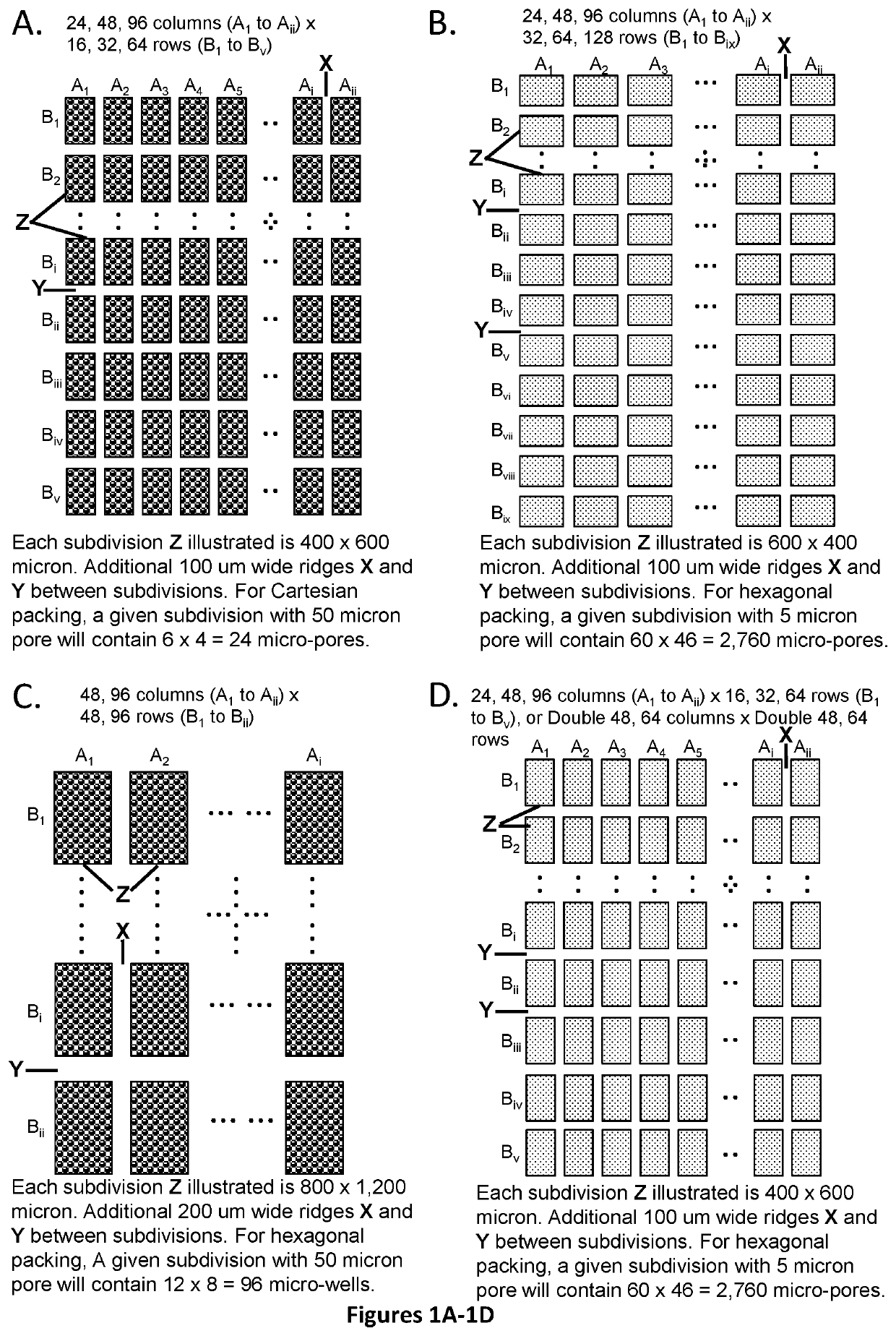
Figure 1 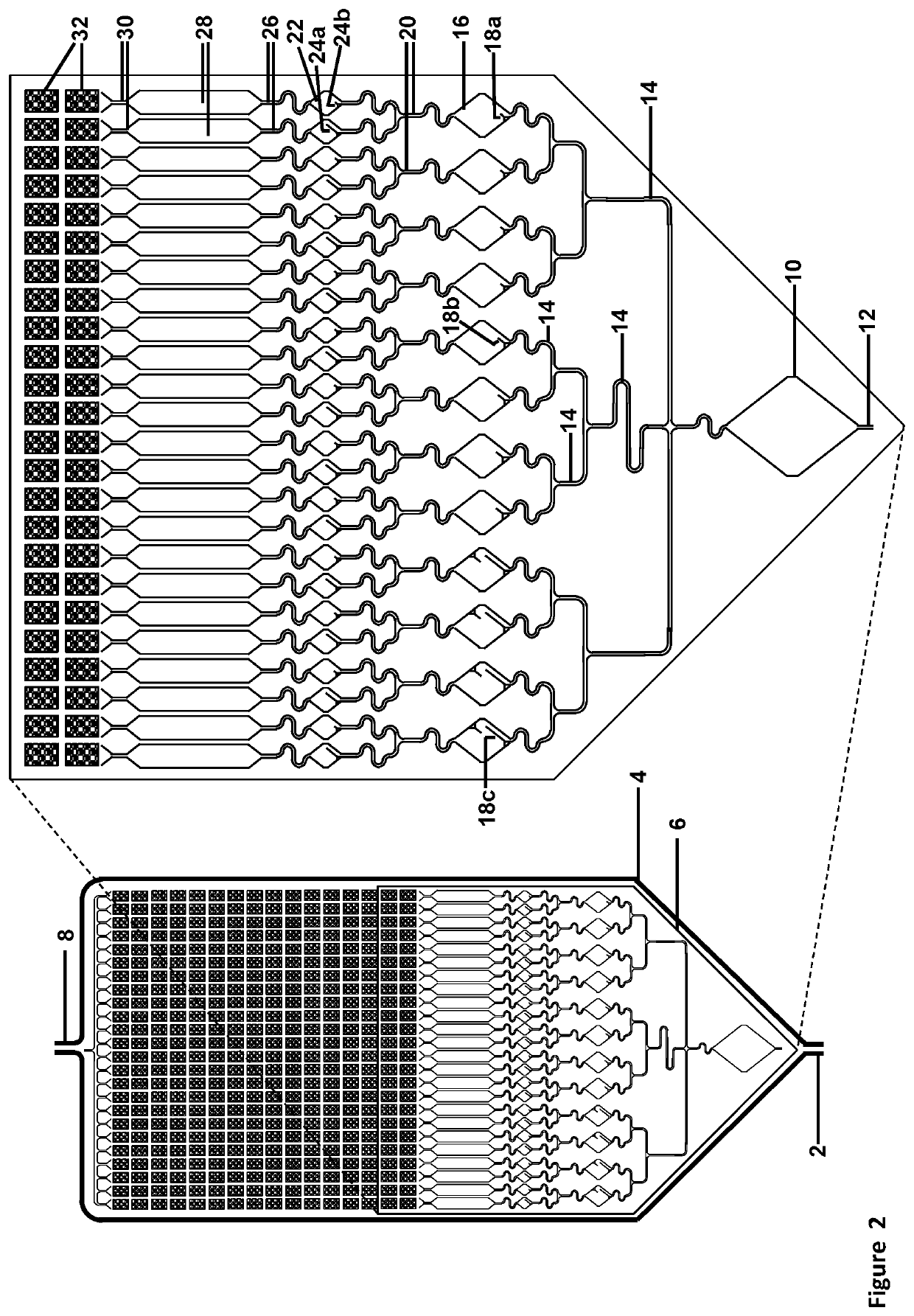
Figure 2 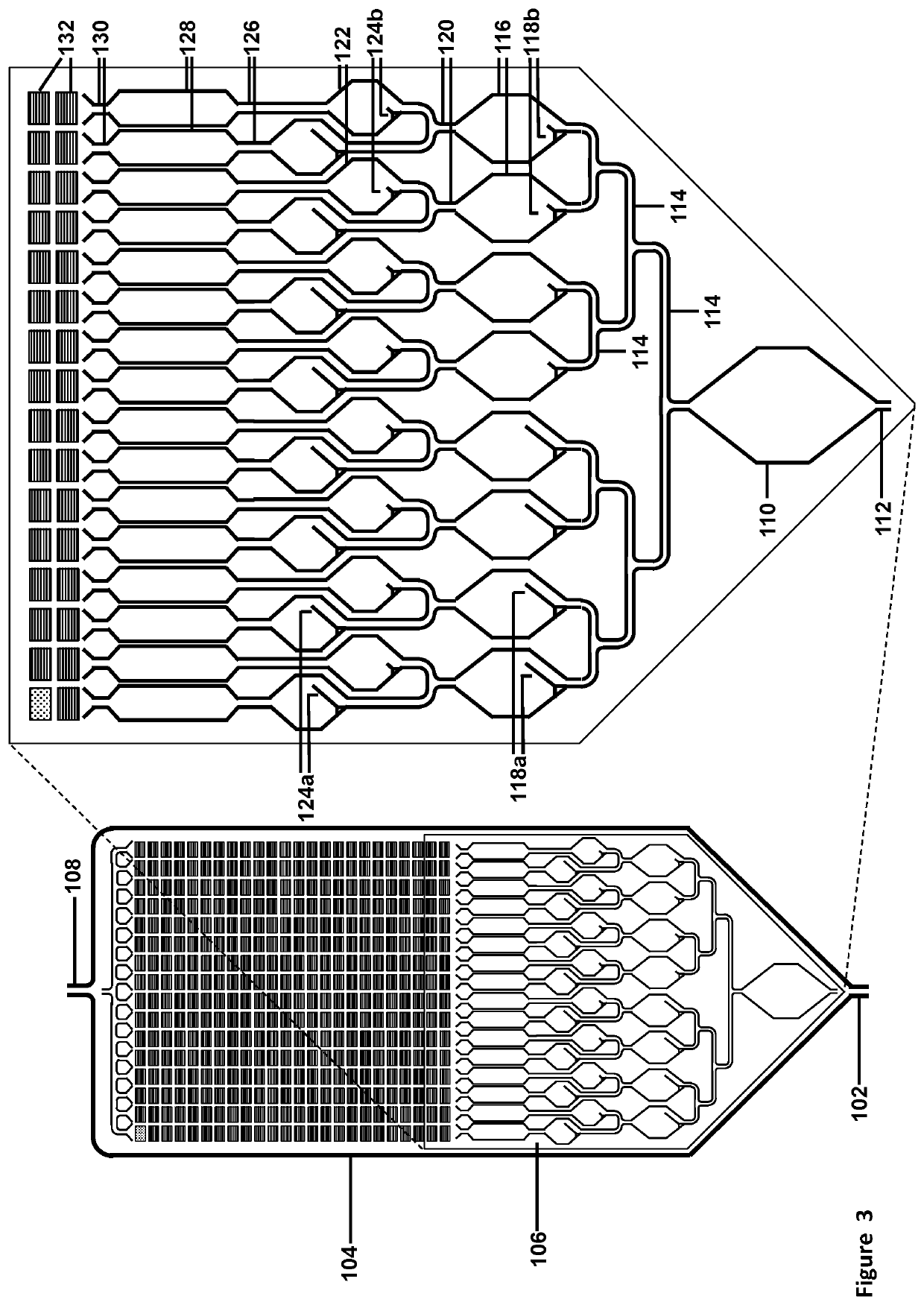
Figure 3
Abstract
Description
[0001] This application claims the priority benefit of U.S. Provisional Patent Application Ser. No. 62 / 478,412, filed Mar. 29, 2017, which is hereby incorporated by reference in its entirety.FIELD OF THE INVENTION
[0002] The present invention relates to devices, processes, and systems for determination of nucleic acid sequence, expression, copy number, or methylation changes using combined nuclease, ligation, polymerase, and sequencing reactions.BACKGROUND OF THE INVENTION
[0003] Advances in DNA sequencing hold the promise to standardize and develop non-invasive molecular diagnosis to improve prenatal care, transplantation efficacy, cancer and other disease detection and individualized treatment. Currently, patients with predisposing or early disease are not identified, and those with disease are not given the best treatment—all because of failures at the diagnostic level.
[0004] In the cancer field, there is a need to develop such technology for early detection, guiding therapy, and monit...
Examples
examples
Prophetic Example 1—Use of PCR-PCR-Taqman™ or PCR-PCR Unitaq Detection for Unknown Pathogen Identification and Quantification
[0307]The assay described below would use a cartridge with 24×16=384 (or optional 768) subdivisions for 9,216 micro-well or micro-pore array format, with 24 micro-wells or micro-pores per subdivision, and 384 micro-wells or micro-pores per column (using pre-spotted array): Please see FIGS. 16, 17, 18, and 24.
[0308]The assay may be designed to detect and quantify 384, 768, or 1,536 potential targets. Preparation of the cartridge would require spotting 24× of either 16, 32, or 64 nested PCR primer pairs on the front side of the array, with adding UniTaq or Universal Tag primer and target-specific probe sets at right angles and drying them down before cartridge assembly.
[0309]1. Initial multiplexed amplification of the sample—384, 768, or 1536 potential targets. Perform 9 cycles of multiplexed PCR in the Initial Reaction chamber, yielding a maximum of 512 copies ...
##ic example 21
Prophetic Example 21—Example of LDR Primer Design with Separate Split UniTaq
Probe (UniSpTq)
[0510]Example of LDR Primer Design with Separate Split UniTaq Probe:
[0511](Tm=65.2) (150 bp total; 60 bp TS DNA)
Upstream LDR primer sequence: (Ai-Bi′-zi-TS) 5′-TCAGTATCGGCGTAGTCACCCGAGTTTCCTTG-A-TCACTTTCGGAC(SEQ ID NO: 46) (Upstream-Target-Sequence; 30 bp)-ribose base-first 4 downstream bases-3′ Block Downstream LDR primer sequence: (TS-zi′-Bj′-Ci′) 5′-(Downstream-Target-Sequence; 30 bp) GTCCGAAAGTGA-A-GCTGACTGTGAGGTGCGGAAACCTATCGTCGA-3′ (SEQ ID NO: 47) 1st UniTaq Primer: (Ai) 5′-TCAGTATCGGCGTAGTCACC-3′ (SEQ ID NO: 48) 2nd UniTaq primer: Ci 5′-TCGACGATAGGTTTCCGCAC-3′ (SEQ ID NO: 49) UniTaq Probe: (F1-Bj,Bi-Q) 5′-F1-CTCACAGTCAGC-A-CAAGGAAACTCG-Q-3′ (SEQ ID NO: 50) Full length PCR product: 5′-TCAGTATCGGCGTAGTCACCCGAGTTTCCTTG-A-TCACTTTCGGAC(SEQ ID NO: 51) (Upstream-Target-Sequence; 30 bp) (Downstream-Target-Sequence; 30 bp) GTCCGAAAGTGA-A-GCTGACTGTGAGGTGCGGAAACCTATCGTCGA-3′ (SEQ ID NO: 52)Notes b...