
Engineering UV Chorochemistry with Propyne Innovations
JUL 30, 20259 MIN READ
Generate Your Research Report Instantly with AI Agent
Patsnap Eureka helps you evaluate technical feasibility & market potential.
UV Chorochemistry Background and Objectives
UV photochemistry has been a cornerstone of synthetic organic chemistry for decades, offering unique pathways for molecular transformations that are often challenging or impossible through conventional thermal reactions. The field has seen significant advancements since its inception in the early 20th century, with continuous improvements in light sources, reaction conditions, and substrate scope. The integration of propyne innovations represents a new frontier in this evolving landscape, promising to expand the versatility and efficiency of UV-mediated reactions.
The primary objective of engineering UV photochemistry with propyne innovations is to harness the unique reactivity of triple bonds in conjunction with UV-induced excitation states. This synergy aims to unlock novel reaction pathways, enhance selectivity, and improve overall reaction yields. By leveraging the high energy and directionality of propyne moieties, researchers seek to overcome traditional limitations in UV photochemistry, such as poor regioselectivity and unwanted side reactions.
Recent technological advancements have paved the way for more precise control over UV light sources, including the development of high-intensity LEDs and tunable lasers. These innovations allow for finer manipulation of reaction conditions, enabling chemists to target specific electronic transitions and minimize undesired photodegradation. Concurrently, the exploration of propyne chemistry has revealed its potential as a versatile building block in organic synthesis, particularly in cycloaddition reactions and metal-catalyzed transformations.
The convergence of UV photochemistry and propyne innovations is driven by the growing demand for sustainable and efficient synthetic methodologies in various industries, including pharmaceuticals, materials science, and agrochemicals. This approach aligns with the principles of green chemistry by potentially reducing reaction steps, minimizing waste, and utilizing renewable energy sources. Furthermore, it opens up possibilities for the synthesis of complex molecular architectures that were previously challenging to access.
As the field progresses, researchers are focusing on several key areas: optimizing light absorption and energy transfer processes, developing novel photocatalysts that can interact effectively with propyne-containing substrates, and exploring the potential of flow chemistry to enhance scalability and reproducibility. The ultimate goal is to establish a robust toolkit of UV-mediated propyne transformations that can be readily applied in both academic and industrial settings, revolutionizing the way chemists approach challenging synthetic problems.
The primary objective of engineering UV photochemistry with propyne innovations is to harness the unique reactivity of triple bonds in conjunction with UV-induced excitation states. This synergy aims to unlock novel reaction pathways, enhance selectivity, and improve overall reaction yields. By leveraging the high energy and directionality of propyne moieties, researchers seek to overcome traditional limitations in UV photochemistry, such as poor regioselectivity and unwanted side reactions.
Recent technological advancements have paved the way for more precise control over UV light sources, including the development of high-intensity LEDs and tunable lasers. These innovations allow for finer manipulation of reaction conditions, enabling chemists to target specific electronic transitions and minimize undesired photodegradation. Concurrently, the exploration of propyne chemistry has revealed its potential as a versatile building block in organic synthesis, particularly in cycloaddition reactions and metal-catalyzed transformations.
The convergence of UV photochemistry and propyne innovations is driven by the growing demand for sustainable and efficient synthetic methodologies in various industries, including pharmaceuticals, materials science, and agrochemicals. This approach aligns with the principles of green chemistry by potentially reducing reaction steps, minimizing waste, and utilizing renewable energy sources. Furthermore, it opens up possibilities for the synthesis of complex molecular architectures that were previously challenging to access.
As the field progresses, researchers are focusing on several key areas: optimizing light absorption and energy transfer processes, developing novel photocatalysts that can interact effectively with propyne-containing substrates, and exploring the potential of flow chemistry to enhance scalability and reproducibility. The ultimate goal is to establish a robust toolkit of UV-mediated propyne transformations that can be readily applied in both academic and industrial settings, revolutionizing the way chemists approach challenging synthetic problems.
Market Analysis for UV-Activated Propyne Products
The market for UV-activated propyne products is experiencing significant growth, driven by increasing demand across various industries. The global market size for these products is projected to expand at a robust rate over the next five years, with particularly strong growth in the adhesives, coatings, and electronics sectors. This growth is attributed to the unique properties of propyne-based materials when activated by UV light, offering rapid curing, improved durability, and enhanced performance characteristics.
In the adhesives industry, UV-activated propyne products are gaining traction due to their ability to provide instant bonding and superior strength. These products are increasingly used in automotive, aerospace, and medical device manufacturing, where precision and reliability are crucial. The automotive sector, in particular, is adopting these materials for lightweight construction and assembly processes, contributing to fuel efficiency and overall vehicle performance.
The coatings market is another key area of application for UV-activated propyne products. These materials offer excellent scratch resistance, chemical resistance, and weatherability, making them ideal for use in protective coatings for electronics, furniture, and automotive finishes. The demand for eco-friendly and low-VOC coatings is further driving the adoption of UV-curable propyne-based formulations.
In the electronics industry, UV-activated propyne products are finding applications in the production of printed circuit boards, semiconductor packaging, and display technologies. The rapid curing properties of these materials enable faster production cycles and improved miniaturization capabilities, aligning with the industry's trend towards smaller, more powerful electronic devices.
Geographically, North America and Europe currently lead the market for UV-activated propyne products, owing to their advanced manufacturing sectors and stringent environmental regulations. However, the Asia-Pacific region is expected to witness the highest growth rate in the coming years, driven by the expanding electronics manufacturing industry and increasing adoption of advanced materials in countries like China, Japan, and South Korea.
Key market players in this sector include multinational chemical companies and specialized materials manufacturers. These companies are investing heavily in research and development to create innovative formulations and expand the application range of UV-activated propyne products. Collaborations between material suppliers and end-users are becoming more common, fostering the development of customized solutions for specific industry needs.
Despite the positive outlook, challenges remain in the widespread adoption of UV-activated propyne products. These include the need for specialized equipment for UV curing, which can represent a significant initial investment for manufacturers. Additionally, ensuring consistent curing in complex geometries and addressing potential health and safety concerns associated with UV exposure are areas that require ongoing attention and innovation.
In the adhesives industry, UV-activated propyne products are gaining traction due to their ability to provide instant bonding and superior strength. These products are increasingly used in automotive, aerospace, and medical device manufacturing, where precision and reliability are crucial. The automotive sector, in particular, is adopting these materials for lightweight construction and assembly processes, contributing to fuel efficiency and overall vehicle performance.
The coatings market is another key area of application for UV-activated propyne products. These materials offer excellent scratch resistance, chemical resistance, and weatherability, making them ideal for use in protective coatings for electronics, furniture, and automotive finishes. The demand for eco-friendly and low-VOC coatings is further driving the adoption of UV-curable propyne-based formulations.
In the electronics industry, UV-activated propyne products are finding applications in the production of printed circuit boards, semiconductor packaging, and display technologies. The rapid curing properties of these materials enable faster production cycles and improved miniaturization capabilities, aligning with the industry's trend towards smaller, more powerful electronic devices.
Geographically, North America and Europe currently lead the market for UV-activated propyne products, owing to their advanced manufacturing sectors and stringent environmental regulations. However, the Asia-Pacific region is expected to witness the highest growth rate in the coming years, driven by the expanding electronics manufacturing industry and increasing adoption of advanced materials in countries like China, Japan, and South Korea.
Key market players in this sector include multinational chemical companies and specialized materials manufacturers. These companies are investing heavily in research and development to create innovative formulations and expand the application range of UV-activated propyne products. Collaborations between material suppliers and end-users are becoming more common, fostering the development of customized solutions for specific industry needs.
Despite the positive outlook, challenges remain in the widespread adoption of UV-activated propyne products. These include the need for specialized equipment for UV curing, which can represent a significant initial investment for manufacturers. Additionally, ensuring consistent curing in complex geometries and addressing potential health and safety concerns associated with UV exposure are areas that require ongoing attention and innovation.
Current Challenges in UV Chorochemistry
UV photochemistry has made significant strides in recent years, yet several challenges persist in its application and optimization. One of the primary obstacles is the limited wavelength range of traditional UV light sources, which restricts the types of reactions that can be efficiently catalyzed. This limitation often leads to suboptimal reaction conditions and reduced yields, particularly for complex organic syntheses.
Another significant challenge lies in the control and precision of UV-induced reactions. The high energy of UV light can sometimes lead to undesired side reactions or degradation of sensitive compounds. This lack of selectivity can result in the formation of unwanted byproducts, reducing the overall efficiency and purity of the desired products. Researchers are continually seeking methods to enhance reaction specificity and minimize these unintended consequences.
The scalability of UV photochemistry processes also presents a considerable hurdle. While laboratory-scale reactions can be relatively straightforward to set up and control, translating these processes to industrial scales introduces new complexities. Issues such as light penetration in larger reaction volumes, heat management, and uniform irradiation of the reaction mixture become increasingly challenging as the scale increases.
Furthermore, the energy efficiency of UV light sources remains a concern. Traditional mercury lamps, while effective, are energy-intensive and have environmental implications. The development of more efficient, environmentally friendly light sources, such as LED-based systems, is an ongoing area of research, but these alternatives often come with their own set of limitations in terms of power output and wavelength range.
Safety considerations also pose challenges in UV photochemistry. The high-energy nature of UV light necessitates stringent safety protocols to protect researchers and operators from harmful exposure. This requirement can sometimes limit the practicality and accessibility of UV-based processes in certain research or industrial settings.
Lastly, the integration of UV photochemistry with other emerging technologies, such as flow chemistry and automated synthesis platforms, presents both opportunities and challenges. While these combinations offer the potential for enhanced efficiency and control, they also require sophisticated engineering solutions to ensure compatibility and optimal performance.
Another significant challenge lies in the control and precision of UV-induced reactions. The high energy of UV light can sometimes lead to undesired side reactions or degradation of sensitive compounds. This lack of selectivity can result in the formation of unwanted byproducts, reducing the overall efficiency and purity of the desired products. Researchers are continually seeking methods to enhance reaction specificity and minimize these unintended consequences.
The scalability of UV photochemistry processes also presents a considerable hurdle. While laboratory-scale reactions can be relatively straightforward to set up and control, translating these processes to industrial scales introduces new complexities. Issues such as light penetration in larger reaction volumes, heat management, and uniform irradiation of the reaction mixture become increasingly challenging as the scale increases.
Furthermore, the energy efficiency of UV light sources remains a concern. Traditional mercury lamps, while effective, are energy-intensive and have environmental implications. The development of more efficient, environmentally friendly light sources, such as LED-based systems, is an ongoing area of research, but these alternatives often come with their own set of limitations in terms of power output and wavelength range.
Safety considerations also pose challenges in UV photochemistry. The high-energy nature of UV light necessitates stringent safety protocols to protect researchers and operators from harmful exposure. This requirement can sometimes limit the practicality and accessibility of UV-based processes in certain research or industrial settings.
Lastly, the integration of UV photochemistry with other emerging technologies, such as flow chemistry and automated synthesis platforms, presents both opportunities and challenges. While these combinations offer the potential for enhanced efficiency and control, they also require sophisticated engineering solutions to ensure compatibility and optimal performance.
Existing Propyne-Based UV Reaction Solutions
01 UV-induced photochemical reactions of propyne
This category focuses on the photochemical reactions of propyne when exposed to ultraviolet light. These reactions can lead to the formation of various products and intermediates, which are of interest in organic synthesis and materials science. The UV-induced reactions of propyne can be used to create new carbon-carbon bonds or modify existing molecular structures.- UV-induced photochemical reactions of propyne: This category focuses on the photochemical reactions of propyne when exposed to ultraviolet light. These reactions can lead to the formation of various products, including cyclic compounds and polymers. The process involves the excitation of propyne molecules by UV radiation, leading to bond breaking and rearrangement.
- UV detection and analysis methods for propyne: This point covers techniques and devices used for detecting and analyzing propyne using UV spectroscopy. These methods can be applied in various fields, including environmental monitoring, industrial processes, and scientific research. The techniques may involve specialized UV sensors or spectrophotometers designed to detect propyne's unique spectral signature.
- UV-assisted synthesis of propyne derivatives: This category encompasses methods for synthesizing propyne derivatives using UV light as a catalyst or initiator. The UV radiation can promote specific reactions or transformations of propyne, leading to the formation of new compounds with potential applications in various industries, such as pharmaceuticals or materials science.
- UV protection and stabilization of propyne-containing materials: This point addresses techniques for protecting propyne-containing materials from UV degradation. It includes the development of UV-resistant coatings, additives, or stabilizers that can be incorporated into propyne-based products to enhance their durability and longevity when exposed to sunlight or other UV sources.
- UV-induced polymerization of propyne: This category focuses on the use of UV radiation to initiate or catalyze the polymerization of propyne. The process can result in the formation of various polymeric materials with unique properties. The UV-induced polymerization may involve the use of photoinitiators or specific reaction conditions to control the polymer structure and characteristics.
02 UV detection and analysis methods for propyne
This point covers the development and application of UV-based detection and analysis methods for propyne. These techniques may include spectroscopy, chromatography, or other analytical approaches that utilize UV light to identify, quantify, or characterize propyne in various samples or reaction mixtures.Expand Specific Solutions03 UV-assisted synthesis of propyne derivatives
This category encompasses methods and processes that use UV light to facilitate the synthesis of propyne derivatives. UV irradiation can be employed to initiate or catalyze reactions involving propyne, leading to the formation of new compounds with potential applications in pharmaceuticals, materials science, or other industrial sectors.Expand Specific Solutions04 UV-resistant materials incorporating propyne-based compounds
This point focuses on the development of UV-resistant materials that incorporate propyne-based compounds or derivatives. These materials may exhibit enhanced stability or performance when exposed to UV radiation, making them suitable for applications in coatings, plastics, or other products that require protection from UV light.Expand Specific Solutions05 UV photopolymerization of propyne-containing monomers
This category covers the use of UV light to initiate or promote the polymerization of propyne-containing monomers. UV photopolymerization can be employed to create new polymeric materials with unique properties or to modify existing polymers through the incorporation of propyne-based units.Expand Specific Solutions
Key Players in UV Chorochemistry Industry
The engineering of UV photochemistry with propyne innovations is in an early developmental stage, characterized by a dynamic and competitive landscape. The market size is relatively small but growing rapidly as industries explore novel applications. While the technology is still emerging, several key players are driving advancements. Companies like BASF, Dow Global Technologies, and ExxonMobil Chemical Patents are leveraging their extensive R&D capabilities to pioneer breakthroughs. Specialized firms such as Sun Chemical and DIC Corp. are focusing on niche applications in printing and coatings. Academic institutions like Dalian University of Technology and Zhejiang University of Technology are contributing fundamental research. The technology's maturity varies across different applications, with some areas nearing commercialization while others remain in early experimental stages.
BASF Corp.
Technical Solution: BASF Corp. has developed innovative approaches to engineering UV photochemistry with propyne innovations. Their technology utilizes propyne-based photoinitiators that enhance the efficiency of UV-curing processes. These photoinitiators are designed to absorb UV light and generate reactive species, such as radicals or cations, which initiate polymerization reactions[1]. BASF's propyne-based systems offer improved curing speeds and depth of cure, particularly in thick or pigmented coatings[2]. The company has also developed propyne-functionalized oligomers and monomers that can be incorporated into UV-curable formulations, providing enhanced mechanical properties and chemical resistance to the final cured products[3].
Strengths: Improved curing efficiency, enhanced depth of cure, and superior mechanical properties. Weaknesses: Potential higher costs compared to traditional photoinitiators and limited compatibility with some formulations.
LG Chem Ltd.
Technical Solution: LG Chem Ltd. has made significant strides in engineering UV photochemistry with propyne innovations. Their approach focuses on developing propyne-based UV-curable resins for various applications, including electronics and display technologies. LG Chem's proprietary technology incorporates propyne moieties into the backbone of oligomers and monomers, resulting in improved crosslinking density and faster curing rates[4]. The company has also developed novel propyne-containing photoinitiators that exhibit enhanced reactivity and broader spectral sensitivity[5]. These innovations have led to the creation of UV-curable materials with superior scratch resistance, optical clarity, and thermal stability, particularly beneficial for OLED and LCD display manufacturing[6].
Strengths: High-performance materials for electronics and display applications, improved scratch resistance, and optical clarity. Weaknesses: Potentially higher production costs and limited applicability outside of specialized industries.
Core Innovations in UV-Activated Propyne Chemistry
Method of forming a radiation curable coating and coated article
PatentInactiveUS20070104957A1
Innovation
- A plasma polymer with residual functional groups is formed on a substrate, followed by applying a radiation curable coating composition that reacts with these groups to anchor the cured coating to the substrate, using modified plasma deposition techniques to ensure sufficient unreacted groups for anchoring.
Ultraviolet-curable ink jet composition and storage body thereof
PatentActiveUS20160160062A1
Innovation
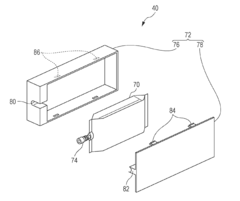
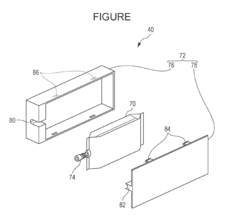
- The composition includes a pigment, pigment dispersant, polymerizable compound, and photopolymerization initiator with a water content of 0.05 to 1.0 mass % and acid and amine values of the dispersant within specific ranges, optimizing curability and manufacturing efficiency.
Environmental Impact of UV Chorochemistry Processes
UV chorochemistry processes, while offering significant advantages in chemical synthesis, also pose potential environmental challenges that require careful consideration. The environmental impact of these processes primarily stems from the use of UV radiation, chemical reactants, and the resulting products and byproducts.
One of the main environmental concerns associated with UV chorochemistry is the energy consumption required for UV light generation. Traditional UV light sources, such as mercury lamps, can be energy-intensive and may contribute to increased carbon emissions if powered by non-renewable energy sources. However, recent advancements in LED technology have led to more energy-efficient UV light sources, potentially reducing the overall environmental footprint of these processes.
The use of chemical reactants in UV chorochemistry processes can also have environmental implications. Some of these reactants may be toxic or hazardous, requiring careful handling and disposal to prevent environmental contamination. Additionally, the production and transportation of these chemicals contribute to the overall environmental impact of the process.
Waste management is another critical aspect of UV chorochemistry's environmental impact. The processes may generate byproducts or unreacted materials that require proper treatment and disposal. Improper handling of these wastes can lead to soil and water pollution, potentially affecting ecosystems and human health.
However, UV chorochemistry also offers several environmental benefits. These processes often allow for more efficient and selective chemical transformations, potentially reducing the overall use of resources and minimizing waste generation compared to traditional synthetic methods. Furthermore, the ability to conduct reactions at ambient temperatures and pressures can lead to reduced energy consumption in some cases.
The integration of propyne innovations in UV chorochemistry presents opportunities for further environmental improvements. Propyne, as a reactive alkyne, can enable more efficient and selective transformations, potentially reducing the need for excess reagents and minimizing waste production. Additionally, propyne-based reactions often proceed under mild conditions, aligning with green chemistry principles.
To mitigate the environmental impact of UV chorochemistry processes, several strategies can be employed. These include the use of more energy-efficient UV light sources, the development of greener reactants and solvents, and the implementation of closed-loop systems for chemical recycling. Additionally, process optimization and the application of continuous flow technologies can enhance efficiency and reduce waste generation.
In conclusion, while UV chorochemistry processes present some environmental challenges, they also offer opportunities for more sustainable chemical synthesis. The ongoing development of propyne-based innovations and other green chemistry approaches holds promise for further reducing the environmental footprint of these processes, making them increasingly attractive for industrial applications.
One of the main environmental concerns associated with UV chorochemistry is the energy consumption required for UV light generation. Traditional UV light sources, such as mercury lamps, can be energy-intensive and may contribute to increased carbon emissions if powered by non-renewable energy sources. However, recent advancements in LED technology have led to more energy-efficient UV light sources, potentially reducing the overall environmental footprint of these processes.
The use of chemical reactants in UV chorochemistry processes can also have environmental implications. Some of these reactants may be toxic or hazardous, requiring careful handling and disposal to prevent environmental contamination. Additionally, the production and transportation of these chemicals contribute to the overall environmental impact of the process.
Waste management is another critical aspect of UV chorochemistry's environmental impact. The processes may generate byproducts or unreacted materials that require proper treatment and disposal. Improper handling of these wastes can lead to soil and water pollution, potentially affecting ecosystems and human health.
However, UV chorochemistry also offers several environmental benefits. These processes often allow for more efficient and selective chemical transformations, potentially reducing the overall use of resources and minimizing waste generation compared to traditional synthetic methods. Furthermore, the ability to conduct reactions at ambient temperatures and pressures can lead to reduced energy consumption in some cases.
The integration of propyne innovations in UV chorochemistry presents opportunities for further environmental improvements. Propyne, as a reactive alkyne, can enable more efficient and selective transformations, potentially reducing the need for excess reagents and minimizing waste production. Additionally, propyne-based reactions often proceed under mild conditions, aligning with green chemistry principles.
To mitigate the environmental impact of UV chorochemistry processes, several strategies can be employed. These include the use of more energy-efficient UV light sources, the development of greener reactants and solvents, and the implementation of closed-loop systems for chemical recycling. Additionally, process optimization and the application of continuous flow technologies can enhance efficiency and reduce waste generation.
In conclusion, while UV chorochemistry processes present some environmental challenges, they also offer opportunities for more sustainable chemical synthesis. The ongoing development of propyne-based innovations and other green chemistry approaches holds promise for further reducing the environmental footprint of these processes, making them increasingly attractive for industrial applications.
Safety Protocols for UV-Propyne Reactions
Safety protocols for UV-propyne reactions are of paramount importance due to the inherent risks associated with both ultraviolet radiation and propyne handling. The primary safety concerns include UV exposure, flammability, and potential explosive hazards. To mitigate these risks, a comprehensive set of safety measures must be implemented.
Personal protective equipment (PPE) is crucial when working with UV-propyne systems. This includes UV-resistant goggles or face shields to protect the eyes and skin from harmful radiation. Additionally, flame-resistant lab coats and gloves should be worn to guard against both UV exposure and potential fires. Proper training on the correct use and maintenance of PPE is essential for all personnel involved in these reactions.
Ventilation systems play a critical role in maintaining a safe working environment. Fume hoods equipped with UV-filtering sashes should be used to contain and exhaust any potentially harmful vapors or gases produced during the reaction. Regular maintenance and testing of these systems are necessary to ensure their effectiveness.
Fire safety measures are particularly important when working with propyne, which is highly flammable. Fire extinguishers suitable for gas fires should be readily accessible, and all personnel should be trained in their use. Additionally, automatic fire suppression systems should be installed in areas where UV-propyne reactions are conducted.
Storage and handling protocols for propyne must be strictly adhered to. Propyne should be stored in properly labeled, pressure-rated containers in well-ventilated areas away from sources of heat or ignition. Gas detection systems should be installed to alert personnel to any leaks.
Emergency response procedures must be established and regularly practiced. This includes evacuation plans, spill containment protocols, and first aid procedures specific to UV and propyne-related injuries. Emergency eyewash stations and safety showers should be easily accessible in the laboratory area.
Regular safety audits and inspections should be conducted to ensure compliance with all safety protocols. This includes checking the integrity of equipment, verifying the proper functioning of safety systems, and reviewing safety documentation.
Training and education are fundamental to maintaining a safe working environment. All personnel involved in UV-propyne reactions should undergo comprehensive safety training, including hazard recognition, proper handling techniques, and emergency response procedures. Refresher courses should be provided periodically to reinforce safety practices and introduce any updates to protocols.
Personal protective equipment (PPE) is crucial when working with UV-propyne systems. This includes UV-resistant goggles or face shields to protect the eyes and skin from harmful radiation. Additionally, flame-resistant lab coats and gloves should be worn to guard against both UV exposure and potential fires. Proper training on the correct use and maintenance of PPE is essential for all personnel involved in these reactions.
Ventilation systems play a critical role in maintaining a safe working environment. Fume hoods equipped with UV-filtering sashes should be used to contain and exhaust any potentially harmful vapors or gases produced during the reaction. Regular maintenance and testing of these systems are necessary to ensure their effectiveness.
Fire safety measures are particularly important when working with propyne, which is highly flammable. Fire extinguishers suitable for gas fires should be readily accessible, and all personnel should be trained in their use. Additionally, automatic fire suppression systems should be installed in areas where UV-propyne reactions are conducted.
Storage and handling protocols for propyne must be strictly adhered to. Propyne should be stored in properly labeled, pressure-rated containers in well-ventilated areas away from sources of heat or ignition. Gas detection systems should be installed to alert personnel to any leaks.
Emergency response procedures must be established and regularly practiced. This includes evacuation plans, spill containment protocols, and first aid procedures specific to UV and propyne-related injuries. Emergency eyewash stations and safety showers should be easily accessible in the laboratory area.
Regular safety audits and inspections should be conducted to ensure compliance with all safety protocols. This includes checking the integrity of equipment, verifying the proper functioning of safety systems, and reviewing safety documentation.
Training and education are fundamental to maintaining a safe working environment. All personnel involved in UV-propyne reactions should undergo comprehensive safety training, including hazard recognition, proper handling techniques, and emergency response procedures. Refresher courses should be provided periodically to reinforce safety practices and introduce any updates to protocols.
Unlock deeper insights with Patsnap Eureka Quick Research — get a full tech report to explore trends and direct your research. Try now!
Generate Your Research Report Instantly with AI Agent
Supercharge your innovation with Patsnap Eureka AI Agent Platform!