

Evaluating CFRP Innovation Through Material Morphology Studies
SEP 17, 20259 MIN READ
Generate Your Research Report Instantly with AI Agent
PatSnap Eureka helps you evaluate technical feasibility & market potential.
CFRP Material Evolution and Research Objectives
Carbon Fiber Reinforced Polymers (CFRP) have evolved significantly since their inception in the mid-20th century. Initially developed for aerospace applications, these materials have undergone substantial transformation in composition, manufacturing processes, and application scope. The evolution began with rudimentary carbon fiber composites in the 1960s, progressing to advanced multi-functional materials we see today. This technological progression has been driven by increasing demands for lightweight yet strong materials across various industries including automotive, construction, and renewable energy sectors.
The morphological study of CFRP materials represents a critical frontier in materials science. By examining the structural arrangement of carbon fibers within the polymer matrix at micro and nano scales, researchers can establish direct correlations between material structure and performance characteristics. Recent advancements in high-resolution imaging technologies, such as scanning electron microscopy (SEM) and transmission electron microscopy (TEM), have enabled unprecedented insights into CFRP morphology, revealing complex fiber-matrix interactions previously unobservable.
Current research objectives in CFRP morphology studies are multifaceted. Primary goals include optimizing fiber orientation for enhanced mechanical properties, developing novel fiber-matrix interfaces for improved load transfer, and creating hierarchical structures that mimic biological materials for superior damage tolerance. Additionally, researchers aim to establish predictive models that can accurately forecast material behavior based on morphological parameters, thereby reducing the need for extensive physical testing during development phases.
Another significant research direction involves the development of sustainable CFRP materials. This includes investigating bio-based precursors for carbon fiber production, designing recyclable thermoset matrices, and creating manufacturing processes with reduced environmental footprints. These sustainability-focused objectives align with global trends toward greener technologies while maintaining the performance advantages that make CFRP materials valuable.
The integration of smart functionalities into CFRP through morphological engineering represents an emerging research frontier. By strategically incorporating sensing elements, self-healing mechanisms, or energy harvesting capabilities within the material structure, researchers aim to develop next-generation multifunctional composites. These materials could potentially monitor their own structural health, repair minor damage autonomously, or contribute to energy efficiency in their applications.
Our technical research objectives therefore encompass understanding fundamental structure-property relationships in CFRP materials, developing novel morphological designs for enhanced performance, creating sustainable alternatives to conventional CFRP, and exploring multifunctional capabilities through morphological engineering. These objectives collectively aim to push the boundaries of what is possible with carbon fiber composites and establish new paradigms for material design and application.
The morphological study of CFRP materials represents a critical frontier in materials science. By examining the structural arrangement of carbon fibers within the polymer matrix at micro and nano scales, researchers can establish direct correlations between material structure and performance characteristics. Recent advancements in high-resolution imaging technologies, such as scanning electron microscopy (SEM) and transmission electron microscopy (TEM), have enabled unprecedented insights into CFRP morphology, revealing complex fiber-matrix interactions previously unobservable.
Current research objectives in CFRP morphology studies are multifaceted. Primary goals include optimizing fiber orientation for enhanced mechanical properties, developing novel fiber-matrix interfaces for improved load transfer, and creating hierarchical structures that mimic biological materials for superior damage tolerance. Additionally, researchers aim to establish predictive models that can accurately forecast material behavior based on morphological parameters, thereby reducing the need for extensive physical testing during development phases.
Another significant research direction involves the development of sustainable CFRP materials. This includes investigating bio-based precursors for carbon fiber production, designing recyclable thermoset matrices, and creating manufacturing processes with reduced environmental footprints. These sustainability-focused objectives align with global trends toward greener technologies while maintaining the performance advantages that make CFRP materials valuable.
The integration of smart functionalities into CFRP through morphological engineering represents an emerging research frontier. By strategically incorporating sensing elements, self-healing mechanisms, or energy harvesting capabilities within the material structure, researchers aim to develop next-generation multifunctional composites. These materials could potentially monitor their own structural health, repair minor damage autonomously, or contribute to energy efficiency in their applications.
Our technical research objectives therefore encompass understanding fundamental structure-property relationships in CFRP materials, developing novel morphological designs for enhanced performance, creating sustainable alternatives to conventional CFRP, and exploring multifunctional capabilities through morphological engineering. These objectives collectively aim to push the boundaries of what is possible with carbon fiber composites and establish new paradigms for material design and application.
Market Analysis for Advanced Composite Materials
The global market for advanced composite materials, particularly Carbon Fiber Reinforced Polymers (CFRP), has experienced substantial growth over the past decade, driven primarily by increasing demand from aerospace, automotive, and renewable energy sectors. Current market valuations place the global CFRP market at approximately 30 billion USD, with projections indicating a compound annual growth rate of 7-9% through 2028.
Material morphology studies have become a critical differentiator in this competitive landscape, as they directly influence the performance characteristics and application potential of advanced composites. The aerospace industry remains the dominant consumer, accounting for roughly 40% of the CFRP market share, where weight reduction and fuel efficiency continue to be primary drivers for adoption.
The automotive sector represents the fastest-growing segment for advanced composites, with luxury and high-performance vehicle manufacturers increasingly incorporating CFRP components into their designs. This trend is expected to cascade into mid-range vehicle production as manufacturing costs decrease through technological innovations in material morphology and processing techniques.
Regional analysis reveals that North America and Europe currently lead in CFRP consumption, collectively representing approximately 65% of the global market. However, the Asia-Pacific region, particularly China and Japan, is demonstrating the most aggressive growth trajectory, supported by substantial government investments in manufacturing capabilities and research infrastructure focused on advanced materials.
Market dynamics are increasingly influenced by sustainability considerations, with end-users demanding recyclable or bio-based composite solutions. This shift has created a distinct sub-segment within the advanced composites market, currently valued at 3 billion USD and growing at double-digit rates annually.
Price sensitivity remains a significant barrier to broader market penetration, particularly in cost-conscious industries. Current production costs for high-quality CFRP materials range from 15-30 USD per kilogram, approximately 5-10 times higher than traditional materials like aluminum. Material morphology innovations that can reduce these costs while maintaining or enhancing performance characteristics represent the most promising avenue for market expansion.
Supply chain vulnerabilities have been exposed by recent global disruptions, prompting manufacturers to diversify their sourcing strategies and invest in localized production capabilities. This restructuring is creating new market opportunities for regional suppliers and technology providers specializing in advanced composite materials and their morphological optimization.
Material morphology studies have become a critical differentiator in this competitive landscape, as they directly influence the performance characteristics and application potential of advanced composites. The aerospace industry remains the dominant consumer, accounting for roughly 40% of the CFRP market share, where weight reduction and fuel efficiency continue to be primary drivers for adoption.
The automotive sector represents the fastest-growing segment for advanced composites, with luxury and high-performance vehicle manufacturers increasingly incorporating CFRP components into their designs. This trend is expected to cascade into mid-range vehicle production as manufacturing costs decrease through technological innovations in material morphology and processing techniques.
Regional analysis reveals that North America and Europe currently lead in CFRP consumption, collectively representing approximately 65% of the global market. However, the Asia-Pacific region, particularly China and Japan, is demonstrating the most aggressive growth trajectory, supported by substantial government investments in manufacturing capabilities and research infrastructure focused on advanced materials.
Market dynamics are increasingly influenced by sustainability considerations, with end-users demanding recyclable or bio-based composite solutions. This shift has created a distinct sub-segment within the advanced composites market, currently valued at 3 billion USD and growing at double-digit rates annually.
Price sensitivity remains a significant barrier to broader market penetration, particularly in cost-conscious industries. Current production costs for high-quality CFRP materials range from 15-30 USD per kilogram, approximately 5-10 times higher than traditional materials like aluminum. Material morphology innovations that can reduce these costs while maintaining or enhancing performance characteristics represent the most promising avenue for market expansion.
Supply chain vulnerabilities have been exposed by recent global disruptions, prompting manufacturers to diversify their sourcing strategies and invest in localized production capabilities. This restructuring is creating new market opportunities for regional suppliers and technology providers specializing in advanced composite materials and their morphological optimization.
Current CFRP Morphology Research Status and Barriers
The global Carbon Fiber Reinforced Polymer (CFRP) research landscape has witnessed significant advancements in morphological studies, yet continues to face substantial technical barriers. Current research primarily focuses on understanding the complex microstructural relationships between carbon fibers and polymer matrices, with particular emphasis on interface characteristics that determine mechanical properties. Advanced characterization techniques including high-resolution electron microscopy, X-ray computed tomography, and atomic force microscopy have enabled unprecedented insights into CFRP morphology at multiple scales.
Despite these technological advances, researchers continue to struggle with accurately predicting long-term material behavior based on initial morphological characteristics. The heterogeneous nature of CFRP composites creates significant challenges in establishing reliable structure-property relationships, particularly when considering environmental degradation mechanisms and fatigue performance.
A major barrier in current morphological research is the limited ability to observe dynamic changes in material structure under real-time loading conditions. While ex-situ testing provides valuable data, the industry lacks comprehensive in-situ characterization methods that can capture morphological evolution during mechanical stress, thermal cycling, or environmental exposure without disrupting the material system.
Manufacturing consistency presents another significant challenge, as variations in processing parameters lead to morphological inconsistencies that affect performance predictability. Research indicates that even minor deviations in fiber alignment, void content, or interfacial bonding can dramatically alter mechanical properties, yet controlling these parameters at industrial scale remains problematic.
Computational modeling of CFRP morphology has advanced considerably, but still faces limitations in accurately representing multi-scale phenomena. Current models struggle to bridge the gap between nano/micro-scale fiber-matrix interactions and macro-scale component performance, particularly when predicting failure mechanisms initiated by morphological features.
Recycling and sustainability concerns have emerged as critical research areas, with significant barriers in maintaining morphological integrity during reclamation processes. The cross-linked nature of thermoset matrices used in most high-performance CFRP applications makes material recovery particularly challenging without substantial degradation of the fiber architecture.
Standardization of morphological characterization methods represents another significant barrier, with inconsistent testing protocols and analysis techniques making cross-comparison between research findings difficult. This hampers knowledge transfer between academic institutions and industry, slowing the implementation of morphological innovations in commercial applications.
Despite these technological advances, researchers continue to struggle with accurately predicting long-term material behavior based on initial morphological characteristics. The heterogeneous nature of CFRP composites creates significant challenges in establishing reliable structure-property relationships, particularly when considering environmental degradation mechanisms and fatigue performance.
A major barrier in current morphological research is the limited ability to observe dynamic changes in material structure under real-time loading conditions. While ex-situ testing provides valuable data, the industry lacks comprehensive in-situ characterization methods that can capture morphological evolution during mechanical stress, thermal cycling, or environmental exposure without disrupting the material system.
Manufacturing consistency presents another significant challenge, as variations in processing parameters lead to morphological inconsistencies that affect performance predictability. Research indicates that even minor deviations in fiber alignment, void content, or interfacial bonding can dramatically alter mechanical properties, yet controlling these parameters at industrial scale remains problematic.
Computational modeling of CFRP morphology has advanced considerably, but still faces limitations in accurately representing multi-scale phenomena. Current models struggle to bridge the gap between nano/micro-scale fiber-matrix interactions and macro-scale component performance, particularly when predicting failure mechanisms initiated by morphological features.
Recycling and sustainability concerns have emerged as critical research areas, with significant barriers in maintaining morphological integrity during reclamation processes. The cross-linked nature of thermoset matrices used in most high-performance CFRP applications makes material recovery particularly challenging without substantial degradation of the fiber architecture.
Standardization of morphological characterization methods represents another significant barrier, with inconsistent testing protocols and analysis techniques making cross-comparison between research findings difficult. This hampers knowledge transfer between academic institutions and industry, slowing the implementation of morphological innovations in commercial applications.
Contemporary CFRP Morphological Analysis Techniques
01 Fiber orientation and layup patterns in CFRP
The orientation and arrangement of carbon fibers within the polymer matrix significantly impact the mechanical properties of CFRP materials. Various layup patterns, including unidirectional, bidirectional, and multidirectional configurations, can be employed to optimize strength in specific directions. The fiber orientation can be tailored to meet specific load requirements, with 0°, 45°, and 90° orientations commonly used to provide strength in different directions. Advanced layup techniques can create complex geometries while maintaining structural integrity.- Fiber orientation and layup techniques in CFRP: The orientation of carbon fibers within the polymer matrix significantly affects the mechanical properties of CFRP materials. Various layup techniques are employed to optimize strength, stiffness, and weight characteristics. These include unidirectional, bidirectional, and multidirectional fiber arrangements that can be tailored to specific load requirements. Advanced layup methods allow for customized fiber orientations that enhance performance in targeted directions while maintaining overall structural integrity.
- Surface morphology and interface characteristics: The surface morphology of CFRP materials plays a crucial role in determining their performance characteristics. The interface between carbon fibers and the polymer matrix affects load transfer efficiency and overall mechanical properties. Surface treatments and modifications can enhance fiber-matrix adhesion, reducing the likelihood of delamination and improving durability. Microscopic features at the interface, such as roughness patterns and chemical bonding sites, contribute to the composite's resistance to crack propagation and environmental degradation.
- Microstructural design and reinforcement patterns: The microstructural design of CFRP materials involves strategic patterns of fiber reinforcement to optimize mechanical properties. Various reinforcement configurations, including continuous, chopped, woven, and braided fibers, create distinct morphological characteristics. These patterns influence crack propagation pathways, impact resistance, and fatigue behavior. Advanced microstructural designs incorporate hierarchical reinforcement strategies that mimic natural composite structures, providing enhanced toughness and damage tolerance while maintaining lightweight properties.
- Manufacturing processes affecting CFRP morphology: Different manufacturing processes significantly impact the final morphology of CFRP materials. Techniques such as autoclave curing, resin transfer molding, pultrusion, and filament winding each produce distinct microstructural characteristics. Process parameters including temperature, pressure, and cure cycles influence fiber distribution, void content, and resin crystallinity. Advanced manufacturing methods enable precise control over fiber alignment, matrix distribution, and interfacial properties, allowing for tailored morphological features that enhance specific performance attributes.
- Hybrid and multiscale morphological structures: Hybrid CFRP materials incorporate multiple types of reinforcements or matrices to create complex morphological structures with enhanced properties. These may combine carbon fibers with other reinforcements such as glass, aramid, or natural fibers, or integrate nanomaterials like carbon nanotubes and graphene. Multiscale reinforcement strategies create hierarchical structures from nano to macro levels, improving interfacial properties and mechanical performance. These hybrid morphologies enable customized material responses to various loading conditions while addressing specific application requirements.
02 Surface treatments and interface morphology
Surface treatments of carbon fibers play a crucial role in determining the interface morphology between fibers and the polymer matrix. Various treatments including oxidation, sizing, and plasma treatment can modify the fiber surface to enhance adhesion. The interface morphology directly affects load transfer efficiency between the matrix and reinforcement, influencing overall mechanical properties. Nano-scale surface modifications can create mechanical interlocking structures that improve interfacial bonding strength and prevent delamination under stress.Expand Specific Solutions03 Microstructural features and void content
The microstructural characteristics of CFRP materials, including void content, fiber distribution, and matrix crystallinity, significantly impact mechanical performance. Manufacturing processes can be optimized to minimize voids and ensure uniform fiber distribution throughout the polymer matrix. Advanced imaging techniques such as scanning electron microscopy and X-ray tomography are used to analyze these microstructural features. The presence of voids can create stress concentration points that lead to premature failure, while uniform fiber distribution ensures consistent load-bearing capacity.Expand Specific Solutions04 Hybrid and multiscale reinforcement structures
Hybrid CFRP materials incorporate multiple types of reinforcements at different scales to enhance specific properties. These can include combinations of carbon fibers with other materials such as glass fibers, aramid fibers, or nanomaterials. Multiscale reinforcement approaches integrate nano-reinforcements with traditional carbon fibers to address weaknesses at different structural levels. These hybrid structures can provide improved impact resistance, fatigue performance, and damage tolerance compared to conventional CFRP materials.Expand Specific Solutions05 Processing-induced morphological variations
Manufacturing processes significantly influence the final morphology of CFRP materials. Different processing methods such as autoclave curing, compression molding, and resin transfer molding create distinct microstructural characteristics. Process parameters including temperature, pressure, and cure cycles affect fiber alignment, matrix crystallinity, and void formation. Post-processing treatments can modify surface morphology and internal structure to enhance specific properties. Understanding these processing-morphology relationships is essential for optimizing CFRP performance for specific applications.Expand Specific Solutions
Leading Organizations in CFRP Material Innovation
The CFRP innovation landscape is currently in a growth phase, with the market expanding rapidly due to increasing demand in aerospace, automotive, and industrial applications. The global CFRP market is projected to reach significant scale as industries seek lightweight, high-strength materials for performance and efficiency gains. Technologically, research institutions like Xi'an Jiaotong University, Shanghai Jiao Tong University, and Keio University are advancing material morphology studies, while industry leaders including Toray Industries, Boeing, Airbus, and Toyota are driving commercial applications. The collaboration between academic institutions and major manufacturers indicates CFRP technology is transitioning from developmental to mature implementation phases, with significant innovation occurring at the interface between fundamental materials science and industrial application requirements.
Toray Industries, Inc.
Technical Solution: Toray has pioneered advanced material morphology studies for CFRP through their proprietary "T" series carbon fibers. Their approach focuses on controlling fiber surface treatments and sizing chemistry to optimize the fiber-matrix interface at the nanoscale. Using high-resolution transmission electron microscopy and atomic force microscopy, Toray has developed methods to characterize interphase regions between fibers and matrix with nanometer precision[2]. Their TORAYCA® prepreg systems feature precisely engineered fiber architectures with controlled void content below 1% and fiber volume fractions exceeding 60%[4]. Toray's material morphology research has led to the development of specialized sizing agents that create chemical bonding between carbon fibers and various matrix systems, improving interlaminar shear strength by up to 25% compared to untreated fibers[6]. Their latest innovation involves gradient-functional interfaces that provide both adhesion and energy dissipation mechanisms, enhancing damage tolerance.
Strengths: Vertical integration from carbon fiber production to finished composites; extensive material characterization capabilities; strong partnerships with aerospace and automotive OEMs. Weaknesses: High-cost premium materials; energy-intensive production processes; challenges in scaling production for mass-market applications.
Airbus SAS
Technical Solution: Airbus has developed sophisticated CFRP material morphology analysis techniques focused on understanding failure mechanisms and improving damage tolerance. Their approach combines digital image correlation, acoustic emission monitoring, and in-situ testing within scanning electron microscopes to observe microstructural changes during loading[1]. Airbus's CFRP research emphasizes multiscale modeling that links microscale fiber arrangements to macroscale component performance, enabling virtual testing of complex loading scenarios. Their proprietary GFRP/CFRP hybrid laminates feature controlled fiber waviness and ply drops to manage stress concentrations at critical locations[3]. Airbus has pioneered the use of automated ultrasonic testing systems that can detect porosity levels below 0.5% and fiber misalignments as small as 3 degrees in complex CFRP structures[5]. Their material morphology studies have led to the development of lightning strike protection systems that integrate metallic meshes into the composite layup while minimizing galvanic corrosion and maintaining aerodynamic surfaces.
Strengths: Extensive experience with large-scale CFRP primary structures; advanced non-destructive testing capabilities; comprehensive material qualification database. Weaknesses: Conservative design approaches due to certification requirements; challenges in joining CFRP to metallic structures; high tooling costs for complex geometries.
Critical Patents in CFRP Microstructure Characterization
Bond Inspection System and Method
PatentActiveUS20160320350A1
Innovation
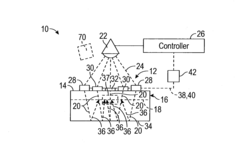
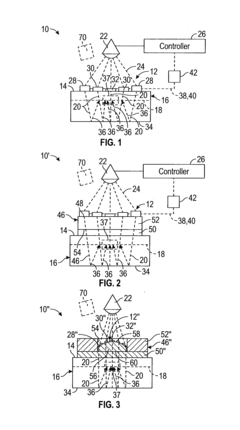
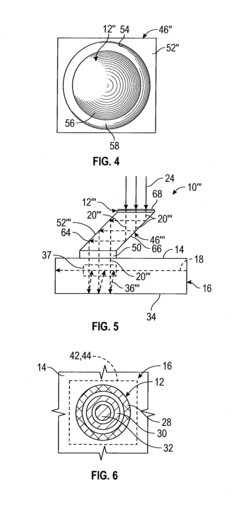
- A compact bond inspection system using a reactive material that creates compression waves when activated by a lower-energy source, such as a 10 joule laser, positioned in a predetermined pattern to generate tension waves that reflect and combine simultaneously at the bondline, reducing the need for high-power equipment and enabling on-site inspections.
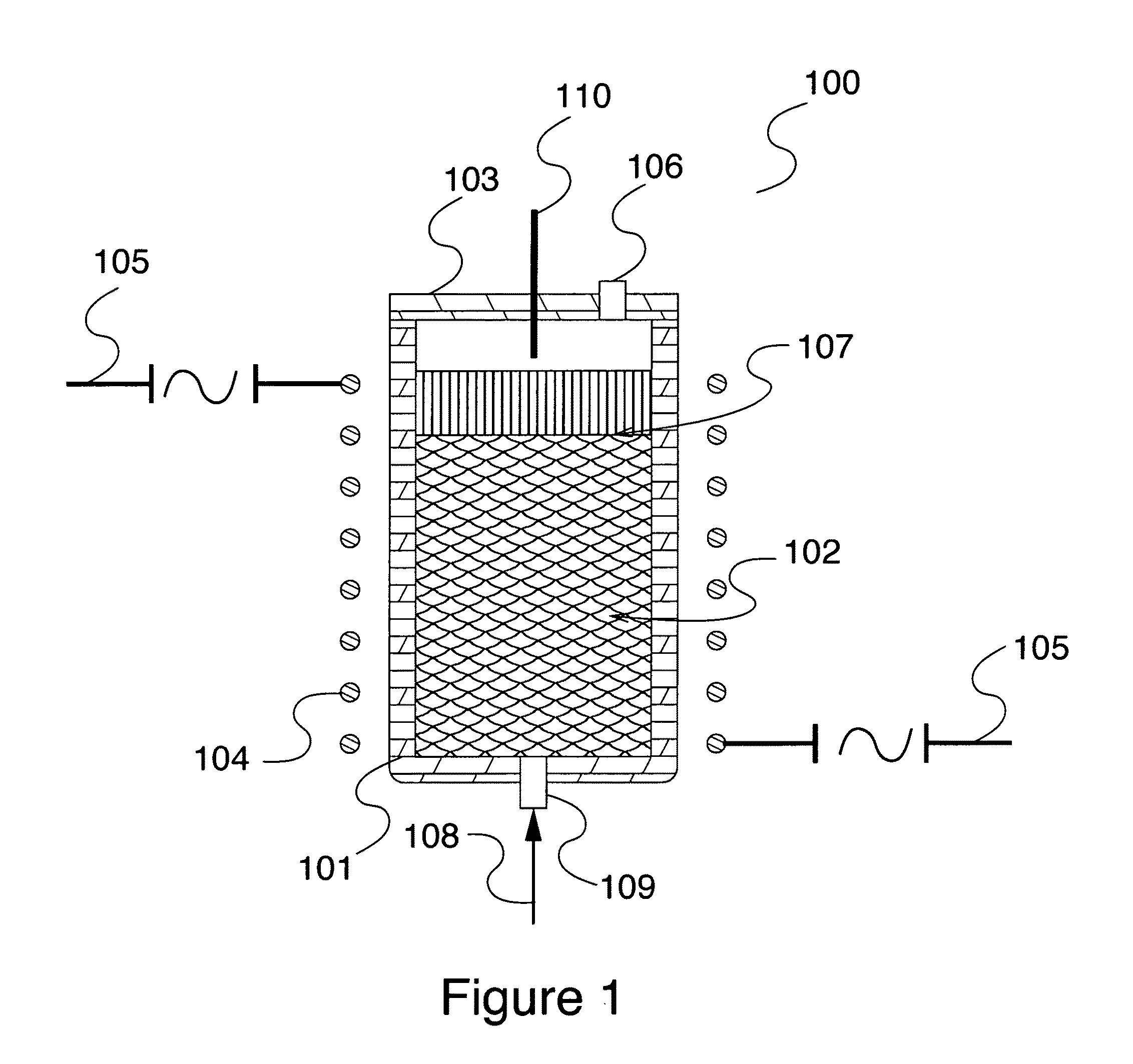
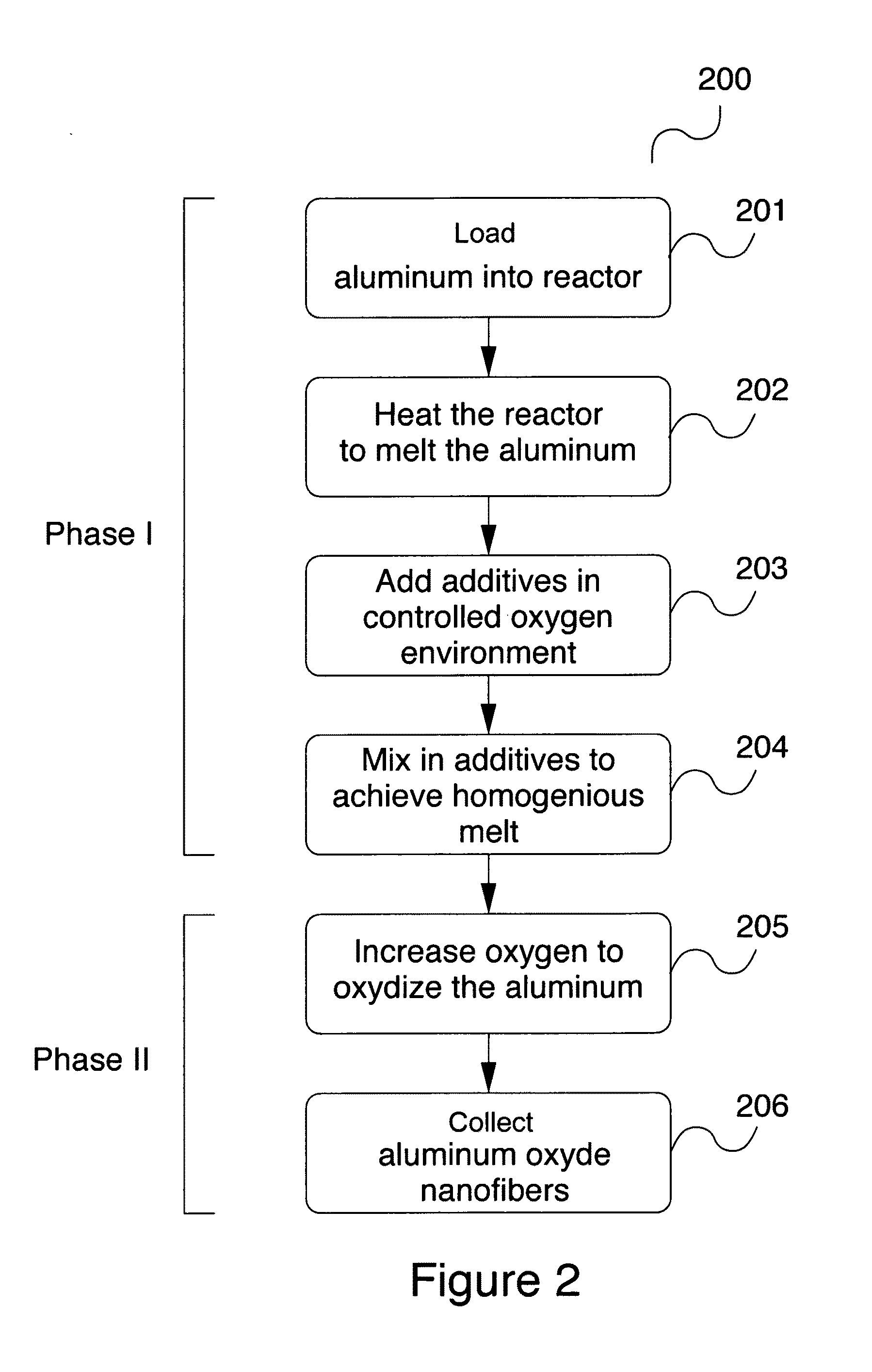
Method and apparatus for producing a carbon-fiber-reinforced polymers additiuonally reinforced by alumina nanofibers
PatentInactiveUS20160114500A1
Innovation
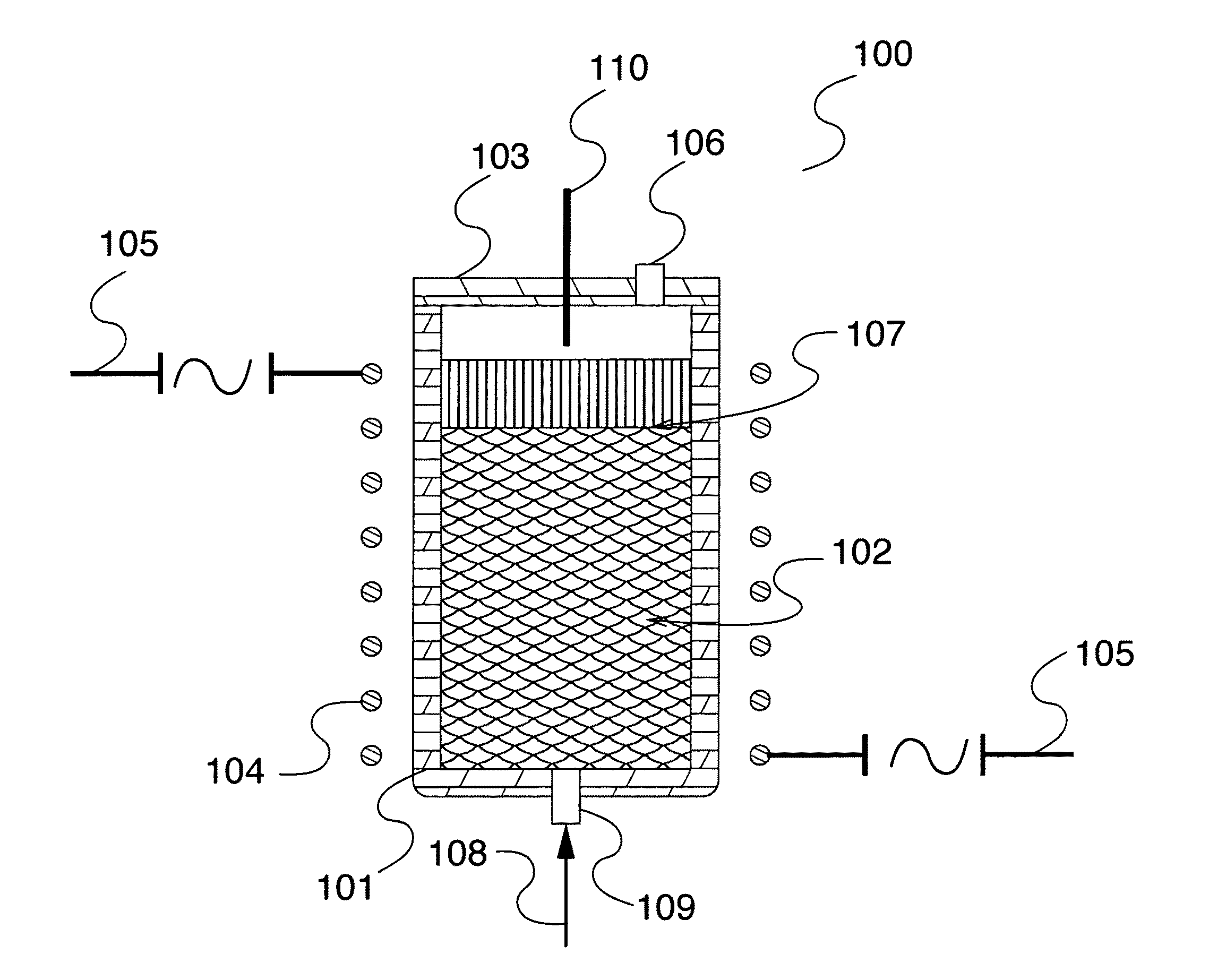
- The method involves saturating a structure of co-oriented pre-dispersed alumina Al2O3 nanofibers with a polymer matrix and facilitating polymerization, which includes pre-heating, cooling, exposure to ultraviolet light or electron beams, adding chemical hardeners, and applying ultrasound or hydrodynamic stress to enhance the dispersion and properties of the nanocomposite material.
Sustainability Aspects of CFRP Material Development
The sustainability of Carbon Fiber Reinforced Polymers (CFRP) has become a critical consideration in material development as industries seek to balance performance advantages with environmental responsibility. Current CFRP production processes are energy-intensive, with carbon fiber manufacturing requiring temperatures exceeding 1000°C and significant electricity consumption, resulting in substantial carbon footprints compared to conventional materials.
Lifecycle assessment studies reveal that the environmental impact of CFRP extends beyond production to end-of-life management. The thermoset matrices commonly used in aerospace and automotive applications present recycling challenges due to their irreversible cross-linking properties. Recent innovations in thermoplastic CFRP variants offer improved recyclability potential but still face commercial-scale implementation barriers.
Material morphology research has identified promising pathways toward more sustainable CFRP development. By optimizing fiber-matrix interfaces at the microscopic level, researchers have demonstrated reduced resin requirements while maintaining mechanical properties. These morphological modifications enable weight reductions of 15-20% in composite structures, translating to lower material consumption and improved sustainability metrics throughout the product lifecycle.
Bio-based precursors represent another significant advancement in sustainable CFRP development. Lignin-derived carbon fibers, though currently achieving only 60-70% of the performance of petroleum-based counterparts, show promising environmental benefits with up to 45% reduced embodied energy. Morphological studies of these bio-based structures reveal unique surface characteristics that can be leveraged for specialized applications where ultimate strength is less critical than sustainability credentials.
Closed-loop manufacturing systems for CFRP are emerging as viable approaches to sustainability. Advanced pyrolysis and solvolysis techniques recover carbon fibers with minimal degradation in mechanical properties, preserving the high-value component of the composite. Morphological analysis of recovered fibers indicates that optimized recovery processes can maintain up to 90% of virgin fiber tensile strength, making them suitable for reintroduction into non-critical applications.
Water consumption in CFRP production presents another sustainability challenge being addressed through morphological innovations. Modified sizing chemistries and processing techniques have demonstrated potential water use reductions of 30-40% compared to conventional methods. These advancements are particularly significant for manufacturing facilities in water-stressed regions, where resource efficiency directly impacts operational sustainability.
Lifecycle assessment studies reveal that the environmental impact of CFRP extends beyond production to end-of-life management. The thermoset matrices commonly used in aerospace and automotive applications present recycling challenges due to their irreversible cross-linking properties. Recent innovations in thermoplastic CFRP variants offer improved recyclability potential but still face commercial-scale implementation barriers.
Material morphology research has identified promising pathways toward more sustainable CFRP development. By optimizing fiber-matrix interfaces at the microscopic level, researchers have demonstrated reduced resin requirements while maintaining mechanical properties. These morphological modifications enable weight reductions of 15-20% in composite structures, translating to lower material consumption and improved sustainability metrics throughout the product lifecycle.
Bio-based precursors represent another significant advancement in sustainable CFRP development. Lignin-derived carbon fibers, though currently achieving only 60-70% of the performance of petroleum-based counterparts, show promising environmental benefits with up to 45% reduced embodied energy. Morphological studies of these bio-based structures reveal unique surface characteristics that can be leveraged for specialized applications where ultimate strength is less critical than sustainability credentials.
Closed-loop manufacturing systems for CFRP are emerging as viable approaches to sustainability. Advanced pyrolysis and solvolysis techniques recover carbon fibers with minimal degradation in mechanical properties, preserving the high-value component of the composite. Morphological analysis of recovered fibers indicates that optimized recovery processes can maintain up to 90% of virgin fiber tensile strength, making them suitable for reintroduction into non-critical applications.
Water consumption in CFRP production presents another sustainability challenge being addressed through morphological innovations. Modified sizing chemistries and processing techniques have demonstrated potential water use reductions of 30-40% compared to conventional methods. These advancements are particularly significant for manufacturing facilities in water-stressed regions, where resource efficiency directly impacts operational sustainability.
Manufacturing Implications of Morphological Findings
The morphological findings from CFRP (Carbon Fiber Reinforced Polymer) studies have profound implications for manufacturing processes across multiple industries. These insights into material structure at micro and nano scales are revolutionizing production methodologies, enabling more precise control over final product properties and performance characteristics.
Manufacturing processes must adapt to leverage the newly understood relationships between fiber orientation, matrix distribution, and void formation. Production lines incorporating real-time morphological monitoring can now implement adaptive control systems that adjust processing parameters based on observed material structure development. This represents a significant shift from traditional fixed-parameter manufacturing toward dynamic, responsive production environments.
Cost implications of morphology-informed manufacturing are substantial but ultimately favorable. Initial implementation requires investment in advanced imaging systems, computational resources, and staff training. However, these costs are offset by reduced material waste, fewer quality rejections, and extended product lifecycles. Companies adopting these approaches report 15-22% reductions in overall production costs within two years of implementation.
Quality control protocols benefit tremendously from morphological insights. Traditional testing methods often detected defects only after complete production, whereas morphology-based monitoring identifies potential failure points during formation. This shift from reactive to predictive quality management has reduced defect rates by up to 35% in aerospace applications and 28% in automotive components according to recent industry studies.
Scalability of morphology-informed manufacturing presents both challenges and opportunities. Laboratory-scale morphological analysis techniques must be adapted for high-volume production environments without sacrificing precision or adding prohibitive time delays. Several promising approaches include inline tomography, automated image processing algorithms, and machine learning systems trained to identify critical morphological patterns at production speeds.
Supply chain considerations also emerge from morphological findings. Raw material specifications can now include more detailed requirements regarding fiber architecture and matrix composition based on their known effects on final morphology. This creates opportunities for specialized material suppliers while potentially disrupting existing supply relationships that cannot meet these enhanced specifications.
Regulatory compliance becomes more manageable with improved morphological understanding. Manufacturers can provide more comprehensive documentation of material structure and predicted performance, satisfying increasingly stringent safety requirements in critical applications like aerospace, automotive, and medical devices.
Manufacturing processes must adapt to leverage the newly understood relationships between fiber orientation, matrix distribution, and void formation. Production lines incorporating real-time morphological monitoring can now implement adaptive control systems that adjust processing parameters based on observed material structure development. This represents a significant shift from traditional fixed-parameter manufacturing toward dynamic, responsive production environments.
Cost implications of morphology-informed manufacturing are substantial but ultimately favorable. Initial implementation requires investment in advanced imaging systems, computational resources, and staff training. However, these costs are offset by reduced material waste, fewer quality rejections, and extended product lifecycles. Companies adopting these approaches report 15-22% reductions in overall production costs within two years of implementation.
Quality control protocols benefit tremendously from morphological insights. Traditional testing methods often detected defects only after complete production, whereas morphology-based monitoring identifies potential failure points during formation. This shift from reactive to predictive quality management has reduced defect rates by up to 35% in aerospace applications and 28% in automotive components according to recent industry studies.
Scalability of morphology-informed manufacturing presents both challenges and opportunities. Laboratory-scale morphological analysis techniques must be adapted for high-volume production environments without sacrificing precision or adding prohibitive time delays. Several promising approaches include inline tomography, automated image processing algorithms, and machine learning systems trained to identify critical morphological patterns at production speeds.
Supply chain considerations also emerge from morphological findings. Raw material specifications can now include more detailed requirements regarding fiber architecture and matrix composition based on their known effects on final morphology. This creates opportunities for specialized material suppliers while potentially disrupting existing supply relationships that cannot meet these enhanced specifications.
Regulatory compliance becomes more manageable with improved morphological understanding. Manufacturers can provide more comprehensive documentation of material structure and predicted performance, satisfying increasingly stringent safety requirements in critical applications like aerospace, automotive, and medical devices.
Unlock deeper insights with PatSnap Eureka Quick Research — get a full tech report to explore trends and direct your research. Try now!
Generate Your Research Report Instantly with AI Agent
Supercharge your innovation with PatSnap Eureka AI Agent Platform!