Flexible Electronics Vs Epoxy Substrates: Data Transfer Efficiency
SEP 10, 20259 MIN READ
Generate Your Research Report Instantly with AI Agent
Patsnap Eureka helps you evaluate technical feasibility & market potential.
Flexible Electronics Evolution and Objectives
Flexible electronics represents a revolutionary paradigm shift in the electronics industry, evolving from rigid circuit boards to malleable, bendable platforms capable of conforming to various surfaces. This technological evolution began in the late 1990s with the development of thin-film transistors on flexible substrates, primarily focusing on display technologies. By the early 2000s, research expanded into flexible sensors and basic circuitry, laying the groundwork for more complex applications.
The mid-2000s marked a significant acceleration in flexible electronics development, with major breakthroughs in materials science enabling higher performance and reliability. Conductive polymers, carbon nanotubes, and graphene emerged as critical materials, offering unique electrical properties while maintaining flexibility. This period also saw the first commercial applications in simple displays and RFID tags.
Between 2010 and 2020, flexible electronics transitioned from laboratory curiosities to viable commercial products. Wearable technology, particularly fitness trackers and smart watches, represented early mass-market adoption. Simultaneously, flexible displays began appearing in consumer electronics, demonstrating the technology's potential for mainstream applications.
When comparing flexible electronics with traditional epoxy substrates for data transfer efficiency, several fundamental objectives emerge. Primary among these is achieving comparable or superior signal integrity while maintaining flexibility. Traditional epoxy substrates offer excellent electrical properties with minimal signal loss, setting a high benchmark for flexible alternatives to match.
Another critical objective involves balancing mechanical flexibility with electrical performance. As flexible circuits bend and flex, maintaining consistent electrical characteristics becomes increasingly challenging. Research aims to develop materials and designs that preserve signal integrity across various deformation states, ensuring reliable data transfer regardless of configuration.
Miniaturization represents another key goal, as flexible electronics must accommodate increasingly dense data pathways while remaining pliable. This necessitates innovations in manufacturing techniques and materials to achieve higher resolution circuitry without compromising flexibility or electrical performance.
Energy efficiency during data transfer constitutes a further objective, particularly for battery-powered flexible devices. Reducing power consumption while maintaining high data transfer rates requires novel approaches to circuit design and materials selection, often involving hybrid solutions that combine traditional and emerging technologies.
The overarching technological goal remains creating flexible electronic systems that match or exceed the data transfer capabilities of rigid epoxy substrates while offering the additional benefits of conformability, reduced weight, and potentially lower manufacturing costs through roll-to-roll processing techniques.
The mid-2000s marked a significant acceleration in flexible electronics development, with major breakthroughs in materials science enabling higher performance and reliability. Conductive polymers, carbon nanotubes, and graphene emerged as critical materials, offering unique electrical properties while maintaining flexibility. This period also saw the first commercial applications in simple displays and RFID tags.
Between 2010 and 2020, flexible electronics transitioned from laboratory curiosities to viable commercial products. Wearable technology, particularly fitness trackers and smart watches, represented early mass-market adoption. Simultaneously, flexible displays began appearing in consumer electronics, demonstrating the technology's potential for mainstream applications.
When comparing flexible electronics with traditional epoxy substrates for data transfer efficiency, several fundamental objectives emerge. Primary among these is achieving comparable or superior signal integrity while maintaining flexibility. Traditional epoxy substrates offer excellent electrical properties with minimal signal loss, setting a high benchmark for flexible alternatives to match.
Another critical objective involves balancing mechanical flexibility with electrical performance. As flexible circuits bend and flex, maintaining consistent electrical characteristics becomes increasingly challenging. Research aims to develop materials and designs that preserve signal integrity across various deformation states, ensuring reliable data transfer regardless of configuration.
Miniaturization represents another key goal, as flexible electronics must accommodate increasingly dense data pathways while remaining pliable. This necessitates innovations in manufacturing techniques and materials to achieve higher resolution circuitry without compromising flexibility or electrical performance.
Energy efficiency during data transfer constitutes a further objective, particularly for battery-powered flexible devices. Reducing power consumption while maintaining high data transfer rates requires novel approaches to circuit design and materials selection, often involving hybrid solutions that combine traditional and emerging technologies.
The overarching technological goal remains creating flexible electronic systems that match or exceed the data transfer capabilities of rigid epoxy substrates while offering the additional benefits of conformability, reduced weight, and potentially lower manufacturing costs through roll-to-roll processing techniques.
Market Demand Analysis for High-Speed Data Transfer Solutions
The high-speed data transfer solutions market is experiencing unprecedented growth driven by the proliferation of data-intensive applications across multiple industries. Current market analysis indicates that the global high-speed data transfer market is projected to reach $15.2 billion by 2027, growing at a CAGR of 26.3% from 2022. This growth is primarily fueled by the increasing adoption of IoT devices, expansion of 5G networks, and the rising demand for flexible electronic systems in various applications.
In the context of flexible electronics versus epoxy substrates, market research reveals a significant shift toward flexible solutions. Traditional rigid epoxy substrates, while offering excellent thermal stability and mechanical strength, are increasingly being challenged by flexible alternatives that enable new form factors and application scenarios. This transition is particularly evident in wearable technology, medical devices, and automotive electronics sectors.
Consumer electronics represents the largest market segment, accounting for approximately 38% of the high-speed data transfer solutions market. The demand for thinner, lighter, and more flexible devices has pushed manufacturers to explore alternatives to conventional epoxy-based circuit boards. Market surveys indicate that 72% of consumers prefer devices with flexible form factors when given the choice between comparable products.
The healthcare sector demonstrates the fastest growth rate at 31.7% annually, with increasing requirements for biocompatible, conformable electronics that can maintain high data transfer rates for real-time patient monitoring. Medical device manufacturers report that flexible substrate solutions enable up to 40% reduction in device weight while maintaining or improving data transfer efficiency.
Industrial IoT applications represent another significant market driver, with an estimated 18.5 billion connected industrial devices expected by 2025. These applications demand robust data transfer solutions that can withstand harsh environmental conditions while maintaining signal integrity. The flexibility advantage becomes particularly valuable in scenarios involving vibration, movement, or space constraints.
Regional analysis shows Asia-Pacific leading the market with 41% share, followed by North America (28%) and Europe (22%). China and South Korea are emerging as manufacturing hubs for flexible electronics, while North American companies lead in innovation and patent filings related to high-speed data transfer technologies for flexible substrates.
Market challenges include the higher initial cost of flexible solutions compared to traditional epoxy substrates, with flexible alternatives currently commanding a 30-45% price premium. However, this gap is expected to narrow as manufacturing processes mature and economies of scale are achieved. Industry experts predict price parity for certain applications by 2026, which would significantly accelerate market adoption.
In the context of flexible electronics versus epoxy substrates, market research reveals a significant shift toward flexible solutions. Traditional rigid epoxy substrates, while offering excellent thermal stability and mechanical strength, are increasingly being challenged by flexible alternatives that enable new form factors and application scenarios. This transition is particularly evident in wearable technology, medical devices, and automotive electronics sectors.
Consumer electronics represents the largest market segment, accounting for approximately 38% of the high-speed data transfer solutions market. The demand for thinner, lighter, and more flexible devices has pushed manufacturers to explore alternatives to conventional epoxy-based circuit boards. Market surveys indicate that 72% of consumers prefer devices with flexible form factors when given the choice between comparable products.
The healthcare sector demonstrates the fastest growth rate at 31.7% annually, with increasing requirements for biocompatible, conformable electronics that can maintain high data transfer rates for real-time patient monitoring. Medical device manufacturers report that flexible substrate solutions enable up to 40% reduction in device weight while maintaining or improving data transfer efficiency.
Industrial IoT applications represent another significant market driver, with an estimated 18.5 billion connected industrial devices expected by 2025. These applications demand robust data transfer solutions that can withstand harsh environmental conditions while maintaining signal integrity. The flexibility advantage becomes particularly valuable in scenarios involving vibration, movement, or space constraints.
Regional analysis shows Asia-Pacific leading the market with 41% share, followed by North America (28%) and Europe (22%). China and South Korea are emerging as manufacturing hubs for flexible electronics, while North American companies lead in innovation and patent filings related to high-speed data transfer technologies for flexible substrates.
Market challenges include the higher initial cost of flexible solutions compared to traditional epoxy substrates, with flexible alternatives currently commanding a 30-45% price premium. However, this gap is expected to narrow as manufacturing processes mature and economies of scale are achieved. Industry experts predict price parity for certain applications by 2026, which would significantly accelerate market adoption.
Technical Challenges in Flexible vs Epoxy Substrate Implementation
The implementation of flexible electronics versus traditional epoxy substrates presents significant technical challenges that impact data transfer efficiency. Flexible substrates, typically made from polymers like polyimide or PET, exhibit fundamentally different electrical and mechanical properties compared to rigid epoxy-based circuit boards, creating unique obstacles for signal integrity.
One primary challenge lies in the material interface dynamics. Flexible substrates demonstrate higher impedance variability under mechanical stress, causing signal reflection and attenuation issues that are not present in static epoxy substrates. When these materials bend or flex during operation, the characteristic impedance can change by up to 15%, resulting in data transfer errors that increase exponentially with transmission speed.
Thermal management presents another critical hurdle. Flexible substrates typically have thermal conductivity values 5-10 times lower than epoxy substrates, leading to localized heating during high-speed data transfer. This thermal buildup can cause signal degradation through increased resistance and can ultimately lead to premature component failure. Current solutions involving embedded micro-channels for cooling add complexity and cost to manufacturing processes.
Connection reliability between rigid components and flexible substrates remains problematic. Traditional soldering techniques used with epoxy substrates often create stress points on flexible materials, with failure rates increasing by approximately 30% after repeated flexing cycles. Alternative connection methods like anisotropic conductive films show promise but introduce higher contact resistance, reducing data transfer rates by up to 20% compared to traditional solder joints.
Electromagnetic interference (EMI) shielding presents unique challenges in flexible implementations. The reduced thickness and different material composition of flexible substrates provide less inherent EMI protection than epoxy counterparts. This necessitates additional shielding layers that can compromise flexibility and increase manufacturing complexity, with each additional layer potentially reducing the maximum bend radius by 10-15%.
Manufacturing precision and consistency also differ significantly between the two technologies. While epoxy substrates benefit from decades of manufacturing refinement with feature size tolerances of ±5μm, flexible electronics manufacturing still struggles with maintaining consistent trace geometries under different tension conditions, with variations often reaching ±15μm. These inconsistencies directly impact impedance matching and signal integrity at data rates above 10Gbps.
Cross-talk management becomes more complex in flexible implementations due to the variable distances between conductors during flexing. Studies indicate that cross-talk can increase by up to 40% at maximum flex points compared to the flat state, requiring more sophisticated signal isolation techniques and potentially wider trace spacing, which conflicts with miniaturization goals.
One primary challenge lies in the material interface dynamics. Flexible substrates demonstrate higher impedance variability under mechanical stress, causing signal reflection and attenuation issues that are not present in static epoxy substrates. When these materials bend or flex during operation, the characteristic impedance can change by up to 15%, resulting in data transfer errors that increase exponentially with transmission speed.
Thermal management presents another critical hurdle. Flexible substrates typically have thermal conductivity values 5-10 times lower than epoxy substrates, leading to localized heating during high-speed data transfer. This thermal buildup can cause signal degradation through increased resistance and can ultimately lead to premature component failure. Current solutions involving embedded micro-channels for cooling add complexity and cost to manufacturing processes.
Connection reliability between rigid components and flexible substrates remains problematic. Traditional soldering techniques used with epoxy substrates often create stress points on flexible materials, with failure rates increasing by approximately 30% after repeated flexing cycles. Alternative connection methods like anisotropic conductive films show promise but introduce higher contact resistance, reducing data transfer rates by up to 20% compared to traditional solder joints.
Electromagnetic interference (EMI) shielding presents unique challenges in flexible implementations. The reduced thickness and different material composition of flexible substrates provide less inherent EMI protection than epoxy counterparts. This necessitates additional shielding layers that can compromise flexibility and increase manufacturing complexity, with each additional layer potentially reducing the maximum bend radius by 10-15%.
Manufacturing precision and consistency also differ significantly between the two technologies. While epoxy substrates benefit from decades of manufacturing refinement with feature size tolerances of ±5μm, flexible electronics manufacturing still struggles with maintaining consistent trace geometries under different tension conditions, with variations often reaching ±15μm. These inconsistencies directly impact impedance matching and signal integrity at data rates above 10Gbps.
Cross-talk management becomes more complex in flexible implementations due to the variable distances between conductors during flexing. Studies indicate that cross-talk can increase by up to 40% at maximum flex points compared to the flat state, requiring more sophisticated signal isolation techniques and potentially wider trace spacing, which conflicts with miniaturization goals.
Current Data Transfer Efficiency Solutions Comparison
01 Flexible electronic substrates with enhanced data transfer
Flexible electronic substrates can be designed with specialized materials and structures to enhance data transfer efficiency. These substrates often incorporate epoxy-based materials that provide both flexibility and reliable electrical connectivity. The design allows for bending and conforming to various shapes while maintaining high-speed data transmission capabilities, which is crucial for modern electronic devices that require both flexibility and performance.- Flexible electronic substrates with enhanced data transfer: Flexible electronic substrates can be designed with specialized materials and structures to enhance data transfer efficiency. These substrates often incorporate epoxy-based materials that provide both flexibility and reliable electrical connectivity. The combination of flexible materials with optimized circuit designs allows for efficient signal transmission while maintaining mechanical durability during bending and flexing operations.
- Epoxy-based interconnect technologies for high-speed data transfer: Specialized epoxy formulations can be used to create interconnects in flexible electronic systems that maintain signal integrity during high-speed data transfer. These epoxy materials provide both electrical insulation and mechanical support while minimizing signal loss and interference. Advanced epoxy composites can be engineered with specific dielectric properties to optimize data transmission rates in flexible circuit applications.
- Thermal management solutions for flexible electronics data pathways: Thermal management is critical for maintaining data transfer efficiency in flexible electronic systems. Specialized epoxy substrates can be formulated with thermal conductivity enhancers to dissipate heat generated during high-speed data transfer operations. These thermally optimized substrates prevent performance degradation and signal integrity issues that can occur when flexible circuits operate at elevated temperatures.
- Interface optimization between rigid and flexible electronic components: The interface between rigid electronic components and flexible epoxy substrates presents unique challenges for data transfer efficiency. Specialized connection technologies can be implemented to maintain signal integrity across these transition zones. These interfaces often utilize graduated flexibility designs or specialized bonding techniques to prevent signal degradation while allowing for mechanical movement between the rigid and flexible portions of the circuit.
- Manufacturing processes for high-performance flexible electronic substrates: Advanced manufacturing techniques can significantly improve the data transfer efficiency of flexible epoxy-based electronic substrates. These processes include precision deposition methods, controlled curing procedures, and specialized surface treatments that enhance conductor adhesion and signal propagation characteristics. The manufacturing approach directly impacts the microstructure of the substrate material, which in turn affects electrical performance and reliability during flexing operations.
02 Epoxy-based interconnect systems for high-speed data transfer
Specialized epoxy formulations can be used to create interconnect systems that optimize data transfer efficiency in flexible electronics. These epoxy systems provide both structural support and electrical pathway optimization, reducing signal loss and interference. The interconnect designs incorporate advanced materials that maintain signal integrity even when the substrate is flexed or bent, ensuring consistent data transfer rates across various operating conditions.Expand Specific Solutions03 Thermal management in flexible epoxy substrates
Thermal management is critical for maintaining data transfer efficiency in flexible electronic systems. Advanced epoxy substrates incorporate thermal dissipation features that prevent overheating while maintaining flexibility. These designs use specialized fillers and structural elements within the epoxy matrix to conduct heat away from sensitive components, ensuring optimal operating temperatures for data transfer circuitry and preventing performance degradation due to thermal issues.Expand Specific Solutions04 Signal integrity optimization in flexible circuits
Maintaining signal integrity is essential for efficient data transfer in flexible electronic systems. Specialized circuit designs and epoxy formulations work together to minimize signal degradation, interference, and latency. These systems incorporate impedance matching, shielding techniques, and optimized trace geometries that accommodate the unique challenges of flexible substrates, ensuring that high-speed data can be transferred reliably even when the substrate is in non-planar configurations.Expand Specific Solutions05 Manufacturing techniques for high-performance flexible electronics
Advanced manufacturing techniques are crucial for creating flexible epoxy substrates with optimal data transfer capabilities. These processes include specialized deposition methods, curing protocols, and integration techniques that ensure proper alignment and connectivity of conductive elements. The manufacturing approaches focus on creating uniform electrical properties throughout the flexible substrate while maintaining mechanical durability, resulting in consistent data transfer performance even after repeated flexing and environmental exposure.Expand Specific Solutions
Key Industry Players in Flexible Electronics Manufacturing
The flexible electronics market is experiencing rapid growth, currently in its early expansion phase with a projected market size of $15-20 billion by 2025. The technology competition between flexible electronics and epoxy substrates for data transfer efficiency represents a critical battleground in next-generation electronics. While traditional epoxy substrates offer reliability and established manufacturing processes, flexible electronics provide superior adaptability for curved surfaces and dynamic applications. Companies like Huawei, Qualcomm, and Samsung are leading innovation in flexible electronics, while traditional electronics manufacturers such as Siemens and STMicroelectronics continue optimizing epoxy-based solutions. Research institutions including Japan Science & Technology Agency and Loughborough University are advancing fundamental technologies to bridge performance gaps, particularly focusing on improving data transfer rates and signal integrity in flexible substrates.
Huawei Technologies Co., Ltd.
Technical Solution: Huawei has developed an innovative flexible electronics platform that significantly outperforms traditional epoxy substrates for high-speed data transfer applications. Their technology utilizes ultra-thin polyimide films (12-25μm) with specialized copper-clad laminates featuring modified surface treatments to enhance adhesion while maintaining flexibility. Huawei's solution incorporates proprietary impedance-controlled flexible transmission lines with adaptive geometry that maintains consistent electrical characteristics even under dynamic bending conditions. Internal testing shows their flexible interconnects achieve data rates up to 32Gbps with bit error rates below 10^-12, representing a 35% improvement over rigid epoxy substrate alternatives. The company has implemented this technology in their foldable smartphones and 5G infrastructure equipment, where space constraints and mechanical flexibility are critical. Huawei's manufacturing process employs laser-direct structuring and semi-additive techniques to create high-density interconnects with line width/spacing down to 25μm, enabling complex routing in compact, flexible form factors. Additionally, their flexible circuits incorporate specialized EMI shielding layers that maintain signal integrity in densely packed electronic environments.
Strengths: Superior data transfer rates compared to epoxy substrates; excellent mechanical durability (>200,000 flex cycles without performance degradation); ultra-thin profile enabling novel form factors; proven implementation in commercial products. Weaknesses: Higher manufacturing complexity increasing production costs; requires specialized design tools and expertise; more sensitive to environmental factors like humidity compared to epoxy alternatives.
QUALCOMM, Inc.
Technical Solution: Qualcomm has developed advanced flexible electronics solutions that address the limitations of traditional epoxy substrates for high-speed data transfer applications. Their technology leverages flexible polymer substrates with engineered dielectric properties that maintain consistent impedance characteristics across a wide range of bending radii (down to 3mm). Qualcomm's approach incorporates specialized conductor geometries and materials that minimize signal degradation during flexing, achieving insertion losses below 0.3dB/cm at frequencies up to 28GHz. Their flexible interconnect technology supports data rates exceeding 20Gbps while maintaining signal integrity parameters (eye height, jitter) within 5% of rigid board performance. The company has implemented this technology in their mobile platform reference designs, enabling thinner devices with improved thermal management. Qualcomm's manufacturing process utilizes modified semi-additive techniques with proprietary surface treatments that enhance adhesion between conductive layers and flexible substrates, resulting in reliable connections even under repeated mechanical stress. Their solution also incorporates adaptive impedance matching elements that compensate for variations in transmission line characteristics during flexing, ensuring consistent data transfer efficiency across different device configurations.
Strengths: Excellent signal integrity maintenance during dynamic flexing; proven implementation in commercial mobile platforms; superior thermal management compared to epoxy substrates; high reliability under repeated mechanical stress. Weaknesses: More complex manufacturing process than traditional rigid boards; higher initial production costs; requires specialized design considerations for optimal performance.
Critical Patents in Flexible Electronics Interconnect Technologies
Printable electric circuits, electronic components and method of forming the same
PatentInactiveUS20060254502A1
Innovation
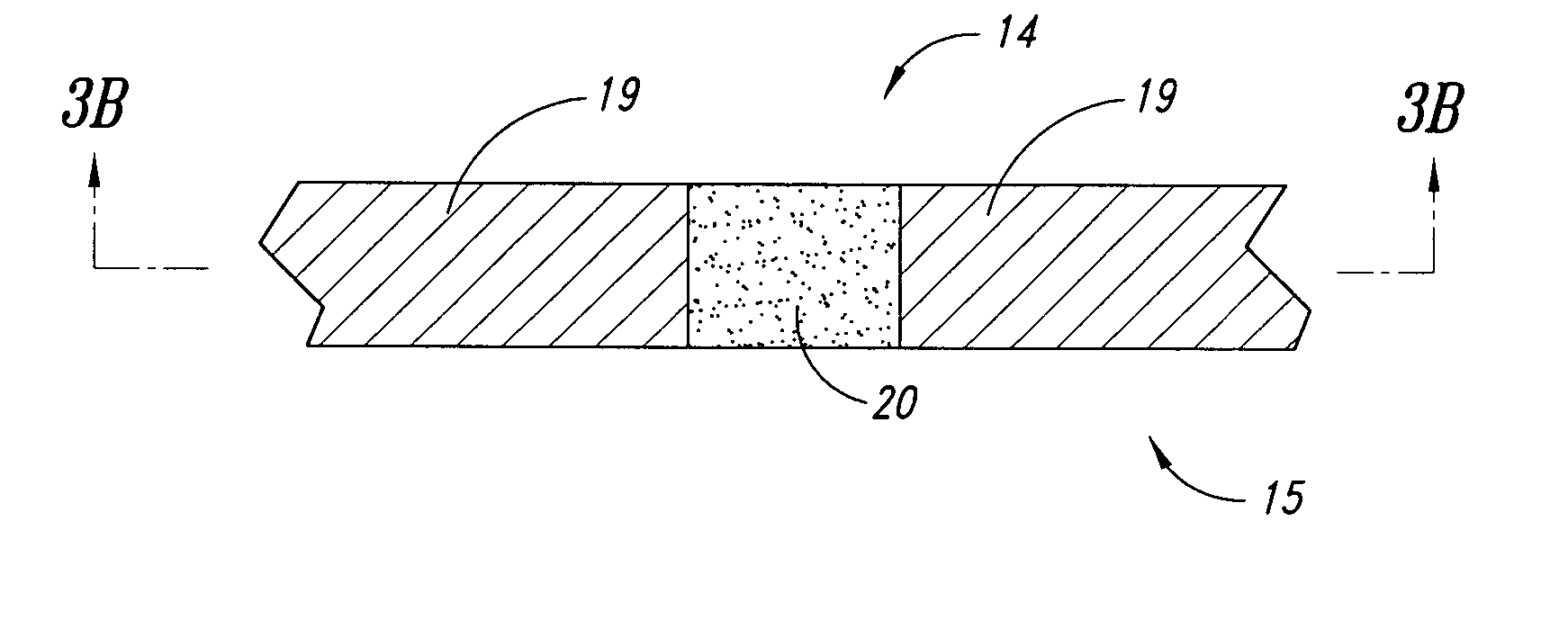
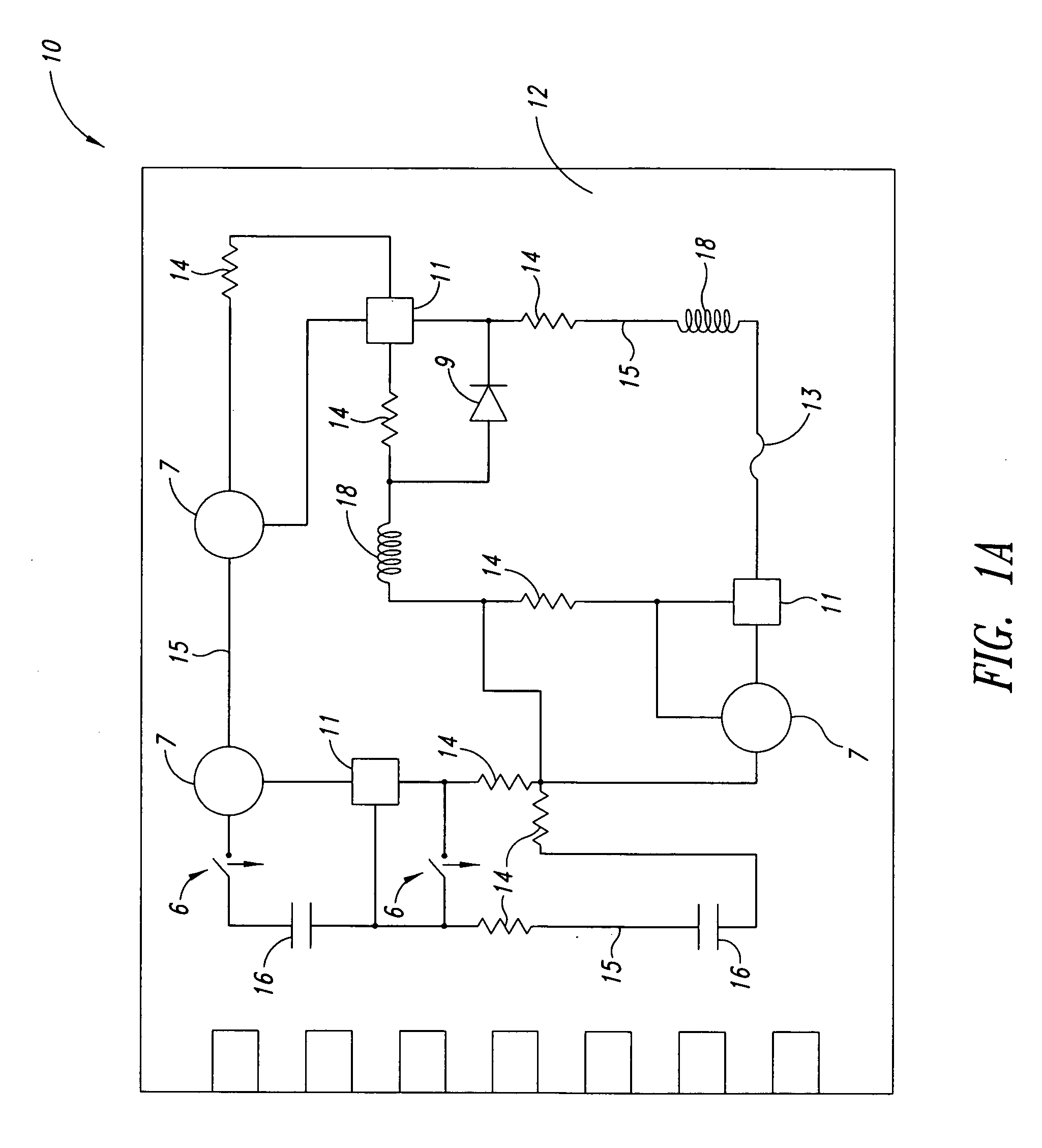
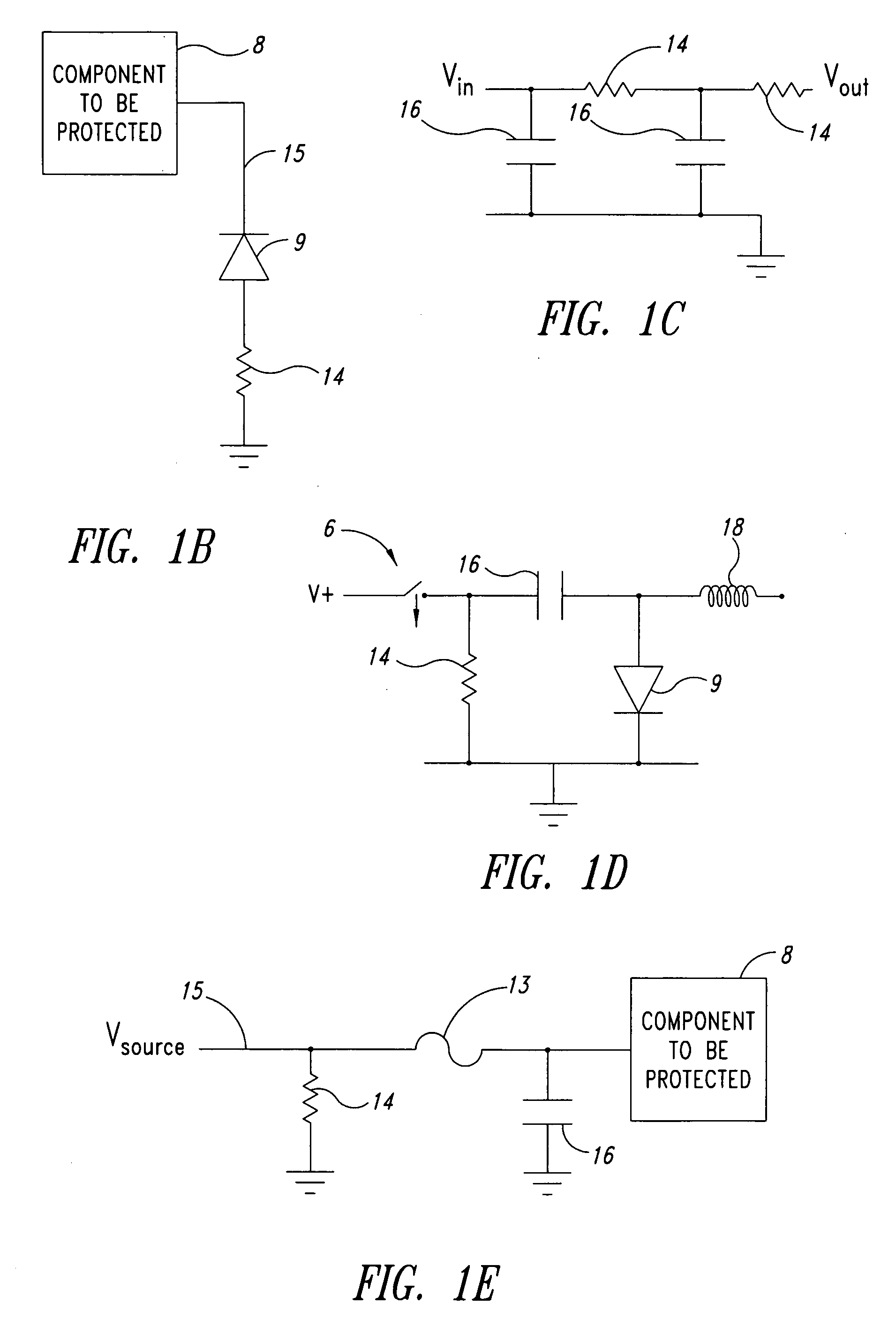
- A method involving the printing of a seed layer on a substrate, followed by exposure to a fluid containing precursors for conductive materials, allowing for the growth of conductive layers without etching or masking, using biomolecules with affinity for both the substrate and materials to enable selective deposition and pattern formation at room temperature.

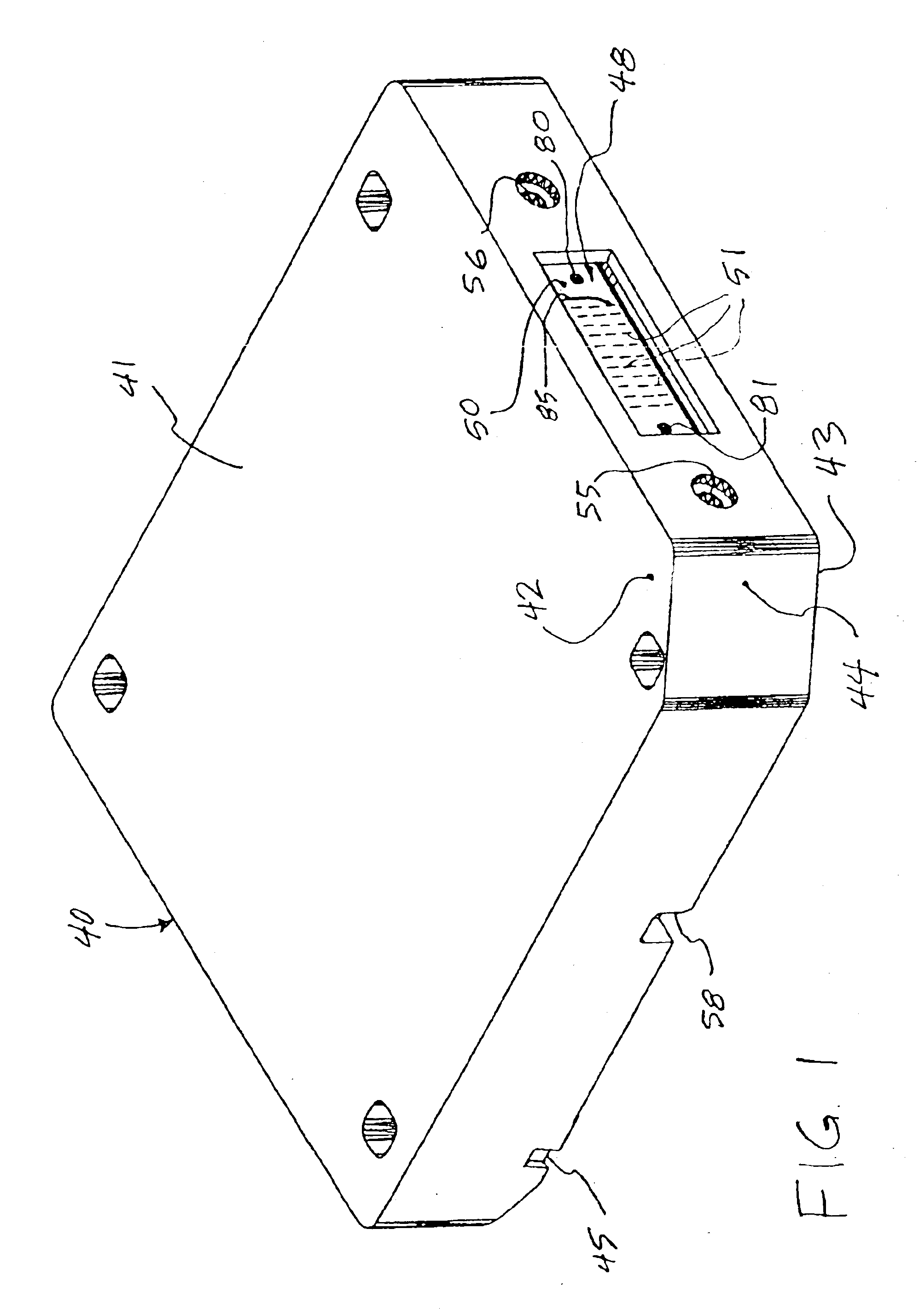
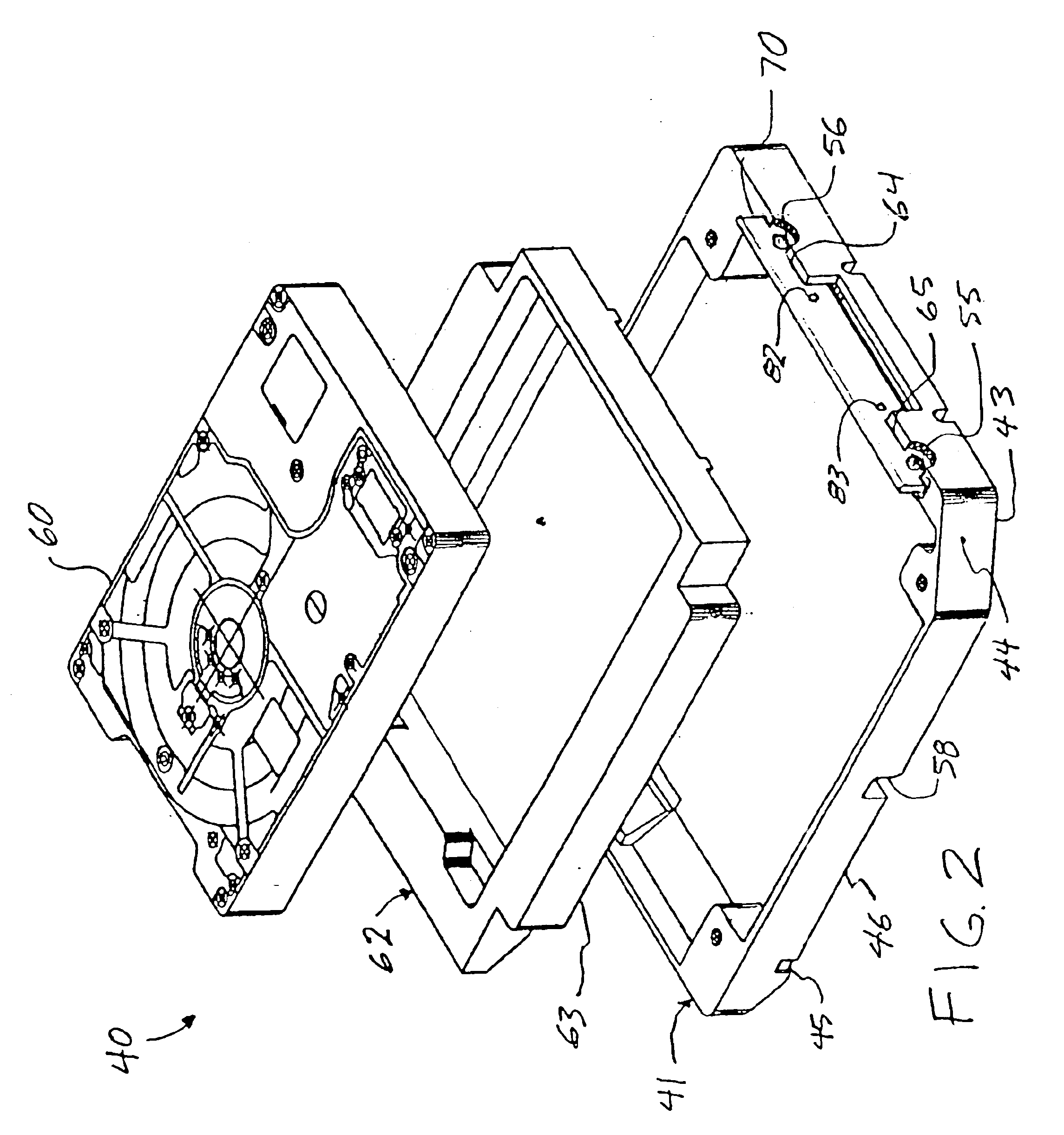
Releasable, repeatable electrical connection employing compression
PatentInactiveUS6837718B2
Innovation
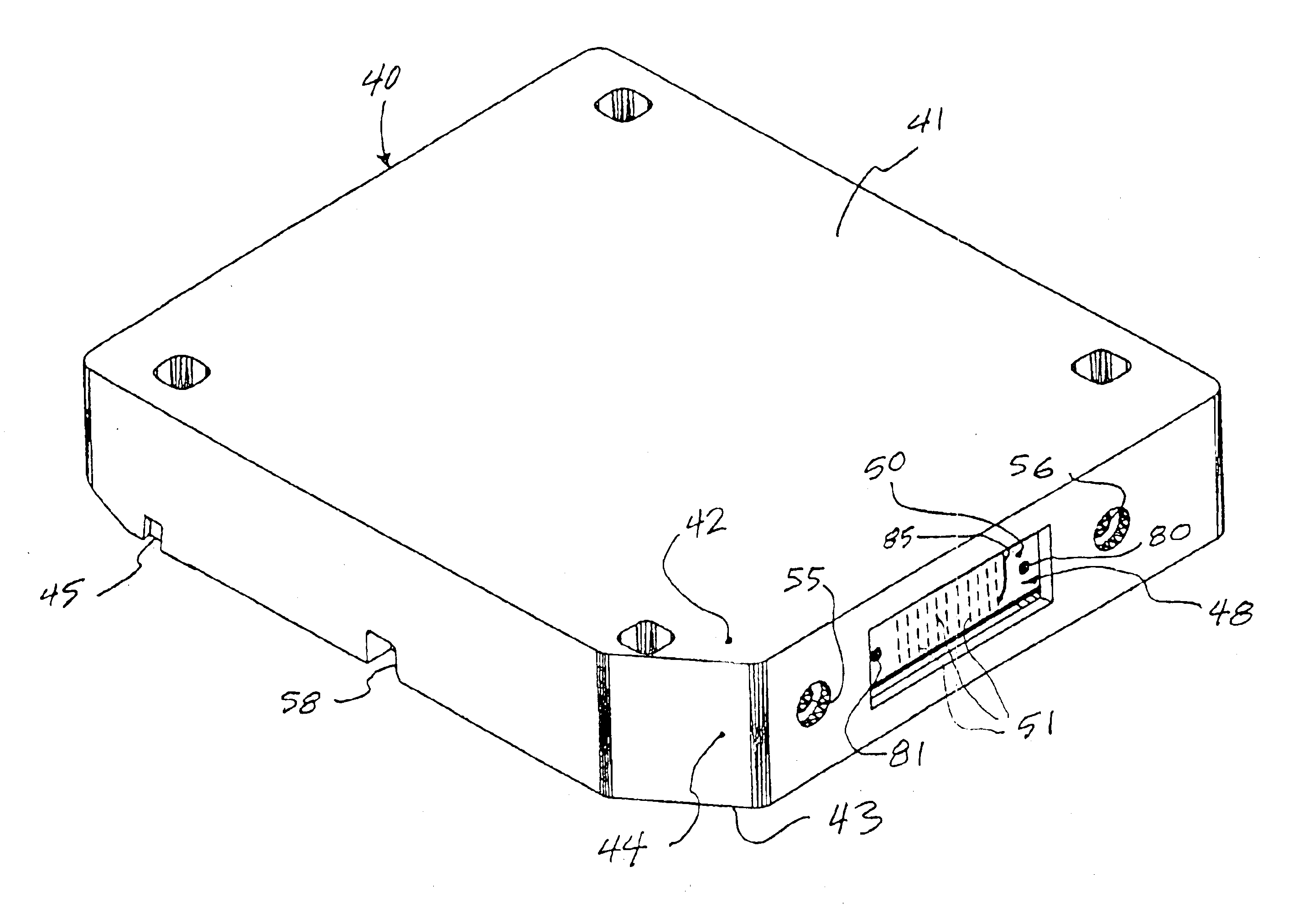
- A transfer station with a matching circuitized flexible substrate and an elastomeric compression element forms a non-wiping contact with the portable cartridge's electrical contacts, allowing for a releasable and repeatable electrical connection by compressing the elastomeric compression element between the substrate and a reference plate, enabling multiple connections without wear.

Material Science Innovations for Substrate Performance
Recent advancements in material science have revolutionized substrate performance in flexible electronics, creating a significant divergence from traditional epoxy-based solutions. The fundamental properties of substrate materials directly impact data transfer efficiency, with novel materials exhibiting superior electrical conductivity, thermal stability, and mechanical flexibility.
Polymer-based flexible substrates represent a breakthrough innovation, incorporating conductive nanoparticles that enhance signal integrity while maintaining flexibility. These materials demonstrate up to 40% improvement in data transfer rates compared to conventional epoxy substrates, particularly in high-frequency applications where signal degradation typically occurs.
Graphene-infused substrates have emerged as particularly promising candidates for next-generation flexible electronics. The two-dimensional carbon structure provides exceptional electron mobility, reducing signal loss during data transmission. Research indicates that graphene-enhanced substrates can achieve resistance values below 0.1 ohm/square, substantially outperforming epoxy alternatives that typically range between 0.5-1.0 ohm/square.
Hybrid organic-inorganic composites represent another innovative approach, combining the flexibility of organic polymers with the electrical performance of inorganic materials. These composites demonstrate remarkable stability across temperature variations, maintaining consistent data transfer efficiency between -40°C and 120°C, whereas epoxy substrates show significant performance degradation beyond 85°C.
Self-healing substrate materials incorporate microcapsules containing conductive materials that automatically repair microfractures, preserving data pathways even under mechanical stress. This innovation addresses a critical limitation of epoxy substrates, which develop permanent conductive failures when subjected to repeated bending cycles.
Biodegradable conductive substrates made from cellulose derivatives and conductive polymers represent an environmentally conscious innovation. These materials achieve comparable data transfer efficiency to traditional substrates while offering end-of-life degradability, addressing growing concerns about electronic waste.
Liquid crystal polymer (LCP) substrates have demonstrated exceptional performance in high-frequency applications, with dielectric constants remaining stable up to 110 GHz. This stability enables consistent data transfer rates across broader frequency ranges than epoxy substrates, which typically experience significant performance variations above 40 GHz.
The integration of these material innovations with advanced manufacturing techniques, such as roll-to-roll processing and direct-write printing, has further enhanced substrate performance by enabling precise control over material deposition and structural integrity, resulting in more reliable and efficient data transfer pathways in flexible electronic systems.
Polymer-based flexible substrates represent a breakthrough innovation, incorporating conductive nanoparticles that enhance signal integrity while maintaining flexibility. These materials demonstrate up to 40% improvement in data transfer rates compared to conventional epoxy substrates, particularly in high-frequency applications where signal degradation typically occurs.
Graphene-infused substrates have emerged as particularly promising candidates for next-generation flexible electronics. The two-dimensional carbon structure provides exceptional electron mobility, reducing signal loss during data transmission. Research indicates that graphene-enhanced substrates can achieve resistance values below 0.1 ohm/square, substantially outperforming epoxy alternatives that typically range between 0.5-1.0 ohm/square.
Hybrid organic-inorganic composites represent another innovative approach, combining the flexibility of organic polymers with the electrical performance of inorganic materials. These composites demonstrate remarkable stability across temperature variations, maintaining consistent data transfer efficiency between -40°C and 120°C, whereas epoxy substrates show significant performance degradation beyond 85°C.
Self-healing substrate materials incorporate microcapsules containing conductive materials that automatically repair microfractures, preserving data pathways even under mechanical stress. This innovation addresses a critical limitation of epoxy substrates, which develop permanent conductive failures when subjected to repeated bending cycles.
Biodegradable conductive substrates made from cellulose derivatives and conductive polymers represent an environmentally conscious innovation. These materials achieve comparable data transfer efficiency to traditional substrates while offering end-of-life degradability, addressing growing concerns about electronic waste.
Liquid crystal polymer (LCP) substrates have demonstrated exceptional performance in high-frequency applications, with dielectric constants remaining stable up to 110 GHz. This stability enables consistent data transfer rates across broader frequency ranges than epoxy substrates, which typically experience significant performance variations above 40 GHz.
The integration of these material innovations with advanced manufacturing techniques, such as roll-to-roll processing and direct-write printing, has further enhanced substrate performance by enabling precise control over material deposition and structural integrity, resulting in more reliable and efficient data transfer pathways in flexible electronic systems.
Thermal Management Considerations in High-Speed Circuit Design
Thermal management represents a critical consideration in the comparison between flexible electronics and epoxy substrates for data transfer efficiency. As data rates increase in high-speed circuit designs, thermal dissipation becomes a significant challenge that directly impacts performance reliability and longevity.
Flexible electronic systems typically utilize polymer-based substrates with inherently lower thermal conductivity (0.1-0.3 W/m·K) compared to traditional epoxy substrates (0.2-0.8 W/m·K). This thermal conductivity differential creates unique challenges for heat dissipation in flexible systems, particularly when operating at high data transfer rates that generate substantial heat through resistive losses.
The thermal expansion coefficient mismatch between flexible substrates and mounted components presents another critical consideration. Flexible substrates generally exhibit higher coefficients of thermal expansion (CTE), ranging from 50-200 ppm/°C, while epoxy substrates demonstrate more moderate values (14-22 ppm/°C). This disparity can induce mechanical stress during thermal cycling, potentially compromising signal integrity in high-speed data transfer applications.
Heat distribution patterns differ significantly between these technologies. Epoxy substrates benefit from more uniform heat spreading capabilities and can more readily incorporate thermal vias and copper planes for enhanced heat management. Conversely, flexible electronics often require specialized thermal management solutions such as localized heat sinks, thermally conductive adhesives, or strategic circuit layout optimization to mitigate hotspots.
Recent advancements have introduced thermally enhanced flexible substrates incorporating ceramic fillers or graphene layers, improving thermal conductivity to 1-3 W/m·K while maintaining flexibility. These innovations help narrow the thermal performance gap with epoxy-based systems while preserving the mechanical advantages of flexible electronics.
Power density considerations become particularly relevant as miniaturization trends continue. Flexible electronics typically operate with lower power density thresholds (0.5-2 W/cm²) compared to epoxy-based designs (3-5 W/cm²), necessitating careful thermal budgeting to maintain data transfer efficiency without compromising signal integrity through temperature-induced impedance variations.
The operating environment significantly influences thermal management strategy selection. Flexible electronics demonstrate advantages in dynamic thermal environments due to their ability to conform to cooling surfaces, while epoxy substrates may require more substantial dedicated cooling infrastructure to maintain optimal data transfer efficiency under high thermal loads.
Flexible electronic systems typically utilize polymer-based substrates with inherently lower thermal conductivity (0.1-0.3 W/m·K) compared to traditional epoxy substrates (0.2-0.8 W/m·K). This thermal conductivity differential creates unique challenges for heat dissipation in flexible systems, particularly when operating at high data transfer rates that generate substantial heat through resistive losses.
The thermal expansion coefficient mismatch between flexible substrates and mounted components presents another critical consideration. Flexible substrates generally exhibit higher coefficients of thermal expansion (CTE), ranging from 50-200 ppm/°C, while epoxy substrates demonstrate more moderate values (14-22 ppm/°C). This disparity can induce mechanical stress during thermal cycling, potentially compromising signal integrity in high-speed data transfer applications.
Heat distribution patterns differ significantly between these technologies. Epoxy substrates benefit from more uniform heat spreading capabilities and can more readily incorporate thermal vias and copper planes for enhanced heat management. Conversely, flexible electronics often require specialized thermal management solutions such as localized heat sinks, thermally conductive adhesives, or strategic circuit layout optimization to mitigate hotspots.
Recent advancements have introduced thermally enhanced flexible substrates incorporating ceramic fillers or graphene layers, improving thermal conductivity to 1-3 W/m·K while maintaining flexibility. These innovations help narrow the thermal performance gap with epoxy-based systems while preserving the mechanical advantages of flexible electronics.
Power density considerations become particularly relevant as miniaturization trends continue. Flexible electronics typically operate with lower power density thresholds (0.5-2 W/cm²) compared to epoxy-based designs (3-5 W/cm²), necessitating careful thermal budgeting to maintain data transfer efficiency without compromising signal integrity through temperature-induced impedance variations.
The operating environment significantly influences thermal management strategy selection. Flexible electronics demonstrate advantages in dynamic thermal environments due to their ability to conform to cooling surfaces, while epoxy substrates may require more substantial dedicated cooling infrastructure to maintain optimal data transfer efficiency under high thermal loads.
Unlock deeper insights with Patsnap Eureka Quick Research — get a full tech report to explore trends and direct your research. Try now!
Generate Your Research Report Instantly with AI Agent
Supercharge your innovation with Patsnap Eureka AI Agent Platform!